Famous Interior Designers — Their Ideas and Influence
Meet influential designers and learn what shapes their work, fame, and lasting impact.
What Makes an Interior Designer Famous?
Who are some famous interior designers? Names such as Elsie de Wolfe, Dorothy Draper, Billy Baldwin, and Kelly Wearstler stand out for distinct ideas and memorable rooms. Their work shows how interior design can shape daily life, express taste, and give a place its own character. Fame often comes from a signature style, influential projects, and years of public attention.
Interior design is the planning of indoor spaces for use, comfort, and visual appeal. Designers consider how people move through a room, how light falls, and how materials work together. Good design serves a purpose. A well-planned kitchen can make cooking easier, while a calm bedroom can support rest.
The field reaches beyond choosing colors and furniture. It can involve room layout, lighting, finishes, storage, and links between old and new pieces. Designers draw inspiration from architecture, art, fashion, travel, and the needs of the people who use each space. The strongest work feels personal, not copied from a trend.
- Purpose: The room should work well for the people who use it.
- Feeling: Color, light, and texture can change how a space feels.
- Identity: A clear point of view helps a design feel memorable.
Notable Interior Designers and Their Signature Work
There is no single answer to who are the best interior designers. The field spans many eras and styles, and each designer solves different problems. These names are among the most influential because their rooms, ideas, or work in other fields left a strong mark.
- Elsie de Wolfe: Often called a founder of modern interior design, she moved away from heavy Victorian rooms. Her work favored light colors, mirrors, and a more relaxed feel. Her book, The House in Good Taste, helped share her ideas with a wider audience.
- Dorothy Draper: Draper brought bold color, large-scale patterns, and drama to hotels and public rooms. Her work at The Greenbrier resort in West Virginia is a key example. It helped make her lively style known far beyond private homes.
- Billy Baldwin: Baldwin was known for rooms that felt polished but easy to live in. He mixed antiques with modern pieces and used strong color with care. His work for well-known clients helped spread his name, but his lasting influence lies in his comfort-first approach.
- David Hicks: Hicks brought geometric patterns and rich color into homes and hotels. He drew on art, history, and fashion, then used those sources in fresh ways. His bold fabrics and layered rooms shaped the look of the 1960s and 1970s.
- Kelly Wearstler: Wearstler blends sculptural forms, varied materials, and strong color. Her work in hotels, homes, and product design has made her a major name in current luxury interiors. She shows how a clear visual style can carry across many types of projects.
- India Mahdavi: Mahdavi is known for playful color and curved forms. Her work includes the pink dining room at Sketch in London, which drew wide notice. That project shows how one bold room can become a lasting part of a designer’s public image.
These designers did not become famous through style alone. A notable hotel, home, book, or public space can bring their ideas to a much wider audience. Their best-known projects also help people connect a name with a look or feeling.
How Designers Build a Name in the Field
How to become a famous interior designer is a question with no fixed path. Some designers study interior design at college, while others enter through architecture, theater, furniture, or art. Formal study can teach drawing, space planning, materials, lighting, and safety rules. A strong base matters more than one specific degree.
Hands-on work is just as important. New designers can learn through internships, assistant roles, or small projects for local clients. Each job teaches how to set a budget, work with trades, choose durable finishes, and meet deadlines. Keep records of each project, including the goal, choices, and final result.
A creative portfolio should show clear thinking, not just pretty rooms. Include a range of work and explain the problem each design solved. Use strong photos, simple captions, and a short note on your role. Never claim work that you did not create.
- Learn the craft: Study design, drawing, materials, and room planning. Build basic skills with real projects.
- Find your voice: Test colors, forms, and materials across different rooms. Notice which choices feel true to your eye.
- Build a portfolio: Show finished work and explain the need behind each choice. Ask clients for clear permission before sharing their spaces.
- Make good ties: Work well with clients, builders, makers, and photographers. Strong word of mouth can lead to new work.
- Share your work: Use a clear website and strong images. Send thoughtful project notes to editors and design groups.
Fame often grows from trust and repeat work, not a quick break. A clear point of view helps people recall a designer. Good service helps them recommend that designer to others.
Skills, Style, and the Sources of Good Design
Successful designers pair creative skill with careful listening. They ask how a room will be used before picking finishes or furniture. They also need to explain choices in plain terms, manage costs, and keep a project on track. A strong eye helps, but good planning makes the idea work in real life.
Fashion and art have long shaped interior design trends. A fashion print can inspire a room’s fabric, while a painting may guide its colors. Designers also borrow from sculpture, craft, and architecture. The best results adapt an influence rather than copy it outright.
Designers can find new ideas in historic homes, galleries, nature, and daily life. They may study how a woven cloth handles color or how a garden changes with light. Then they test those ideas against a client’s needs and the room’s limits. This mix of research and judgment keeps design fresh.
Media and awards can help a designer reach new clients. A feature in a respected design magazine can make a project visible to readers and editors. Awards can confirm strong work, but they do not replace skill or care. A steady record of good rooms remains the best proof.
Public attention can also make one project seem bigger than the rest. A hotel lobby or famous home may lead to press coverage and new commissions. Yet a designer’s reputation lasts when the work holds up over time. Great rooms still need to function well after the photos are taken.
How Interior Design Changes the Way a Space Works
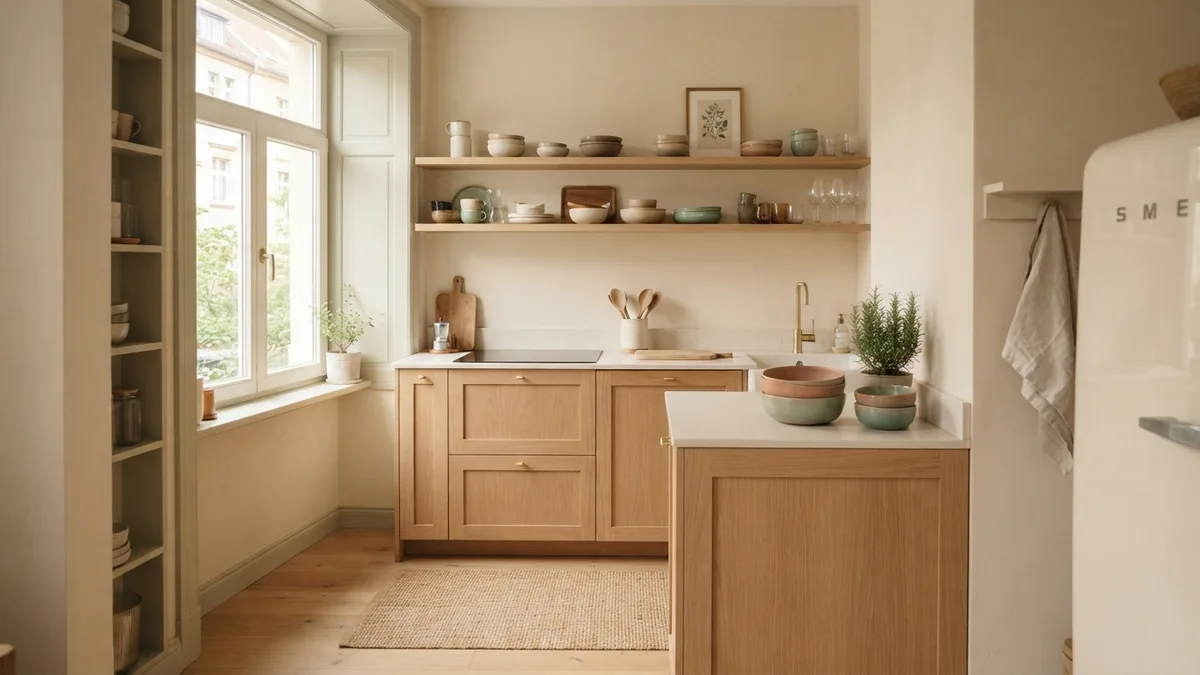
Interior designers shape more than the look of a room. They can improve movement, bring daylight deeper into a home, and make storage easier to reach. A small flat may feel more open with clear sightlines and furniture sized to fit. Careful design can make daily tasks simpler.
Design also affects mood. Soft light and natural materials may make a room feel calm, while strong color can add energy. The right choice depends on the space and the people who use it. A family kitchen, a hotel suite, and a quiet reading room all need different answers.
Famous designers often make these ideas visible through notable projects. Draper’s Greenbrier rooms showed how strong pattern could give a large hotel a bold identity. Mahdavi’s Sketch dining room showed how color and form can turn a restaurant into a destination. Wearstler’s hotel work makes a case for a clear style across shared spaces.
These projects can inspire other designers, but they are not plans to copy. Each site has its own light, shape, history, and needs. A useful design takes those facts seriously. That is how inspiration becomes a room that belongs to its place.
What Comes Next for Interior Design?
There is no agreed winner when people ask who is the most famous interior designer in the world. Fame changes by country, era, and style. Elsie de Wolfe remains a key name in design history, while current designers such as Wearstler and Mahdavi reach new audiences through hotels, books, and media.
The top interior designers tend to share a few habits. They know their craft, solve real problems, and make work that people remember. They keep learning from art, fashion, buildings, and the lives of their clients. Their lasting impact comes from more than a striking room.
The future will bring new materials, new ways to share work, and fresh ideas about how homes should feel. The need for thoughtful rooms will stay. For aspiring designers, the best first step is clear: learn the basics, make useful work, and build a body of projects with care.
Frequently asked questions
- Who are some famous interior designers?
- Notable names include Elsie de Wolfe, Dorothy Draper, Billy Baldwin, David Hicks, Kelly Wearstler, and India Mahdavi.
- Who is the most famous interior designer in the world?
- There is no single agreed answer. Elsie de Wolfe is often named for her early role in modern interior design.
- How do interior designers become famous?
- They build a distinct body of work, earn trust, and gain attention through projects, press, books, or awards.
- What should I study to become an interior designer?
- Study interior design or a related field such as architecture or art. Learn space planning, materials, lighting, and drawing.
- How do fashion and art influence interior design?
- Designers may draw color, pattern, shape, or texture from art and fashion. They adapt those ideas to each room.
Related reading
Area Rugs — Size, Layout, and Room Balance
Choose a rug that fits your room, furniture, and daily routines.
Living Room Drapes — Light, Color and Style
Choose drapes that balance light, privacy, color, and room style.

High Ledges — Display Ideas for Living Rooms and Bedrooms
Style a high ledge with well-scaled decor, calm colors, and safe placement.