How to Brighten a Dark Living Room Without Major Work
Brighten dark rooms with light, color, mirrors, and smart furniture.
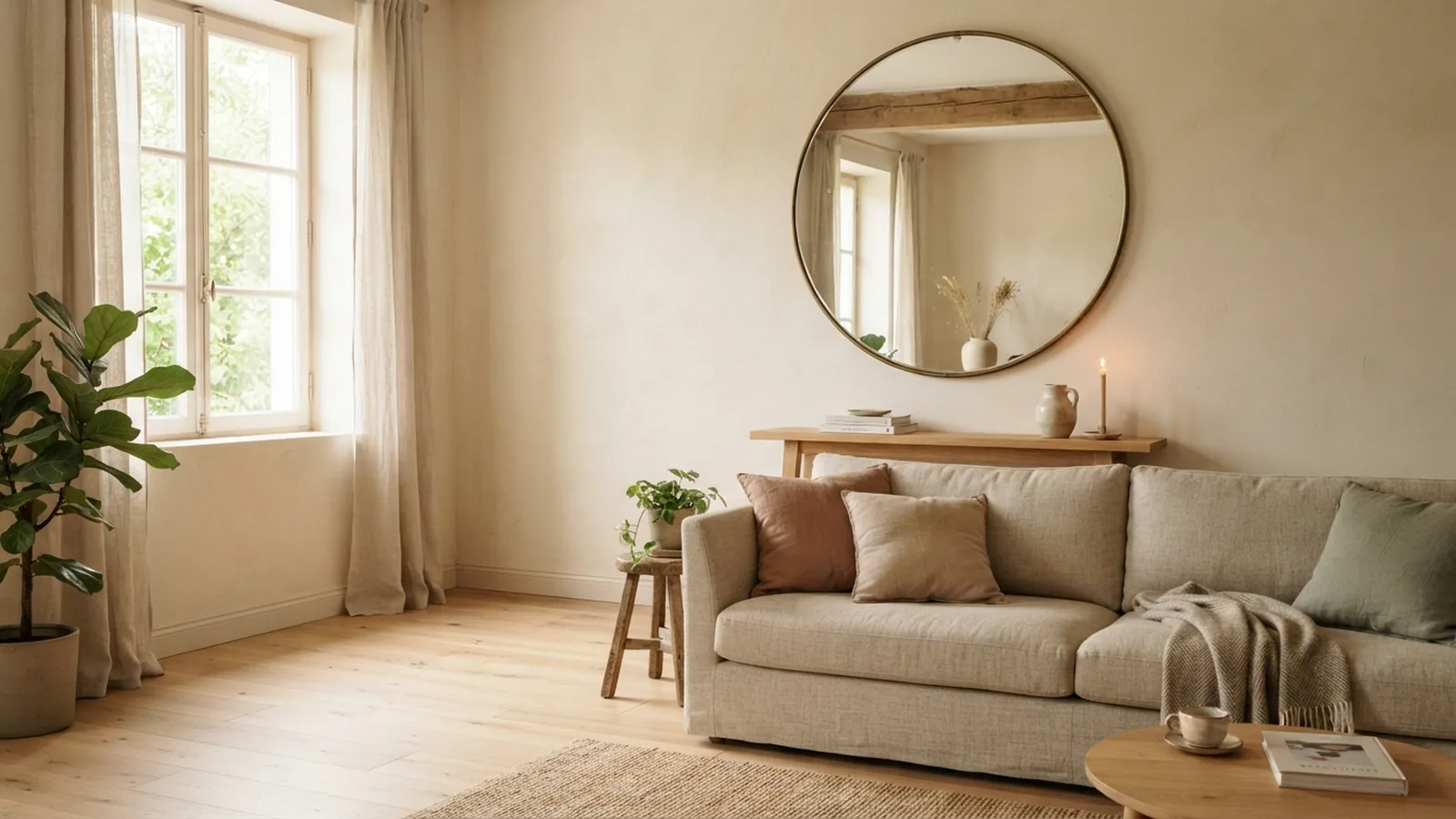
Understand Why the Room Feels Dark
The best way to brighten a dark living room starts with finding where light gets lost. Check the room at morning, noon, and dusk. Each time shows a different problem.
Nearby buildings, small windows, and shaded gardens can limit daylight. Heavy curtains may block more light than expected. Dark floors, bulky furniture, and crowded shelves also deepen shadows.
Stand in each corner and look toward the window. Note blocked glass, dark surfaces, and areas that need more light. This quick check helps you build a focused plan.
- Move tall furniture away from windows.
- Clean glass, frames, and window sills.
- Find corners that need a lamp.
- Notice which surfaces absorb light.
Build a Layered Lighting Plan
Layered lighting gives a dark room more balance. Use ambient, task, and accent light. Ambient light fills the room. Task light supports reading. Accent light adds depth.
Place a floor lamp beside a sofa or in an empty corner. Add a table lamp to a side table. Wall sconces can brighten narrow walls without using floor space.
Choose warm white bulbs between 2700 and 3000 kelvin. This range feels warm without making pale walls look yellow. Dimmable bulbs let you change the mood through the day.
Spread light across the room instead of using one ceiling fitting. A lamp near a window can soften the sharp contrast after sunset. Keep cables neat and away from walkways.
| Light layer | Useful choice | Best position |
|---|---|---|
| Ambient | Ceiling light or floor lamp | Central area or dark corner |
| Task | Reading lamp or wall sconce | Beside a chair or sofa |
| Accent | Small lamp or wall light | Near shelves or artwork |
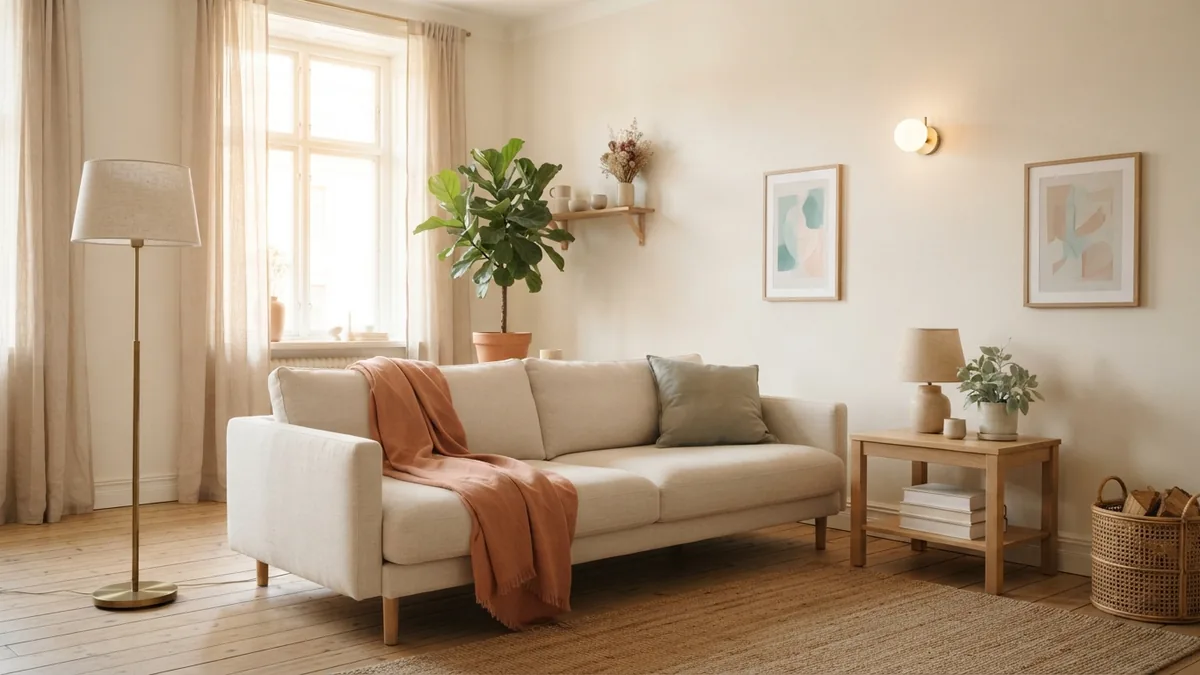
Choose Colors That Reflect More Light
Light walls and ceilings help bounce light around the room. Warm white, soft cream, pale beige, and light greige work well. They often feel softer than stark white in weak daylight.
What colors brighten a dark room? Choose shades with warm or neutral bases. Pale sage, muted peach, and soft oat add color without closing in the space.
If you wonder how to brighten a dark room with paint, start with the ceiling. Paint it a light shade, even when the walls stay darker. A pale ceiling draws the eye upward and spreads light.
Eggshell paint gives walls a gentle glow without a harsh shine. Satin paint reflects more light, but it can show bumps. Test a sample on each wall before buying paint.
- Use warm white for a clean, open backdrop.
- Try pale beige in rooms with cool daylight.
- Add light sage through small painted areas.
- Keep deep colors below eye level.
For a small dark room, avoid sharp color changes between walls and trim. A close color match makes the room feel wider. It also helps light move across the edges.
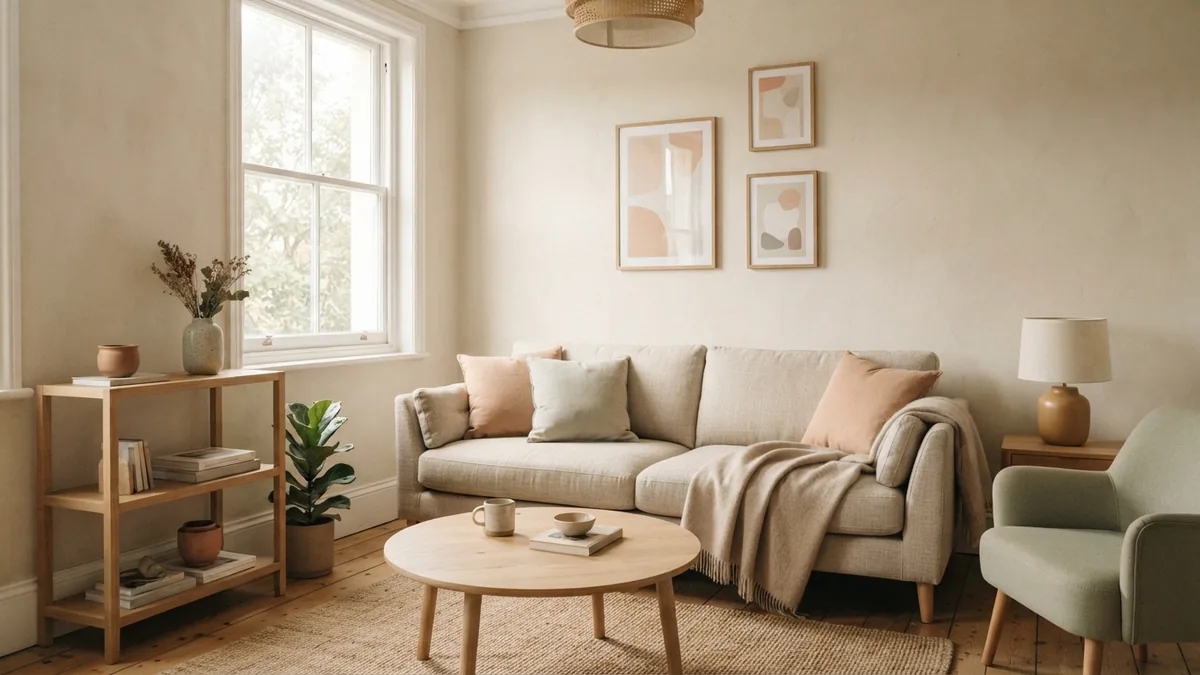
Brighten Rooms Without Painting
Paint is not the only answer. If you need to know how to brighten up a dark room without painting, change the items that cover large surfaces.
Use a light rug, pale curtains, cream cushions, and linen throws. These items lift the room while keeping the work small. They also suit rented homes.
To learn how to brighten a dark kitchen without painting, clear the worktops first. Add pale stools, light wood boards, and under-cabinet lights. Replace dark blinds with a light woven shade.
The same idea works when learning how to brighten a dark dining room. Choose a pale table runner, light dining chairs, and a soft pendant shade. Keep the table near the brightest part of the room.
These changes show how to brighten dark rooms through interior design. They improve the room's base, light flow, and visual weight. No large building work is needed.
Choose Furniture and Accessories With Care
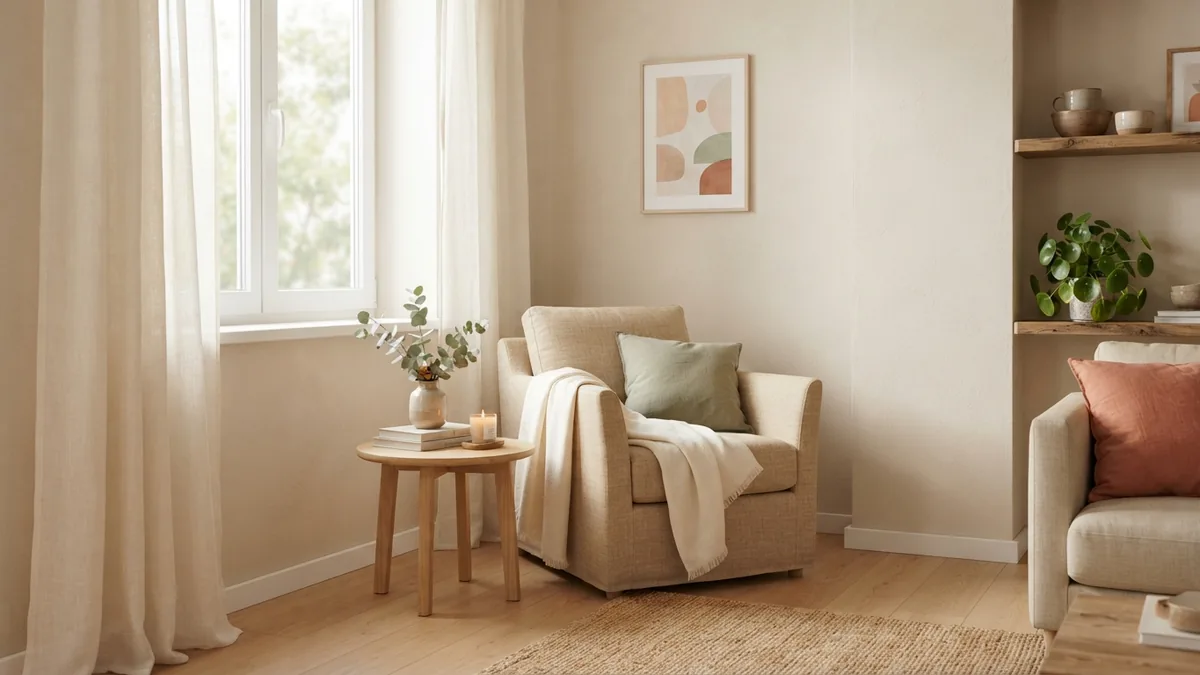
Furniture can support or block your lighting plan. Choose sofas and chairs in oatmeal, cream, pale grey, or soft tan. These tones reflect more light than charcoal or deep brown.
Raised furniture can make a room feel lighter. Slim legs reveal more floor and create paths for light. Avoid placing a tall bookcase beside the brightest window.
Light wooden floors work well in dim spaces. Pale oak and ash add warmth while keeping the base bright. If new flooring costs too much, use a large light rug.
Bright accessories can bring life without adding visual weight. Try coral cushions, pale ceramics, linen throws, and muted green plants. Use a few strong pieces instead of many small objects.
Keep the centre open. Move bulky seating away from windows. Leave space between large pieces so daylight can reach more surfaces.
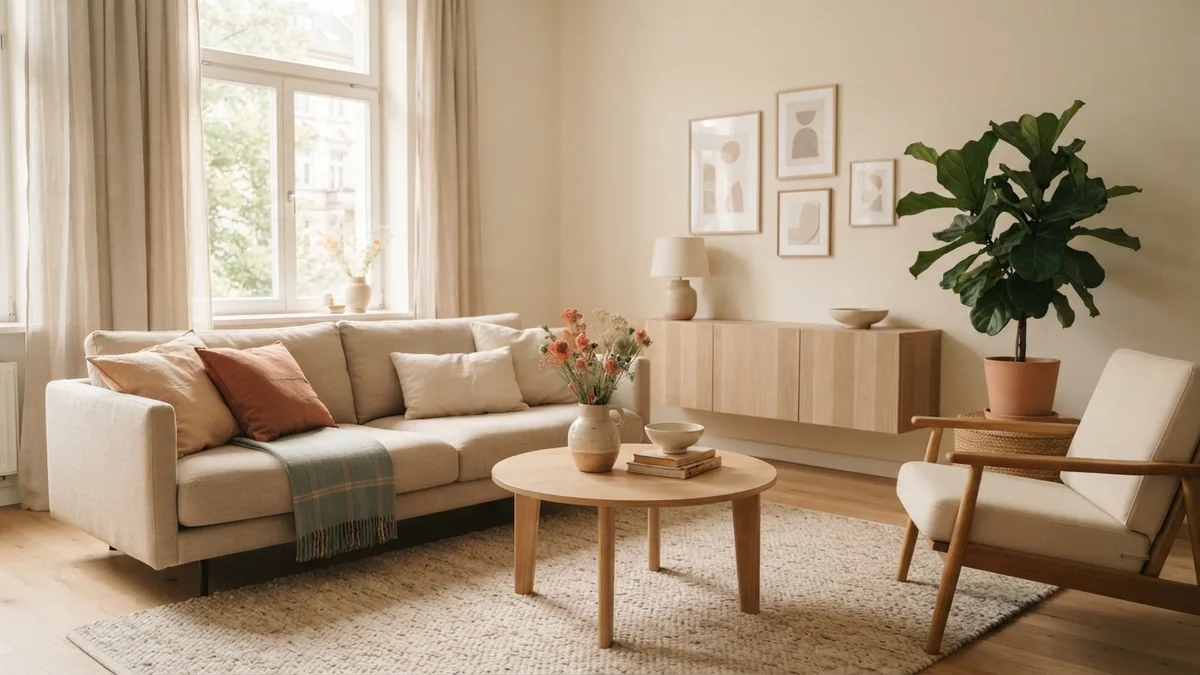
Use Window Treatments That Let Daylight Through
Window treatments can make or break a bright room. Heavy curtains may block useful daylight, even when open. Sheer curtains soften glare while letting light enter.
Choose sheers in white, ivory, oat, or pale beige. Hang the rod wider than the window when possible. The fabric can then sit beside the glass.
Light roller shades work well in small rooms. Pick a pale woven fabric or soft neutral shade. Raise the blind during the brightest part of the day.
Clean windows matter more than many people expect. Dust and grime scatter light before it enters. Wash the glass, frame, sill, and nearby trim each season.
Check the window from outside as well. Overgrown plants may cast shade across the glass. Trim them when suitable, while protecting privacy.
Use Mirrors and Reflective Surfaces
Mirrors can spread daylight into darker parts of a room. Place one across from, or beside, the main window. Avoid placing it where it creates glare.
A large mirror often works better than several small ones. Its broad surface reflects more of the room. A slim frame keeps the look calm and light.
Use other reflective surfaces with care. Pale ceramic, brushed metal, glass, and lightly glazed tile can catch gentle light. Matte finishes keep the room warm instead of glossy.
Mirrors should reflect something pleasant. Aim them toward the window, a pale wall, or a green plant. Do not point them toward clutter or a busy doorway.
Reflection helps, but it cannot replace a lamp or clean window. Treat it as one part of the wider design plan.
Keep the Room Clean and Light
Clean surfaces reflect more light. Dust on shelves, lamps, and glass can make a room look dull. Wipe them as part of your normal weekly clean.
Wash lampshades when their fabric allows it. Dust bulbs only after switching them off and letting them cool. A clean shade sends more light into the room.
Reduce visual clutter near windows and lamps. Too many objects create small shadows and make the room feel tight. Keep only items that serve a purpose or bring joy.
If you still ask how to brighten up a small dark living room, focus on scale. Use fewer pieces, raised furniture, pale fabrics, and one large mirror. Then add light at more than one height.
The strongest result comes from several small changes. Let daylight enter, spread light with lamps, and choose pale surfaces. Your room will feel warmer, clearer, and more open.
Frequently asked questions
- How do you brighten a dark living room?
- Use layered lamps, pale surfaces, sheer curtains, mirrors, and clean windows. Keep bulky furniture away from the main window.
- What paint colors brighten up a dark room?
- Warm white, soft cream, pale beige, light greige, pale sage, and muted peach work well. Test samples under both daylight and lamp light.
- How do you brighten up a dark room without painting?
- Use a light rug, pale curtains, bright upholstery, mirrors, and lamps. Clear dark clutter from windows and worktops.
- How do you brighten a dark kitchen without painting?
- Clear the worktops, add under-cabinet lights, use pale accessories, and replace dark blinds. Light wood items can also lift the room.
- How do you brighten a dark dining room?
- Use a pale pendant shade, light chairs, a soft table runner, and a mirror near the window. Keep the table clear and close to natural light.
- How do you brighten up a small dark living room?
- Choose fewer pieces, raised furniture, pale fabrics, and one large mirror. Add light at different heights to spread brightness.
Related reading
Room Painting Costs — What Shapes Your Quote
Room painting often costs $200–$1,000. See what drives the price and how to compare quotes.
Kitchen Cabinet Tops — Style, Texture and Seasonal Charm
Style cabinet tops with balanced layers, useful texture, and decor that suits your kitchen.
Couch Placement—Flow, Focus and Comfort
Place your couch to frame a focal point, keep paths clear, and make the room feel balanced.