How Long Does It Take to Paint a Room?
Plan your painting day with clear time estimates for every room.
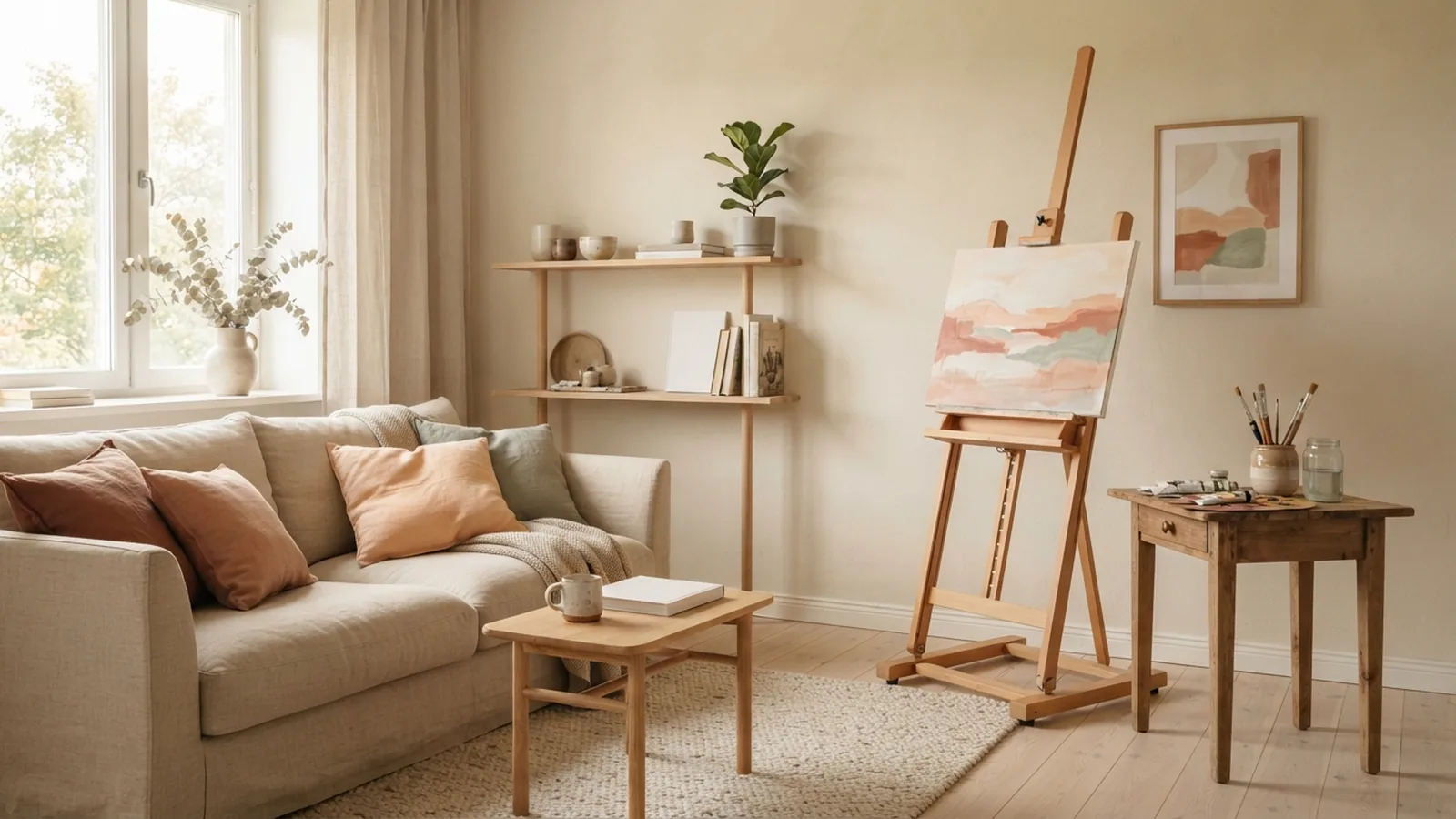
Factors That Affect Painting Time
Most rooms take 3 to 8 hours of active work. This range covers basic prep and two wall coats.
So, how long will it take to paint a room? Room size gives the first clue. Wall height, corners, windows, and doors also affect the pace.
Wall condition can add more time than room size. Holes, cracks, grease, and peeling paint need care before painting. Dark colors may need extra coats over light walls.
- Small room with sound walls: 3 to 4 hours
- Average bedroom: 4 to 6 hours
- Large living room: 6 to 8 hours
- Room with repairs or detailed trim: 8 hours or more
Paint type also changes the plan. Fast-dry paint may allow an earlier second coat. Thick paint can cover well, but it may move more slowly.
Your skill matters too. A trained painter cuts clean lines faster. A careful first-time painter may need extra time for edges and touch-ups.
Time Estimates for Different Rooms
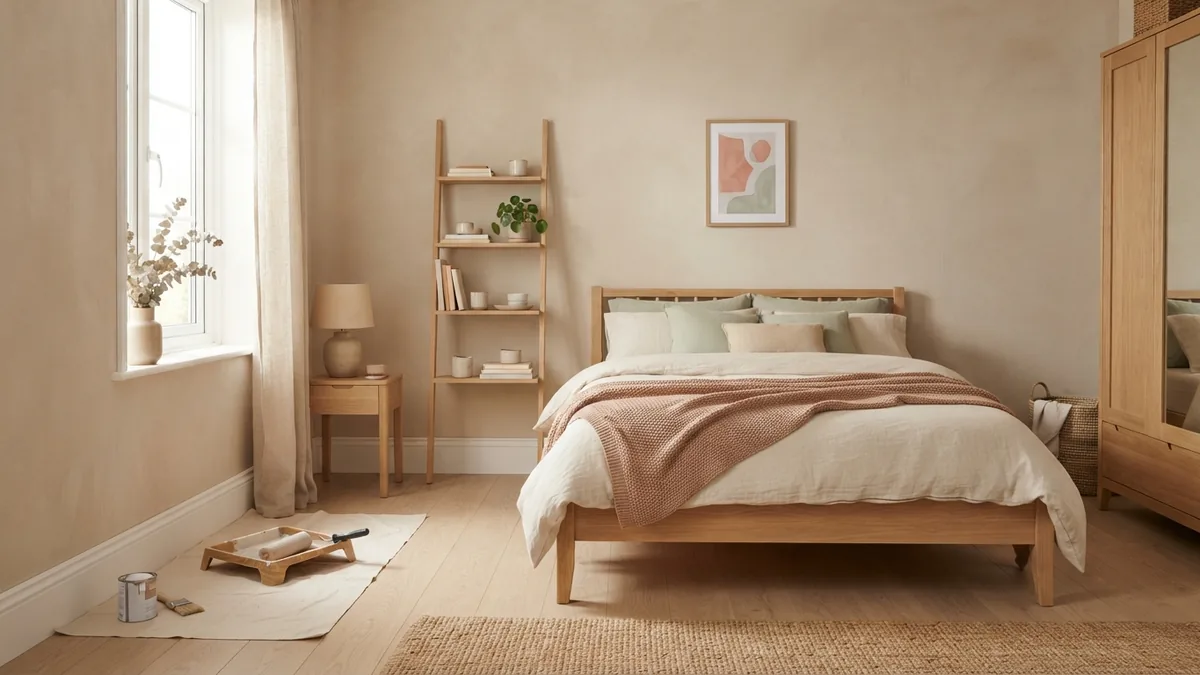
Many people ask how long to paint one room before setting a work date. A small room may need three hours. An average room often needs four to six hours.
If you ask how long should it take to paint 1 room, plan for one full workday. That plan includes setup, wall prep, two coats, and cleanup.
A bedroom often has simple walls and limited trim. That makes it a good first project. The answer to how long to paint a bedroom is usually 4 to 6 hours.
The phrase how long to paint bedroom can mean walls only. Add time for doors, baseboards, or a ceiling. These details may add two to four hours.
Bathrooms take longer than their size suggests. Fixtures create tight edges, and moisture slows drying. The answer to how long to paint a bathroom is often 5 to 8 hours.
Living rooms often need 6 to 8 hours. High ceilings, built-ins, and wide trim can stretch the job into two days.
| Room | Active work | Calendar time |
|---|---|---|
| Small bedroom | 3–4 hours | One day |
| Average bedroom | 4–6 hours | One to two days |
| Bathroom | 5–8 hours | Two to three days |
| Large living room | 6–8 hours | One to two days |
This table shows active work, not nonstop painting. Drying breaks can stretch the calendar time.
The question how long to paint interior of house needs a wider estimate. One room may take a day. A whole house may take several days or weeks.
Cabinet work follows a different schedule. If you ask how long to paint kitchen cabinets, plan for three to five days. Cleaning, sanding, primer, coats, and cure time all matter.
Preparation Steps Before You Start
Good prep saves time during painting. Remove wall art, small items, and switch covers. Move large furniture into the room’s center.
Cover furniture with plastic or clean sheets. Protect floors with drop cloths. Clean dirty walls before you fill holes or sand repairs.
Use filler on nail holes and small dents. Let it dry, then sand it smooth. Remove every trace of sanding dust before priming.
- Clear the room and protect nearby surfaces.
- Wash dirty walls and remove loose paint.
- Fill holes, sand repairs, and remove dust.
- Tape trim and cover the floor.
- Plan the order for walls, trim, and ceiling.
Budget at least 1 to 2 hours for basic preparation. Add more time for stains, repairs, or heavy grease.
Measure the walls before buying paint. A simple how long to paint a room calculator can use wall area, coat count, and painter speed.
Measure each wall’s width and height. Subtract large windows and doors. Then divide the area by your expected coverage rate.
Drying and Curing Times
Drying and curing are different stages. Dry paint can feel firm and accept another coat. Cured paint has gained most of its strength.
Many wall paints dry within one to two hours. The label may set a longer wait before recoating. Follow the label instead of relying on touch.
Temperature and humidity affect paint drying time. Cold air slows drying. High humidity keeps water in the paint for longer.
Bathrooms need extra care. Allow 24 to 48 hours for full curing before heavy moisture exposure. Keep the exhaust fan running when safe.
If you wonder how long after you paint a bathroom can you shower, wait at least 24 hours. Wait closer to 48 hours when the room feels cool or damp.
- Keep air moving with a fan or open window.
- Avoid strong airflow that sends dust onto wet paint.
- Keep the room warm within the paint maker’s limits.
- Do not wash fresh walls until the paint has cured.
Paint may feel dry before it can handle scrubbing. Gentle use helps protect the finish while it gains strength.
Common Mistakes That Add Time
Skipping wall repairs creates extra coats and touch-ups. Paint cannot hide deep dents or loose flakes.
Using too much tape can also slow the job. Tape only where it helps. A steady brush often works faster around simple trim.
Starting without enough paint causes long breaks. Check the room size, coat count, and coverage rate first.
- Do not paint over damp or dirty walls.
- Do not apply a second coat too soon.
- Do not remove tape after the paint fully hardens.
- Do not overload the roller with paint.
Another mistake is treating every room the same. Kitchens need cleaning. Bathrooms need moisture control. Bedrooms may need less prep.
Tips for Faster, Cleaner Painting
Work from the ceiling down when the ceiling needs paint. Then paint trim before walls if the trim needs a sharp finish.
Use a roller for broad walls and a brush for edges. Keep a wet edge as you work. This helps prevent visible lap marks.
Set all tools within reach before opening the can. A tray, extension pole, spare roller, and damp cloth can prevent wasted trips.
A second painter can cut wall time. Setup, drying, and cleanup still take nearly the same time.
- Buy enough paint for the full job.
- Use the right roller nap for the wall texture.
- Keep a small brush ready for edge work.
- Clean tools before paint dries on them.
The best answer to how long should it take to paint a room depends on the finish you want. Rushing prep rarely saves time overall.
For most projects, allow one day for a simple room. Allow two days when repairs, trim, or slow drying enter the plan.
Frequently asked questions
- How long does it take to paint one room?
- Most rooms take 3 to 8 hours of active work. Prep, trim, repairs, and drying can extend the job.
- How long does it take to paint a bedroom?
- An average bedroom takes about 4 to 6 hours. A small room with sound walls may take less.
- How long does it take to paint a bathroom?
- A bathroom often takes 5 to 8 hours of work. Its fixtures, edges, and moisture can slow the process.
- How long after painting a bathroom can you shower?
- Wait at least 24 hours before showering. Wait closer to 48 hours if the room feels cool or damp.
- How long does it take to paint a whole house interior?
- A whole house may take several days or weeks. The count depends on room size, repairs, trim, and crew size.
- Can a room be painted in one day?
- Yes, a simple room can often be painted in one day. Complex prep or slow drying may require more time.
Related reading
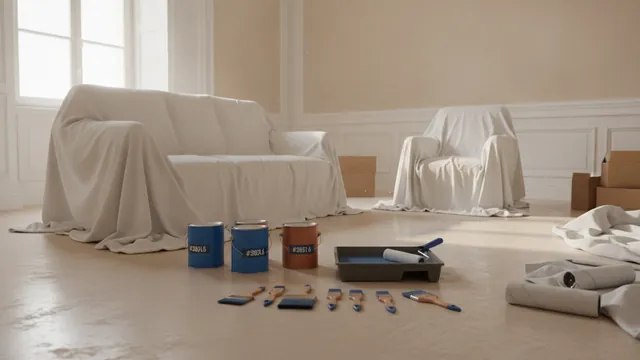
The Right Order to Paint a Room for a Clean Finish
Paint from ceiling to walls to trim with this clear room painting guide.
Bathroom Paint — Moisture, Finishes and Cost
Choose bathroom paint based on dampness, airflow, surface prep and finish.
Large Living Rooms — Comfort, Zones and Flow
Make a spacious living room feel warm, useful, and easy to move through.