How Long After Painting a Bathroom Can You Shower?
Know the safe wait time to shower after painting a bathroom ceiling or walls.
Understanding paint drying vs curing
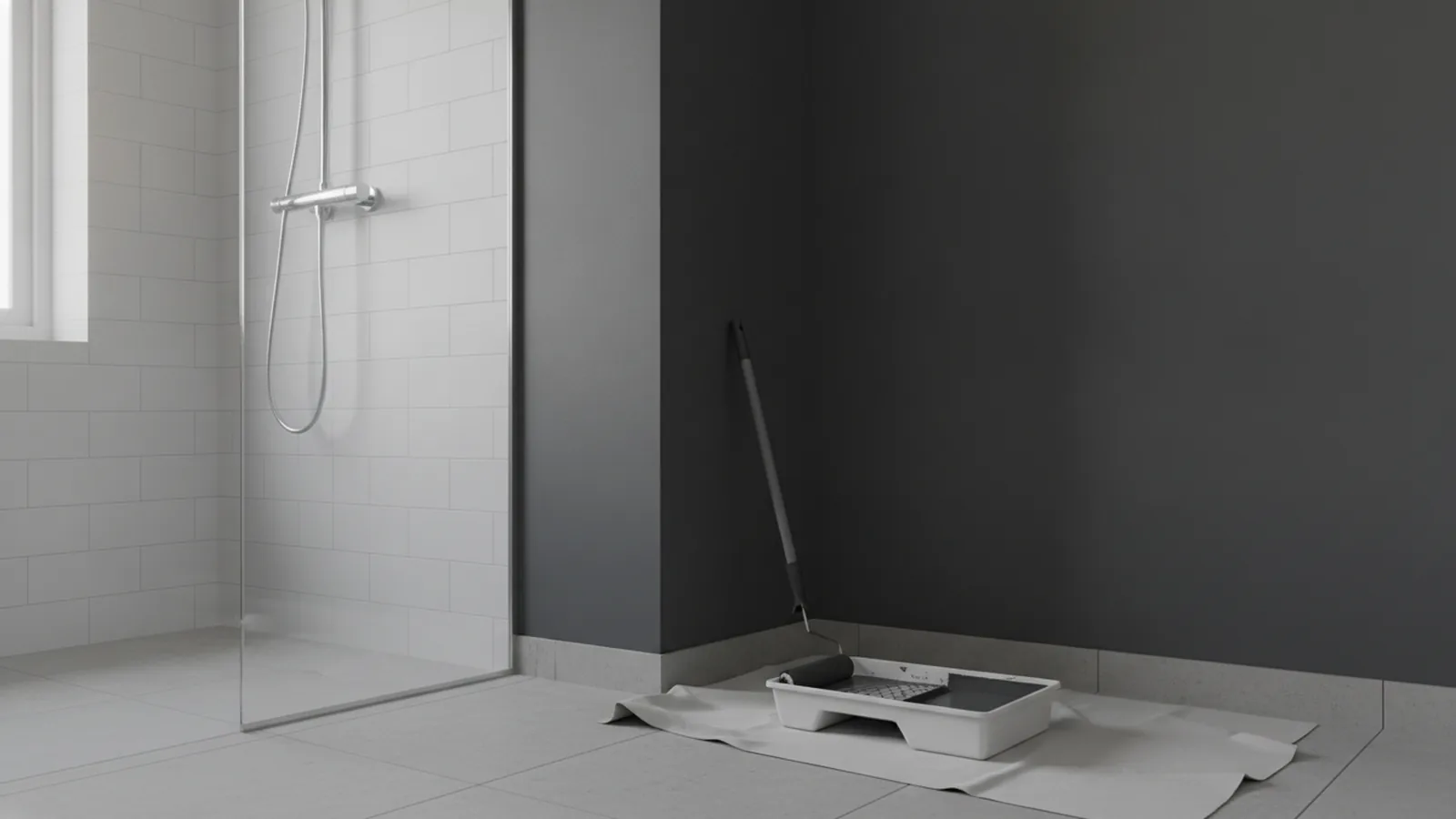
If you’re wondering how long after painting a bathroom can you shower, the safest answer depends on paint cure time, not just dry-to-touch time. Dry-to-touch means the surface is firm enough to handle. Curing means the paint has fully finished chemical hardening. That distinction matters because showers add water and steam.
Latex paint often feels dry in 1 to 2 hours. It can still be soft underneath for weeks. That’s why you can wipe a fingerprint off early, yet still damage the film later. True paint curing can take 7 to 30 days, depending on conditions and paint type.
So when people ask how long after painting bathroom can i shower, they’re really asking when water exposure won’t disturb the paint film. For most homes, that window is shorter than full cure, but you still need a meaningful wait. A good rule is to wait until the paint has progressed far enough to resist moisture and steam.
Factors that affect shower timing in a freshly painted bathroom
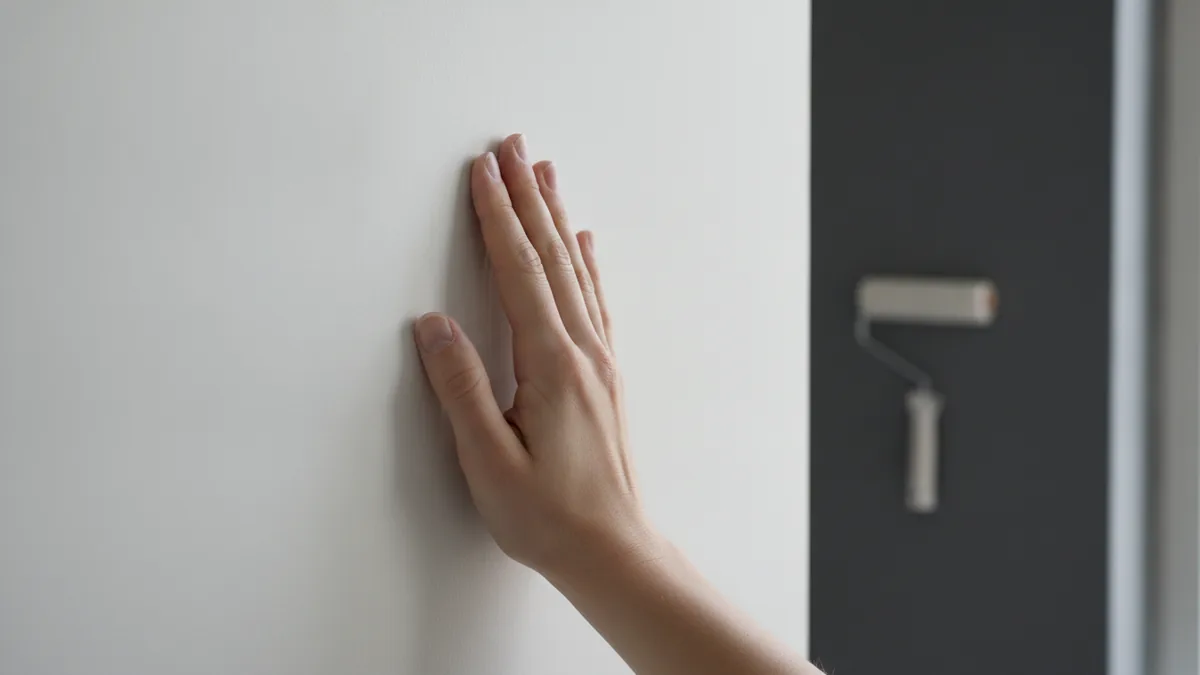
Waiting time changes based on airflow, temperature, and humidity. A warm, dry room helps paint release water and finish curing. A cool room or a damp room slows the process. Bathrooms also trap steam, which can linger after a hot shower.
Paint thickness plays a role too. Two thick coats act differently than two thin coats. A thicker coat holds onto solvents and water longer. That can delay curing even if the surface looks dry.
Surface type matters as well. Ceilings usually get more airflow but also see more rising steam. That’s why how long after painting bathroom ceiling can you shower can be different from wall timing. If the ceiling feels cooler or stays tacky, treat it as the limiting surface.
- Ventilation rate (exhaust fan strength and runtime)
- Room temperature (warmer speeds curing)
- Humidity levels and lingering moisture
- Paint type and coat thickness
- Whether you used primer and how it bonded
Recommended wait times for different bathroom paints
For latex paint, waiting at least 24 hours is advisable before you expose it to normal shower conditions. An ideal target is 48 hours. This is especially helpful if you’ll use hot water, because heat increases steam. If you shower sooner, you risk softening the paint film and loosening the bond.
Latex paint can look ready quickly, but curing takes longer. You might see dry patches early, while deeper layers are still working through curing. That’s the gap that causes blistering or peeling after a steam-heavy shower. If you painted over stains or used a bonding primer, curing can also be slower in spots.
Oil-based paint generally needs more time. A typical safe window is 48 to 72 hours before showering. Oil-based coatings take longer to finish curing because they release solvents over time. Even if the surface seems hard, steam exposure can still interfere before the film reaches full strength.
| Paint type | Dry-to-touch | Safer wait before shower | Notes |
|---|---|---|---|
| Latex paint | Often 1–2 hours | At least 24 hours; ideal 48 hours | Hot showers add steam, so lean toward 48 hours |
| Oil-based paint | Often longer, varies by product | Typically 48–72 hours | Allow more time in cool or humid rooms |
Why ventilation makes a big difference
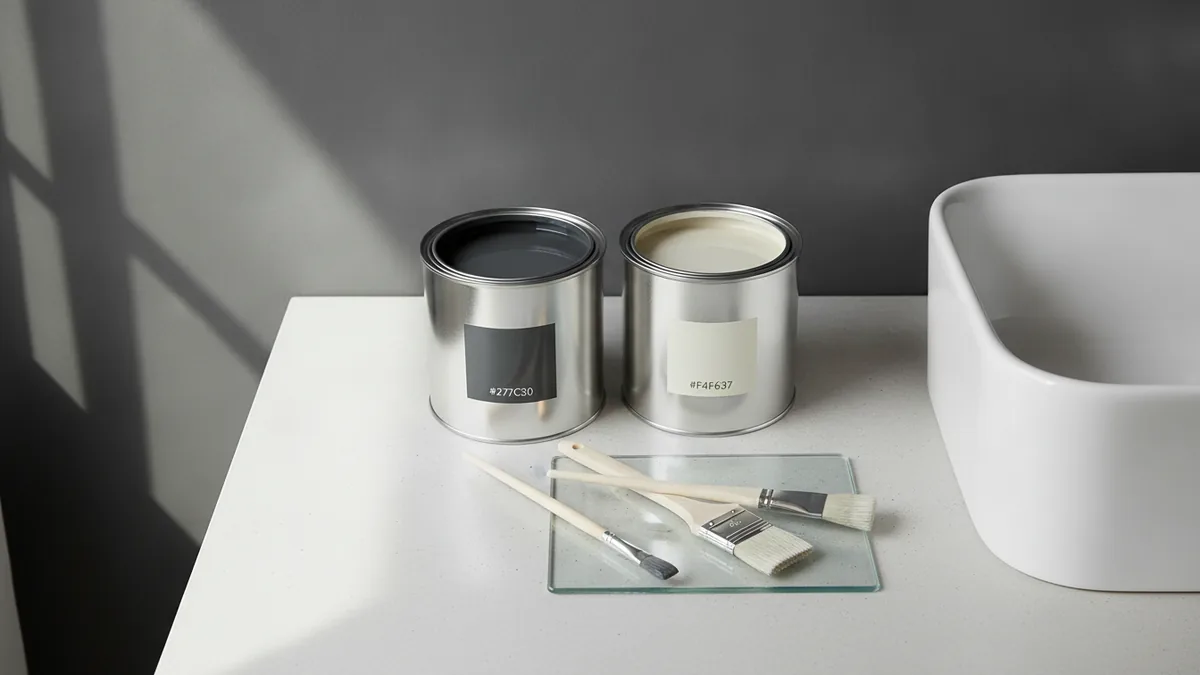
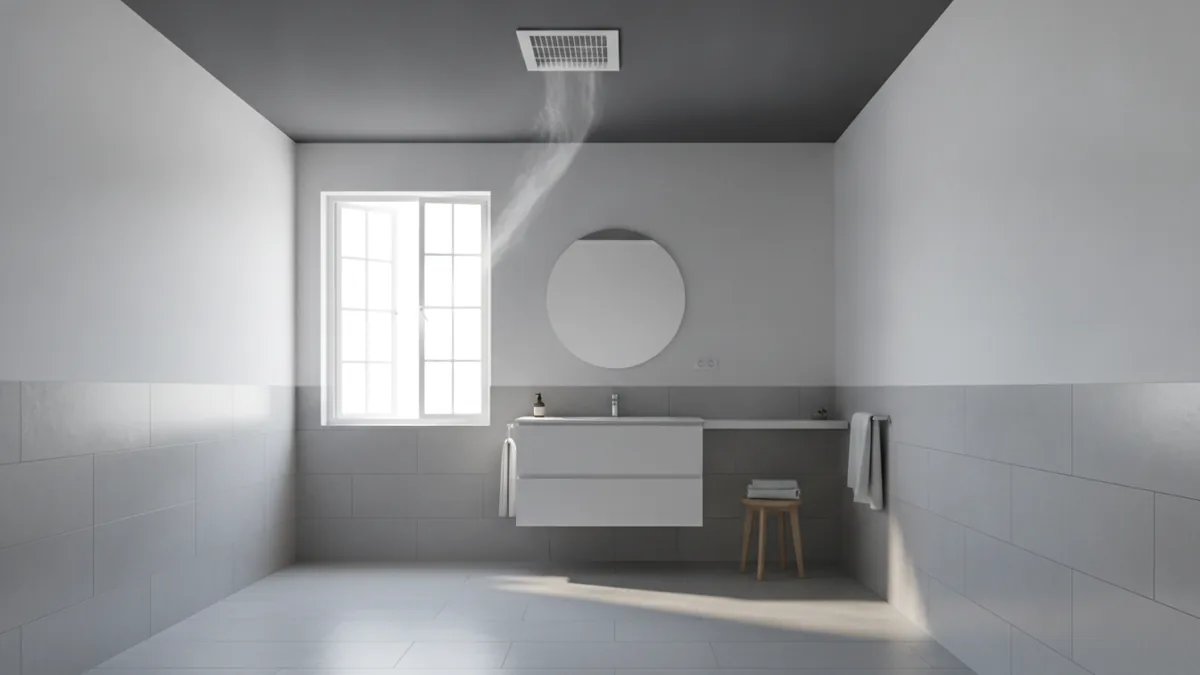
Ventilation helps both drying times for paint and the longer process of paint curing. An exhaust fan pulls moist air out and replaces it with drier air. Opening a window can also reduce indoor humidity. Together, they limit the moisture that can slow curing.
Humidity effects on paint are easy to underestimate in bathrooms. Fresh paint is most vulnerable while it still releases water or solvents. When humidity stays high, those products can remain trapped. That can lead to a weak film that stains, blisters, or peels later.
During the wait period, run the fan for long stretches. Turn it on after coats are dry and keep it running until the room feels less damp. If your bathroom has a timer switch, use it to keep airflow steady. Then keep ventilation high during your first shower too.
- Use the exhaust fan before, during, and after showering
- Open windows or doors when possible
- Avoid running the shower on high heat immediately after painting
- Keep towels off freshly painted surfaces
Tips for showering after painting (without damaging the finish)
Plan your first shower like a test. Use lukewarm water rather than a full hot blast. Shorten the shower duration. The goal is to limit steam and reduce how long water vapor stays in contact with wet curing paint.
Protect key areas where water hits most. Keep the shower spray on the tile and away from freshly painted walls. If you have a hand-held sprayer, angle it down. Also avoid wiping painted surfaces immediately after your shower; let airflow dry them.
If you can’t wait 48 hours, reduce the risk. You can do a short “warm rinse” shower instead of a long steamy one. Then keep the bathroom ventilated for a longer period. This helps the room return to normal humidity without keeping steam trapped on the paint film.
- Wait for the minimum time based on your paint type.
- Before showering, run the exhaust fan until the room feels drier.
- Keep water warm, not hot, and reduce total shower time.
- After showering, run the fan again and keep the door open.
Signs paint is ready for water exposure
You can’t rely only on “dry-to-touch” when deciding how long after painting a bathroom can you shower. Surface dryness can happen fast. Paint readiness for water comes from both feel and performance. The best checks look at tackiness, odor, and water resistance.
Start with touch. The paint should feel dry, not tacky, when you gently press an inconspicuous spot. Next, check for soft spots around edges and corners. These areas often stay damp longer because airflow differs.
Do a small spot test for exposure to water. Paint a small test patch if possible, or test a hidden area. Use a clean damp cloth and watch what happens after a few minutes. If the paint smears, dulls, or shows color transfer, wait longer.
- No tack when lightly touched with a clean finger
- No visible softening near edges
- No color transfer after a damp cloth spot test
- Bathroom humidity drops quickly after showering
If you see blistering, peeling, or bubbling after the first steam exposure, that’s a sign the film wasn’t ready. In that case, let the paint cure longer before further showers. Then improve ventilation and shorten future hot showers.
Quick takeaway: If you used latex paint, plan for 24 hours minimum and 48 hours when you can. If you used oil-based paint, plan for 48 to 72 hours. For any painted ceiling, treat it as the limiting surface and be cautious with steam.
Frequently asked questions
- How long after painting a bathroom can you shower with latex paint?
- Wait at least 24 hours. For best results, plan for 48 hours, especially if you’ll use hot water.
- How long after painting bathroom can i shower if the surface feels dry?
- Dry-to-touch doesn’t mean fully cured. You should still follow the wait times for your paint type to avoid softening the film.
- How long after painting a bathroom ceiling can you shower?
- Use the ceiling as the limiting surface. If the ceiling is cooler or slower to dry, follow the longer end of the recommended wait and keep steam low.
- Can I shower sooner if I keep the bathroom dry?
- You can lower the risk by using lukewarm water and short showers. Still, use ventilation and don’t skip the minimum wait for your paint type.
- What happens if I shower too soon after painting?
- Steam and water can interfere with paint curing. That can lead to blistering, peeling, or tacky spots that stain or smear later.
- How do I test if paint is ready for water exposure?
- Do a spot test on a small hidden area. Dab with a clean damp cloth and check for smearing or color transfer.
Related reading
Dining Table Clearance — Space for Chairs and Walkways
Plan table and chair clearances for a dining area that feels comfortable.
Narrow Rooms — Paint, Light and Space
Use paint, light and smart furniture placement to open up a narrow room.
Room Painting Costs — What Shapes Your Quote
Room painting often costs $200–$1,000. See what drives the price and how to compare quotes.