How Soon Can You Shower in a Freshly Painted Bathroom?
Find out how soon you can shower after painting, plus cure times and moisture tips.
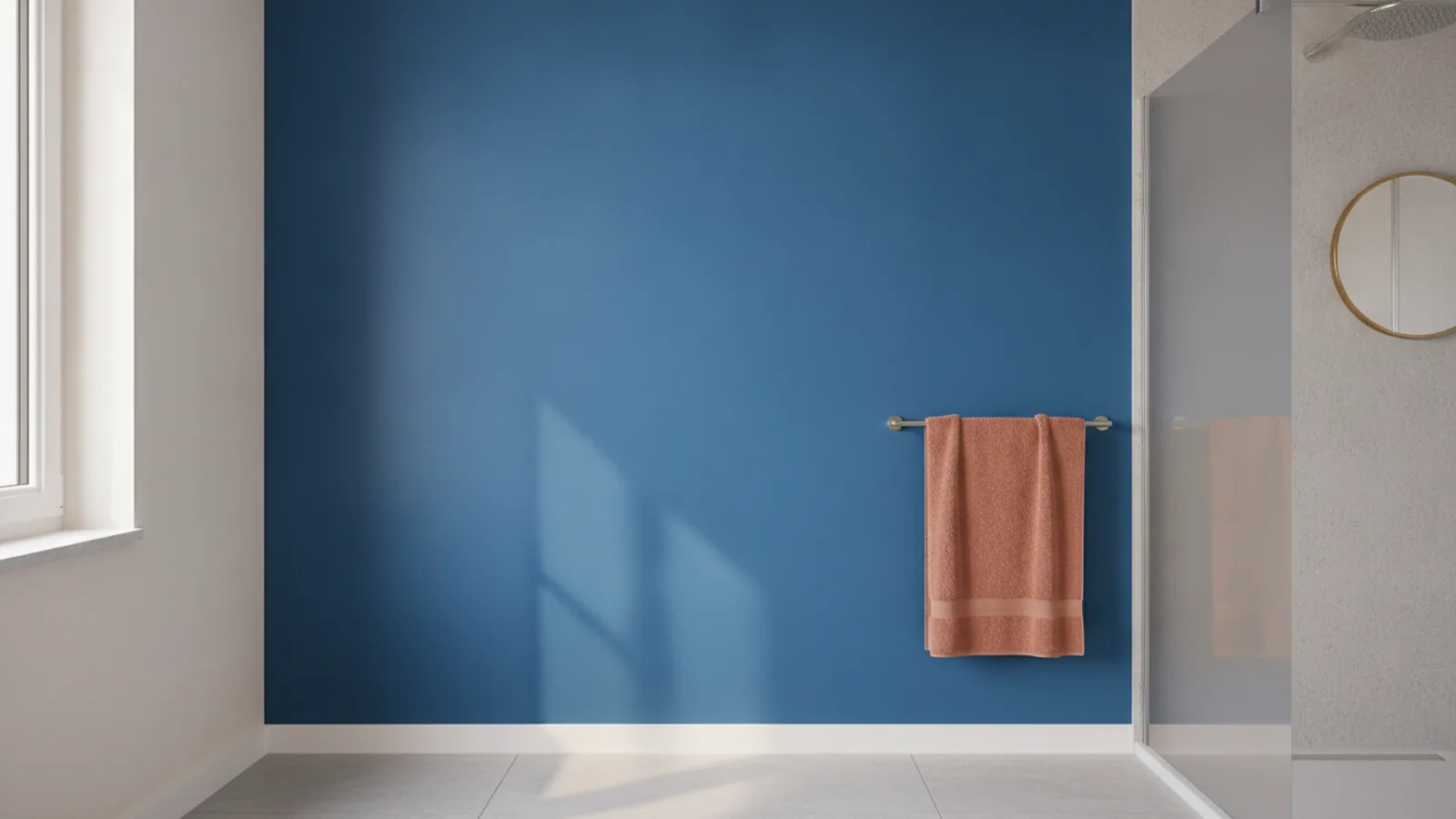
Can you shower in a freshly painted bathroom?
Yes, you can shower in a freshly painted bathroom, but timing matters. The safer answer is to wait for the paint to cure, not just dry to the touch. Latex paint often feels dry in 1 to 2 hours, yet it usually needs 24 to 48 hours before water exposure. For oil-based paint, plan on 48 to 72 hours to avoid softening, streaking, or surface damage.
“How soon to shower after painting bathroom” depends on the paint type and room conditions. Humidity can slow the paint curing process, while good ventilation can speed it up. If you must shower sooner, use short, cooler showers and keep steam off the walls as much as possible. Your goal is to reduce moisture contact with the fresh coating until it fully hardens.
If you ignore the drying window, you can end up with blistering, peeling, or a dull finish. Those problems may not show up until days later, when water and steam keep hitting the surface. Treat the first 2 to 3 days as the “moisture test” period for your new coating.
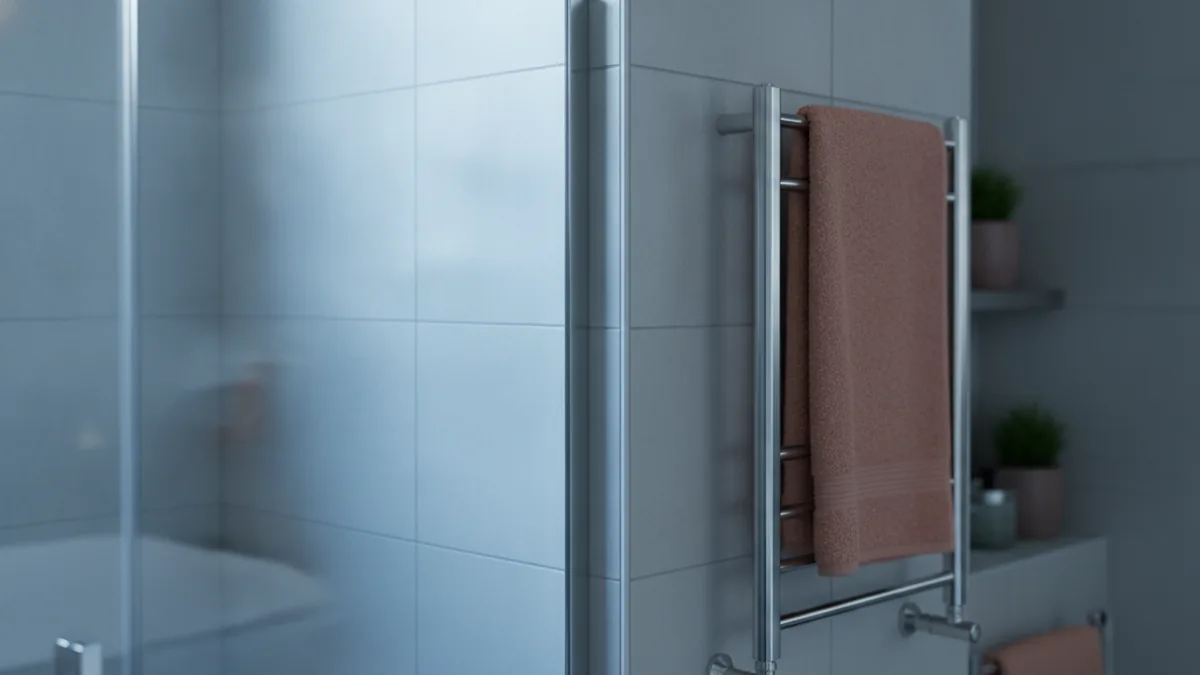
Understanding paint types used in bathrooms
Most bathrooms use latex paint, especially for walls and ceilings. Latex paint dries to the touch quickly, often within 1 to 2 hours. That fast dry time is why many people feel ready the same day. But “dry” does not mean fully cured.
Latex paint curing times for bathrooms are typically 24 to 48 hours for full resistance to moisture. During curing, the film is still forming and remains more vulnerable to steam, water, and scrubbing. Fresh latex is also more likely to mark if the surface is wiped too soon with a damp cloth.
Oil-based paint is slower. It generally takes longer to dry and cure, so waiting 48 to 72 hours is advisable before showering. Oil-based coatings often resist stains well, but they can trap solvents longer. That means early humidity exposure can interfere with the final hardness.
To choose a plan for showering after painting, check the product label for both dry time and cure time. If the label is vague, use the more conservative window for your paint type. That approach reduces the risk of long-term finish issues.
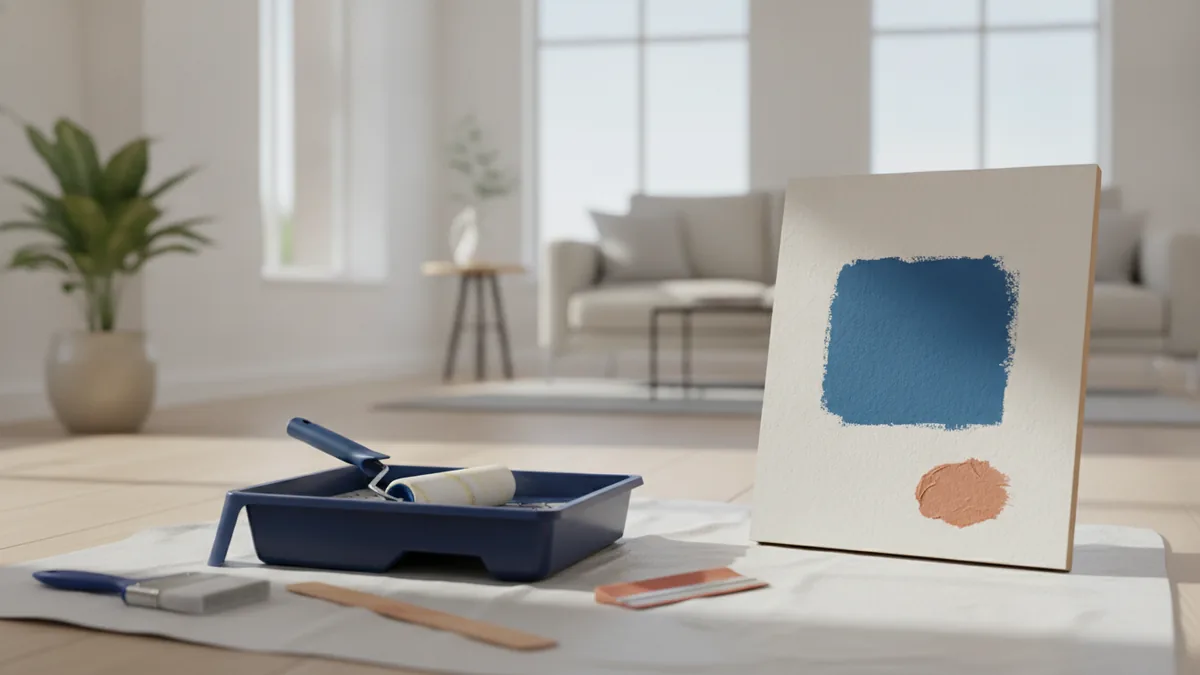
Curing times for different paints
Paint curing is the step where the coating hardens after application. Dry time is when the surface no longer feels wet. Cure time is when the film reaches higher chemical and water resistance. Showering after painting exposes walls to repeated humidity and occasional water splashes, so cure matters more than touch-dry.
Here are common, practical ranges you can use when planning your bathroom schedule. These are typical values, but your specific product and local conditions can shift them.
| Paint type | Feels dry to touch | Best time to shower |
|---|---|---|
| Latex (water-based) | 1 to 2 hours | 24 to 48 hours |
| Oil-based | Longer than latex | 48 to 72 hours |
For “how soon to shower after painting bathroom,” aim for the right column, not the dry-to-touch moment. If your bathroom is small and steam builds up, lean toward the higher end. If you’re painting only an accent area far from the shower spray, you may have slightly more flexibility. Still, steam can travel, so assume full-room exposure.
If you start showering early, watch for warning signs. Water streaks on walls can appear if the surface is still soft. The finish may also look slightly uneven under bright light. In those cases, avoid wiping right away and wait until fully cured.
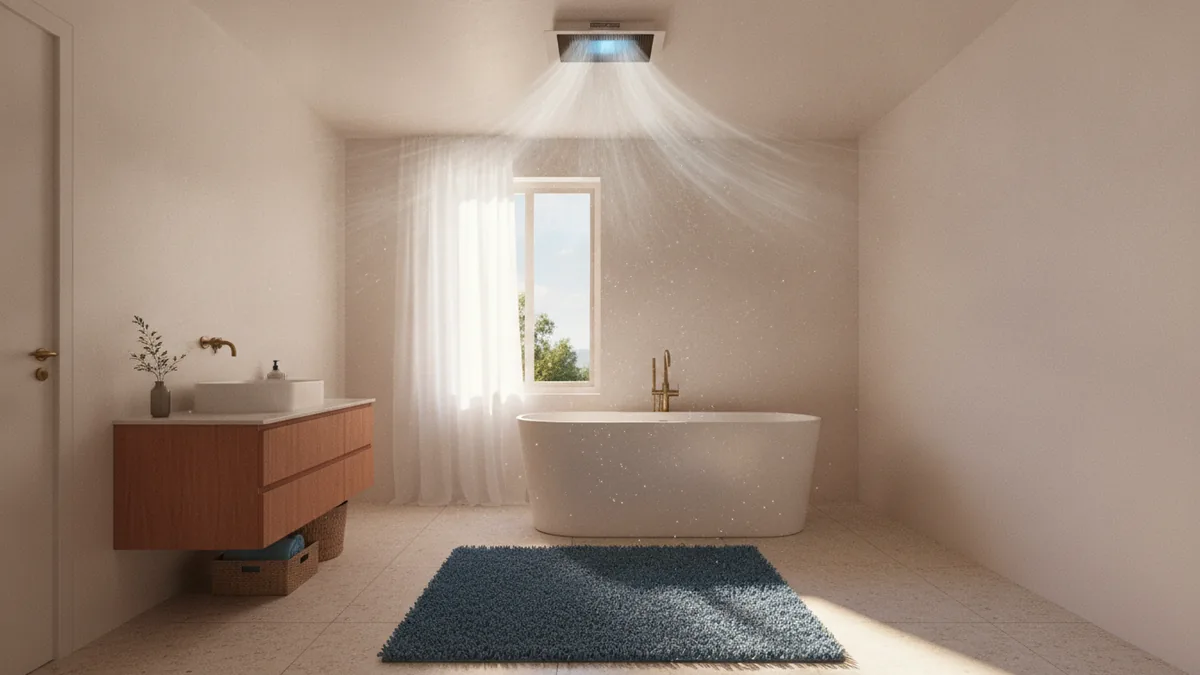
Impact of humidity and ventilation
Humidity changes how fast paint cures. Higher humidity keeps moisture in the air and can slow solvent or water evaporation from the film. That means your painted bathroom may need extra waiting before it can handle steam. If you paint during humid weather or without a dehumidifier, expect longer cure times.
Ventilation helps. When air moves, moisture and fumes clear from the room. This can speed up drying and help the paint curing process reach its target hardness sooner. Use exhaust fans and open windows when possible, especially during the first 24 hours.
Think of it like this: ventilation lowers the time spent in “steamy air” while the film is forming. It also reduces the chance of condensation. Condensation can leave droplets that later look like spots or streaks, even if the paint survives.
For mold prevention, keep airflow moving after painting too. Fresh coatings can resist mildew better than bare drywall, but mold can still take hold in damp corners. If you see dampness returning quickly, increase fan time during and after showers. A consistent dry-out cycle helps prevent mold in bathrooms.
- Run the exhaust fan during showers and for 20 to 30 minutes after.
- Open a window when weather allows, even briefly.
- If humidity stays high, use a dehumidifier in the first days.
- Avoid painting in the middle of a humid stretch if you can reschedule.
Best practices for showering after painting
If your schedule forces showering before full cure, you can reduce risk. The main strategy is to reduce steam exposure and mechanical stress. Plan for cooler, shorter showers. Steam rises and contacts walls and ceilings, so shorter sessions help keep the surface drier.
Lower temperature also helps. Cold-to-lukewarm showers create less vapor pressure, which reduces condensation potential. Even with good ventilation, steam is still steam, so your shower plan is about minimizing how much fresh coating gets hit.
Protect the walls from direct spray when possible. Keep water from blasting the areas closest to the showerhead. If you have a handheld sprayer, angle it away from freshly painted sections. These small choices can matter when you’re trying to bridge the waiting period.
- Wait at least until the paint cures to the recommended window for your paint type.
- Use the exhaust fan before you step in and keep it on afterward.
- Keep showers cooler and shorter to limit steam time.
- Avoid scrubbing or wiping walls during the first days.
- If you notice water beading or streaking, stop early and let cure finish.
After your first “early shower,” inspect the finish under bright light. Look for dull areas, uneven sheen, or faint streaks. If everything looks normal, you’re probably safe to continue once the cure time fully passes. If not, treat it as a sign to let the paint harden longer before you do any cleaning.
Maintaining painted bathroom walls after they’re cured
Once the paint reaches full cure, maintenance becomes much easier. Still, bathrooms create constant moisture exposure, so cleaning needs care. When you clean painted walls, use gentle methods and avoid harsh scrubbing. A soft sponge and mild cleaner help you remove residue without damaging the sheen.
It helps to know the difference between everyday marks and moisture problems. Water streaks on walls can happen from condensation that dries on the surface. Mold growth is different. Mold typically looks fuzzy or spots in damp areas, and it can spread if moisture remains.
If you’re dealing with mold, act quickly but follow a safe process. A common approach is cleaning first, then drying thoroughly. The cleaning step is key because mold can leave residue that dulls paint.
- For routine cleaning, wipe with a damp cloth, then dry with a towel.
- For water marks, gently rinse and dry instead of scrubbing hard.
- For mold, remove the growth and restore airflow to stop recurrence.
- Avoid heavy bleach exposure unless your paint system and finish allow it.
If you plan to clean painted bathroom walls soon after painting, wait until cure is complete. Early cleaning can pull up fresh paint or create shiny patches where you wiped. For “should i insulate interior bathroom walls,” it can also matter indirectly by affecting condensation. Better insulation can reduce temperature swings that create damp surfaces.
Finally, keep the room’s moisture routine consistent. Run exhaust fans every time someone showers, and keep bathroom maintenance habits steady. That reduces the odds that you’ll return to fresh paint sooner than expected.
FAQ: showering and cleaning a freshly painted bathroom
How soon can you shower after painting a bathroom?
Wait based on paint curing time, not just touch-dry feel. Latex paint usually needs 24 to 48 hours before water and steam exposure. Oil-based paint usually needs 48 to 72 hours.
Can you shower in a freshly painted bathroom if it feels dry?
It may still be too early if the paint has not fully cured. Touch-dry often happens in 1 to 2 hours for latex, but cure usually takes longer. Early steam can soften the surface and cause dullness or streaking.
How does humidity affect the paint curing process?
Higher humidity slows curing by keeping moisture in the air. That can extend the time you should wait before showering. It also raises the risk of condensation marks while the paint film is still forming.
What ventilation helps after painting?
Use exhaust fans and open windows when possible. Airflow helps moisture leave the room and supports faster curing. Keep the fan running during and after showers for best results.
How to remove water streaks from painted bathroom walls?
First, rinse gently and dry the surface. Avoid aggressive scrubbing until the paint is fully cured. If streaks persist, use a mild cleaner and repeat gentle wiping.
How to clean mold off painted bathroom walls?
Remove visible mold with an appropriate cleaner, then dry the area fully. Improve ventilation to prevent mold return. If the mold has spread behind layers, you may need professional help.
Frequently asked questions
- can you shower in a freshly painted bathroom the same day
- Usually not safely. Latex may feel dry quickly, but it typically needs 24 to 48 hours to cure before steam and water exposure.
- how soon to shower after painting bathroom latex
- A common safe target is 24 to 48 hours after application. If the room stays humid, lean toward the longer end.
- how soon to shower after painting bathroom oil-based paint
- Plan for 48 to 72 hours before showering. Oil-based coatings often need more time to fully harden.
- does showering early cause peeling or blistering
- It can. If the paint is not cured, steam can soften the film and lead to blistering, peeling, or dull finish spots later.
- how to remove mold from painted bathroom walls
- Clean visible mold, then improve airflow so the area dries well after showers. Keep checking damp corners, since mold returns when moisture stays high.
- how to clean painted bathroom walls without damaging the finish
- Use gentle wiping with a soft cloth and mild cleaner. Avoid heavy scrubbing until the paint has fully cured.
Related reading
Couch Placement — Comfort, Flow, and Style
Arrange couches for easy movement, good conversation, and a balanced room.
Small Kitchen Design — Light, Space and Smart Storage
Use light, smart storage, and slim furnishings to make a small kitchen feel more open.
Living Room Paint — Measurements and Buying Tips
Measure your walls, count coats, and buy the right amount of living room paint.