Do You Need a Dining Room? Necessity, Benefits, and Design Tips
Wondering “do I need a dining room”? Get benefits, smart alternatives, and design tips.
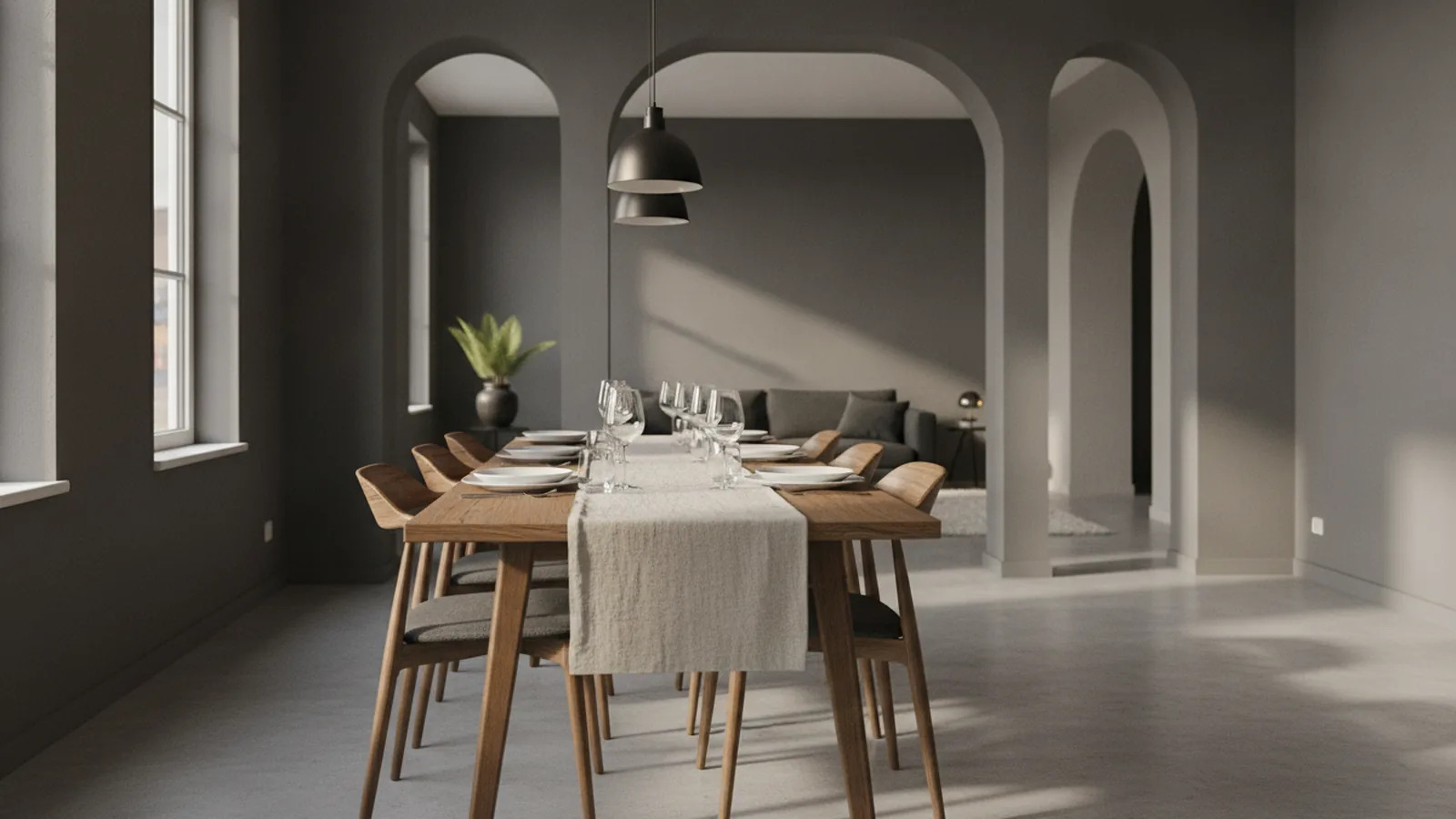
Do you really need a dining room?
If you ask do i need a dining room, the fast answer is this. You need one only if you want a dedicated place for meals that works for daily life and hosting. For some homes, that setup improves flow and reduces “where do we eat?” friction. For others, a flexible plan does more good than a fixed room.
A dining room’s primary function is simple. It gives you a clear, repeatable location for shared meals. That sounds basic, but it changes how families schedule dinner and how guests experience your home. It also supports more than eating. Many people use the space for homework, game nights, and holiday gatherings.
One quick test helps decide your dining room necessity. Look at where you eat now. If it is a corner of a kitchen, a couch, or a hallway table, you are improvising. If you already have a space that consistently holds meals and allows movement around the table, you may not need a full dining room.
In open floor plans, the question becomes privacy versus flexibility. A dining room can create a visual boundary for dining, even when it is open to the living area. Without it, dining space may feel temporary or blend into everyday clutter. The best choice matches how you live, not a trend.
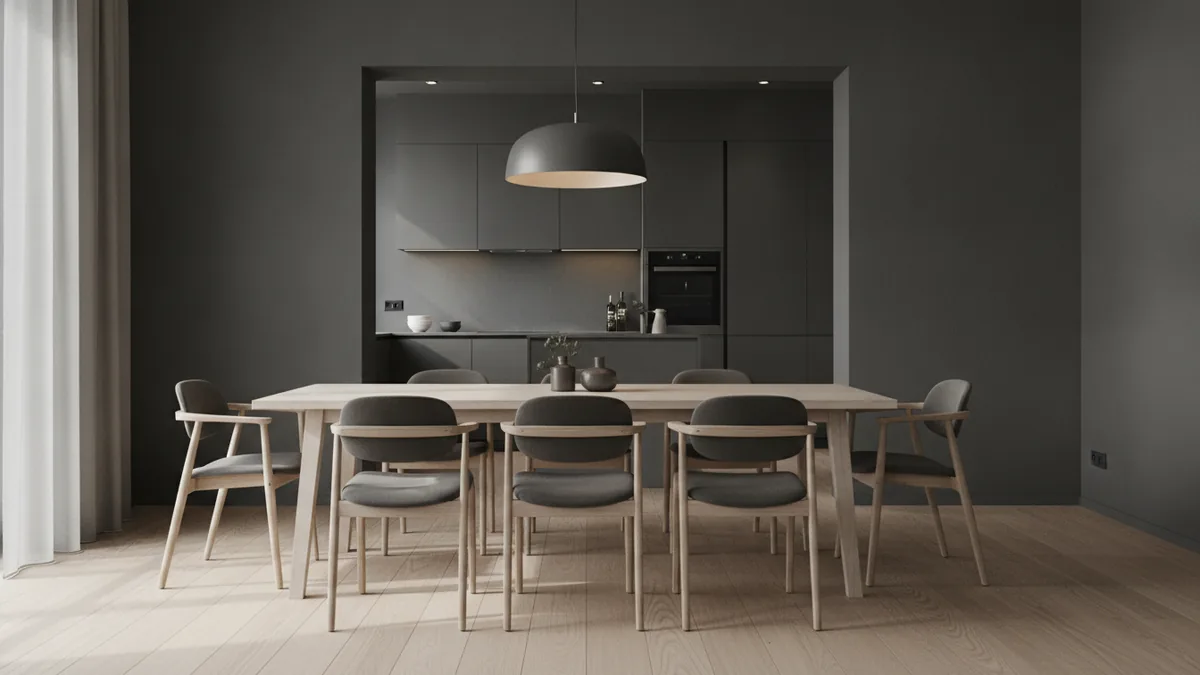
Why a dedicated dining space can be worth it
Dining room benefits start with comfort and routine. A dedicated area makes it easier to set the table, store serving items, and keep dishes near at hand. That reduces trips during dinner and keeps you from clearing a living room every night. It also gives everyone a predictable place to gather.
Dedicated dining supports family life in a practical way. Kids can do a quick activity between courses, and adults can talk without shouting over TV sound. Guests also experience a “hosted” feeling when the meal happens at a table set for the moment. This is the difference between eating and dining.
Hosting becomes simpler when your table has a clear role. You can leave place settings ready on busy weekends, then pack them away when you are done. You can also create a smoother service path for drinks, plates, and dessert. That flow matters when you host more than a few people.
Here is a concrete example. If you host six to ten guests twice a month, you benefit from a table sized for that group. You also benefit from chairs that pull out easily without blocking a walkway. Even if you only use the space four nights a week, it still earns its keep during events.
- Better family meals: fewer distractions and less “move stuff first.”
- More confident hosting: seating and serving feel planned.
- Clear furniture arrangement: dining space stays tidy and functional.
- Stronger ambiance: you can dial in lighting for the meal mood.
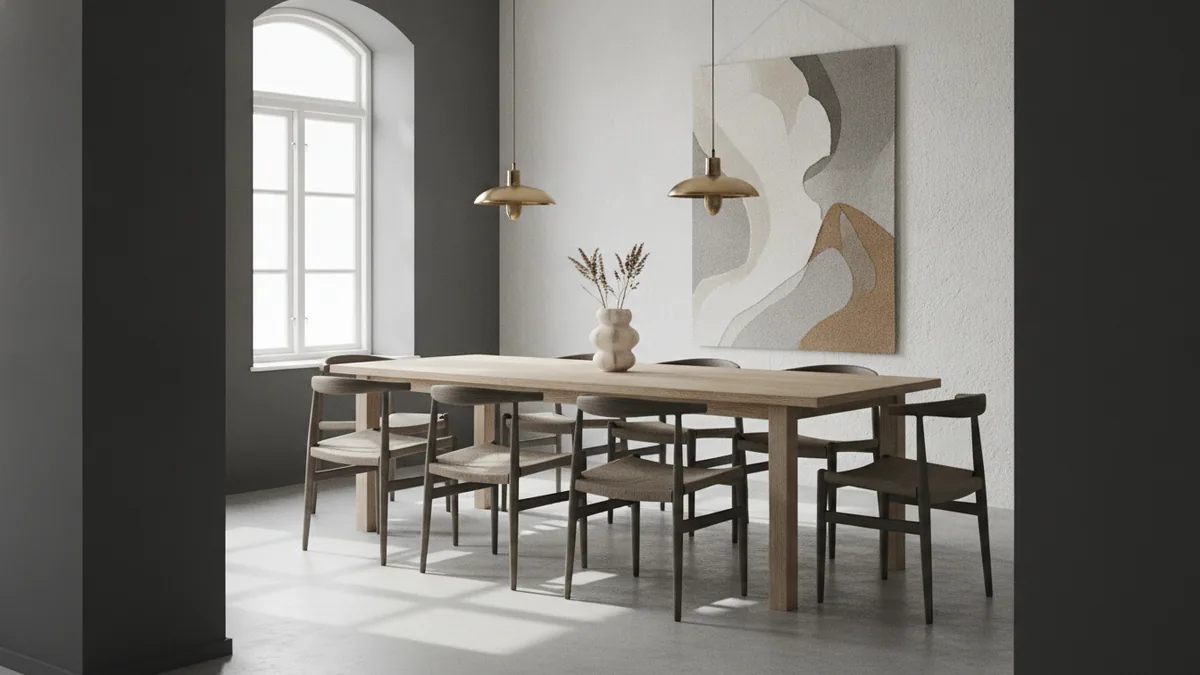
Alternatives to a traditional dining room
If you are weighing alternatives to dining room, you are not “giving up.” You are choosing a space type that matches your needs and your home’s layout. The best alternative still prioritizes comfort at the table and clear circulation for people walking through.
A dining nook is the most common substitute. It usually sits near the kitchen and uses a corner or bay window. Because it is smaller, it can fit homes where a full room would feel tight. It also supports a relaxed dining rhythm for weeknights.
Open-plan layouts can work well too. Instead of a separate room, you can zone the dining area using a different flooring finish, a rug, and focused lighting. This keeps the home airy while still giving the dining area its own feel. It also helps in homes where you want sightlines across rooms.
Another option is multi-functional spaces. You can use a flexible table with storage and a layout that changes between dining and other uses. For example, a drop-leaf or extendable table can stay compact during everyday life, then expand for guests. This supports space optimization without losing the dining ritual.
| Option | Best for | Watch-outs |
|---|---|---|
| Dining nook | Small homes and quick weeknight meals | Limited seating flexibility for large groups |
| Open-plan dining zone | Homes that value open floor plans | Dining can blend in without clear lighting and rug |
| Multi-functional dining area | Busy households with many activities | Choose furniture that can handle daily setups |
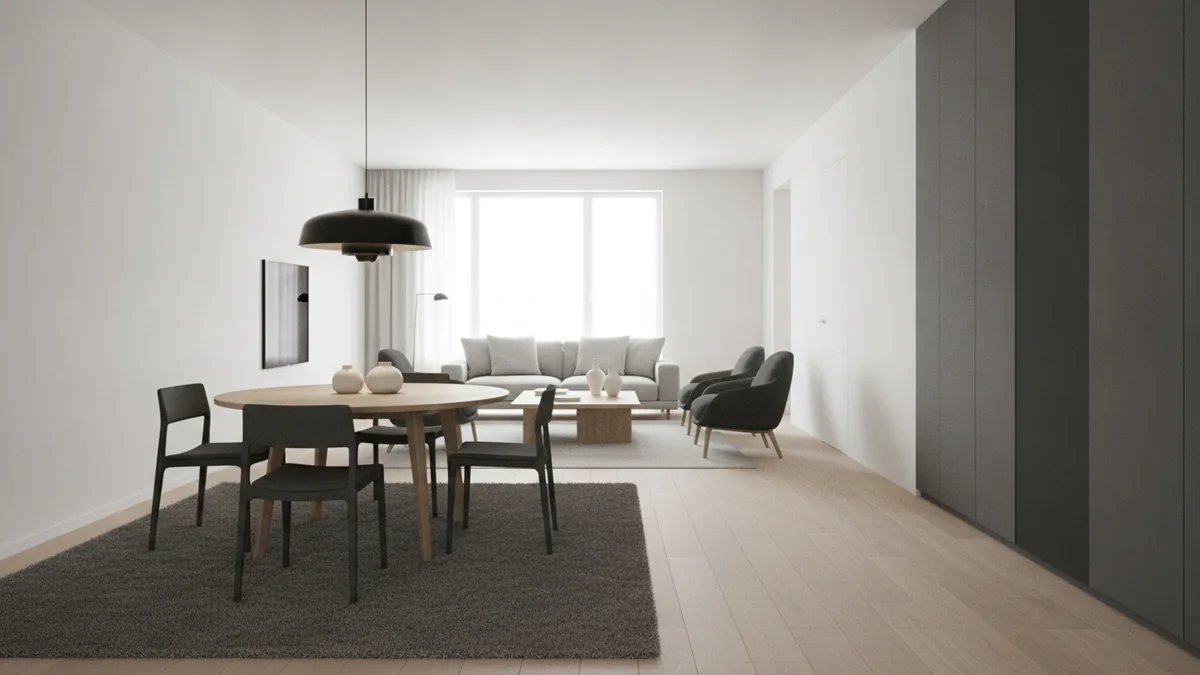
Key dining room design considerations
When you plan dining room design considerations, start with size and layout. A dining space must support the table and allow people to move comfortably. If chairs scrape into walkways, you will avoid using the space. That defeats the whole purpose.
Think about circulation first. Aim for clear paths around the table, especially near doors and hallways. As a starting point, plan for about 36 inches of clearance where chairs slide out. If your room is smaller, use fewer chairs and consider benches with less pull-out space.
Next, decide on the table shape. Rectangles are great for long rooms and formal hosting. Squares work well in compact spaces where you want a symmetrical feel. Round tables encourage conversation and reduce sharp edges in family spaces.
Style should follow your home’s rhythm. If your living room is casual, a dining room that feels too formal can create mismatch. However, you can still add texture and contrast. That is how decor and styling feel cohesive without copying the rest of the house.
- Size: measure your wall-to-wall dimensions before buying anything.
- Layout: place the table to keep walkways clear.
- Style: match the home’s tone, then add dining-specific touches.
- Flexibility: plan for everyday dinners and occasional guests.
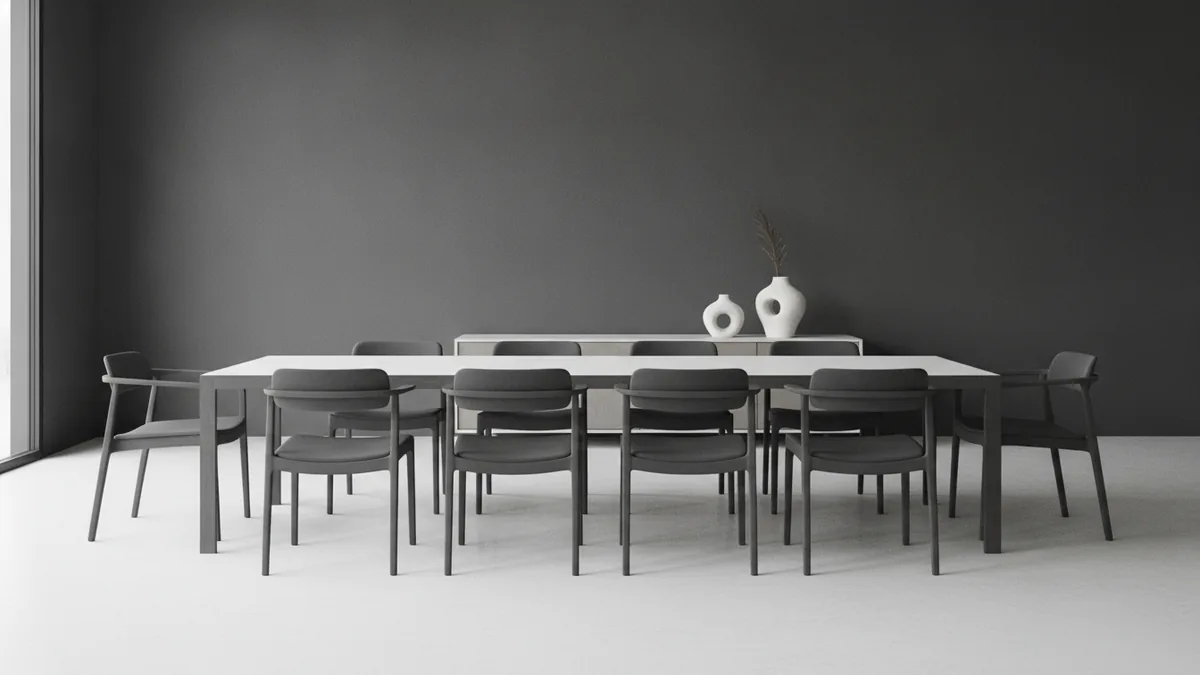
Choosing dining furniture for real use
Dining furniture defines functionality, not just appearance. The table and chairs are the core. Everything else should support them: sideboards, storage, and serving stations. If the base seating is uncomfortable or poorly sized, decor will not save the experience.
Start with seat count, then seat comfort. A common target is about 24 inches of width per person at the table. This gives room for plates and comfortable elbow space. If you plan to seat eight often, size the tabletop for that routine, not just the maximum.
Now check chair fit. Chairs should slide in and out without hitting walls or other furniture. Upholstery can add comfort, especially for longer dinners. But keep it easy to clean for everyday life.
For storage and hosting, consider a sideboard or buffet. It is a practical staging area for serving platters, linens, and extra dinnerware. In multi-functional homes, it can also hide items you only need on dining nights. This helps keep the dining area looking ready without constant setup.
If you use a bench, confirm legroom with the table height and chair arrangement. Benches can work beautifully along one side of the table. They can also help with space optimization in narrow dining rooms.
| Piece | What it solves | Practical tip |
|---|---|---|
| Dining table | Sets the meal experience | Choose length for your usual group size |
| Chairs | Comfort and movement | Test clearance with chairs pulled out |
| Sideboard | Serving and storage | Place it where serving paths are shortest |
| Dining accessories | Finishing touches | Pick items that match your lighting tone |
Dining room lighting and rugs: scale the ambiance
Lighting is where dining rooms become special. For many homes, a chandelier becomes the anchor, because it signals where the meal happens. But scale matters. If the chandelier is too small, the room can look unfinished. If it is too large, it can overwhelm the table and block sightlines.
To choose what size chandelier do i need for dining room, use a simple proportion method. Add the room’s length and width in feet, then convert to inches for chandelier diameter. For example, a 12 by 14 foot room gives 26. A chandelier around 26 inches wide is a solid starting point.
Also plan the hanging height. The bottom of the chandelier should land about 30 to 36 inches above the tabletop for most dining setups. If you have a pendant with adjustable stems, set height after your table and centerpiece height are final. This prevents the light from feeling harsh or the fixture from hitting tall guests’ sightlines.
Rugs do two jobs at once. They add warmth and define the dining zone. If your question is what size rug do i need for my dining room, aim for enough coverage so chairs still sit on the rug when pulled out. A common starting point is to choose a rug that is about 24 to 30 inches wider than the table on each side. This helps prevent chairs from slipping off the edge.
When you pick rug material, think about daily wear. Dining spaces see spills and frequent foot traffic. Choose a finish that works with your lifestyle and vacuuming routine. If you stain easily or host often, prioritize practical fibers and easy cleaning.
- Chandelier size: use length plus width for diameter in inches.
- Chandelier height: bottom usually 30–36 inches above the table.
- Rug size: wide enough for chairs pulled out.
- Ambiance and lighting: choose bulbs that match your decor tone.
Making the most of small dining spaces
Small dining rooms can still feel complete. The trick is to design for daily circulation and multi-use nights. Instead of pushing for a large table, choose a setup that expands when needed and stays open when it does not. This approach supports multi-functional spaces without making the room awkward.
Start by using vertical and storage-friendly pieces. A narrow sideboard can provide serving space without eating floor area. Wall-mounted shelves can hold decor and essentials. In dining nooks, consider built-in benches with storage to reduce the furniture footprint.
Then focus on furniture arrangement. Keep chairs limited to what you use most. If you regularly seat four, plan for four comfortably. Add two foldable chairs or stackable options for occasional guests. This keeps your room from turning into a cluttered “extra seating” storage zone.
Finally, use light and color to open the space. A chandelier or pendant can add drama, but choose proportions that match the room. Light colors on walls can help, and a reflective surface on a sideboard can bounce light into the dining area. When dining is the main purpose, a small room can still deliver a strong sense of ambiance.
If you are still unsure, revisit your original do you need a dining room test. Decide whether you want a dedicated meal zone and whether your current setup supports it. If yes, plan a dining room or a dining nook that truly works. If no, commit to a dining zone within open floor plans and make it feel intentional.
Bottom line: choose a dining setup that fits how you live
A dining room is a strong home feature when you want shared meals to feel planned, not improvised. It improves routine, supports hosting, and gives you a place where ambiance and lighting can matter. It can also add real value to your interior design, because the space becomes a focal point for daily life.
But you do not need a full separate room to get the benefits. Alternatives like dining nooks, open-plan dining zones, and multi-functional spaces can cover the same needs. The best dining room design considerations are about circulation, comfort, and scale.
Choose the table, chairs, and lighting first. Then tune rugs and decor and styling to make the dining area feel finished. When everything fits, your dining space becomes the part of the home everyone looks forward to using.
Frequently asked questions
- Do you need a dining room in your home?
- Only if you want a dedicated place for shared meals that works for daily use and guests. Many homes succeed with a dining nook or a zoned open-plan dining area.
- What dining room benefits do people actually notice?
- Better routine for family meals and a more comfortable hosting setup. Clear lighting and a proper table area also reduce clutter during dinner time.
- What size chandelier do I need for a dining room?
- A quick method is to add the room length and width in feet, then use that number as inches for the chandelier diameter. Most chandeliers hang with the bottom about 30 to 36 inches above the table.
- What size rug do I need for my dining room?
- Choose a rug large enough so chairs stay on it when pulled out. A common starting point is about 24 to 30 inches wider than the table on each side.
- What are good alternatives to a traditional dining room?
- Dining nooks, open-plan dining zones, and multi-functional setups can replace a separate room. These options work best when lighting and rugs define the eating area.
- How do I decide on dining room furniture sizes?
- Plan seat count first, then allow about 24 inches of width per person at the table. Also check chair pull-out clearance around doors and walkways.
Related reading
Kitchen Cabinet Tops — Style, Texture and Seasonal Charm
Style cabinet tops with balanced layers, useful texture, and decor that suits your kitchen.
Couch Placement—Flow, Focus and Comfort
Place your couch to frame a focal point, keep paths clear, and make the room feel balanced.
Master Bedroom — Color, Comfort and Personal Style
Build a calm, personal bedroom with smart choices and a budget that works.