How to Add a Pantry to a Small Kitchen Without a Big Remodel
Add pantry storage fast with smart placement, cabinets, and closet shelving.
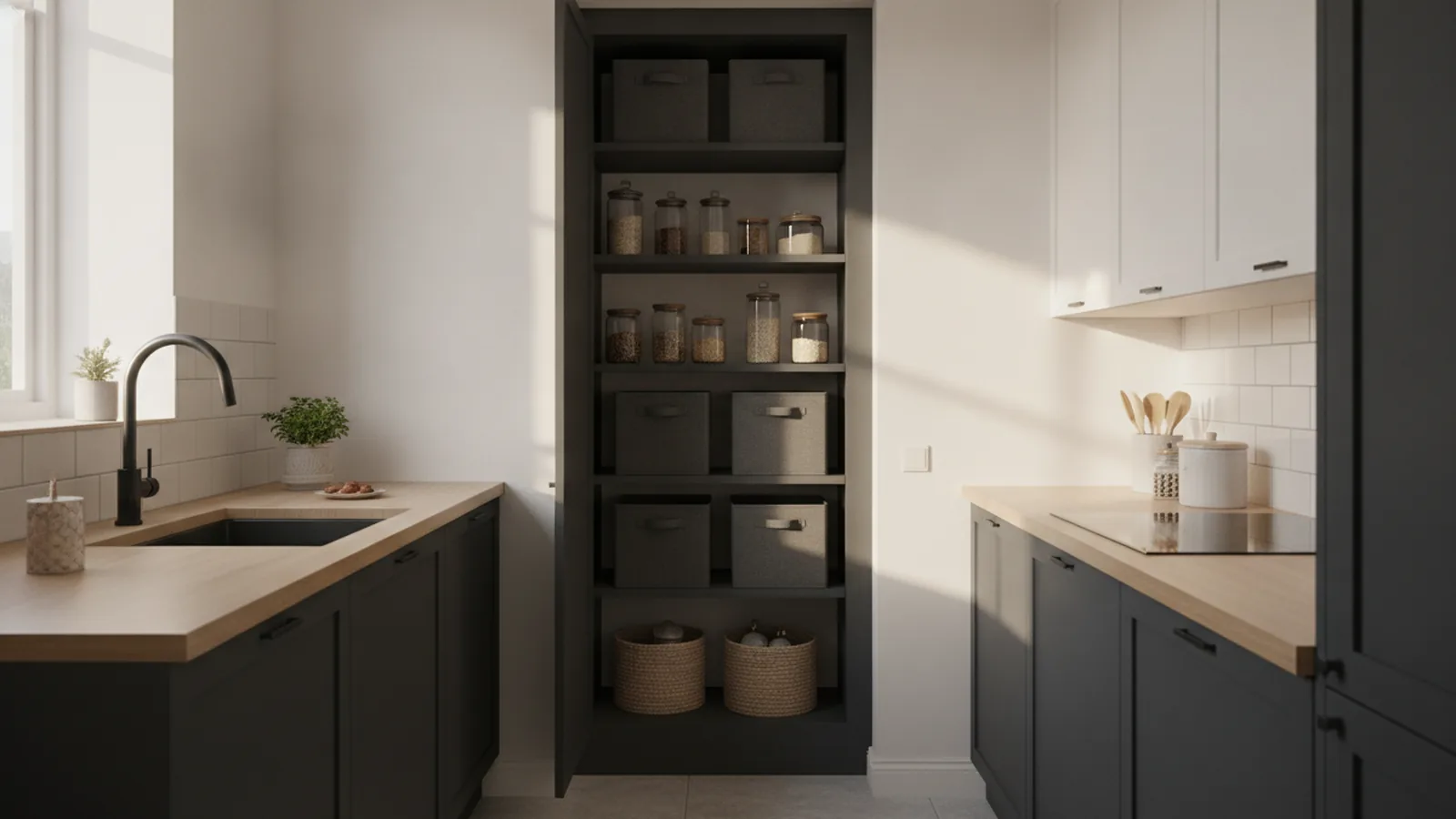
Understanding pantry needs in a small kitchen
If you want to learn how to add a pantry to a small kitchen without remodeling, start with real inventory and clear limits. Most small kitchens fail because the plan is about space, not use. Make a list of what you store today. Then note what you will still need to access weekly.
Next, measure your “friction points.” These are spots where kitchen work feels cramped, like blocked walkways or doors hitting storage. A pantry should reduce trips, not create new ones. For a small kitchen design, aim for a pantry path that stays at least 36 inches wide. That keeps you from squeezing past shelves when loading groceries.
Finally, decide what “pantry” means for your home. Some households want dry goods only. Others need baking supplies, snacks, and backup cookware. Your pantry shelving height and bin sizes depend on those choices. Do this first, then design around it.
- Inventory: write down categories like dry goods, snacks, baking, backups.
- Access: mark what you use weekly versus monthly.
- Constraints: measure door swings, appliance clearance, and walkway width.
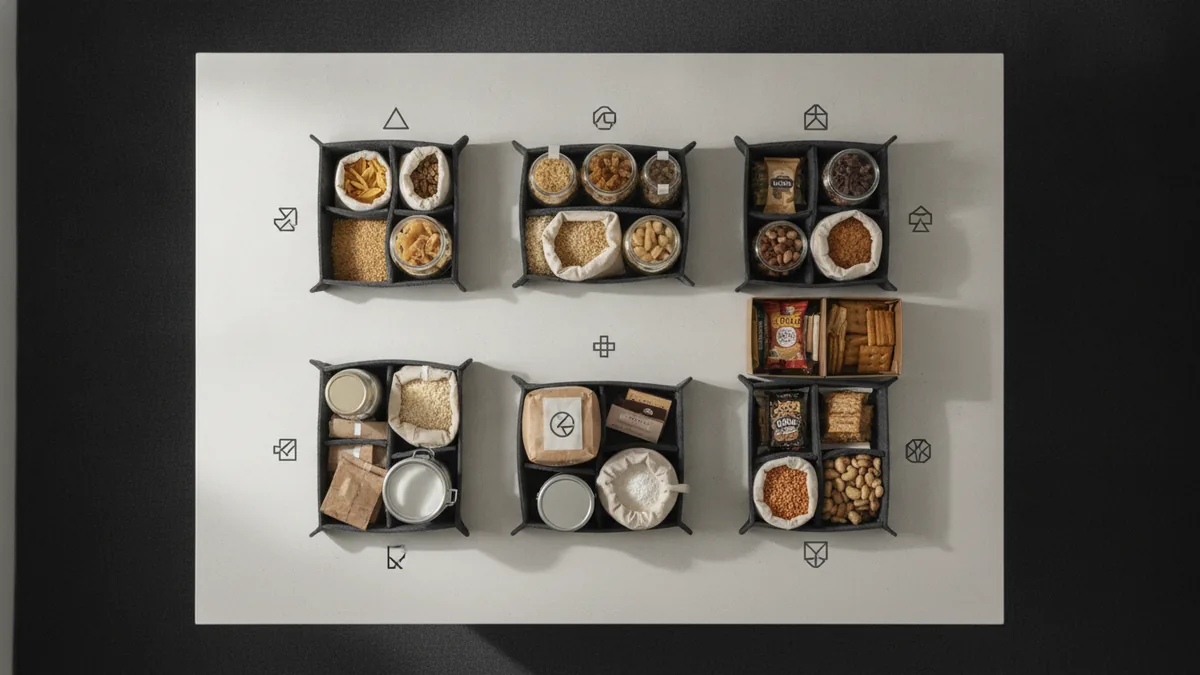
Creative space solutions that avoid major remodeling
How to build a pantry in a small kitchen often comes down to using “dead space” instead of changing walls. Look for places where you already store things but without a true system. Common candidates include the side of the fridge, the end of a counter, or a narrow wall zone near the entry to the kitchen.
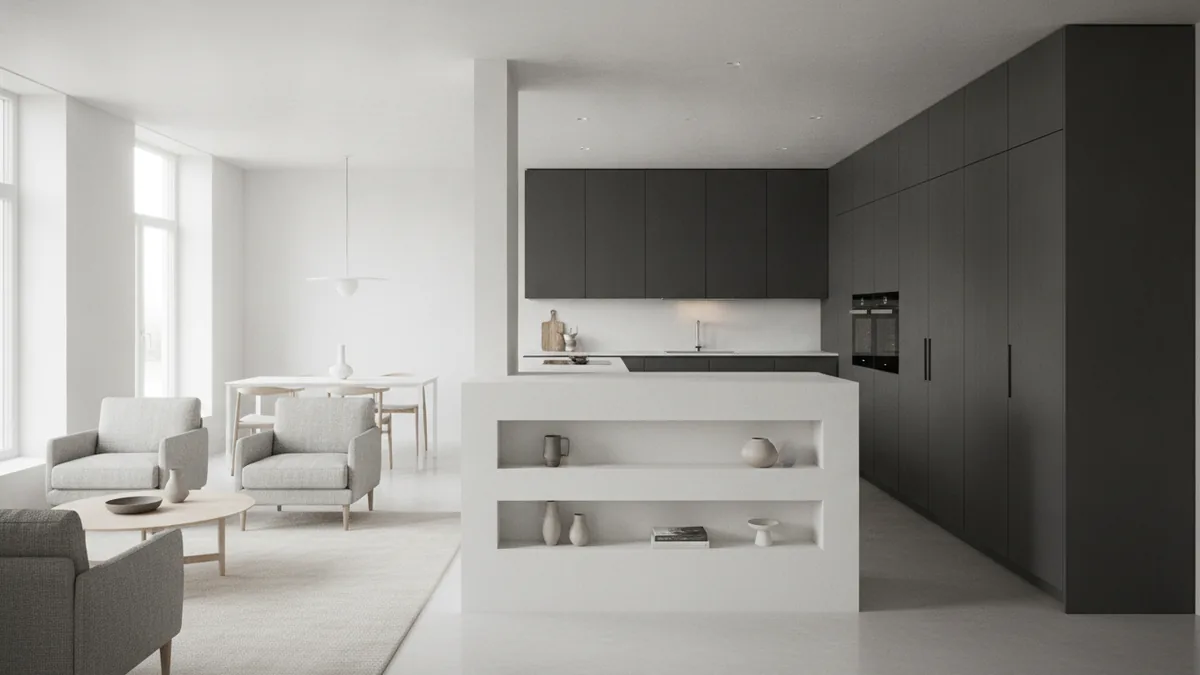
In open concept living, you can still create pantry storage without taking over the room. Half-walls and soffits can hide shelving runs while keeping the space airy. A freestanding cabinet can also work if you want flexibility. It lets you move the unit later if your kitchen layout changes.
When planning placement, match the pantry location to your cooking flow. If your cooking starts with spices and oils, keep those items near your primary prep area. If your routine is meal planning, place dry goods near where you unpack groceries. Where to put a pantry in a small kitchen is less about “best spot” and more about “least steps.”
- Pick the storage target zone: choose one location that reduces trips from the main counter.
- Confirm clearances: check door openings and drawer pull paths.
- Start with the lightest items: bins for snacks and pantry staples are easier to adjust later.
- Plan for airflow: avoid fully enclosed spaces for humid items like opened flour.
Using IKEA cabinets for a customizable pantry
If you want a straightforward path to how to create a pantry in a small kitchen, IKEA kitchen ideas can be a practical starting point. The main benefit is modular design. You can build a pantry that fits an odd nook, a tight corner, or a narrow wall segment. You can also choose doors, open shelving, and drawer add-ons to match your style.
Start by measuring the opening width, height, and depth you can spare. Most cabinetry works best when you keep to standard dimensions. In a small kitchen, a shallow depth can still hold a lot if you use bins and shelf risers. For example, use pull-out baskets for snacks and small jars. Use a top shelf for bulk items that are rarely accessed.
Think about how people actually reach shelves. Keep the most used items between waist and eye level. Save the top for backup items. Avoid storing heavy containers on the highest shelf. This keeps the pantry safe and makes retrieval quick.
- Customize zones: drawers for pouches and packets, shelves for bottles and jars.
- Add shelf risers: double the usable height without changing the footprint.
- Choose doors or open bays: doors hide clutter, open bays speed up grab-and-go.
Turning closets into pantry storage with shelving
One of the best answers to how to make a pantry in a small kitchen is converting an underused closet. Closets often have walls that are already close to the kitchen work area. That means fewer steps and more consistent organization. You can build pantry shelving without touching plumbing or electrical lines in most cases.
Start by clearing the closet fully. Then check the ceiling height and the wall studs behind the drywall. If you plan to install fixed shelves, use the studs for anchors. If you want flexibility, adjustable shelving lets you reconfigure as your needs change.
For pantry shelving, prioritize stability and access. Use shelves for boxed goods and jars. Use wire baskets or pull-out organizers for smaller items. Keep cleaning supplies separate if you store them in the same closet. That separation improves safety and prevents odors from mixing with food.
Finally, treat the closet like a pantry, not a catch-all. Add a labeled bin for snacks and another for baking basics. If you bake often, reserve one shelf for flour, sugar, and baking soda. That reduces clutter on counters and improves meal prep speed.
- Remove old items: start with a blank closet to spot usable wall space.
- Pick your shelf plan: fixed shelves for predictable storage, adjustable shelves for change.
- Use organizers: pull-out baskets for small items and pantry shelving bins for uniform reach.
- Set separation rules: food and non-food items on different zones.
Incorporating vintage furniture for unique pantry solutions
For some homeowners, the most satisfying pantry solution is a piece that already has character. Reclaimed or vintage furniture can become a pantry base, especially when you lack room for full cabinetry. A small sideboard, armoire, or kitchen cabinet can provide shelves and doors for hiding clutter.
Before you commit, evaluate condition and function. Check that shelves are solid and level. Look for water damage or peeling finishes that could affect food safety. If you refinish, use food-safe finishes where appropriate, or add removable liners for shelf surfaces that touch dry goods.
Vintage furniture can also support a “display + storage” approach. Keep frequently used items in open shelves or glass doors. Store bulk supplies in drawers or closed cabinets. This works well in interior design styles that feel cozy, not corporate.
- Choose the right piece: sideboards for drawers, armoires for enclosed shelves.
- Protect shelves: use liners or seal surfaces before storing food.
- Match your flow: place it near your prep area so jars stay within reach.
Maximizing open space with half-walls and freestanding units
Open concept living is a common constraint. You still need storage, but you do not want to block sightlines or traffic. This is where half-walls and freestanding cabinets shine. A half-wall can hide pantry shelving behind a functional surface, like a bar height ledge. It keeps the kitchen open while adding real capacity.
Freestanding cabinets are a simpler build. You can place a narrow cabinet between existing features, as long as you maintain clearances. In many small kitchens, a 12-18 inch deep cabinet can store a surprising amount when you use bins and stackable containers. Space optimization comes from what you put in each slot, not just the cabinet size.
When you use freestanding cabinets, anchor them if they are tall or on uneven floors. This is especially important with households that have kids. Also plan your lighting. A pantry area that is dim will cause “closet dumping” back on countertops.
| Option | Best for | What to watch |
|---|---|---|
| Half-wall shelving | Open spaces that need visual lightness | Keep shelves reachable without leaning |
| Freestanding cabinet | Fast storage without construction | Maintain walkway clearance and stability |
| Corner pantry unit | Narrow areas near appliances | Door swing and jar accessibility |
Organizational tips that make your pantry actually usable
The storage system matters as much as the cabinet. If you want how to create a pantry in a small kitchen that stays tidy, build a layout based on how you shop. Put like items together. Group by category, then by how often you reach for them. This reduces the time you spend searching and the mess that happens during busy weeks.
Use a simple zoning rule. Keep “daily” items at eye and waist height. Put backup items on the top shelf or the least reachable area. Keep bulk and large bags in the lower zone with bins that catch spills. For pantry organization tips, a spill-proof liner under bins is a small upgrade that pays off.
Use containers consistently. Even basic bins help you see stock levels quickly. Labeling is helpful, but only after you commit to a stable container set. If containers change often, labels become inaccurate and people ignore them.
- Zone by use: daily, weekly, and backup shelves.
- Contain smaller items: baskets for packets and snacks.
- Stage your “buy again” list: keep one bin for running low items.
- Set a reset habit: return one category to its spot after cooking.
Once your pantry is functional, it helps your small kitchen design in a real way. Clear counters and a calm workflow make cooking feel easier. The best part is that you can improve the system over time. Start with one zone, then expand storage as you learn what you actually need.
Frequently asked questions
- How to add a pantry to a small kitchen if I have no extra space?
- Start by using dead space, like an end of counter wall zone or the side of an appliance. Add a shallow cabinet with bins to store dry goods without widening your kitchen.
- Where to put a pantry in a small kitchen for less clutter?
- Place it near your prep area so oils, spices, and snacks are fast to grab. Keep it on the path that reduces trips from groceries to cooking.
- How to build a pantry in a small kitchen using IKEA cabinets?
- Measure the niche first, then build modular shelving in zones for daily and backup items. Use drawers or pull-out baskets for small supplies and consistent reach.
- Can I create a pantry in a small kitchen by converting a closet?
- Yes. Install pantry shelving and organizers on the closet walls, then separate food and non-food zones. Adjustable shelves help as your storage needs change.
- Are vintage furniture pantry cabinets a good idea?
- They can be great if the shelving is solid and surfaces are sealed or lined. Use drawers and doors to keep food contained and reduce visual clutter.
- What are the best organization tips for pantry shelving?
- Group items by category, then by how often you use them. Put daily items at eye or waist height, and use bins to prevent small items from scattering.
Related reading
Kitchen Cabinet Tops — Style, Texture and Seasonal Charm
Style cabinet tops with balanced layers, useful texture, and decor that suits your kitchen.
Couch Placement—Flow, Focus and Comfort
Place your couch to frame a focal point, keep paths clear, and make the room feel balanced.
Master Bedroom — Color, Comfort and Personal Style
Build a calm, personal bedroom with smart choices and a budget that works.