Home Decor Styles — How to Spot Yours and Mix Them
Learn the key home decor styles and how to blend them with ease.
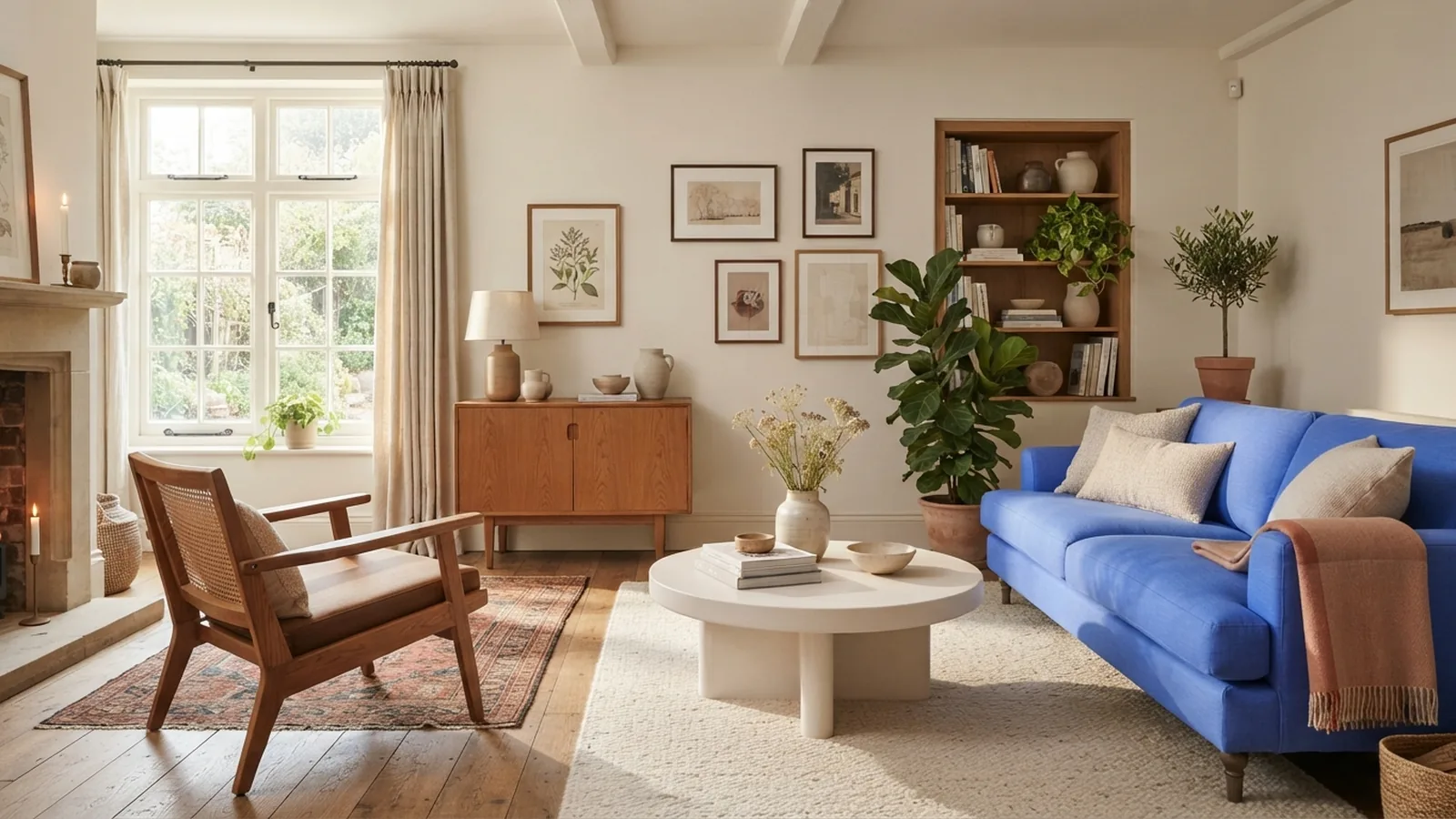
What Home Decor Styles Mean
What are the different decor styles? They are shared design looks that guide choices for furniture, color, materials, lighting, and room layout. A style gives your home a clear visual direction. It also helps you buy fewer pieces that clash.
Home decor styles matter because rooms work best when their parts support one another. A warm wood table can suit several styles. Its finish, shape, and nearby colors change the overall feel. Style is not a strict rulebook. It is a useful starting point.
Think of style as a design language. Modern rooms speak through clean lines and open space. Traditional rooms use detail, rich wood, and classic shapes. Your home can speak more than one language with care.
- Shape: Decide if you prefer sharp lines, soft curves, or ornate details.
- Color: Notice whether you like calm neutrals, deep tones, or bright accents.
- Material: Compare your response to wood, metal, glass, stone, linen, and leather.
- Mood: Choose a feeling, such as calm, lively, refined, or relaxed.
Popular Home Decor Styles to Know
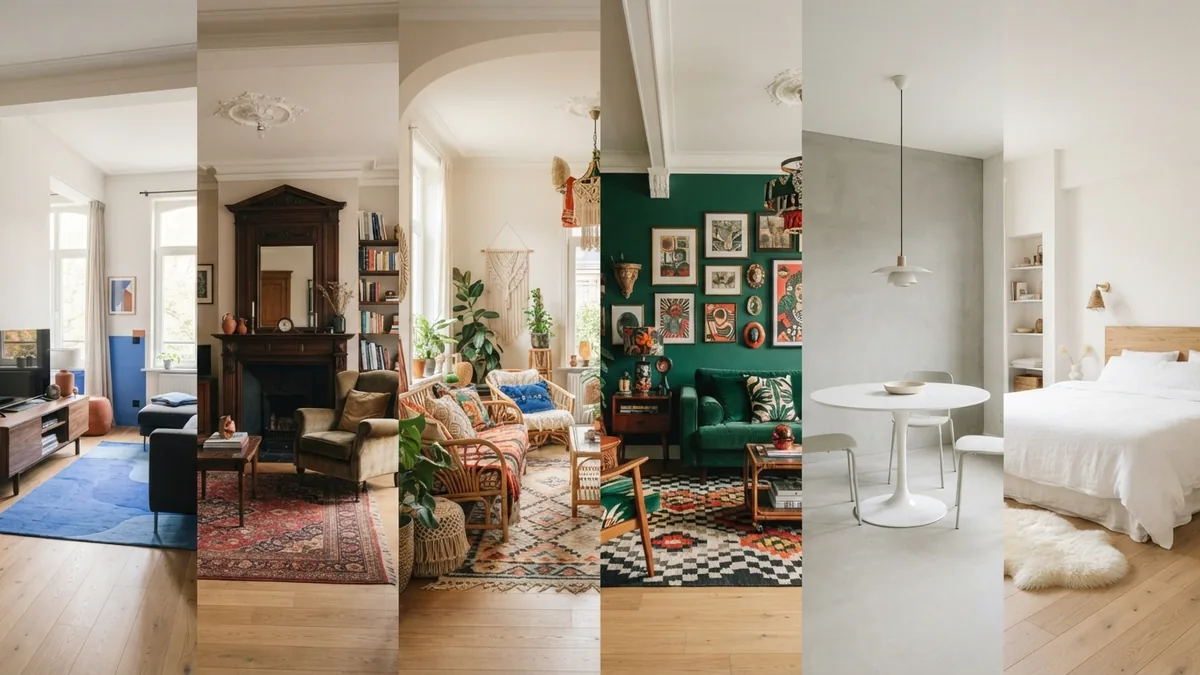
The main types of home decor styles offer different ways to shape a room. Start with the styles below. Then note which details attract you most. You may like one style, or borrow from several.
Modern
Modern decor favors simple forms, open space, and strong function. Common pieces have slim frames and smooth surfaces. Black, white, gray, and warm beige form a frequent color base. Add one bold chair or art piece for contrast.
Traditional
Traditional decor draws from classic furniture and balanced room plans. It often includes turned legs, patterned fabrics, crown trim, and dark wood. Cream, navy, burgundy, and forest green work well here. The result feels settled and formal.
Bohemian
Bohemian decor feels relaxed, layered, and full of personal finds. It mixes woven baskets, rugs, plants, vintage pieces, and rich textiles. Earth tones create a steady base. Terracotta, mustard, teal, and rust add life.
Eclectic
Eclectic decor brings unlike pieces into one thoughtful room. A mid-century chair can sit beside an old cabinet. Repeated colors or shapes keep the mix from feeling random. Each item should have a clear reason for being there.
Minimalist
Minimalist decor removes clutter and keeps only useful or loved pieces. It favors calm colors, open floors, and simple storage. Texture keeps a sparse room from feeling cold. Try wool, linen, pale wood, and matte ceramic.
Scandinavian
Scandinavian decor combines comfort, light, and practical design. Pale wood, simple furniture, soft fabrics, and warm lamps are common. White, sand, gray, and muted blue create a bright base. A few handmade items add warmth.
These styles can overlap. A room may use modern lines with Scandinavian wood. It may pair traditional furniture with bohemian textiles. The best choice depends on your home and your daily life.
How to Mix Decor Styles Without Losing Focus
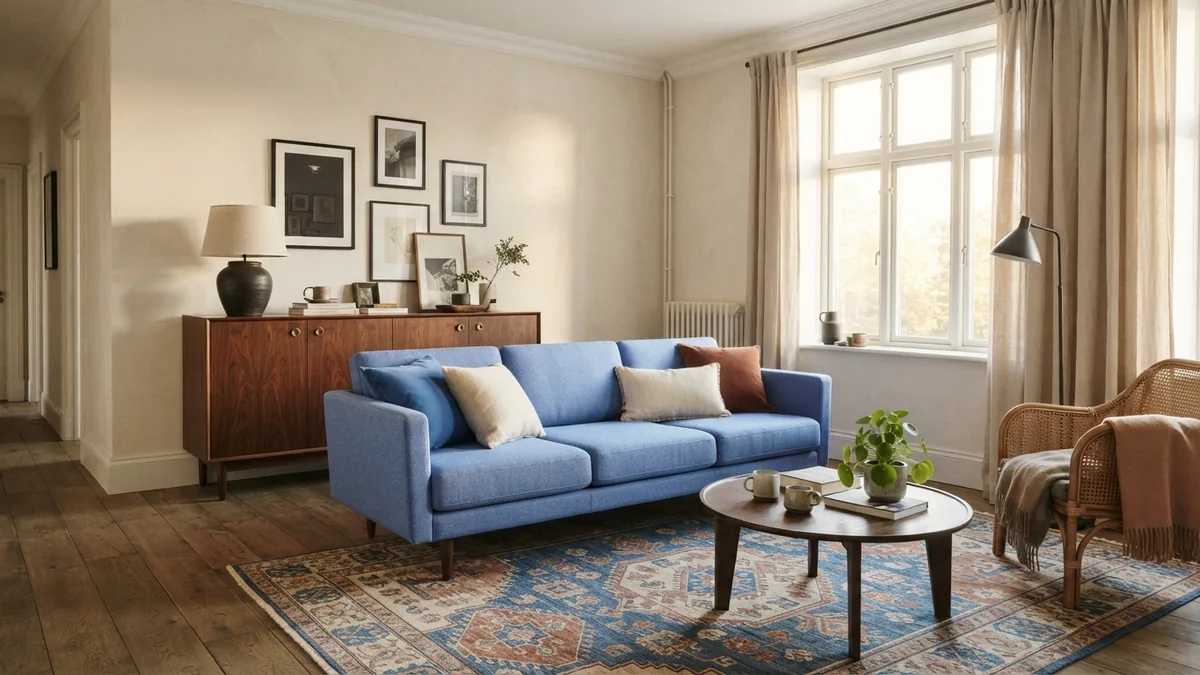
How to mix decor styles starts with choosing one clear anchor. This might be a sofa, rug, bed, or dining table. Let that item set the room's scale and mood. Add other styles in smaller doses.
Use a simple ratio to guide your choices. Let one style fill about 70 percent of the room. Use a second style for 20 percent. Reserve the final 10 percent for bold accents. These numbers are a guide, not a law.
Repeat at least two details across the room. A black lamp can echo a black table base. A curved mirror can repeat the shape of a rounded chair. Repetition makes different pieces feel related.
- Pick a base: Start with one main style and a calm color palette.
- Choose a partner: Add one contrasting style through chairs, art, rugs, or lamps.
- Repeat a color: Use the same accent shade in at least three places.
- Balance scale: Pair large furniture with pieces of similar visual weight.
- Remove weak links: Step back and take out anything that adds noise.
Materials can bridge two very different looks. Wood softens metal and glass. Linen makes leather feel less heavy. Stone adds weight to a light Scandinavian room.
Mixing works best when contrast feels planned. Avoid buying one item from every style. That approach creates a showroom effect. Choose a few strong links instead.
How to Find Your Personal Decor Style
Start by studying rooms that make you pause. Save 15 to 20 examples from homes, hotels, shops, or magazines. Look for patterns rather than labels. You may spot the same wood tone, lamp shape, or wall color.
Next, review your current home. Keep a list of pieces you use and enjoy. Mark items that feel wrong, even if they cost a lot. Your daily habits reveal more than a style quiz.
Ask practical questions before you buy anything. Do you need easy-clean fabrics? Do you like open shelves? Do you want a calm bedroom or a lively living room? A good style must fit your life.
- Which three colors appear most often in your saved rooms?
- Do you prefer new pieces, old finds, or a mix of both?
- Which textures feel best in your space?
- Do you like rooms with open space or layered displays?
- Which current item would you keep if you moved tomorrow?
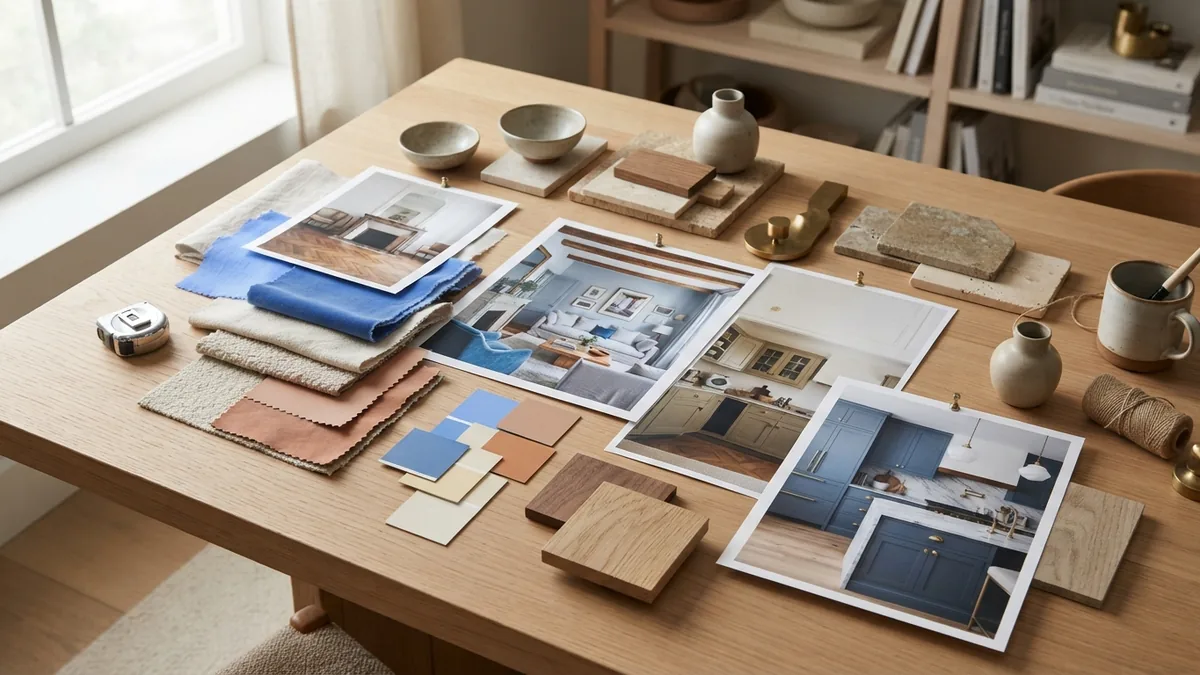
Build a small sample board before making large changes. Gather paint chips, fabric scraps, wood samples, and room photos. View them together in daylight. This test can reveal clashes before they reach your walls.
Choose one room for your first trial. Set a budget and change one layer at a time. Begin with paint, a rug, or lighting. Then judge the room after living with it for one week.
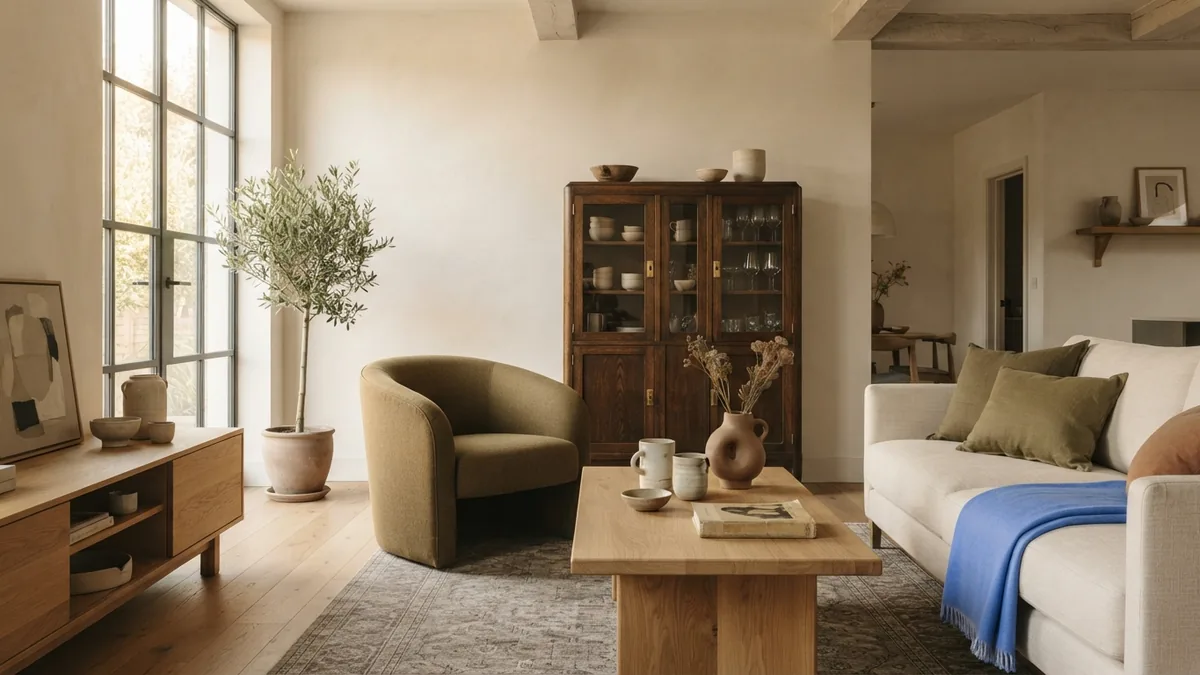
Home Decor Trends Shaping Rooms Now
Current decor trends lean toward comfort, craft, and lasting materials. Many rooms now blend clean shapes with softer finishes. This shift keeps spaces useful without making them stark. The strongest trend is a home that feels lived in.
Natural materials remain popular. Think oak, walnut, rattan, wool, linen, clay, and stone. These materials bring touch and depth to plain rooms. They also work across modern, traditional, and Scandinavian styles.
Color palettes are moving beyond cool gray. Warm white, mushroom, sand, olive, clay, and deep brown create softer bases. Blue-green, ochre, and muted red work well as small accents. Use color on a wall, cushion, lamp, or painted cabinet.
| Trend | Ways to use it |
|---|---|
| Warm neutrals | Pair cream walls with tan, brown, or soft gray furniture |
| Natural texture | Add linen, wool, rattan, wood, or handmade clay |
| Curved forms | Try a round mirror, curved chair, or oval coffee table |
| Earthy color | Use olive, terracotta, ochre, or dark green in small doses |
| Vintage accents | Mix one old lamp, frame, or cabinet with newer pieces |
Curved furniture is also gaining ground beside straight forms. Rounded chairs and oval tables soften hard room lines. Vintage pieces add character without a full period theme. One old cabinet can give a new room a sense of history.
Trends should support your taste, not replace it. Buy pieces that serve a clear purpose. Choose finishes you can live with for years. A lasting room combines current ideas with your own needs.
A Simple Way to Begin
There is no single answer to what are the different styles for home decor. The right style is the one that fits your taste, space, budget, and routines. Start with one room and one strong anchor piece. Then build with repeated colors, balanced shapes, and useful materials.
Keep a short list of what works as you decorate. Note the colors, textures, and furniture forms you enjoy most. That list becomes your personal design guide. It will also make future purchases much easier.
Good decor feels connected, but it does not need to look perfect. Leave room for useful objects, old finds, and change. Your style should grow with the way you live.
Frequently asked questions
- What are the different home decor styles?
- Home decor styles are shared looks that guide furniture, color, materials, lighting, and room mood. They help create a connected design.
- What are the main types of home decor styles?
- Popular styles include modern, traditional, bohemian, eclectic, minimalist, and Scandinavian decor. Each uses different shapes, colors, and materials.
- How do you mix different home decor styles?
- Choose one main style as your base. Add a second style through smaller pieces, then repeat colors, shapes, or materials to link them.
- How can I find my personal decor style?
- Save 15 to 20 rooms you like and study their shared details. Check your current furniture and daily needs before choosing a label.
- What home decor trends are popular now?
- Warm neutrals, natural materials, curved furniture, earthy colors, and vintage accents are popular now. Use only trends that fit your home and taste.
Related reading
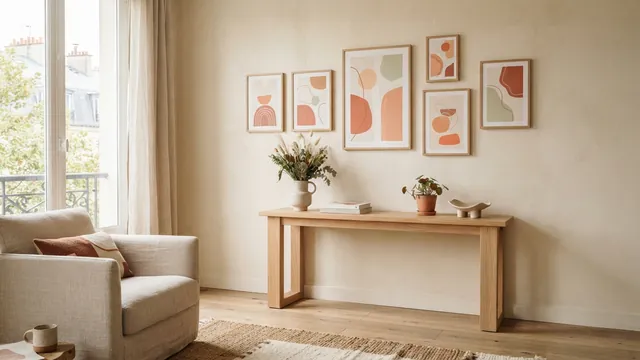
Long Walls — Ideas That Add Balance and Character
Make a long wall feel balanced with color, art, shelves, and warm light.
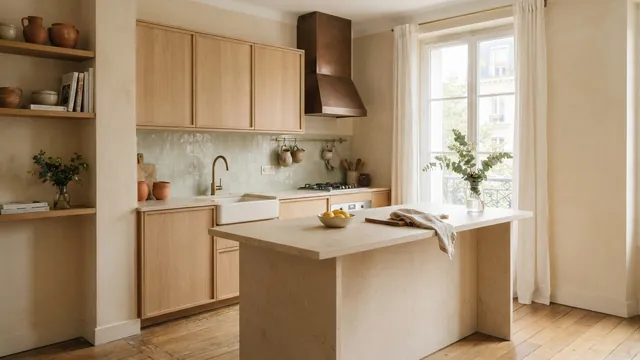
Modern Kitchen Design: Form and Function
Plan a modern kitchen that balances clean style with everyday ease.
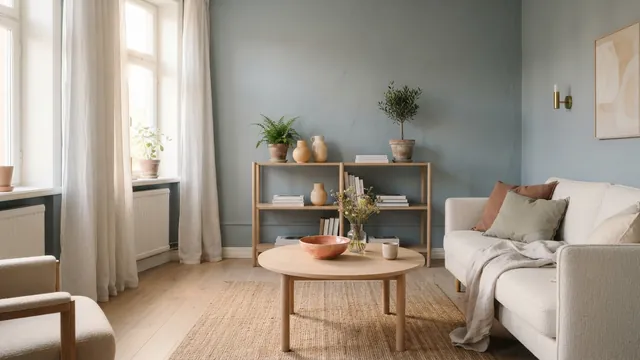
Curtains for a Blue Room — Color, Texture and Scale
Pair blue walls with curtains that suit your light, style, and room size.