How to Furnish a Living Room: Layout, Budget, and Style
Layout first, then essentials, then budget-friendly style upgrades.
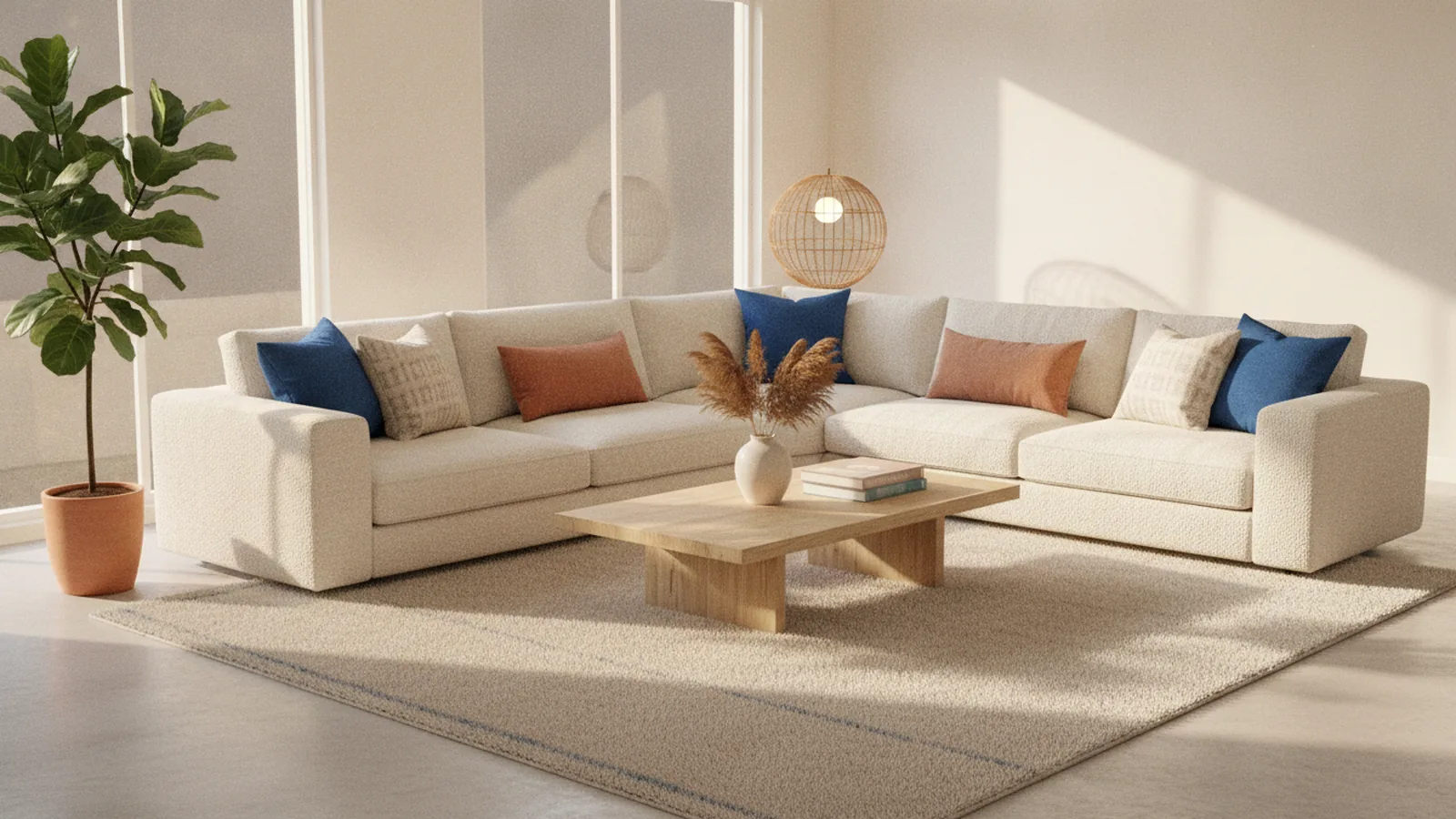
Understanding Your Space
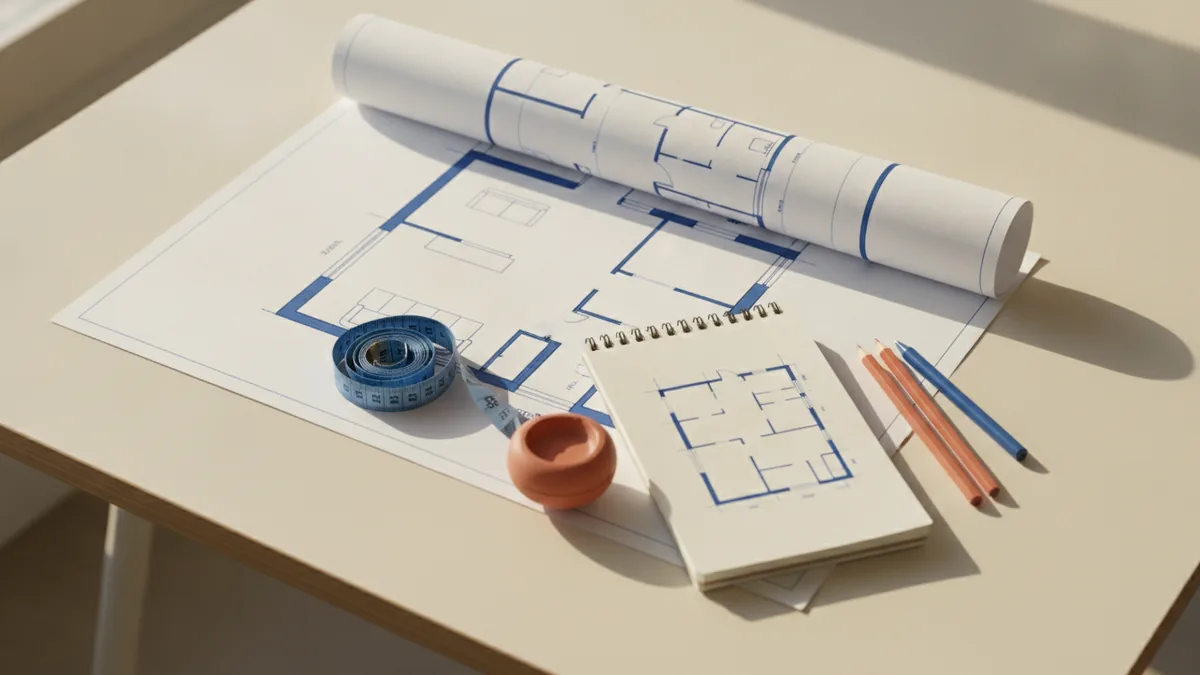
The fastest way to learn how to furnish a living room is to start with space planning. Before you buy anything, measure the room and note where doors, windows, and walkways are. Furniture that looks great online can block a path or fight with natural light.
Sketch a simple floor plan on paper or in a free online tool. Write down key dimensions like wall lengths, ceiling height, and the distance from the fireplace to the opposite wall. In most layouts, you want a clear route from the front door to seating and the main traffic path.
Now check your room’s “work zones.” Decide where people will sit, where you will place coffee and drinks, and where storage should live. If you have a fireplace, treat it as a focal point in design. Plan your seating so it faces the fireplace or a nearby media wall.
- Measure twice: keep a margin for baseboards and trim.
- Watch sight lines: seating should “look toward” the focal point.
- Plan clearances: leave room for walking and opening drawers.
Choosing the Right Furniture
When people search how to furnish your living room, they usually mean the essentials that anchor the space. Start with the sofa, because it sets the scale and the direction of the room. Choose a size that allows people to sit without hugging the coffee table.
Next, add the coffee table. A common rule is to keep about 14 to 18 inches between the sofa and the table edge. If you prefer a larger table, consider chairs farther from the seating to keep movement easy.
Then select chairs and storage solutions. Chairs can add flexibility for guests and help create a conversation zone. Storage matters because living rooms collect media, blankets, and everyday clutter.
| Essential | What it does best | Quick sizing tip |
|---|---|---|
| Sofa | Primary seating and comfort | Leave a walking lane behind and beside it |
| Coffee table | Center point for drinks and trays | Keep 14–18 inches from sofa seat height |
| Chairs | Extra seats and flexible layout | Angle them toward the sofa for a tidy look |
| Storage | Media, games, and textiles | Match height to reduce visual clutter |
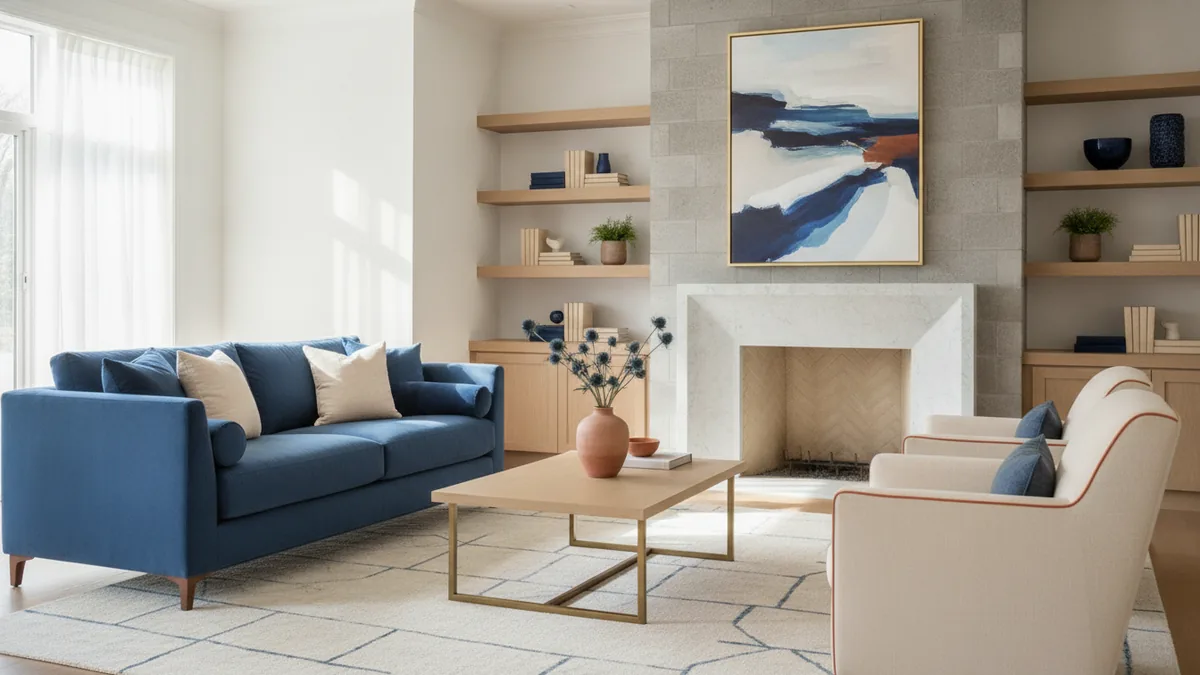
If you’re styling a living room with a fireplace, place the sofa to support it as the visual center. For a modern look, keep the hearth side clean and let one bold item lead, like a slim mantel mirror or a low media console.
Budgeting for Your Furnishing
Most shoppers ask how much does it cost to furnish a living room because prices vary wildly by quality and size. A basic setup can start around $1,500 for a small room if you choose mid-range pieces. A comfortable full refresh often lands closer to $3,000 to $6,000 once you include seating, tables, rugs, and lighting.
To estimate your own total, price essentials first. Prioritize the sofa and storage, because these impact daily use and last the longest. Then plan for the coffee table, chairs, rug, and lighting solutions that make the space feel finished.
Use a “needs first” order so you avoid overspending on decorative items. For example, if you need storage, buy that before you add wall decor. When you know what you can pay for, it gets easier to choose furniture arrangement and color schemes that fit your limits.
- Set a total budget and a separate buffer of 10 to 15%.
- List your essentials and assign a target range to each.
- Compare prices for delivery timelines and return policies.
- Decide what you can buy now versus later.
If you find a great sofa but the coffee table is too expensive, start with a cheaper table and upgrade later. Planning in stages keeps your living room from becoming a patchwork of mismatched sizes.

Decorating On a Budget
Learning how to furnish a living room on a budget comes down to smart swaps and a strong finish. Start with color schemes. Pick a main neutral and then add one or two accent tones through textiles and wall art.
Textiles do most of the work for less money. A rug, two throw pillows, and a light curtain upgrade can change the whole room. Even if you keep your sofa and chairs, new fabrics can make the space feel new.
Thrift stores and online marketplaces are great for budget decorating tips, especially for tables, lamps, and frames. Look for solid structure and check for damage like wobbling legs or stains you cannot clean. Search by measurements too, not just style.
- Check thrift items with a tape measure before you buy.
- Plan to reupholster only if frames feel sturdy.
- Match finishes in pairs, like black metal with black lamp bases.
- Buy lighting last, after you place the rug and seating.
When you mix items, keep one thread consistent. That thread could be shape, like rounded corners. It could also be color, like warm woods and cream fabrics together.
Incorporating Functional Elements
Functional furniture makes the room work for you, not the other way around. For small spaces, multifunctional furniture helps without taking away comfort. Think ottomans with hidden storage or nesting tables that expand only when you need them.
If you have a living room dining room combo, space planning becomes extra important. You can furnish a living room dining room combo by zoning: use a rug to define the dining area and keep seating grouped for conversations. A low console or bookcase can visually separate zones without building a wall.
Choose dining tables that match the living area scale. A round table is easier to flow around in tighter layouts. If you host often, consider a table with leaf inserts so you can expand for guests.
Also plan around a fireplace if you have one. Keep pathways clear from hearth to seating, and avoid placing tall furniture that blocks the mantel visually. With a fireplace, you can anchor the room by placing the sofa across from it and centering the coffee table for a balanced look.
- Use rugs to mark zones, then match lighting to each zone.
- Pick furniture that serves two purposes, like storage benches.
- Keep one main walkway from door to seating.
- Choose flexible pieces you can rearrange as life changes.
Personalizing Your Living Room
Once the layout and essentials are in place, personalization turns a room into your space. Start with artwork and create a clear focal point. A large framed piece over the sofa wall often looks better than many small prints grouped randomly.
Plants are another easy upgrade. Choose plants that match your light level. If your room gets bright morning sun, try a taller plant near a corner; if it’s low-light, go for hardy greens that tolerate shade.
Finish with decor you can actually live with. Use textiles for warmth, like throws and layered cushions. Add a few personal items on shelves, but keep them in small clusters to avoid visual noise.
- Pick one focal point, then support it with smaller details.
- Use plants and textiles to add softness and color.
- Repeat a color or finish two times for a tied-together feel.
- Swap seasonal decor instead of replacing big furniture.
When you follow this process - measure first, choose essentials, then decorate - you end up with a living room that feels intentional. That is the real win behind how to furnish a living room, and it works whether your budget is tight or you’re upgrading everything.
Frequently asked questions
- How do I furnish a living room step by step?
- Start with measurements and a rough floor plan. Choose the sofa first, then add a coffee table, chairs, and storage. Finish with a rug, lighting, and personal decor.
- How much does it cost to furnish a living room?
- Many living rooms land around $1,500 to $6,000 depending on size and quality. A sofa and rug often set most of the cost, so budget those first.
- How can I furnish a living room on a budget?
- Prioritize essentials and update the look with textiles like rugs and pillows. Use thrift stores and online marketplaces for frames, lamps, and side tables.
- How do I furnish a living room dining room combo?
- Zone the areas with rugs and lighting while keeping traffic paths clear. Use flexible furniture like a smaller dining table or storage console to separate zones.
- What should I consider when arranging furniture with a fireplace?
- Make the fireplace a clear visual center. Place seating to face it and keep walkways open so the room stays easy to use.
- What tools can help with furniture arrangement?
- Use free online room planners or apps to test sizes and placement. Try multiple layouts before committing to large purchases.
Related reading
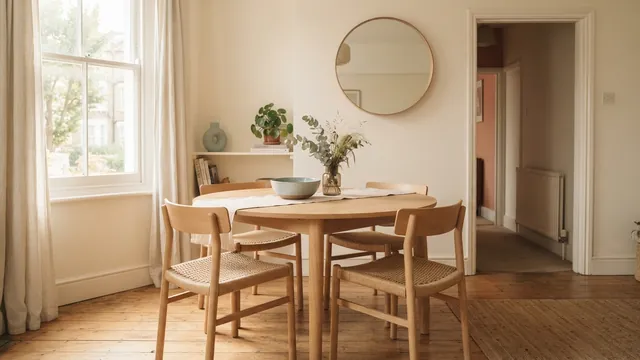
Dining Table Clearance — Space for Chairs and Walkways
Plan table and chair clearances for a dining area that feels comfortable.
Narrow Rooms — Paint, Light and Space
Use paint, light and smart furniture placement to open up a narrow room.
Room Painting Costs — What Shapes Your Quote
Room painting often costs $200–$1,000. See what drives the price and how to compare quotes.