Bedroom Air Quality — Simple Steps for a Healthier Room
Reduce dust, manage moisture, and choose a purifier that fits your bedroom.

Understanding indoor air quality
Indoor air quality describes the air inside your home and the things mixed into it. These include dust, tiny particles, gases, and moisture. In some homes, indoor air can be more polluted than outdoor air. Closed windows and poor airflow can let indoor pollutants build up.
Bedrooms deserve special care because people spend many hours there. Bedding, rugs, cleaners, and new furnishings can all affect the air. Outdoor air matters too. Ventilation helps when the air outside is clean, but smoke or heavy pollen can make an open window a poor choice.
To learn how to improve air quality in bedroom spaces, start by looking for sources. Notice damp areas, strong smells, dust, and recent changes. Then reduce those sources before buying a device. A purifier can help, but it cannot fix a leak or remove the cause of fumes.
Small changes can add up. Start with the issue that is easiest to spot and fix.
Common pollutants in bedrooms
Dust mites are tiny pests that live in bedding, rugs, and upholstered items. Their waste can trigger allergy symptoms in some people. Pet dander can cling to clothes and fabric, then settle on floors or beds. It can remain in a room even when pets stay elsewhere.
Dust may carry pollen and other small particles indoors. VOCs, or gases released by some products, can come from paint, cleaners, scented products, and new furnishings. Levels may rise after a product is used, especially in a room with little airflow.
Mold grows where moisture stays for too long. Common spots include a leaky window, a damp wall, or a wet rug. Some mold has a musty smell, but smell alone cannot show whether the air is safe. Look for the moisture source and deal with it.
Soft items can hold particles over time. Regular washing and careful vacuuming help limit buildup. These common bedroom air pollutants often have clear sources, so check the room before choosing a fix.
- Dust mites: often found in bedding and fabric.
- Pet dander: settles on soft surfaces and floors.
- VOCs: can come from some paints, cleaners, and new items.
- Mold: grows where dampness lasts.

Health impacts of poor air quality
Poor air can bother the nose, throat, and lungs. Dust mites, pet dander, and mold may worsen allergies or asthma. Some fumes can cause discomfort, such as a sore throat or headache. The effect depends on the pollutant, its level, and how long someone breathes it.
Children, older adults, and people with asthma may be more sensitive to air pollution. A simple note can help you spot a pattern. Write down when symptoms occur and whether the room was dusty, damp, or freshly cleaned.
Better air can improve comfort, but it does not cure a health condition. Speak with a health professional about breathing problems that persist. If you see mold, fix the dampness that feeds it instead of covering the stain or masking its smell.
Pay attention to what changes. That can help you choose a useful next step.
Practical ways to improve bedroom air
Ventilate when outdoor air is clean and the weather allows it. Open a window for a short time, or use a working exhaust fan if one serves the room. Keep windows closed during heavy smoke, high pollen, or other poor outdoor air days.
Wash sheets and pillowcases each week, then dry them fully. Wipe hard surfaces with a damp cloth so dust does not rise into the air. Vacuum floors and rugs on a regular schedule. A vacuum with a HEPA filter can help trap fine particles instead of sending them back into the room.
Keep indoor humidity near 30% to 50% when possible. A small humidity meter can show whether the room stays too damp. Fix leaks quickly and dry wet areas. If moisture remains high, a dehumidifier may help.
Reduce fumes at the source. Choose low-scent cleaners, avoid smoking indoors, and air out new items in a well-ventilated space. Keep vents clear and leave some space around large items. A clear path helps air move through the room.
- Check outdoor air. Open a window only when outdoor air is clean and weather permits.
- Wash bedding weekly. Dry sheets fully and clean rugs or curtains on a steady schedule.
- Find damp spots. Check windows and walls, then repair leaks or dry wet areas.
- Cut dust and fumes. Wipe surfaces, vacuum often, and use fewer scented products.
- Consider a purifier. Pick a unit sized for the room and follow its care guide.
These ways to enhance indoor air quality work best as a routine. Choose steps that fit your home and repeat them. Steady care beats a quick fix.
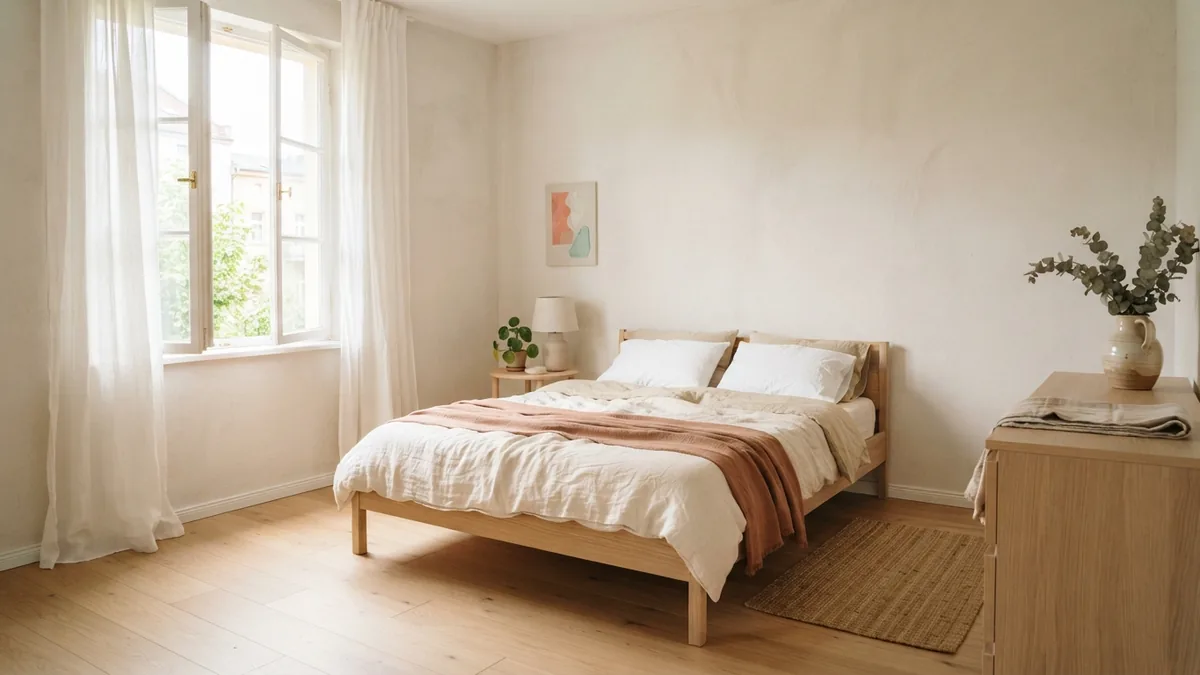
Choosing the best air purifying devices for bedrooms
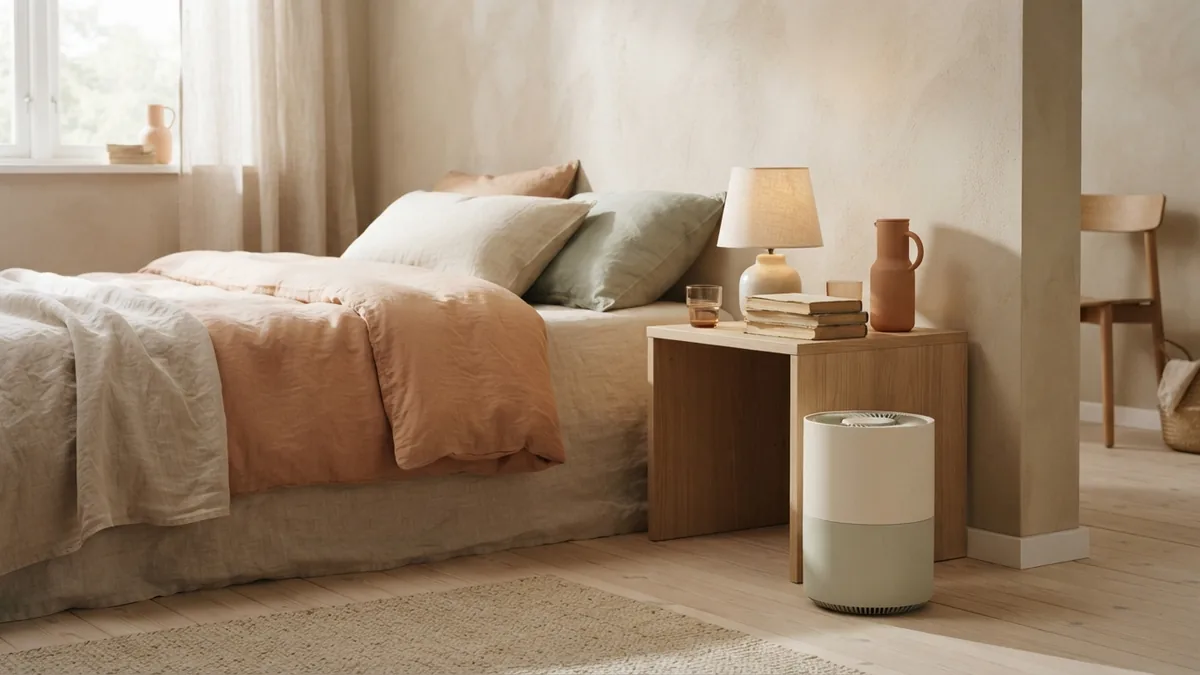
A portable air purifier with a HEPA filter can trap many airborne particles, such as fine dust and pollen. Match the unit to the size of your room. Check its clean air delivery rate, or CADR, and compare that figure with the room area. A unit that is too small may not clean the air fast enough.
Place the purifier where air can move around it. Keep the intake and outlet clear of curtains, bedding, and furniture. Near the bed can be a good spot if the vents stay open. Check the maker’s advice for room size and placement.
HEPA filters do not remove every gas or odor. Some purifiers also use activated carbon, which may reduce certain smells. Results depend on the amount of carbon and how often you change the filter. Check the price and replacement schedule before you buy.
A quiet setting can suit sleep better, though it may clean air more slowly. Avoid devices that make ozone, which can irritate the lungs. The U.S. EPA’s advice on home air cleaners covers filter types and safe use.
A purifier is one part of a broader plan. Keep cleaning, manage dampness, and reduce fumes at their source. That approach helps whether or not you use a device.
Maintaining long-term air quality
Good air quality takes regular care. Make a simple weekly routine for washing bedding, wiping surfaces, and checking damp areas. Vacuum rugs and floors as needed, and clean curtains or other fabric based on their care labels.
Check the purifier filter on the schedule given by its maker. A clogged filter can reduce airflow. Replace it when due, and keep the unit’s intake clear. If a purifier has a washable pre-filter, clean it as directed.
Keep an eye on room humidity, especially after leaks or during wet weather. Dry spills and wet fabric quickly. Look at window frames and outside walls for signs of moisture. If mold returns, find and fix the source rather than cleaning the same patch again.
Review the room when something changes. A new rug, paint job, cleaner, or piece of furniture may add dust or fumes. Air the room when outdoor conditions allow, then keep up the basic cleaning steps. These habits help maintain a comfortable bedroom over time.
- Wash bedding and wipe surfaces every week.
- Check for damp spots and repair leaks promptly.
- Clean or replace purifier filters on time.
- Ventilate when outdoor air is clean.
Frequently asked questions
- How can I improve air quality in my bedroom?
- Ventilate when outdoor air is clean, wash bedding weekly, and reduce dust and scented products. Fix damp spots, then consider a room-sized purifier with a HEPA filter.
- Do air purifiers help with bedroom dust?
- A purifier with a HEPA filter can trap many airborne dust particles. It works best alongside regular cleaning, since dust also settles on bedding, floors, and furniture.
- How often should I clean my bedroom to reduce allergens?
- Wash sheets and pillowcases weekly, wipe hard surfaces often, and vacuum rugs and floors on a steady schedule. Clean curtains and other fabric as needed.
- What humidity level is best for a bedroom?
- Aim for indoor humidity near 30% to 50% when possible. Fix leaks and dry damp areas, since lasting moisture can support mold growth.
- Should I open my bedroom window for fresh air?
- Open it when outdoor air is clean and the weather allows. Keep it closed during heavy smoke, high pollen, or other poor air conditions.
- Can an air purifier remove mold from a bedroom?
- A purifier may trap some airborne mold particles, but it cannot remove mold growth or stop it from returning. Find and fix the moisture source.
Related reading
Interior Designers — Roles, Skills and Training
See how interior designers shape spaces, manage projects, and work with clients.

Paint Room Stripes: Planning and Technique
Plan your stripe layout, tape clean lines, and paint even coats with confidence.

Room Square Footage—Measure for Flooring
Measure each room section, add the areas, then allow extra for cuts.