How to Build a Small Grow Room (Complete Setup Guide)
Learn how to build a small grow room with lights, climate control, airflow, and pest safety.
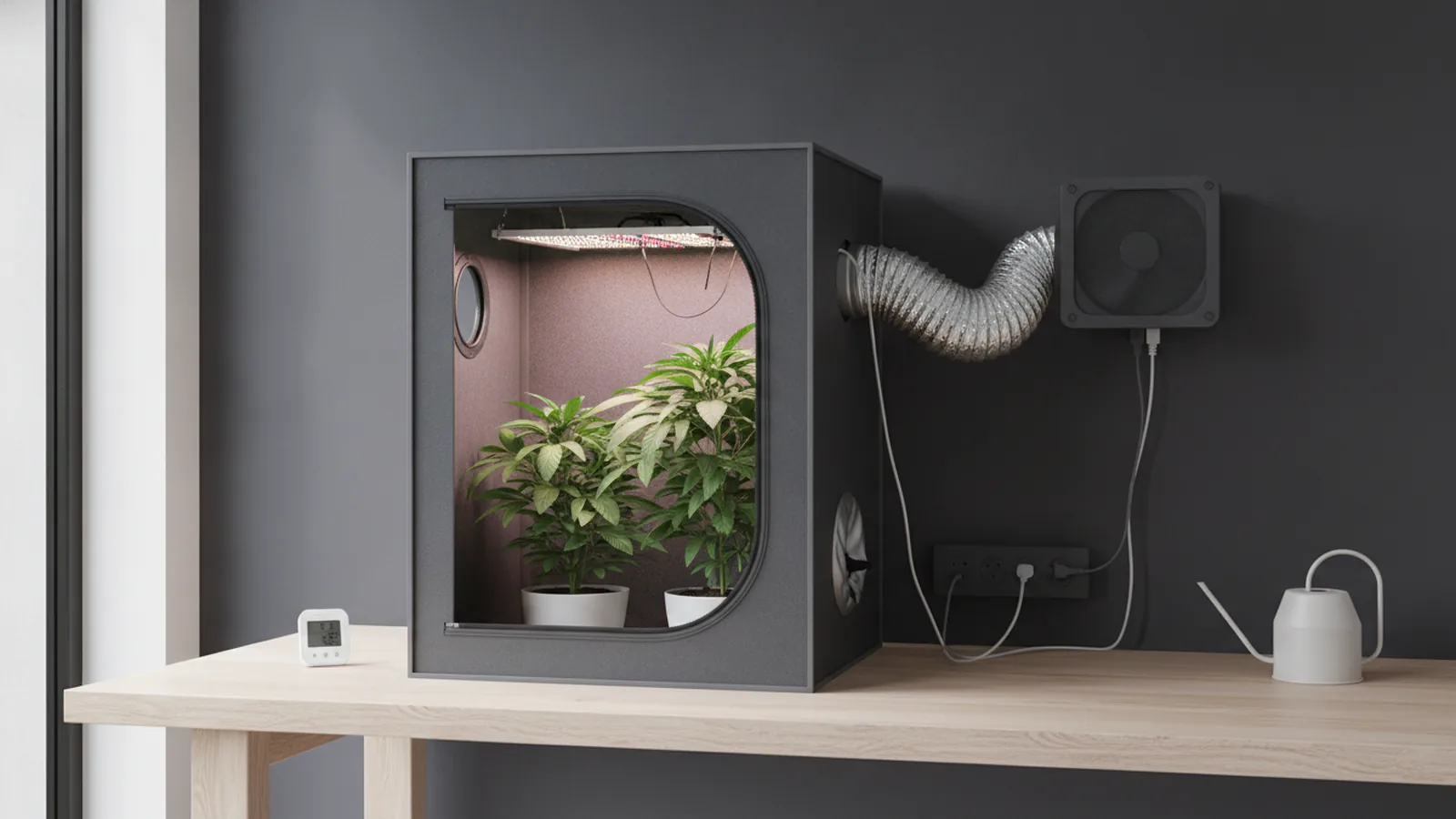
Choosing the right spot for a grow room
If you want a successful indoor grow room setup, start with the room, not the gear. A small grow space works best when it has stable access to power and water, plus enough room for cables and servicing. Before you buy anything, measure the footprint and write down usable height, door width, and the path for moving equipment.
Pick a location that stays quiet and predictable. Basements often work well because temperatures change more slowly, but they can be damp, so you must plan for dehumidifying. A spare closet can work, too, if you can mount fans and still keep air moving all the way around plants.
Plan for nearby utilities and daily access. You will likely need a water source for humidifier fill, runoff handling, and basic cleanup. You also need safe power for grow lights, a fan, a controller, and possibly an inline exhaust system.
- Space: allow room for plants, airflow, and reaching every pot.
- Accessibility: keep a clear path for watering and harvesting.
- Utilities nearby: prioritize water access and grounded outlets.
- Light control: choose a spot you can keep dark during lights-off.
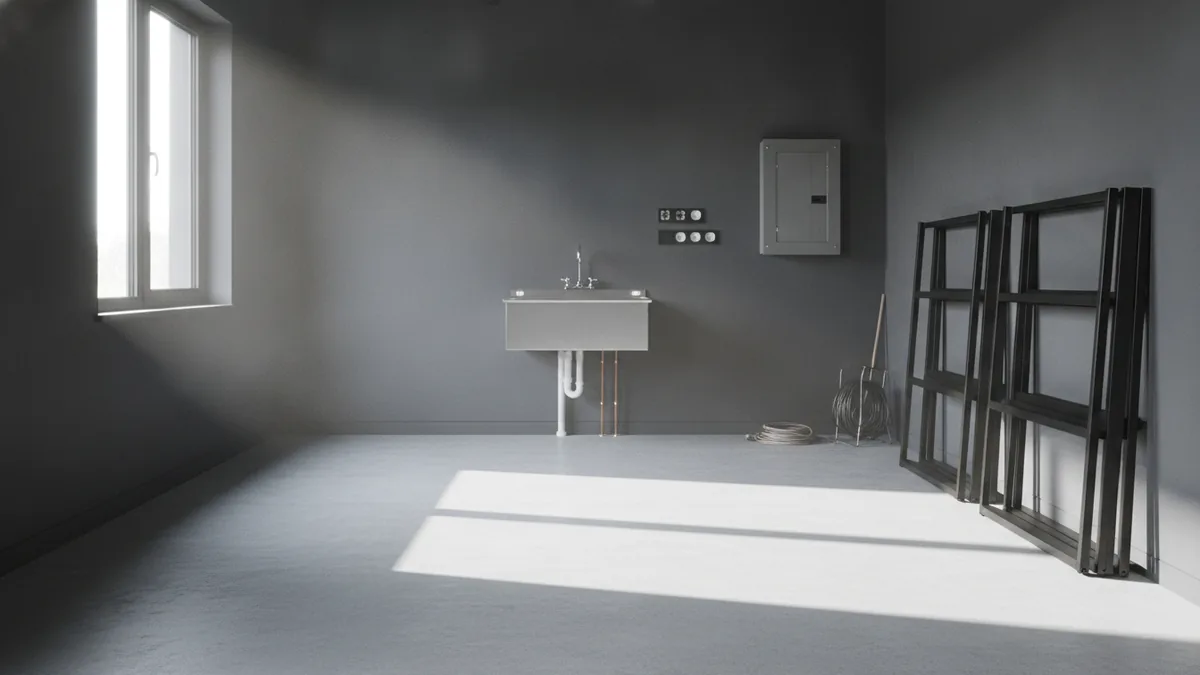
Essential equipment for a small grow room
Most beginner problems come from missing basics or buying the wrong size. For how to build a small grow room, think in systems: lighting, environment, airflow, and cleanliness. Start with a target plant list, because different crops need different light intensity and humidity control.
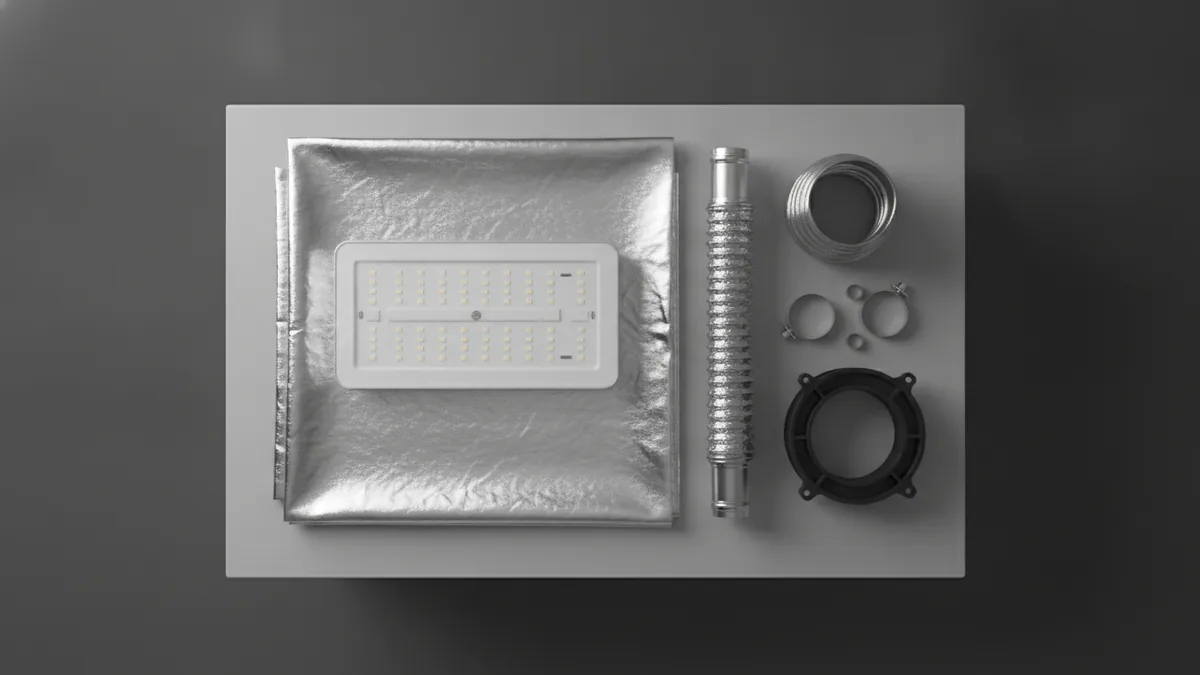
Your core equipment usually includes grow lights, a reflector or reflective sheeting, ventilation systems, and a way to manage humidity. Add plant support trays so you can handle runoff without mess. For indoor gardening, a simple timer for lighting and a controller for climate make the setup easier to run day after day.
Reflective sheeting matters more than people expect in a small area. It helps redirect light back toward leaves, improving coverage and reducing hot spots. Use it to line the walls and ceiling of your grow space, then check that it does not sag near the lamp heat zone.
| Component | What it does | What to buy based on |
|---|---|---|
| Grow lights | Provides the energy plants need | Plant type and available height |
| Ventilation systems | Exchanges air and removes heat | Room size and temperature goals |
| Reflective sheeting | Improves light efficiency | Wall coverage and heat-safe mounting |
| Humidity control | Stops mold and helps transpiration | Stage of growth and airflow |
| Temperature regulation | Keeps climate stable | Ambient conditions in your home |
Setting up grow lights: LED, HPS, and CFL choices
Lighting is the biggest driver of plant growth, so choose based on your plant and your ceiling height. For how to set up a small grow room, you need the right light spread and the right heat level. In a cramped cabinet, a low-heat option often makes life easier.
LED grow lights are popular because they run cooler and let you place plants closer to the canopy. Many small indoor gardens use full-spectrum LED panels or boards sized for the grow area. LED also pairs well with humidity control because less extra heat can reduce swings.
HPS (high pressure sodium) is common in larger setups, but it runs hot and needs strong ventilation. If you use HPS, plan for temperature regulation first, then build around it. The benefit is strong performance for flowering, but you must manage heat and keep air moving.
CFL (compact fluorescent) can work for tiny starts, like seedlings or very small clones. It is also useful as a supplement in corners where coverage is uneven. However, CFL usually struggles to match the canopy coverage of LEDs for the same power, so it is often best for short phases.
- LED: easier heat management, good for most small grow spaces.
- HPS: higher heat, needs robust exhaust and planning.
- CFL: best for small starts or extra light, limited coverage.
Place lights at a safe distance from leaves and adjust as plants grow. Use a thermometer at canopy height, not just a wall sensor, because light makes temperature vary across the space. Keep the lights on a timer so plant care stays consistent.
Controlling climate: temperature regulation and humidity control
Environmental control decides whether plant care stays smooth or becomes a daily fix. For a small grow space, temperature and humidity swing faster, so you must measure and respond quickly. Use at least two sensors: one near the canopy and one near the air inlet or exhaust.
Temperature regulation depends on your lighting heat and your airflow rate. If your grow lights are producing excess heat, you will need stronger exhaust or a different lamp type. If your room is already cool, avoid oversized fans that remove too much warm air.
Humidity control is equally important, especially if you are growing plants that prefer stable moisture. High humidity can encourage fungal growth, while low humidity can dry leaves and slow growth. Adjust using a combination of ventilation, dehumidifying, and watering discipline.
Set targets based on growth stage. Seedlings often want gentler humidity and stable temps, while flowering or fruiting stages may tolerate slightly different ranges. If you are unsure, start with conservative settings and watch leaf behavior for stress signals.
- Measure: track temperature and humidity for 24 hours before changing anything.
- Stabilize: adjust exhaust speed or fan placement until swings shrink.
- Refine: tune humidity control using airflow and, if needed, a small dehumidifier.
Ventilation and airflow solutions that keep plants healthy
Ventilation systems are more than “getting air out.” In a small space, airflow prevents stagnant pockets where humidity lingers and diseases can spread. Good air movement also helps temperature regulation by carrying heat away from leaves and lights.
Use a combination of exhaust and circulation. An exhaust fan removes warm air and pulls in fresh air from an inlet vent. Inside the grow room, a small oscillating fan helps keep air moving across the canopy without blasting plants directly.
Plan your airflow path before you mount equipment. Hot air rises, so place exhaust higher than the intake. If you use reflective sheeting, keep it clear of fans so it does not block intake airflow. For indoor gardening in tight rooms, cable and duct routes matter because they affect how air flows.
- Exhaust: remove heat and stale air.
- Intake: provide fresh air at a controlled rate.
- Circulation fans: reduce hotspots and stagnant humidity zones.
- Filtration (optional): helps with odor and particulates in some setups.
After you start the grow lights, check temperatures again. Make sure the canopy stays within your chosen range, and then fine-tune fan speed. If the air feels too dry or too humid, adjust airflow before changing humidity devices.
Hygiene, pest management, and what to prevent early
Cleanliness is the easiest pest management tool you can use. In a small grow space, pests can travel fast because plants are close together. Start by keeping floors and surfaces dry where possible and removing dead leaves before they decay.
Quarantine new plants if possible. Even a single new plant can introduce insects or disease spores into your indoor garden. Use gentle cleaning routines on trays, tools, and the inside walls of the grow area.
Be careful with ozone. Some people ask how to use ozone generator in grow room, but ozone can be harmful at improper levels and it should not replace basic ventilation and sanitation. If you ever experiment with an ozone generator, do it only with strict safety controls, and ensure the grow area is vented thoroughly after use.
Safety note: Ozone can irritate lungs and eyes. Treat it as a hazardous gas and never run it during times when people must enter the space.
- Inspect weekly: check undersides of leaves and new growth.
- Remove spots fast: isolate affected plants to limit spread.
- Keep water controlled: fix drips and avoid puddles.
- Maintain airflow: fewer stagnant areas mean fewer problems.
Common mistakes when you set up a small grow room
Most errors in how to make a small grow room come from scale. Beginners under-size lighting, under-size exhaust, or forget that a “small” space still needs proper circulation. If you cannot comfortably reach every plant, your grow room design will slow you down during plant care.
Another frequent issue is electrical planning. Too many extension adapters and loose connections can overheat, especially near heat sources like grow lights. Use grounded outlets, keep cables away from lamp heat, and avoid daisy-chaining power strips.
People also miss the canopy temperature. A setup can measure fine on a wall sensor, yet run too warm at leaf level. Measure where it matters, then adjust fan speed, light height, or exhaust rate.
- Underestimating space: plants need room for airflow and access.
- Wrong light for the area: uneven coverage leads to stunted growth.
- Weak ventilation systems: heat builds up and humidity stays trapped.
- Unsafe electrical setup: heat and power load must be matched.
Finally, do not change everything at once. Tweak one variable, then observe leaf response and your sensor readings for a few days. That approach makes indoor gardening easier and keeps plant growth predictable.
Frequently asked questions
- How do I choose the right location for a small grow room?
- Start with room size, ceiling height, and how easily you can reach plants. Make sure you have nearby power and water, and that you can control darkness during lights-off.
- What are the essential items for an indoor grow room setup?
- You need grow lights, ventilation systems, reflective sheeting, and basic climate monitoring. Add trays for runoff and a reliable timer for the light schedule.
- Which grow lights work best for a small grow space?
- LED is usually the easiest choice due to lower heat and good coverage. HPS can work but needs strong exhaust, while CFL is best for seedlings or small supplemental lighting.
- How do I manage humidity and temperature in a small grow room?
- Use sensors near the canopy and adjust exhaust and fan speed first. If humidity stays high, you may need a dehumidifier and better air exchange.
- What is the role of ventilation for plant care?
- Ventilation removes heat and reduces humidity buildup around leaves. Pair an exhaust fan with air circulation fans to keep airflow even.
- Can I use an ozone generator in a grow room?
- Ozone can be dangerous if misused, and it should not replace ventilation and cleanliness. If you try it, follow strict safety steps and ensure the space is fully vented afterward.
Related reading
Room Painting Costs — What Shapes Your Quote
Room painting often costs $200–$1,000. See what drives the price and how to compare quotes.
Kitchen Cabinet Tops — Style, Texture and Seasonal Charm
Style cabinet tops with balanced layers, useful texture, and decor that suits your kitchen.
Couch Placement—Flow, Focus and Comfort
Place your couch to frame a focal point, keep paths clear, and make the room feel balanced.