How to Remove Paint Odor From a Room Safely
Clear paint fumes with fresh air, safe absorbers, and the right purifier.
Understanding Paint Odors After Painting
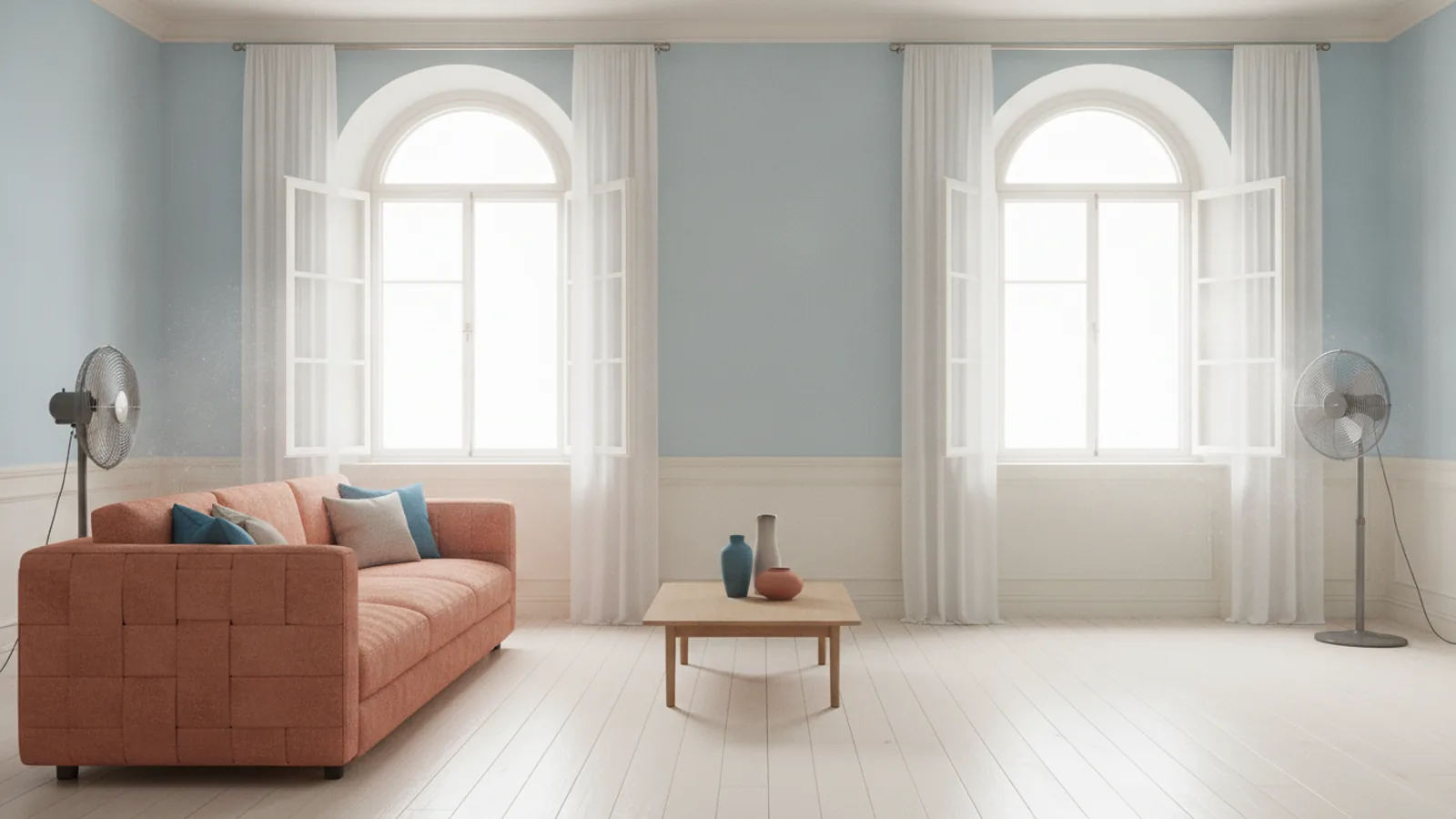
The best answer to how to remove paint odor from room starts with fresh air. Open windows and move stale air outside with fans. Remove paint cans, trays, brushes, and wet cloths from the space.
Paint fumes can linger for several days. Oil-based paint often keeps its smell longer than water-based paint. Heat, poor airflow, and thick coats can extend the odor.
Many paints release volatile organic compounds, or VOCs, into indoor air. These gases may irritate the eyes, nose, throat, or lungs. The EPA's indoor air guidance on VOCs explains why fresh air matters after painting.
A light smell may fade within two or three days. Strong fumes need more care. Leave the room if anyone feels dizzy, sick, or short of breath.
- Keep children and pets away from wet paint and strong fumes.
- Do not sleep in a room with a harsh paint smell.
- Keep paint lids shut when work stops.
- Seek medical help after serious breathing trouble or faintness.
Ventilation Techniques That Move Fumes Outside
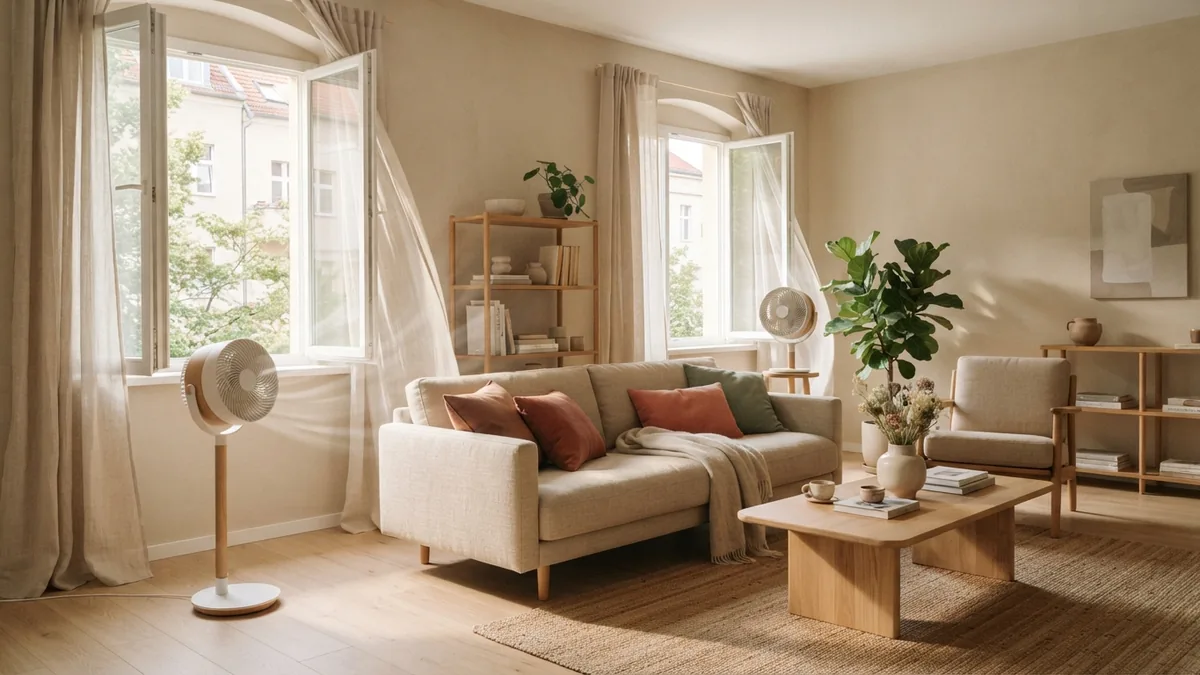
Ventilation is the first step in paint odor removal. Open windows on opposite sides of the home when possible. This creates a path for clean air to enter.
Set one fan near a window and aim it outdoors. Place another fan near the opposite window. Aim that fan inward to bring in fresh air.
Keep nearby doors open if they help air flow toward the exit. Shut doors to bedrooms or other areas when they spread the smell. One clear air path works better than random fan placement.
Run the fans for several hours after painting. Repeat this process for two or three days with oil-based paint. Stop when outdoor smoke, pollen, or traffic fumes enter the home.
- Remove wet tools and spare paint from the room.
- Open two windows when outdoor air feels clean.
- Point one fan outward through the best exit window.
- Place a second fan across the room.
- Check the air before letting people return.
Natural Remedies for Mild Paint Smells
Natural odor absorbers can help with leftover smell. They cannot replace strong airflow. Use them after most fumes have left the room.
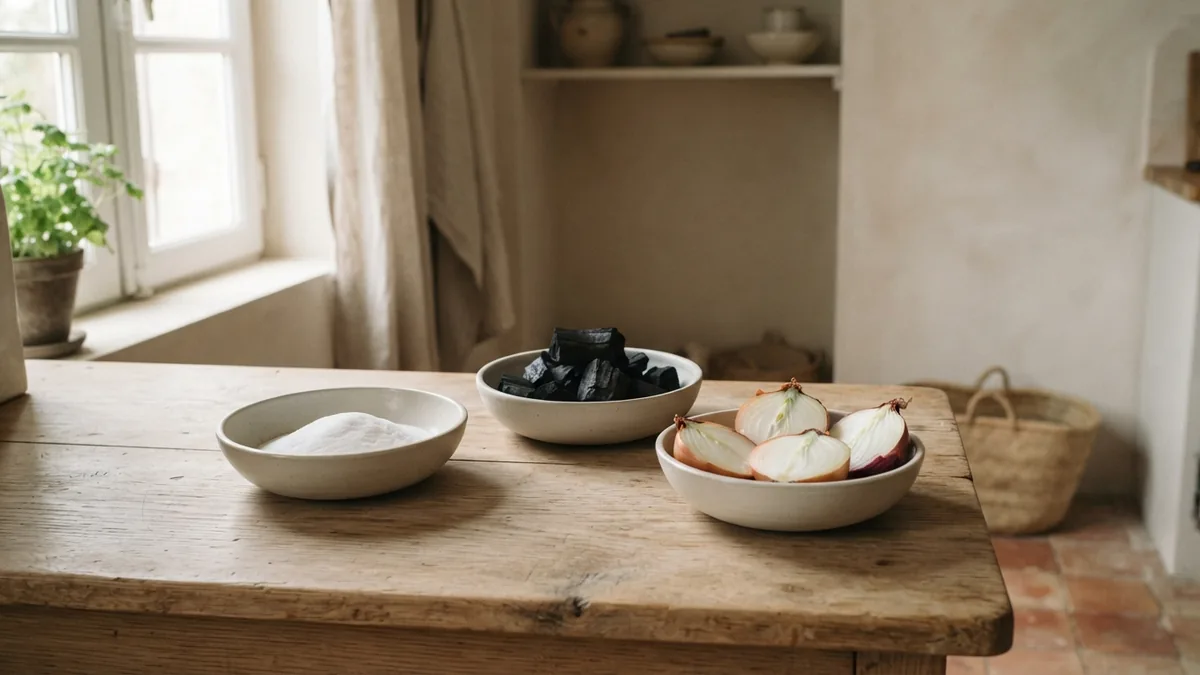
Place wide bowls of baking soda around the room. Use more bowls in large spaces. Leave them out overnight and replace them when the smell remains.
Activated charcoal can catch many household odors. Put dry charcoal in shallow dishes or breathable pouches. Keep it away from children and pets.
Onions may help reduce fresh paint odor in a closed room. Cut one onion into halves and place them in bowls of water. Remove the bowls after several hours.
These methods suit mild odors in small rooms. They work poorly when paint remains wet or fumes feel sharp. Never mix household cleaners to create a stronger treatment.
- Baking soda: A low-cost choice for mild smells.
- Activated charcoal: A useful choice for stubborn odors.
- Onions: A short-term aid for fresh paint smell.
- Fresh air: The main way to reduce paint fumes from room air.
Avoid ammonia when you try to eliminate paint smell. Ammonia can add harmful fumes instead of removing odor. It may also irritate your eyes and airways.
Use an Air Purifier the Right Way

An air purifier helps when windows must stay closed. Choose a model with a thick activated carbon filter. Carbon can trap some gases linked with VOCs.
A HEPA filter catches fine particles. It does not remove every gas. Look for both HEPA and carbon layers in the same unit.
Check the maker's room-size rating before you buy. Place the purifier near the room's center. Keep its intake and outlet clear of walls and furniture.
Run the unit on a high setting during the first few hours. Keep it running for several days if the smell lasts. Replace the carbon filter as the maker advises.
- Close the room door if the purifier serves one space.
- Set the unit near the strongest odor source.
- Run fans with open windows before using the purifier alone.
- Lower the speed once the smell becomes mild.
- Keep the unit on longer after oil-based painting.
A purifier does not make wet paint safe at once. It cleans air over time. Strong fumes still call for fresh air and distance.
Choose Low-VOC Paint for Future Projects
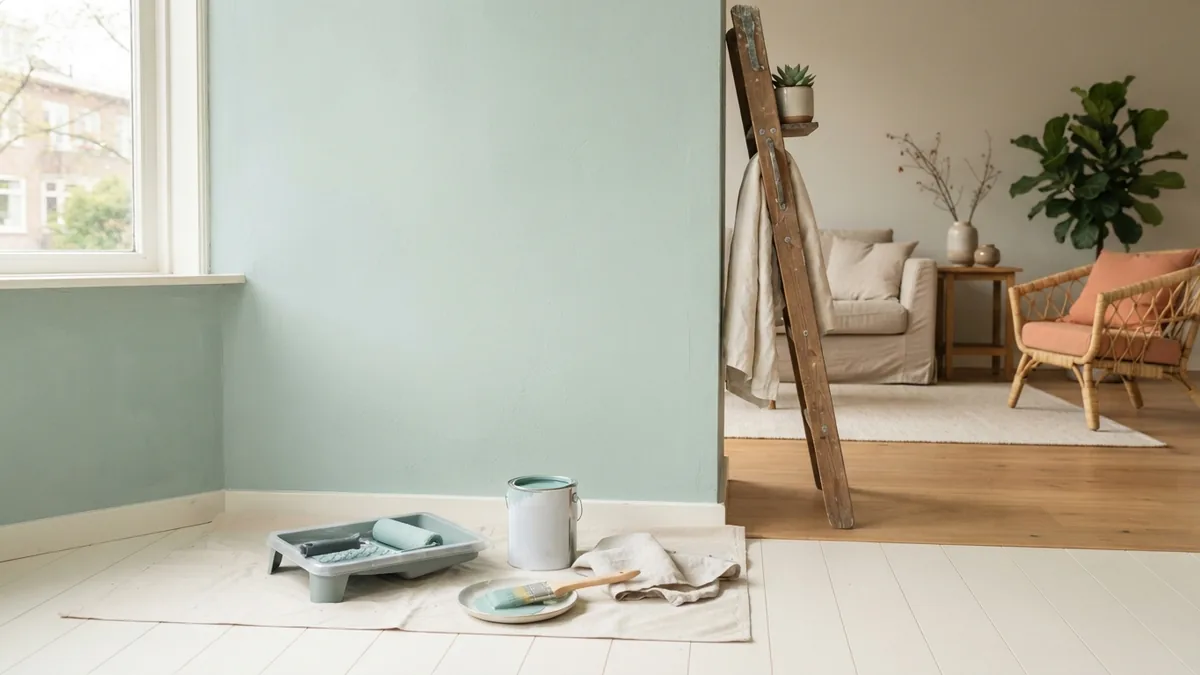
The best way to reduce paint fumes from room air starts before the first coat. Choose zero-VOC or low-VOC paint when the surface allows it. These paints often produce less smell during drying.
Read the product label before buying. Paint types vary in smell, dry time, and room use. Ask the store whether the paint suits a bedroom, kitchen, or bathroom.
Low-VOC paint still needs good airflow. Some colorants and additives can add smell. Keep windows open during the work and during the first drying stage.
Use thin, even coats instead of one heavy coat. Thick paint takes longer to dry. It can also keep odor in the room for longer.
- Pick paint made for the room's surface.
- Check the label for VOC details.
- Paint during mild weather with clean outdoor air.
- Allow each coat to dry before adding another.
- Store leftover paint outside living areas.
Tips for Maintaining Fresh Indoor Air
Fresh air takes more than one cleaning session. Air out the room each morning while the smell remains. Keep the door shut when fumes drift into nearby rooms.
Wash fabric items that sat near wet paint. Curtains, rugs, and cushions can hold odor. Let them dry fully in a clean, airy place.
Clean hard surfaces once the paint has cured. Use mild soap and water unless the surface maker gives other advice. Never scrub wet paint or spread it across a larger area.
Paint odor removal is different from removing unwanted paint. Searches such as how to remove paint from kitchen cabinets, how to remove paint from bathroom tiles, and how to remove paint from kitchen sink describe surface work.
The same applies to how to remove thick paint from kitchen cabinets, how to remove paint from bathroom sink, and how to remove paint from bathroom walls. Questions about how much to remove wallpaper and paint a room also concern project cost and scope.
Furniture care is separate too. How to remove scratches from dining room table and how to remove scratches from furniture at home require tests on the finish. These jobs need their own tools, steps, and safety checks.
For odor removal, focus on airflow and source control. Do not sand, scrape, or strip surfaces just because a room smells of paint. That work can add dust and more fumes.
When the Smell Does Not Fade
Strong odor after several days may point to poor airflow or slow drying. Check for wet areas behind trim, furniture, or doors. Move items away from the painted surface when safe.
Leave the room if breathing feels hard or your eyes burn. Seek medical advice for lasting symptoms. A fresh scent should never hide a serious air problem.
With clean airflow, safe absorbers, and patience, most mild paint smells fade. Start with fans. Then use a purifier or absorber for the remaining odor.
Frequently asked questions
- How to remove paint odor from room quickly?
- Open windows on opposite sides and aim one fan outdoors. Remove wet tools, then run a carbon air purifier if needed.
- How long do paint fumes stay in a room?
- A light smell may fade within two or three days. Oil-based paint can smell longer, especially with poor airflow.
- Does baking soda remove paint smell?
- Baking soda can absorb some mild odor. It cannot replace fresh air when fumes feel sharp or strong.
- Do air purifiers remove paint fumes?
- A purifier with an activated carbon filter can trap some gases. A HEPA filter helps with particles but does not remove every gas.
- Is it safe to sleep in a room that smells like paint?
- Avoid sleeping there while the smell feels harsh or causes irritation. Air out the room first and leave if symptoms appear.
- What paint causes the strongest odor?
- Oil-based paint often smells longer than water-based paint. Thick coats and poor airflow can extend the drying time.
Related reading
Room Painting Costs — What Shapes Your Quote
Room painting often costs $200–$1,000. See what drives the price and how to compare quotes.
Kitchen Cabinet Tops — Style, Texture and Seasonal Charm
Style cabinet tops with balanced layers, useful texture, and decor that suits your kitchen.
Couch Placement—Flow, Focus and Comfort
Place your couch to frame a focal point, keep paths clear, and make the room feel balanced.