What Is My Interior Style? Find Yours and Apply It at Home
Find your interior style fast, then apply it to your home decor.
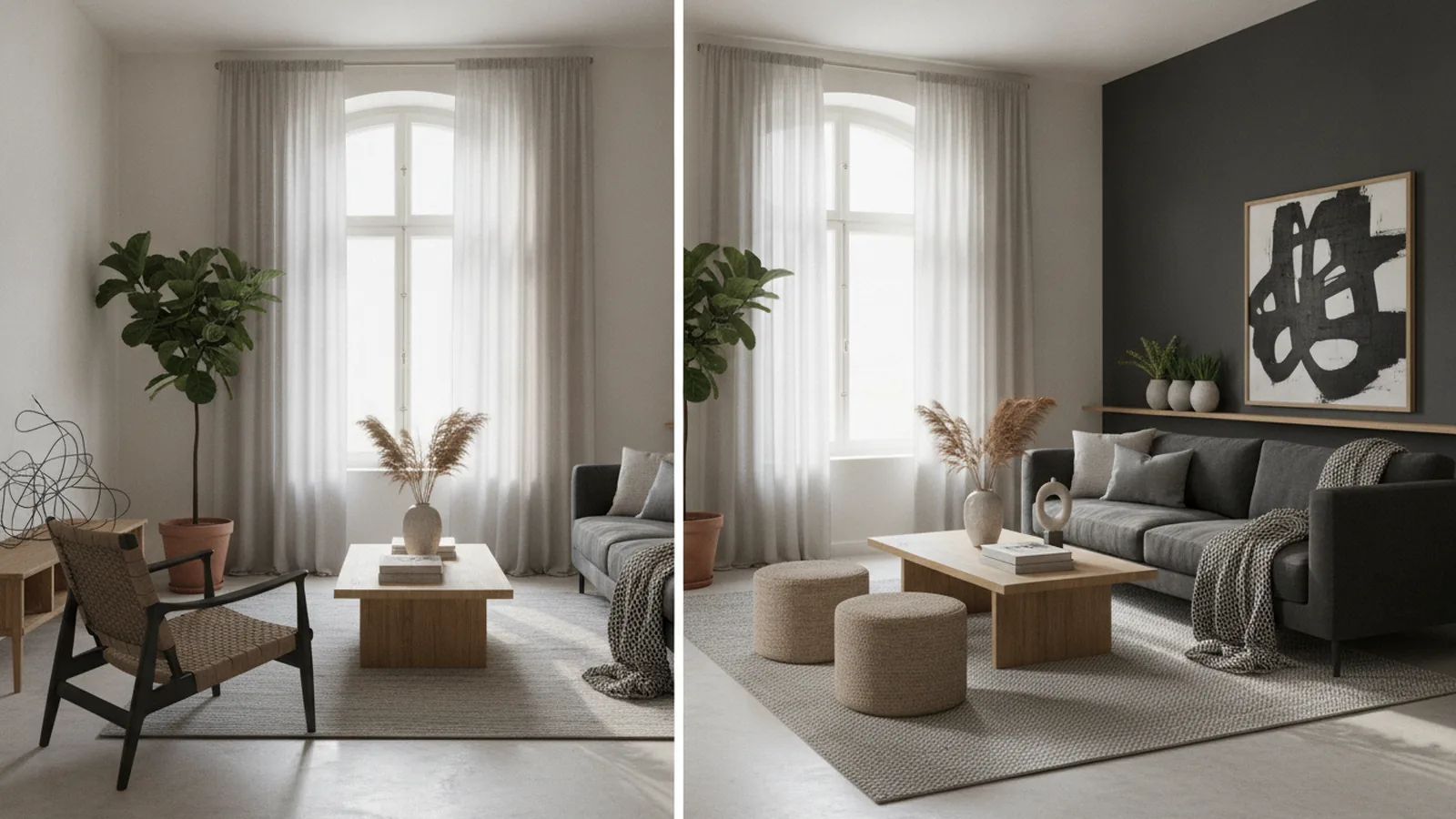
Understanding interior style (and why it changes over time)
Your interior style is your personal set of taste rules for home decor. It shapes what you notice first, what feels calm, and what looks “right” in a room. If you’ve ever asked, “what is my interior style,” you’re trying to name those patterns. It’s less about a label and more about how you want a space to feel.
Interior design also helps translate personal style into choices. Think design principles like balance, contrast, and flow through a layout. When those principles match your preferences, the room looks intentional. When they don’t, even good furniture can feel mismatched.
Most people don’t have one single style. You might love minimalist lines but crave bohemian warmth. Or you could like industrial metal details while still wanting traditional comfort. That’s normal. Your style can be a “mix” that you refine as you live in your space.
- Aesthetic preferences: what you enjoy seeing and touching
- Functional needs: how you use rooms day to day
- Emotional goals: the mood you want at home
- Design principles: how you balance color, shape, and layout

Popular interior design styles you can draw from
It helps to know common styles because they give you a shared vocabulary. Modern, traditional, bohemian, industrial, and minimalist are a solid starting set. Each one points to typical color palettes, furniture styles, and texture choices. You don’t need to copy any style perfectly.
Here’s what each style often signals in home decor. Use it as a compass, not a rulebook. If a description feels “you,” note the details that match your taste.
| Style | Common look & feel | What to watch for |
|---|---|---|
| Modern | Clean lines, simple shapes, fewer visual breaks | Low-profile furniture, neutral color palettes, smooth surfaces |
| Traditional | Classic forms, cozy layering, richer materials | Arched details, wood furniture styles, warm textiles |
| Bohemian | Relaxed and personal, lots of texture and pattern | Layered rugs, global accents, varied materials |
| Industrial | Urban edge, utilitarian materials, strong shapes | Metal finishes, raw wood, statement lighting |
| Minimalist | Quiet rooms, intentional items, uncluttered surfaces | Limited colors, simple furniture forms, negative space |
You can also see “hybrids” in real homes. For example, many people call their look “modern boho” or “industrial modern.” These mixes often work because they share a core idea. Minimalist might contribute calm, while bohemian adds warmth through texture.

How to identify your interior style using real clues
If you’re trying to answer “what interior style am i,” don’t start with a quiz first. Start with evidence from your life. Look at what you already collect, buy, save, and repeat. Those patterns usually show up faster than you expect.
Try a quick evidence sweep. Gather photos from your camera roll, saved pins, and screenshots of rooms you like. Then pick 10 images that genuinely feel like “yes.” Next, write down what you like in each one using simple words like airy, warm, bold, calm, or cozy.
As you review your list, you’ll spot recurring themes. Common themes include color palettes, the types of furniture styles you prefer, and how much pattern you want. You may also notice your comfort with contrast. Some people love high-contrast black and white. Others want gentle transitions and softer edges.
- Pick your “thumbs up” images: choose only rooms you’d live in.
- Tag each image: note color, texture, furniture shape, and mood.
- Count repeats: the most frequent tags point toward your style.
- Test the feeling: if you feel calmer, that’s a strong signal.
Use a reality check. Ask “what interior style do I like” by describing one room the way you want it to feel. If your answer is “bright and uncluttered,” that leans toward minimalist or modern. If it’s “layered, lived-in, and full of texture,” bohemian might fit. If it’s “classic, warm, and polished,” traditional is likely closer.
- Color palettes: cool neutrals, warm neutrals, or bold accents
- Furniture shapes: straight lines, curves, or a mix
- Texture level: smooth, matte, woven, or distressed
- Pattern tolerance: none, light, or frequent

Quizzes and tools for narrowing down your style
Quizzes can help when your preferences feel broad. They’re also useful if you want structure before shopping or redecorating. If you’re asking “what is my interior style” and you want a fast starting point, a quiz can narrow the options quickly. Just remember it’s a guess, not a verdict.
When you use tools, look for ones that ask about mood and practical choices. Good questions include what colors you wear, what spaces you visit, and how you like to unwind at home. If a quiz only shows rooms and asks which you prefer, you may still end up uncertain. You want feedback that ties your picks to style traits like color palette and furniture styles.
After the quiz, do a “why test.” Pick the top two styles the quiz suggests. Then revisit your 10 saved images. See whether those styles match your evidence sweep. If they don’t, your quiz results may be too narrow or too generic.
Also consider your current home. Your style “today” can be shaped by constraints like wall color, rental limits, or existing furniture. A tool that lets you filter by room type can be more accurate. For example, the style you want in a living room may differ from a bedroom.
| Tool type | Best for | What to confirm afterward |
|---|---|---|
| Photo preference quiz | Quick narrowing | Color palette and texture level in your saved images |
| Shopping-style quiz | Turning taste into action | Furniture styles and scale you can live with |
| Room-mood prompts | Feeling-based decisions | Whether you feel calm in your picks |

Mixing and matching styles without making your home feel random
Many homes answer “what interior style am i” with more than one label. Mixing styles is normal, and it can create a unique look. The key is to mix with a plan, so the room still feels cohesive. Without guidelines, two styles can clash instead of complement.
A practical rule is to choose one style as the “base” and another as the “accent.” Your base style sets the backbone for furniture shapes and larger materials. Your accent style brings character through details like textiles, lighting, or art. This approach keeps the room from turning into a collage.
Another helpful guideline is to repeat a few traits across styles. Repetition can come from color palette, wood tones, metal finishes, or rug texture. When those traits repeat, the room feels connected even with mixed aesthetics. It’s also where design principles help most. Balance and contrast matter, but unity matters more.
- Pick a base: choose one main style for furniture forms and layout.
- Add accents: bring the second style through small items.
- Repeat traits: match one or two colors, finishes, or textures.
- Use the same scale: keep furniture proportions consistent.
Examples can make this clear. A modern base can pair with bohemian accents. Use a neutral sofa and clean-lined coffee table, then add a patterned rug and woven throw. An industrial base can work with traditional comfort. Try metal lighting with a classic wood cabinet and warm curtains.
If you want to mix three “voices,” do it carefully. Add a third style only through details. Think of it like seasoning: a little changes the whole flavor. This keeps the room from feeling busy.
Tips for applying your style to your home decor step by step
Once you know your direction, start with decisions that have the biggest impact. That usually means color palette, lighting, and your main furniture styles. If you start with small accessories, you may keep buying items that don’t fit the room’s direction. Start bigger, then refine.
Use a simple plan for each room. First, set your mood and pick a palette. Then choose one hero piece, like a sofa, bed, or rug, in the closest style to your base. After that, add accent pieces that match your secondary style. Finally, add texture and art to support the feeling you want.
- Choose a palette: pick 2 main neutrals and 1 accent color you can repeat.
- Select the hero piece: choose furniture styles that match your base style.
- Layer texture: add depth with rugs, throws, and curtains.
- Bring in accents: use the second style through lighting or artwork.
- Finish with repetition: repeat one finish across 3+ items.
Make sure your style works with your routines. If you need kid-safe fabrics or wipeable surfaces, that can steer texture and materials. Design principles like flow also matter. Your room should let you move naturally from doorway to seating and storage.
Finally, give yourself a “two-cycle” timeline. Many people redesign in bursts, then feel stuck when their room stops evolving. Cycle one is foundation buying. Cycle two is refinements, like art, pillows, and small furniture pieces. This keeps your choices aligned with what you discover about how you live.
A quick self-check before you buy
If a piece looks great online but feels wrong in your room, trust your eyes. Put it next to your planned color palette and compare scale. If it fights your base furniture styles, consider using it only as a smaller accent. Style isn’t just appearance. It’s how it feels next to what you already love.
When you feel stuck, narrow the question
Sometimes “what interior style do I like” turns into “I like everything.” That’s a sign you need a smaller decision. Ask what mood you want in the next room you design. Then choose the style trait that supports that mood, like warm textures for coziness or bright neutrals for airiness.
FAQs about finding your interior style
Use these answers to move from guessing to decisions.
- Tip: Treat your results as a starting point, not a strict rule.
Frequently asked questions
- What is my interior style and how do I find it?
- Your interior style is the look and mood preferences you repeatedly choose for home decor. Start by saving rooms you genuinely like, then tag patterns in color, texture, and furniture shapes.
- What interior style am I if I like both modern and boho?
- That usually means you have a modern base with bohemian accents. Keep the furniture shapes and main palette modern, then add boho texture through rugs, throws, and layered decor.
- What interior style do I like when I can’t pick just one?
- If you can’t commit, it often means you have multiple style drivers. Identify your top two traits, like “calm minimal layout” plus “warm woven textures,” then build from there.
- Do interior design quizzes actually work for finding my style?
- They can help you narrow options quickly, especially when you feel uncertain. After the quiz, confirm the result by comparing it to your own saved images and notes.
- How can I mix styles without making my home look messy?
- Choose one base style and one accent style. Repeat a color palette, finish, or texture across items so the room feels unified.
- What design principles help when applying my style?
- Balance, contrast, and flow help your choices feel intentional. Use them to check spacing, proportions, and how your main pieces support the room’s mood.
Related reading
Interior Design Styles—Character and Choice
Compare major interior design styles and find the right fit for your space.
Narrow Rooms — Paint, Light and Space
Use paint, light and smart furniture placement to open up a narrow room.
Room Painting Costs — What Shapes Your Quote
Room painting often costs $200–$1,000. See what drives the price and how to compare quotes.