Small Bathroom Tiling Costs: A Practical Budget Guide
Plan your small bathroom tile budget with clear costs for materials, labor, and prep.
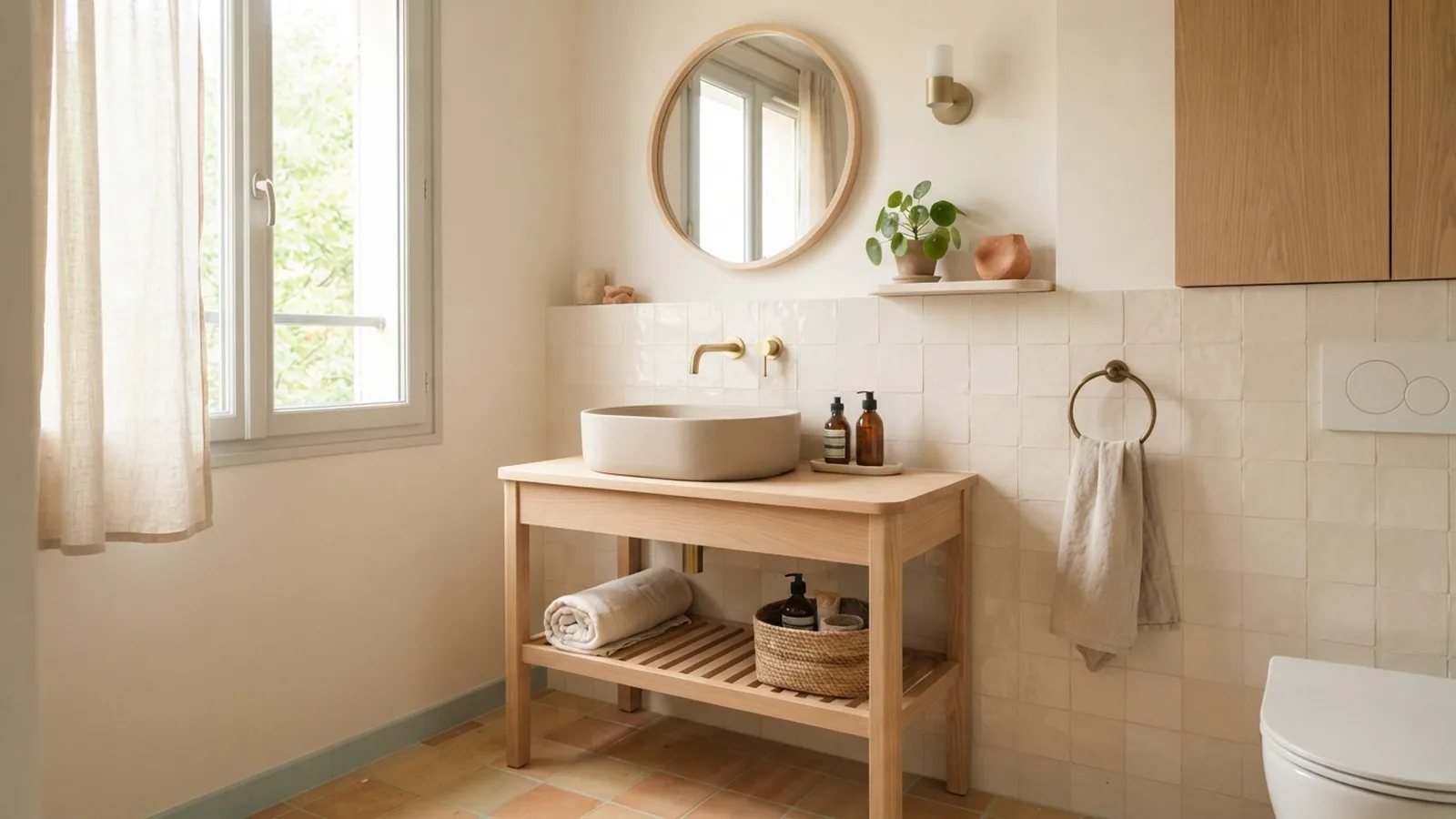
Cost Overview for Tiling a Small Bathroom
How much does it cost to tile a small bathroom? Most homeowners spend $3,000 to $4,500.
That range covers common tile, skilled labor, basic prep, and a small room. Your final cost depends on tile choice, room size, and the work beneath the old surface.
A floor-only job costs less than a full bathroom tile job. A small floor may need just 40 to 60 square feet of tile. Walls can add 100 square feet or more.
Labor often costs more than the tile itself. Complex patterns, poor subfloors, and waterproofing needs can raise the bill quickly.
| Cost item | Typical range | What changes the price |
|---|---|---|
| Tile materials | $8–$65+ per sq ft | Material, finish, size, and waste |
| Tile installation | $5–$15 per sq ft | Layout, cuts, access, and local labor rates |
| Demolition and disposal | $400–$1,200 | Tile type, adhesive, and disposal needs |
| Waterproofing and prep | $2–$7 per sq ft | Surface damage and wet-area needs |
Tile Material Types and Their Prices
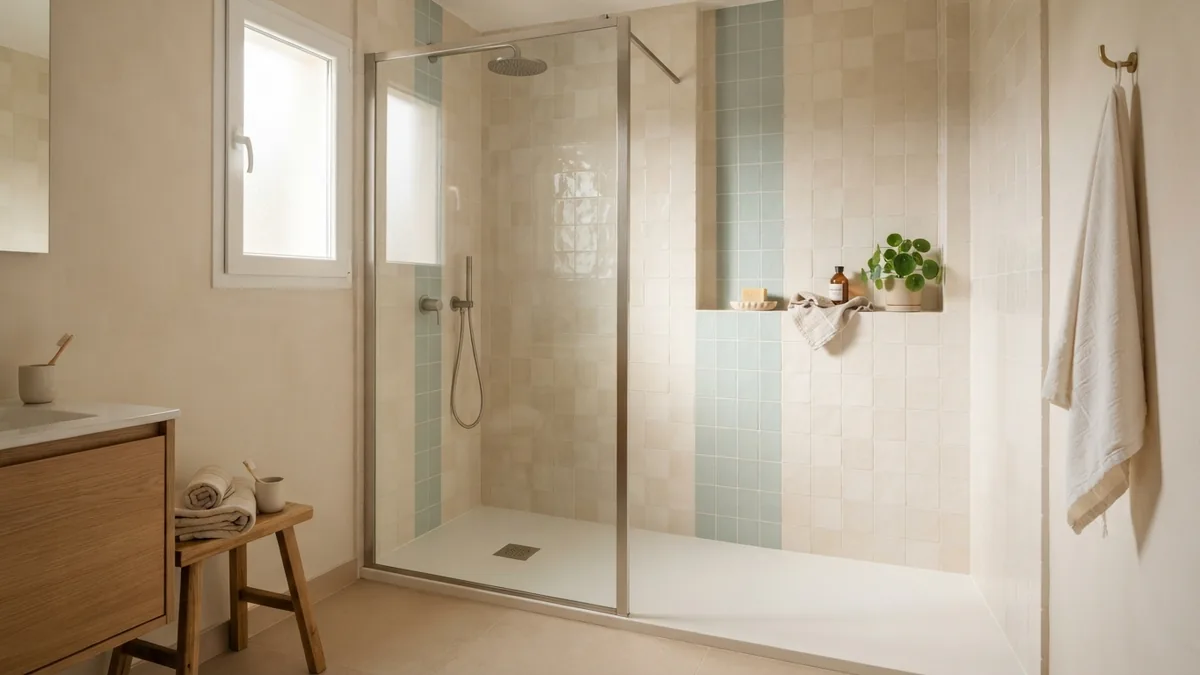
Tile prices vary widely, so material choice shapes the cost of tiling a small bathroom. Ceramic is often the lowest-cost option.
Ceramic tile usually costs $8 to $15 per square foot. It cuts well and comes in many colors, shapes, and surface styles.
Porcelain costs about $12 to $25 per square foot. It is denser than ceramic and handles water well. This makes it a strong choice for bathroom floors.
Natural stone costs $18 to $65 per square foot, or more for rare types. Stone can look rich, but it may need sealing and special care.
- Ceramic: Best for a lower material budget and many wall uses
- Porcelain: Best for durable floors and busy bathrooms
- Natural stone: Best for a high-end look with added care
Buy 10% to 15% extra tile for cuts, breakage, and future repairs. Large tiles may need more spare pieces because cuts can waste more material.
Labor Costs and Installation Details
Tile labor usually adds $5 to $15 per square foot. In many projects, it becomes the largest single expense.
Installers charge for more than placing tile. Their work may include layout, cutting, mortar, grout, sealing, and cleanup.
Small rooms do not always cost less per square foot. Tight spaces need many cuts around toilets, pipes, doors, and cabinets.
Pattern choice also affects labor. A herringbone layout can raise labor costs by 20% to 30%. Diagonal layouts and small mosaics can bring similar increases.
- Straight grid layouts usually take the least time
- Stacked layouts need careful line checks
- Herringbone patterns require many angled cuts
- Mosaic sheets need careful spacing and seam control
Extra Costs to Add Before Work Begins
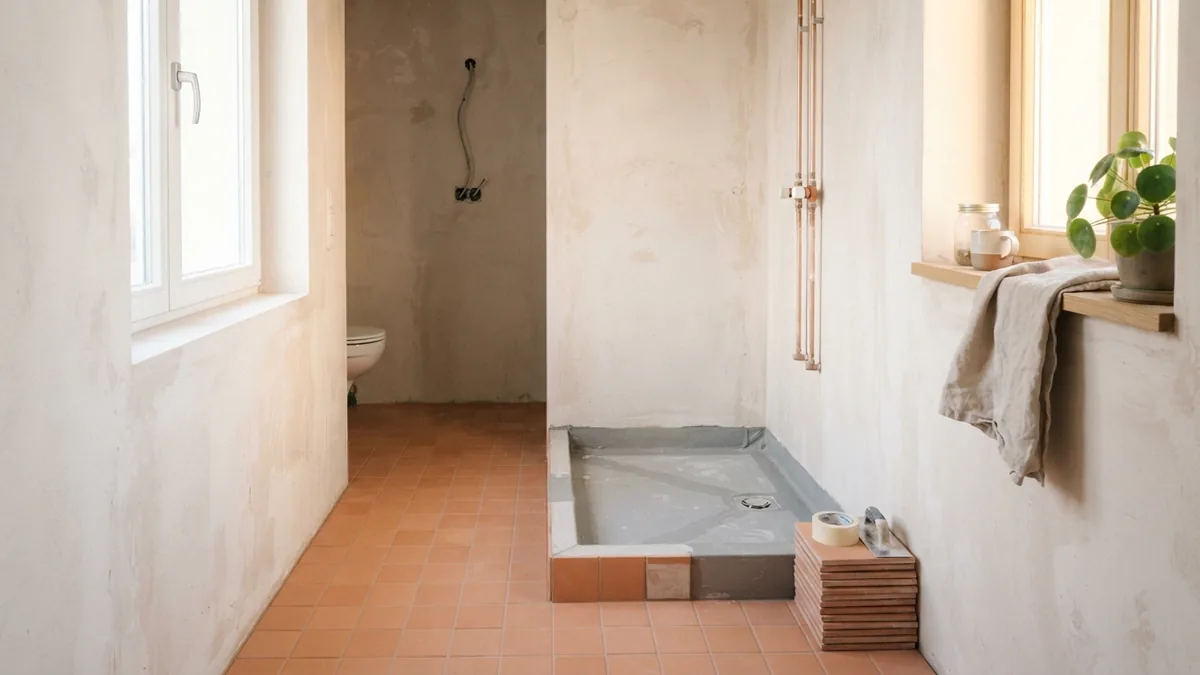
A tile quote can leave out several costs. Ask what the price includes before you compare bids.
Removing old tile may cost $400 to $1,200. The price rises when adhesive resists removal or the waste needs special handling.
Waterproofing and surface prep may add $2 to $7 per square foot. Wet areas need a sound waterproof layer behind the tile.
Uneven floors may need patching or a new backer board. These repairs help stop cracked grout and loose tiles later.
Grout also affects the budget. Cement grout costs less, while epoxy grout can cost three to five times more. Epoxy lasts longer and resists stains, but it takes more skill to place.
- Demolition and haul-away
- Backer board or floor repair
- Waterproofing near the shower or tub
- Trim pieces and edge profiles
- New sealant around fixtures and corners
- Extra tile for future repairs
Set aside 10% to 15% for surprises. Hidden water damage can change the scope after demolition.
How Long Does It Take to Tile a Small Bathroom?
Most small bathroom tile jobs take three to seven days. The schedule depends on prep, drying time, and tile coverage.
A floor-only job may take two to four days. This includes removal, prep, tile setting, grout, and final sealing.
A full room with walls often takes four to seven days. Waterproofing layers and mortar need time to dry between stages.
- Remove old tile and inspect the base
- Repair, level, and waterproof the surfaces
- Plan the layout and mark cut lines
- Set the tile and allow the mortar to dry
- Apply grout, seal joints, and clean the room
Do not rush the drying stages. Early foot traffic can shift tiles and weaken the bond.
Choosing Tile for a Small Bathroom
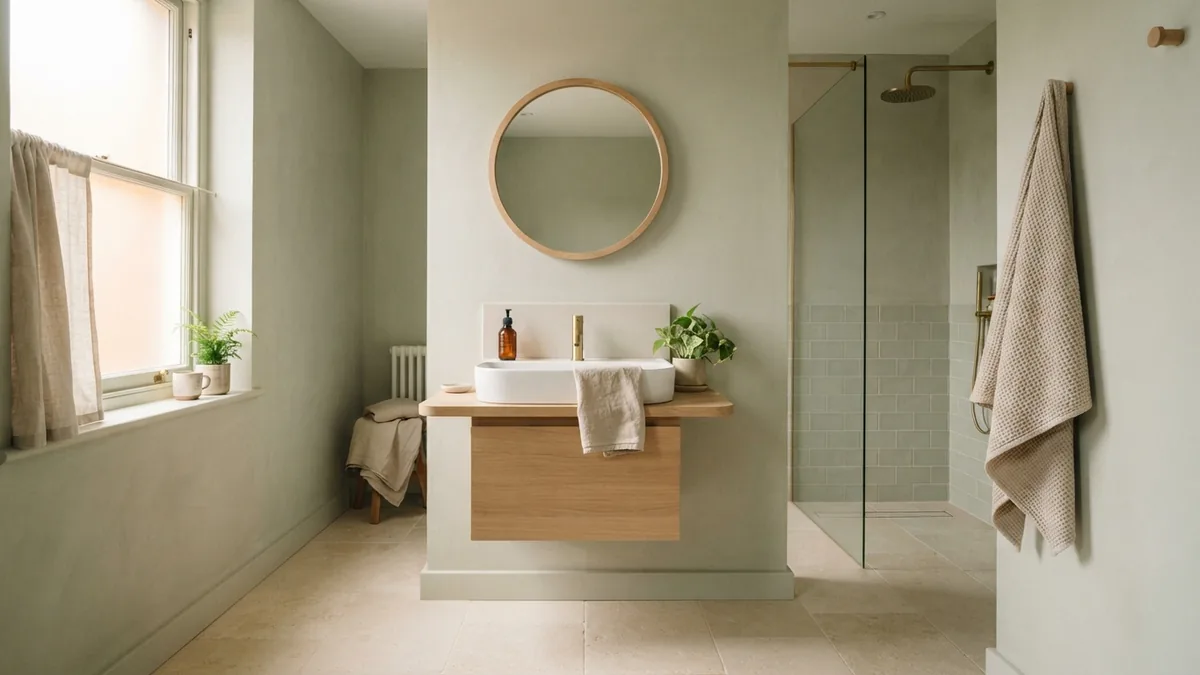
The right tile balances safety, scale, upkeep, and style. Start with the floor because it faces water, dirt, and daily wear.
Porcelain works well for floors because it is hard and water resistant. Choose a slip-resistant surface rather than a very smooth finish.
What size ceramic tile works for a small bathroom? There is no single best size. Medium tiles can reduce grout lines while still fitting tight areas.
Large 12-by-24-inch tiles can make a room feel calmer. Yet they need a flat base and careful cuts around fixtures.
Light colors can reflect daylight and make the room feel larger. Warm cream, pale beige, and soft sage also suit small spaces.
- Use smaller tiles where the floor needs more slope
- Use larger tiles on broad, flat walls
- Pick grout close to the tile for a quiet look
- Use contrast grout when you want the pattern to stand out
Should you tile all walls in a small bathroom? Not always. Full wall tile protects wet zones, while painted walls can lower cost elsewhere.
DIY or Professional Tile Installation?
DIY work can reduce labor costs, but it demands time and care. The floor must be flat, clean, and dry before tile setting begins.
A simple floor with ceramic tile suits a careful beginner. A shower, uneven base, or complex pattern raises the risk of costly mistakes.
Professional tile installation costs more upfront. It can save time and reduce problems with slopes, waterproofing, cuts, and grout lines.
Get at least three written quotes. Each quote should list tile, prep, labor, demolition, disposal, grout, and sealant.
- Choose DIY for small, dry, simple floor areas
- Hire a pro for shower waterproofing or major repairs
- Ask who handles waste removal and final cleanup
- Confirm the labor rate for herringbone or large-format tile
- Keep spare tile and grout details for later repairs
For most full bathroom projects, a skilled installer offers better control. The best choice depends on your tools, schedule, and comfort with detailed work.
Build a Realistic Small Bathroom Tile Budget
Start by measuring each floor and wall area. Multiply each area by the tile price, then add 10% to 15% for waste.
Next, price labor by square foot. Add separate lines for demolition, disposal, waterproofing, repairs, trim, and grout.
For example, a 50-square-foot floor may need $600 in porcelain tile. Labor could add $250 to $750 before prep and removal.
A full bathroom can reach $3,000 to $4,500 once walls, prep, and labor enter the plan. Keep a reserve for hidden damage.
Clear quotes make costs easier to control. They also show which upgrades matter most to your room.
Frequently asked questions
- How much does it cost to tile a small bathroom?
- Most small bathroom tiling projects cost $3,000 to $4,500. Tile type, labor, room size, demolition, and prep affect the final price.
- How much does it cost to tile a small bathroom floor?
- A small floor often costs less than a full bathroom job. Tile and labor may total $850 to $1,350 for 50 square feet, before removal and repairs.
- How long does it take to tile a small bathroom?
- Most projects take three to seven days. Floor-only work may take two to four days.
- Should you tile all walls in a small bathroom?
- No. Full wall tile protects wet areas, but painted walls can lower the budget outside the shower or tub.
- What size ceramic tile works for a small bathroom?
- Medium tiles often fit small rooms well and reduce grout lines. Large 12-by-24-inch tiles can also work on flat surfaces.
- Is it cheaper to tile a bathroom yourself?
- DIY work can remove labor charges. Professional help is safer for shower waterproofing, uneven floors, and complex patterns.
Related reading
Dining Table Clearance — Space for Chairs and Walkways
Plan table and chair clearances for a dining area that feels comfortable.
Narrow Rooms — Paint, Light and Space
Use paint, light and smart furniture placement to open up a narrow room.
Room Painting Costs — What Shapes Your Quote
Room painting often costs $200–$1,000. See what drives the price and how to compare quotes.