The Best Tile Sizes for Small Bathrooms and Kitchens
Choose the right tile size for a small bathroom, shower, or kitchen floor.
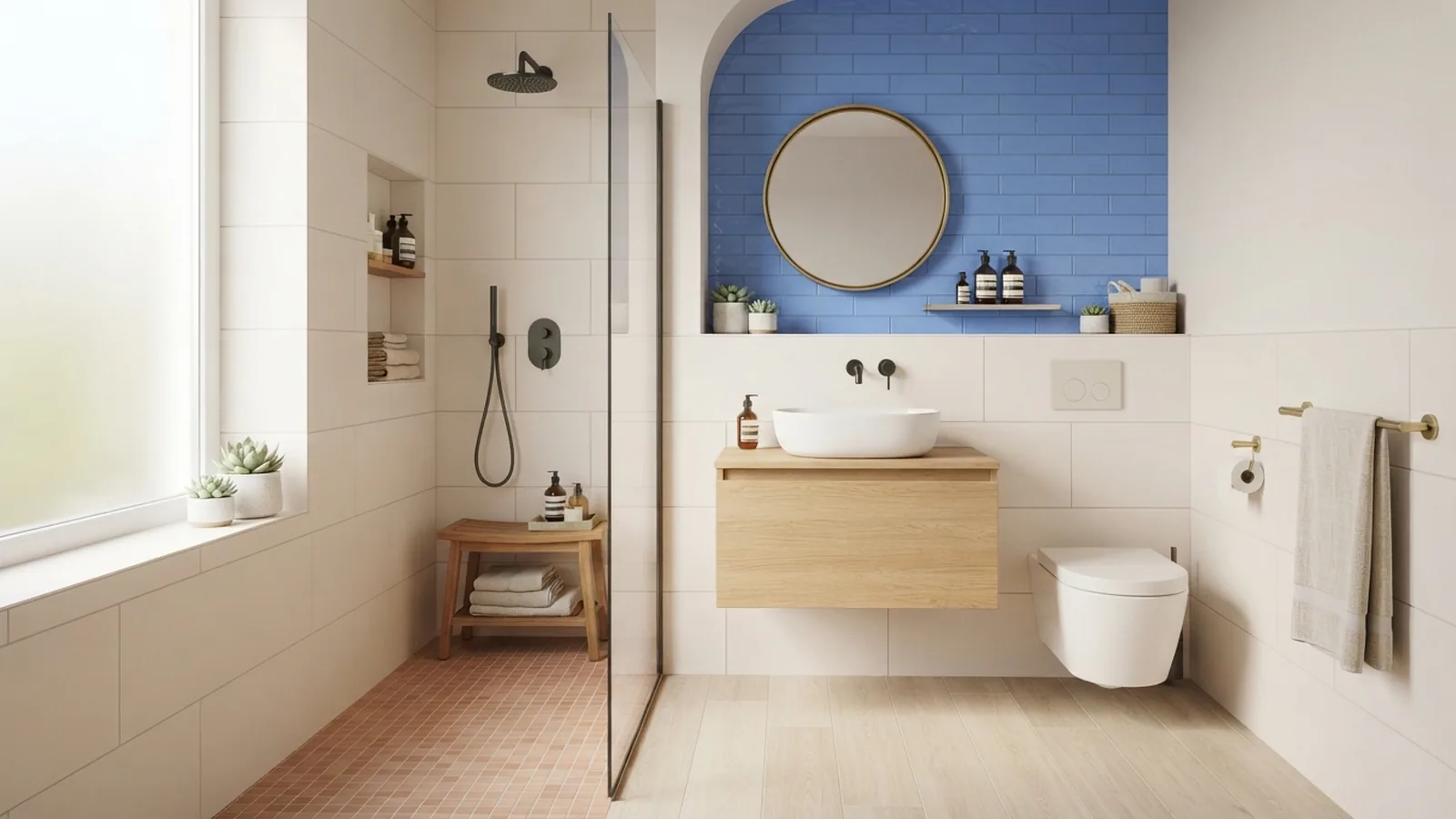
Why Tile Size Matters in a Small Bathroom
Tile size affects the room’s look, feel, cost, and upkeep. It also affects how well each surface works.
Large tiles create fewer grout lines. Fewer lines give walls and floors a calmer view. This can make a small bathroom seem more open.
Grout color also changes the result. Matching grout blends each tile into a broad field. Dark grout creates a stronger grid and more visual noise.
Large tiles need flat walls and floors. They also need careful cuts around fixtures. Small tiles take longer to set and clean.
So, what size of tile for a small bathroom works best? A medium or large tile suits many walls. Small mosaics work better on shower floors and curved areas.
- Use large tiles for broad, flat walls.
- Use medium tiles when the room has many corners.
- Use small mosaics where the floor needs grip or slope.
Popular Tile Sizes for Small Bathrooms
The most common bathroom sizes include 12 x 12, 12 x 24, and 6 x 6 inches. Each size creates a different visual rhythm.
A 12 x 12-inch tile offers a balanced look. It fits many floors and walls with modest waste. It also works well in rooms with odd corners.
A 12 x 24-inch tile creates a broad, clean surface. Its long shape can make a narrow room seem wider. It works best on flat walls and open floor areas.
A 6 x 6-inch tile adds more pattern without feeling too busy. It suits classic rooms and small wall sections. It also makes corner cuts easier.
One-inch and two-inch mosaics add texture and grip. They bring more grout lines, so cleaning takes more work. These tiles suit shower floors, niches, and small borders.
Three-by-six-inch subway tile remains a useful wall choice. A stacked layout feels neat and modern. A running bond layout adds gentle movement.
| Tile size | Main effect | Best place |
|---|---|---|
| 12 x 24 inches | Wide and calm | Flat walls and open floors |
| 12 x 12 inches | Balanced and easy to plan | Floors and walls |
| 6 x 6 inches | Detailed but controlled | Compact walls and floors |
| 1 x 1 or 2 x 2 inches | Textured and grippy | Shower floors and accents |
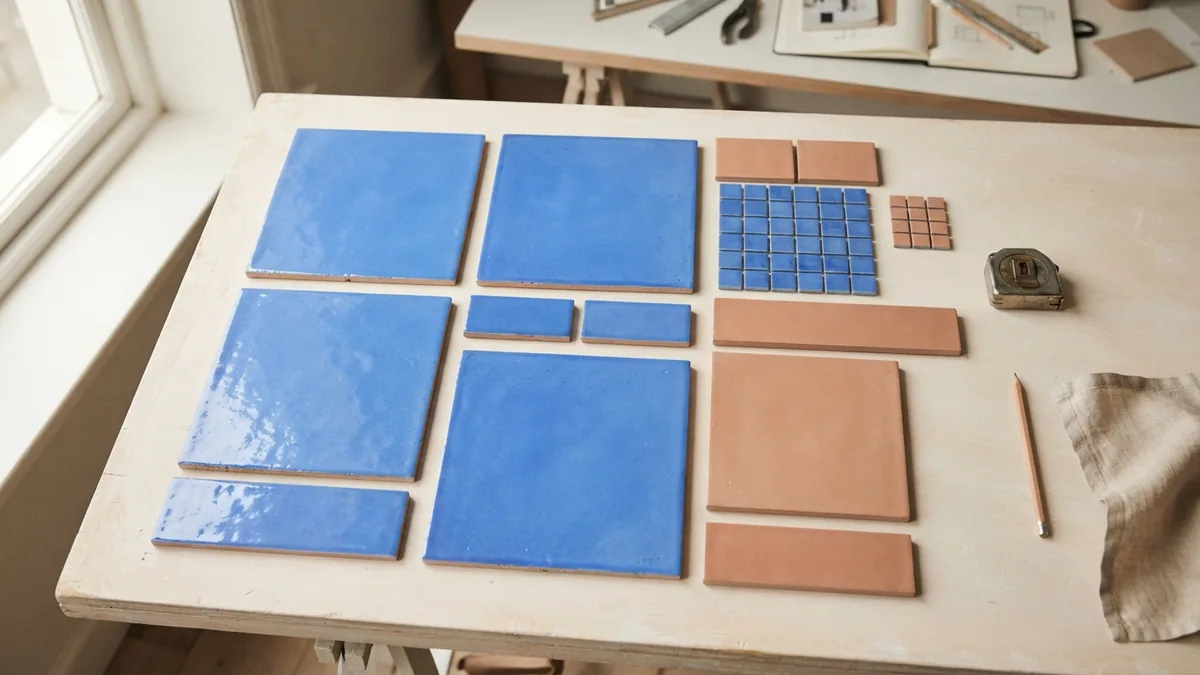
Design Choices That Help Small Spaces
Start with one main tile and one supporting tile. This gives the room a clear visual plan. Too many tile types can make the space feel crowded.
Use a large wall tile with a small mosaic accent. Keep both tiles within the same color family. This mix adds interest without breaking the room into pieces.
Rectangular tiles offer several layout choices. A vertical stack can make a low ceiling seem taller. A horizontal stack can make a narrow wall seem wider.
A running bond pattern adds movement. A straight stack looks calmer. Test the layout with loose tiles before setting them.
Dark colors can add drama and depth. Use them on one wall, the floor, or the shower zone. Balance dark tile with light grout and bright fixtures.
Patterned tile designs need one clear place to lead the eye. Use a pattern on the floor or one feature wall. Keep nearby surfaces quiet.
For a small bathroom, design tile choices around sight lines. Place the strongest pattern where it will draw attention. Keep cuts away from the room’s most visible edges.
How Tile Size Changes Spatial Perception
The eye reads grout lines as breaks in a surface. Large tiles create fewer breaks. This gives the room a longer, smoother sight line.
Lay a rectangular tile across a narrow room to stress its width. Lay it lengthwise to stress depth. Both choices can work, but the room shape matters.
Large-format tiles can make a small room look spacious. They can also show uneven walls more clearly. Check the surface before choosing them.
Small tiles create a stronger surface rhythm. Their grout lines add texture and detail. This can make a plain room feel warmer.
Slip resistance is another key point. Small mosaics offer many grout joints underfoot. Those joints can add grip on a wet shower floor.
Grout tone changes the strength of each pattern. A close match softens the tile field. A sharp contrast makes every shape stand out.
Tile layout for small bathrooms deserves a dry test. Mark the room’s center line first. Then check how the tiles meet doors, drains, and fixtures.
Recommended Tile Sizes for Walls and Floors
For most bathroom walls, 12 x 24-inch tiles create a clean backdrop. Use them when the wall is flat and broad. Smaller wall areas may need more cuts than expected.
For a small bathroom floor, 12 x 12-inch tile offers a safe starting point. It fits many room shapes with fewer awkward cuts. A 12 x 24-inch tile can work in open rooms.
Many readers ask, “what size tile for small bathroom?” The answer depends on the surface. Use larger tile on broad walls and smaller tile around tight features.
People also ask, “what size tile to use for small bathroom” floors. A 12 x 12-inch tile works well for many layouts. A mosaic may work better near a drain or curved wall.
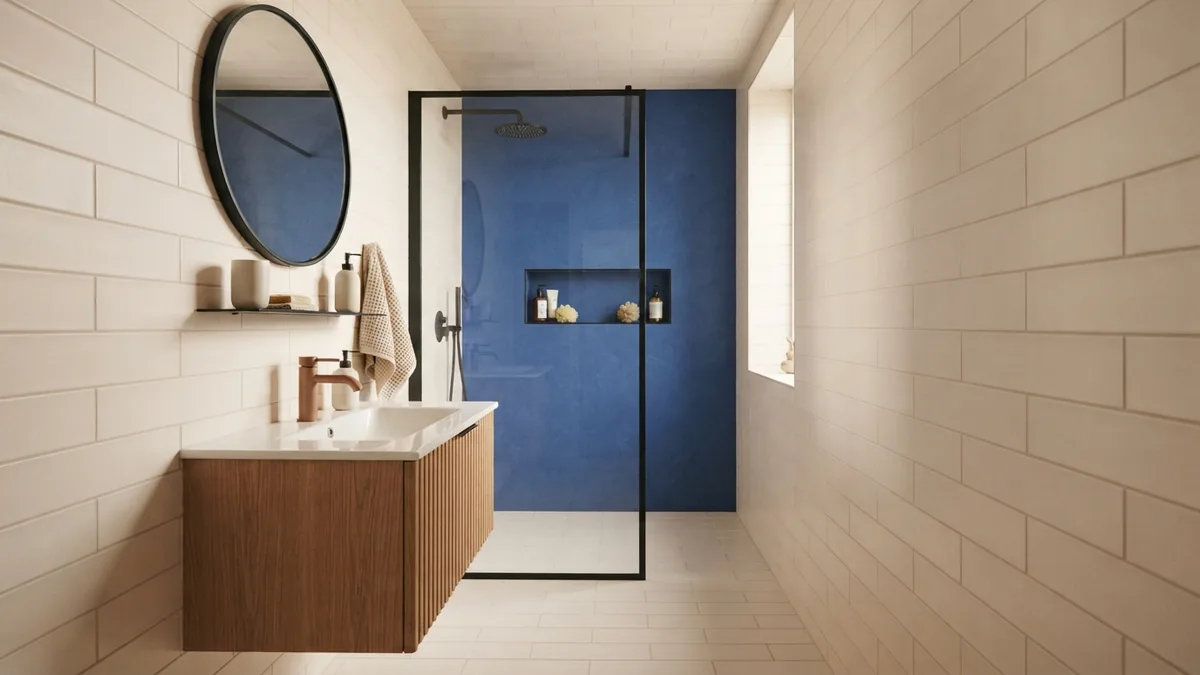
For the shower, the best tile size for a small bathroom shower often combines two sizes. Use 1 x 1 or 2 x 2-inch mosaics on the floor. Their grout lines help with grip and slope.
Use larger tiles on shower walls when the surface stays flat. Keep the wall tile aligned with nearby bathroom tile. This creates a smooth link between zones.
If you ask, “what size tile for small bathroom shower,” start with the slope. The drain area must shed water well. Tile size must fit the slope without raised edges.
Choosing Tile for a Small Kitchen
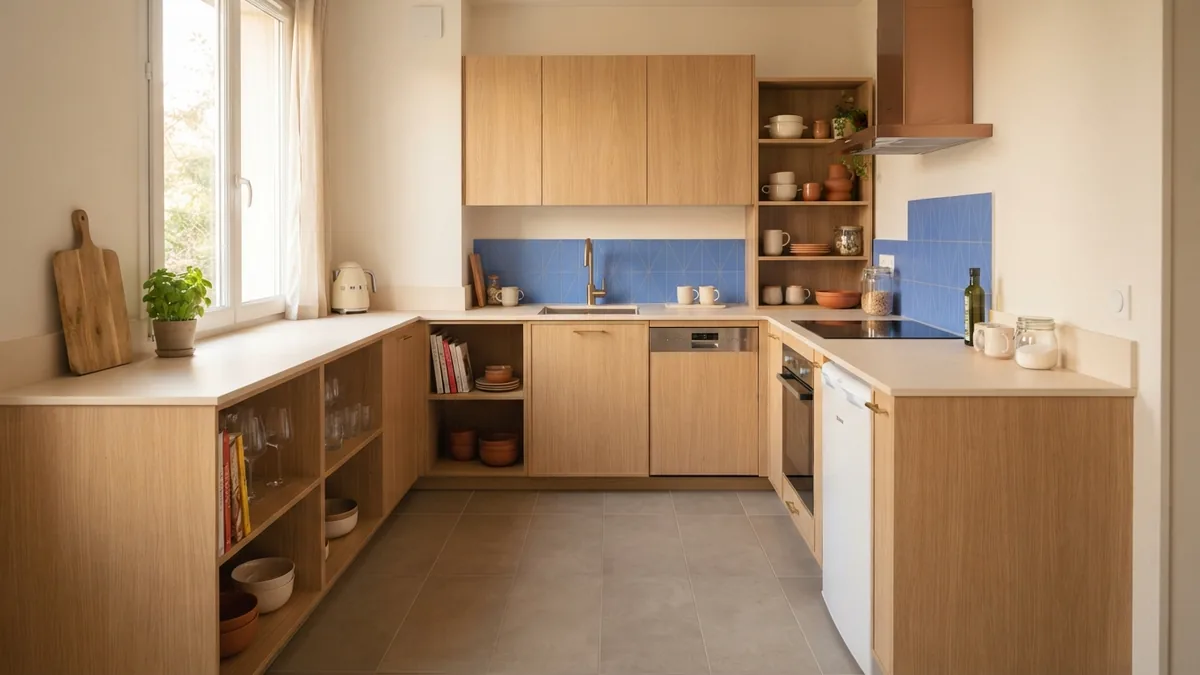
The same ideas apply when choosing tile size for a small kitchen. Start with the floor shape, cabinet lines, and walking paths. The best choice will support those features.
For a small kitchen floor, 12 x 12-inch tiles offer a flexible choice. They fit around cabinets and islands with less cutting. Their size also suits many room shapes.
A 12 x 24-inch tile can make a narrow kitchen seem longer. Set the long edge across the room for more apparent width. Check cabinet edges before finalizing the layout.
So, what size tile for small kitchen spaces? Use medium tiles when the floor has many breaks. Use large tiles when the floor has broad, clear areas.
Choose a harder surface for busy kitchen floors. A low-contrast grout can hide crumbs and small marks. A textured tile may need more care near cooking areas.
Kitchen walls allow more freedom. Six-by-six tiles, subway tiles, and small mosaics can work well. Keep the backsplash pattern simple when the floor already has strong detail.
Balancing Tile Size and Maintenance
Tile size changes cleaning time. Large tiles have fewer grout lines. That means less grout to scrub and seal.
Small mosaics need more care. Their many joints can hold soap film and dirt. A good grout color can make daily marks less clear.
Large tile does not always mean less work. Its broad surface can show dust and uneven light. Dark tile often shows water spots faster than a pale tile.
Plan cuts before buying the full order. Measure each wall and floor section. Add extra tile for cuts, breakage, and future repairs.
Lay out the visible edges first. Avoid thin slivers beside a door or vanity. A small shift can create better cuts across the whole room.
When choosing what tiles to use in a small bathroom, match the tile to the task. Use broad tile for calm walls. Use mosaics for grip, curves, slopes, and accents.
When asking what size tiles should I use in a small bathroom, think beyond style. Check surface flatness, drain shape, grout upkeep, and waste. The best design balances all four.
There is no single winning size. The right plan uses each tile where it performs well. That approach keeps the room open, useful, and easy to care for.
Frequently asked questions
- What size tile is best for a small bathroom?
- A 12 x 12-inch or 12 x 24-inch tile works well on many small bathroom floors. Use small mosaics near drains or curved areas.
- What size tile is best for a small bathroom shower?
- Use 1 x 1-inch or 2 x 2-inch mosaics on the shower floor. Their grout joints can add grip and help follow the slope.
- What size tile is best for a small kitchen floor?
- A 12 x 12-inch tile offers a flexible choice for many small kitchen floors. A 12 x 24-inch tile can suit broad, open areas.
- Do large tiles make a small bathroom look bigger?
- Large tiles reduce grout lines and can make a room seem more open. They need flat surfaces and careful cuts around fixtures.
- Can you mix tile sizes in a small bathroom?
- Yes, mixing sizes can add interest without clutter. Pair a large wall tile with a small shower mosaic in a related color.
Related reading
Long Walls — Ideas That Add Balance and Character
Make a long wall feel balanced with color, art, shelves, and warm light.
Modern Kitchen Design: Form and Function
Plan a modern kitchen that balances clean style with everyday ease.
Curtains for a Blue Room — Color, Texture and Scale
Pair blue walls with curtains that suit your light, style, and room size.