How to Become an Interior Decorator: Skills, Training, and Work
Build your interior decorating career with the right skills, training, and practice.
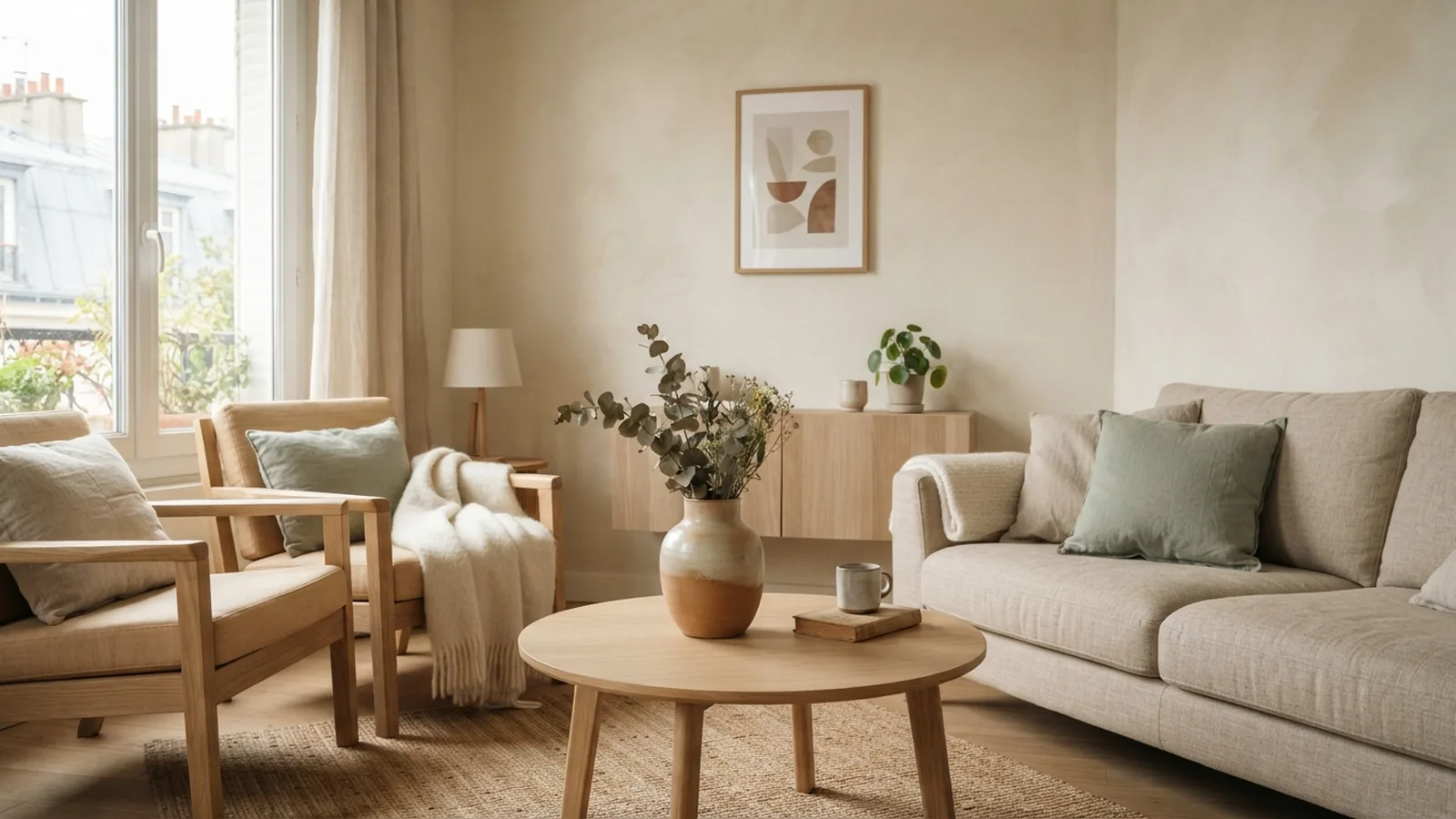
Understanding Interior Decorating
Interior decorators shape the look and feel of homes, shops, offices, and other spaces. They choose colors, fabrics, furniture, lighting, and accessories. Their goal is a space that looks good and works well.
If you ask, “How do you become an interior decorator?” the short answer is simple. Build visual skill, learn how spaces work, and gain hands-on practice. You can start with a course, self-study, retail work, or small home projects.
Decorators often focus on finishes and furnishings. Interior designers may also plan layouts, building changes, or technical systems. The two fields can overlap. Check local rules before offering work under either title.
Required Skills for Interior Decorators
Creativity helps you build a clear look for each room. Visual awareness helps you judge scale, color, balance, and texture. Problem-solving helps when a sofa will not fit or a client changes the plan.
Good decorators also need strong people skills. Clients may struggle to explain what they want. You must ask clear questions and turn vague ideas into useful choices. Trust matters as much as taste.
Business skills shape your daily work. You may write quotes, track orders, set budgets, and plan tasks. You also need to source materials and furnishings within each client’s price range.
- Color planning and knowledge of decorating styles
- Room measuring and simple space planning
- Client relations and clear project updates
- Budget tracking and supplier research
- Photography and portfolio building
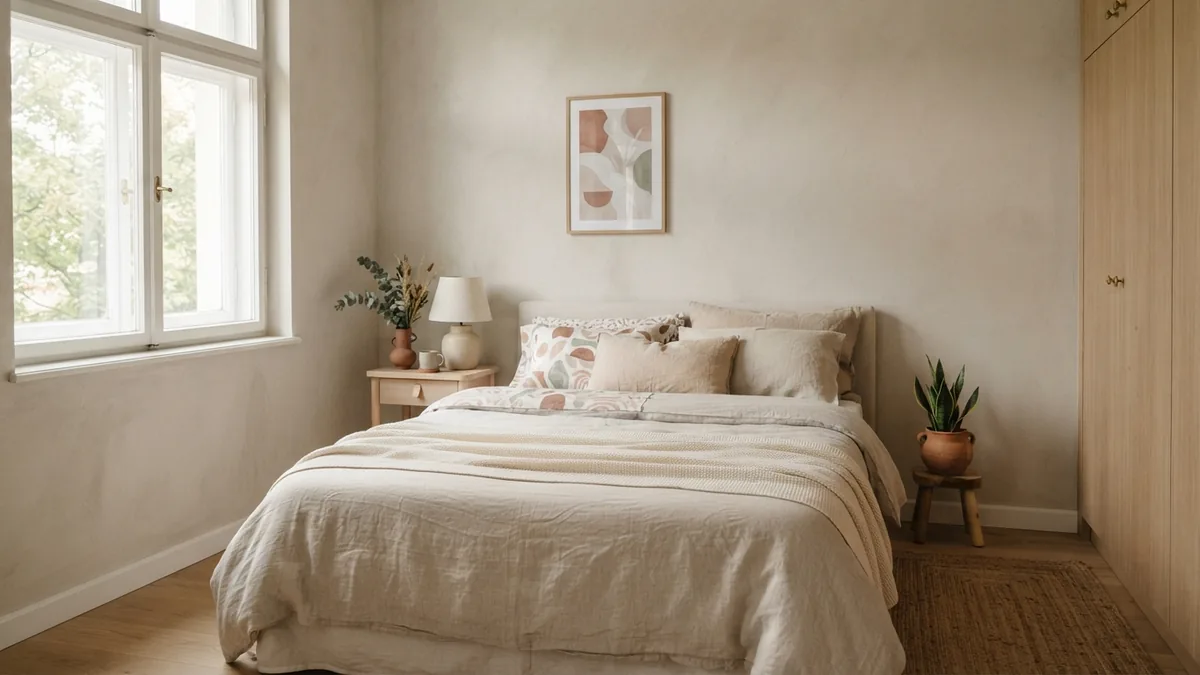
Educational Paths to Become an Interior Decorator
There is no single path for how to become an interior decorator. A short course can teach color theory, floor plans, fabrics, and sourcing. A college program may offer deeper study, tutors, studio work, and industry contacts.
Choose study based on your target work. Residential decorating often rewards strong styling and client care. Commercial work may need skill with schedules, product rules, and team projects. Ask each school about projects and work placement.
Can you be an interior decorator without a degree? Yes. Many decorators build careers without a four-year degree. They learn through books, online classes, retail work, supplier visits, and repeated practice.
To learn how to become an interior decorator without a degree, set a clear practice plan. Study one topic each week. Then use that skill in a real room. A degree can still help with hiring or work beside architects and builders.
If you wonder, “How do I become an interior decorator?” start with three tasks. Learn the basics, create a small portfolio, and seek feedback from real clients. That route can also show you how to be an interior decorator before you invest in long study.
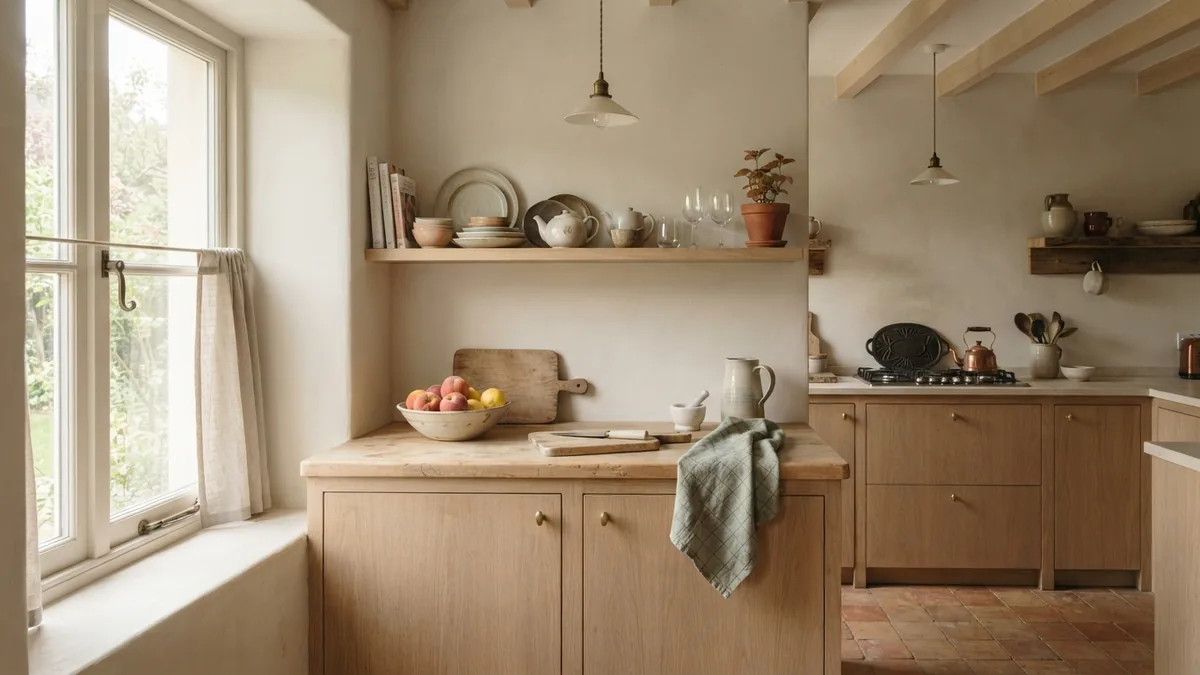
Certification, Registration, and Local Licensing
Certification can build trust with employers and clients. It shows that you met a set standard or passed a test. The CIDQ certification overview explains one recognized path for interior design credentials.
Licensing rules vary by state, province, and city. Some places protect the title “interior designer.” Others set rules for building plans or other technical services. A decorator who selects finishes may face fewer limits than one who changes walls or wiring.
To learn how to get an interior decorator license, check your local business office first. Ask about title rules, business registration, tax duties, and permits. These steps answer how to register as an interior decorator in your area.
Some regions may ask for a trade number or business number. Ask which office issues it and what records you must keep. Do not offer regulated design work until you confirm the rules.
- Check title and service rules in your area
- Choose a business name and legal setup
- Ask about tax accounts and local permits
- Keep proof of training and insurance
- Use a written client contract
Internships and Hands-On Practice
Internships provide real work that courses cannot fully copy. You may visit suppliers, build sample boards, measure rooms, or help with orders. You also learn how a project moves from a first meeting to final styling.
Not every course requires an internship. You can still seek part-time work at a furniture shop, fabric store, home staging firm, or design studio. These roles teach product knowledge and show how clients make buying choices.
Start a small portfolio as soon as possible. Photograph your own rooms, volunteer spaces, or approved client projects. Show the brief, the plan, and the result. Ask before sharing any private home.
- Help a friend refresh one room.
- Record the budget and shopping list.
- Photograph the finished space in daylight.
- Write a short case study about your choices.
- Add only your strongest work to your portfolio.
Career Prospects, Services, and Earnings
Decorators can work for studios, home stores, staging firms, property groups, or themselves. Common services include room plans, color advice, shopping lists, sourcing, and full-room styling.
Location affects demand and pay. Large cities may offer more projects, but they also bring higher costs and strong competition. Residential decorators may charge by the hour, room, day, or full project.
There is no single interior decorator salary. Your income can depend on skill, client type, service range, and local demand. Track time and costs before setting your fee.
People often ask, “How much does an interior decorator cost?” The answer depends on the project. A short color consult costs less than full sourcing and installation. Give clients a written scope, fee, shopping budget, and payment plan.
| Service | What it may include | Cost driver |
|---|---|---|
| Consultation | Advice, colors, and room direction | Time and travel |
| Room plan | Layout, finishes, and a shopping list | Room size and detail |
| Full styling | Sourcing, orders, and final setup | Scope and product count |
How to Find the Right Interior Decorator
If you need help, start by listing your room, budget, style, and target date. Then ask friends, local shops, and home staging firms for referrals. Search for decorators who show work like your project.
To learn how to find an interior decorator in my area, add your city or region to your search. Review portfolios, service pages, and client reviews. Ask whether the decorator works in homes like yours.
Before hiring, ask for a written scope and fee plan. Confirm who buys products, manages delivery, and handles returns. Clear terms prevent costly surprises.
- Ask for two or three relevant project examples
- Check the decorator’s scope of work
- Discuss fees, markups, and travel costs
- Set a budget for products and labor
- Use a contract before work begins
FAQs About Interior Decorating Careers
What do you do as an interior decorator?
You help clients choose colors, furnishings, fabrics, lighting, and accessories. You may also create room plans, source products, manage orders, and style the finished space.
What are the requirements to be an interior decorator?
Common requirements include design skill, product knowledge, client care, and basic business skills. Formal education may help, but local rules decide whether registration or credentials are needed.
Can I be an interior decorator without a degree?
Yes, you can be an interior decorator without a degree in many places. Build skill through courses, practice, retail work, internships, and a strong portfolio.
Is it worth hiring an interior decorator?
It may be worth hiring one when you need a clear plan, better sourcing, or help with time. The value depends on the project scope and the decorator’s fee.
Is it worth hiring an interior designer?
It can be worth it for major layout changes or building work. Interior designers often handle wider technical needs than decorators.
How much is an interior decorator?
Fees vary by service, location, and experience. Searches such as “how much is an interior decorator cost” or “how much interior decorator cost” need a project scope before you can give a fair answer.
Where can I find an interior decorator?
Look through local referrals, furniture shops, staging firms, design directories, and portfolio sites. Compare services, fees, and past work before you choose.
How do I become a professional interior designer?
Start by checking the education and title rules in your region. Then build stronger technical skills, gain supervised experience, and seek the credentials your local market expects.
How can I become an interior decorator in California, Canada, or Florida?
Check the rules for your state, province, or city before you offer services. California, Canada, and Florida may use different business, tax, title, or permit rules.
Step-by-step
- 01 Learn decorating basics
Study color, scale, lighting, fabrics, and room planning. Use books, courses, and real room examples.
- 02 Practice on small projects
Refresh one room at home or help someone you trust. Record your choices, budget, and results.
- 03 Build a portfolio
Take clear photos of finished spaces. Add short case studies that explain the client brief and your choices.
- 04 Gain work experience
Seek an internship or part-time role in retail, staging, sourcing, or a design studio. Learn how orders and client updates work.
- 05 Check local rules
Ask your local business office about registration, taxes, permits, and title rules. Check whether your services need a credential.
- 06 Set up your service
Choose your offer, fee method, contract, and product process. Start with a clear scope for each client.
Frequently asked questions
- How do you become an interior decorator?
- Learn core decorating skills, practice on real rooms, and build a portfolio. Courses, retail work, and internships can speed up that path.
- Can you be an interior decorator without a degree?
- Yes, many decorators start without a four-year degree. Use self-study, short courses, practice, and client work to build proof of skill.
- How much does an interior decorator cost?
- The fee depends on the service, room, location, and decorator. A consultation costs less than full sourcing and styling.
- How do I become an interior decorator?
- Start with design basics, create sample projects, and seek feedback. Then check local business and title rules before taking paid work.
- How do I find an interior decorator in my area?
- Ask local shops and trusted contacts for referrals. Review portfolios, compare fees, and request a written scope before hiring.
- What do you do as an interior decorator?
- You guide choices for colors, furnishings, fabrics, lighting, and accessories. You may also plan rooms, source products, and style finished spaces.
Related reading
Are Online Interior Design Courses Worth the Investment?
Compare online interior design courses, degrees, costs, and career value.
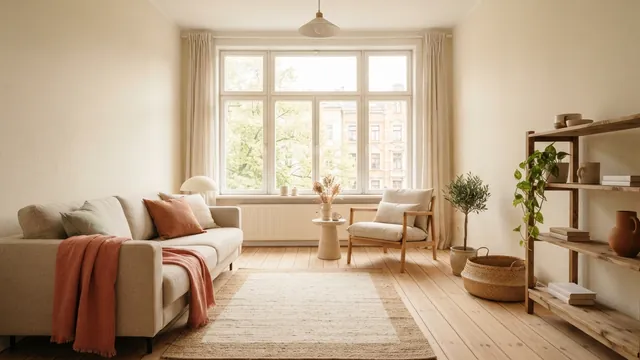
Wood Flooring Direction — Light, Space, and Flow
Choose board direction with light, room shape, and nearby spaces in mind.
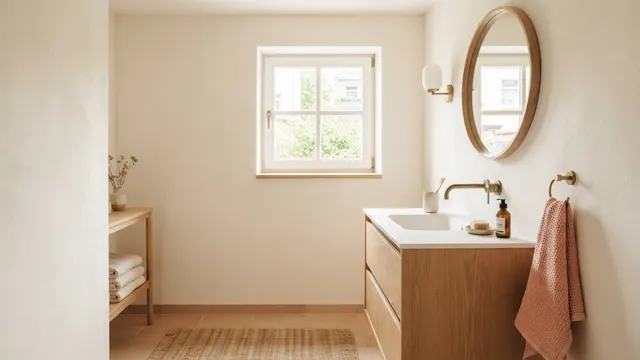
Bathroom Paint — When It’s Safe to Shower
Wait 24 to 36 hours before showering, then keep bathroom air moving.