How to Layout a Small Bedroom: Space-Smart Design Ideas
Use smart bed placement, light, mirrors, and vertical storage for a room that feels bigger.
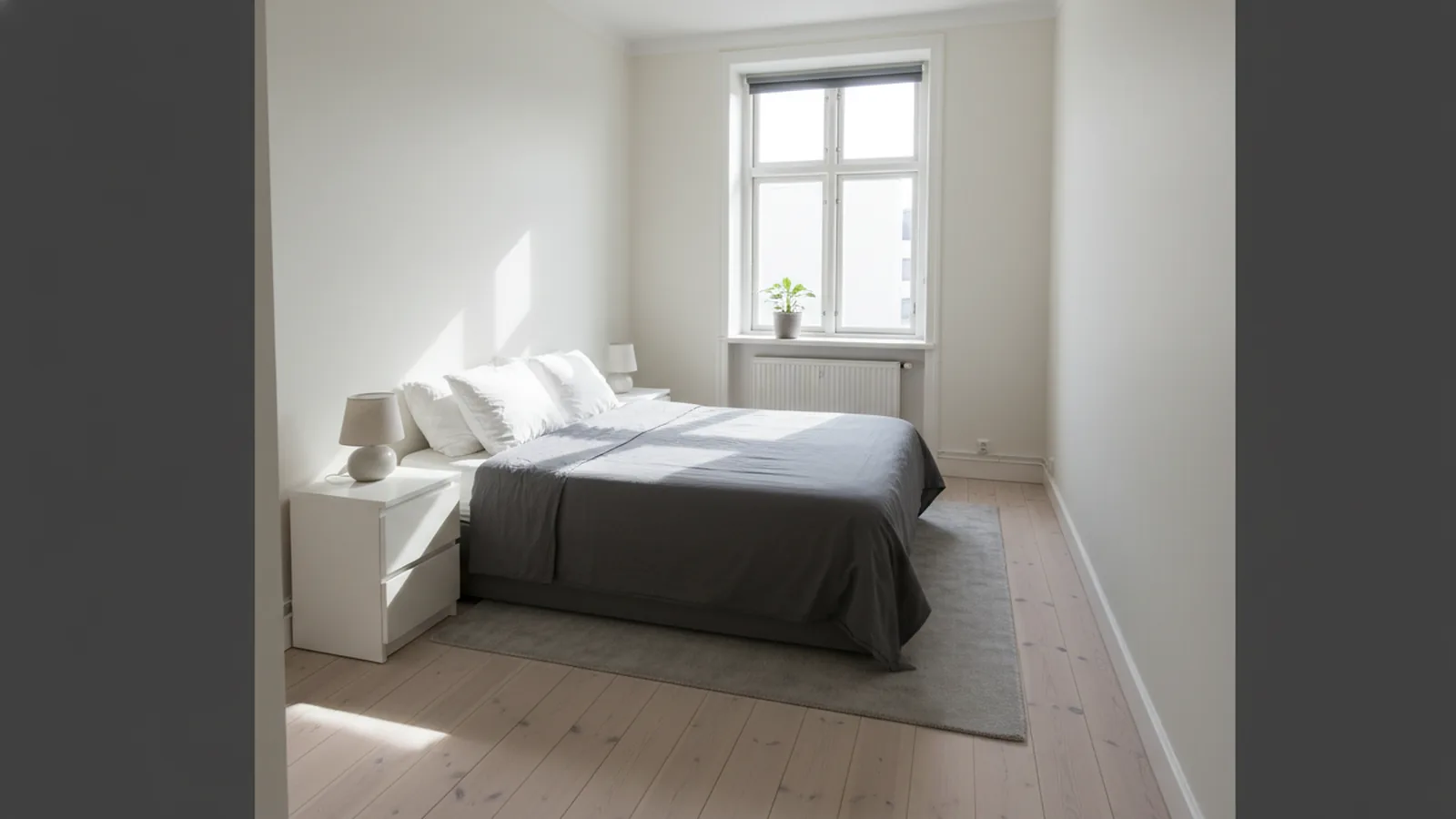
If you want a small bedroom to feel bigger, start with furniture arrangement. Then place your bed for clear walkways and a calm, balanced look. From there, use light colors, mirrors, and vertical storage to gain real space. These steps make small bedroom organization tips feel effortless.
Assessing Your Small Bedroom Space
Before you move anything, measure the room and plan a simple traffic path. Use a tape measure and note door swings, closet openings, and any radiator or vent locations. Then mark where you need to walk daily, like from the door to the closet and bed.
List your must-keep items. Most small bedroom issues come from trying to fit three “big” zones at once. Pick two core zones, usually sleeping and dressing, and let the rest shrink or float.
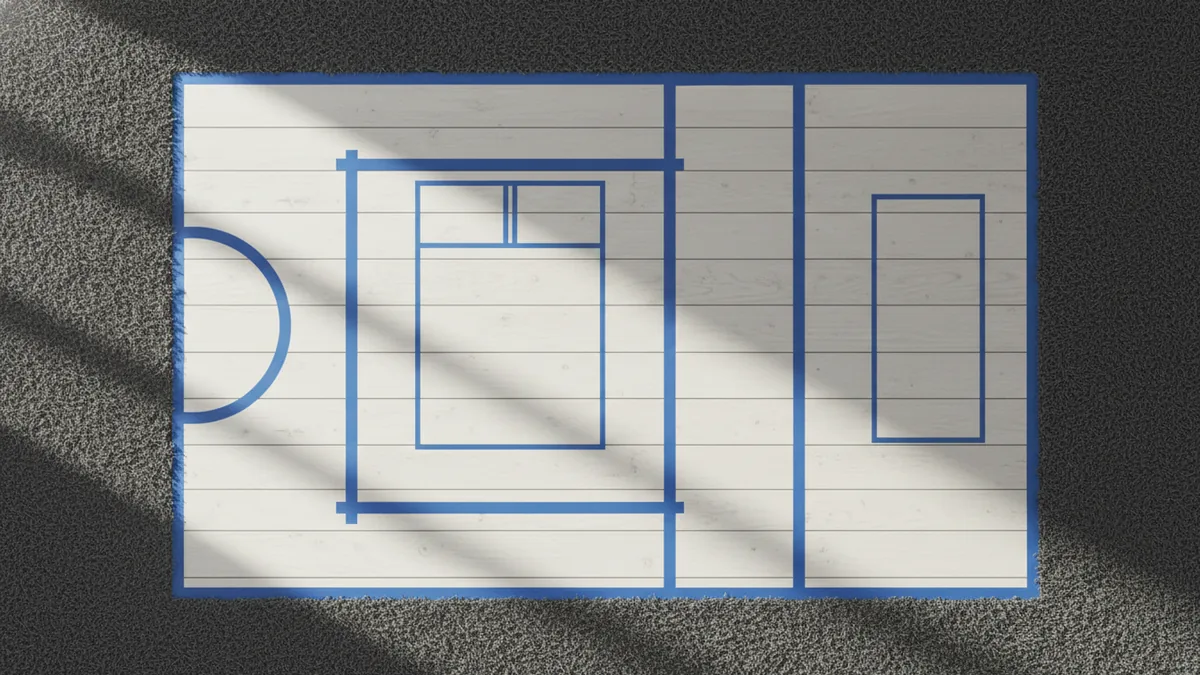
Try this quick layout test with masking tape. Tape the bed outline first, then add the widest dresser or desk you own. Walk the room slowly. If you feel cramped at any step, your plan needs a redo.
- Measure: wall to wall, door clearances, and closet width
- Map traffic: aim for a comfortable path from door to bed
- Pick zones: sleeping + dressing first, everything else second
- Test with tape: fix fit issues before you buy anything
Choosing the Right Bed Placement
Bed placement is the anchor of how to layout a small bedroom. If the bed blocks the main path, the room will feel smaller even with the best décor. If you can, place the bed on the longest wall. This often gives you more space for circulation and storage.
For symmetry and easy access, align the bed so you have clear sides. A common target is about 24 inches of landing space beside the bed. If you share the bed, place it so each person has a reachable bedside zone. That can be done with a compact bedside table or a wall shelf.
Headboard orientation also matters. Put the headboard on a solid wall, not under a window. This creates visual stability and reduces the “floating bed” look that can feel chaotic.
| Goal | Placement tip | Why it helps |
|---|---|---|
| Better flow | Center the bed to the wall | Clearer path from door |
| Symmetry | Equal space on both sides | Balanced look and access |
| Small-room comfort | Use one side table | More open floor space |
If you need to choose between a second bedside table and a wider walkway, pick the walkway. A room that moves easily feels bigger than a room packed with objects.
Maximizing Natural Light
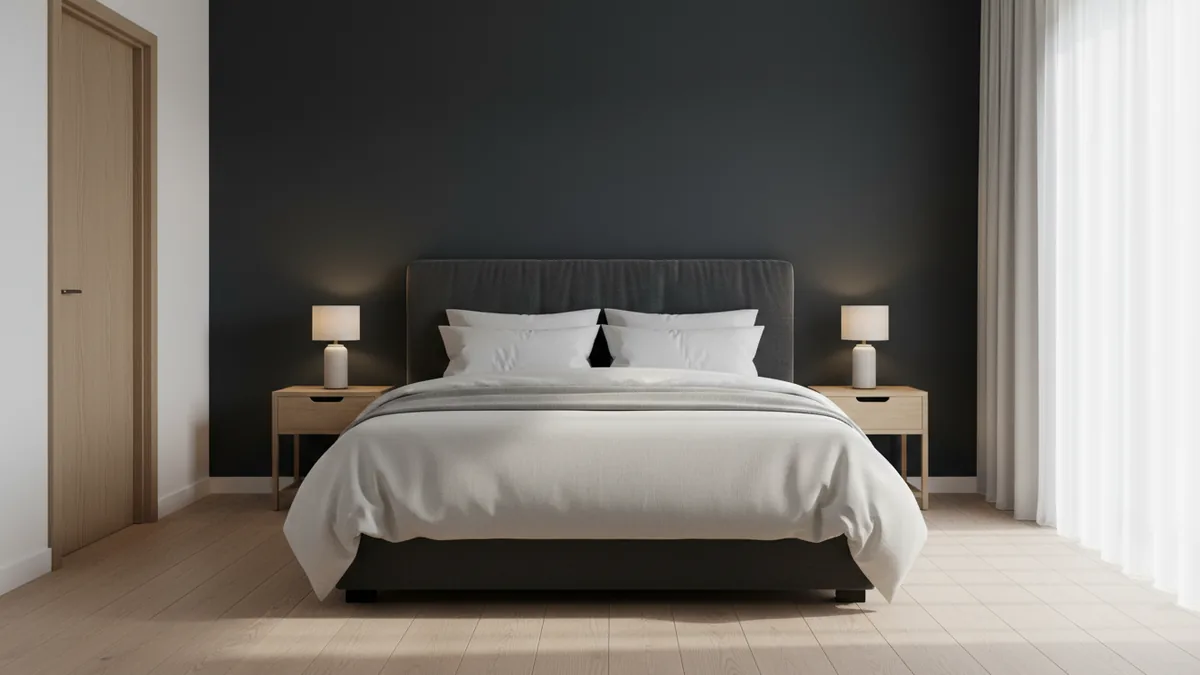
Lighting in small rooms is part layout, part styling. When you maximize daylight, the whole bedroom feels calmer and larger. Start with window access. Keep furniture from blocking the window line and avoid placing tall pieces in front of it.
Use lighter colors and reflectance. White, soft greige, and pale warm tones bounce light better than deep shades. Color psychology in design also suggests softer backgrounds reduce visual noise. That makes the room feel easier to live in.
Choose window treatments that let light in. Sheer curtains or light-filtering shades can work well. If privacy is needed, use layered options with a sheer base and a backup shade.
- Clear the window zone by at least 12–18 inches
- Pick light wall paint with warm or neutral undertones
- Use ceiling and wall lighting to “wash” light upward
- Reduce glare by choosing matte finishes
When you arrange a small bedroom, think about how light travels. Place mirrors and lamps so they catch light instead of absorbing it.
Creating Illusions of Space
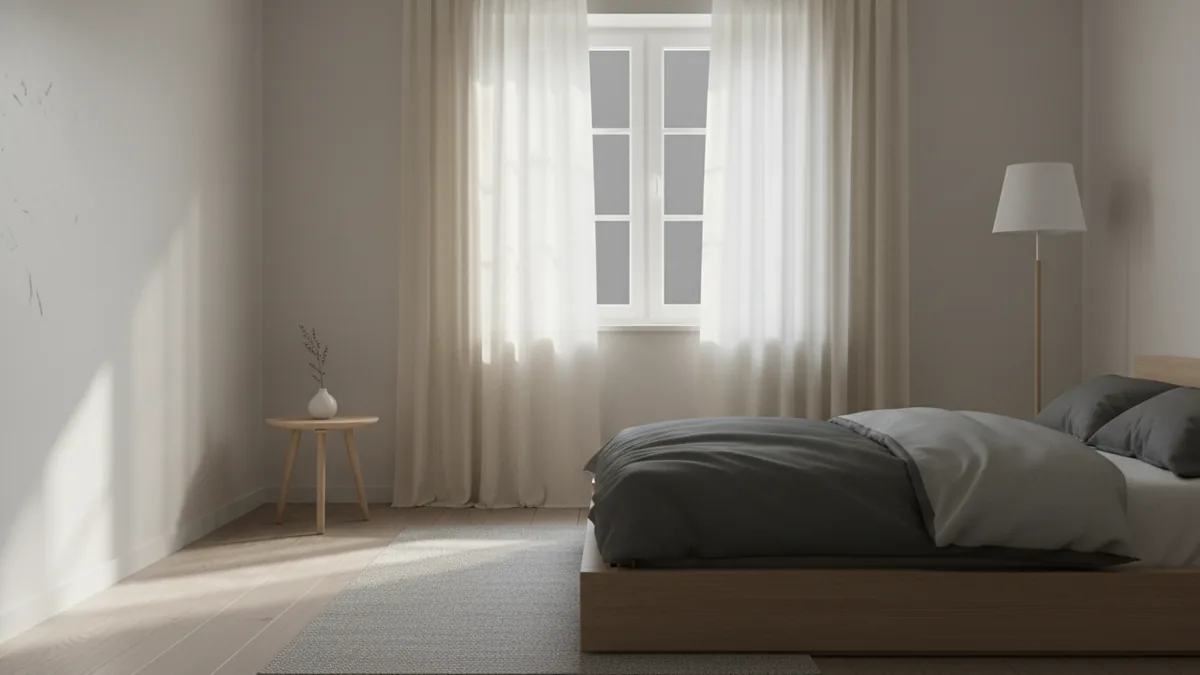
Small bedroom design ideas often rely on the same few optical tricks. You can “increase” space without changing your square footage. The biggest levers are color, mirror placement, and furniture scale.
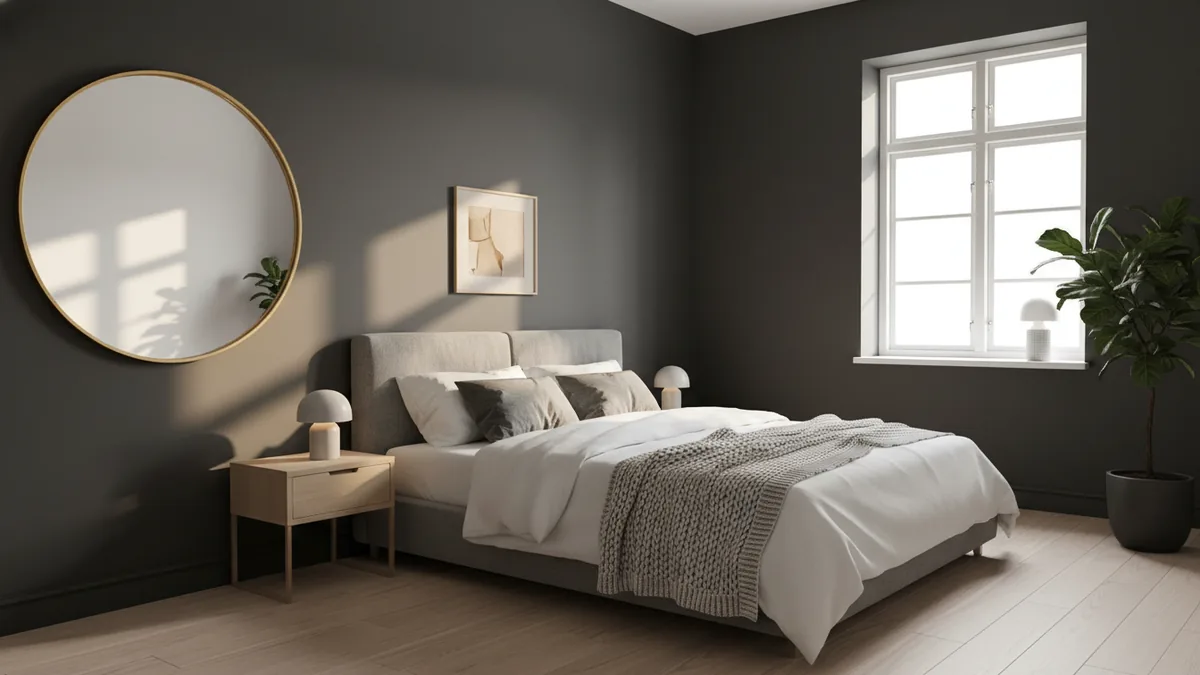
Mirrors are a high-impact tool. Decorative mirrors placed across from a window can reflect daylight deeper into the room. This creates depth and makes sight lines feel longer. For best results, mount a mirror at about eye level and keep it unobstructed by furniture.
Also choose slimmer visual profiles. Beds with simple frames, open legs, and narrow dressers look lighter. Avoid bulky, high-contrast furniture that divides the room into smaller sections.
- Use decorative mirrors to double daylight effects
- Choose furniture with open bases for visual breathing room
- Match finishes across pieces for a unified look
- Keep the palette tight: 2–3 main colors max
Try a tonal approach. Use similar shades on walls, bedding, and curtains. The fewer sharp edges you create, the more open the room feels.
Incorporating Functional Furniture
Functional furniture is how maximizing small bedroom space becomes real. A tiny room can’t afford single-purpose items that eat floor area. Look for small bedroom furniture that does more than one job, like a bed with storage or a bench that doubles as a shoe station.
Start with the bed’s “supporting cast.” Bedside table options should match your habits. If you read in bed, use a slim nightstand with a drawer for small items. If you don’t need a lamp, swap the table for a wall shelf plus a plug-in light.
For dressing needs, consider a dresser that is shorter but wider. Or choose a narrow chest that still reaches your clothes needs. The goal is to avoid a tall tower that interrupts sight lines.
- Pick one multifunction hero piece, like a storage bed
- Choose bedside support based on your daily routine
- Prefer drawers over open shelves for clutter control
- Use a small desk only if it truly replaces other items
Functional décor also helps. A mirror cabinet, a fabric ottoman with hidden storage, or hooks that match your palette can replace a few separate items. Every saved surface counts in small spaces.
Effective Bedroom Storage Solutions
Storage is where small bedroom organization tips turn into daily peace. The best strategy is to store vertically and hide what you can. Instead of spreading items across the floor, push them up and back into the room.
Vertical space use is often the biggest missed opportunity. Add wall-mounted shelves above the bed or along a blank wall. If you have a closet, organize by height. Keep daily items at eye level, then place off-season clothes higher up.
Under-bed storage is another creative storage solution. Use flat bins or rolling drawers so the space stays accessible. Measure the clearance under your bed before buying bins. Even a small change in bin height can affect how well you slide them in and out.
- Use vertical storage: shelves, tall units, and closet organizers
- Store off-season items higher to free daily access
- Use under-bed storage for shoes, linens, or seasonal clothes
- Choose built-in shelves if you can remodel or renovate
Built-in shelves work especially well in small bedrooms. They eliminate awkward gaps and reduce how much furniture you need. If built-ins aren’t possible, a set of matching floating shelves can still create that clean, built-in feel.
Enhancing Decor in Small Spaces
Décor should support your layout, not fight it. When you arrange a small bedroom, keep the focus on a few intentional pieces. Too many patterns or separate themes can make the room feel crowded.
Use a lighter palette and let texture do the heavy lifting. Layer bedding in soft neutrals and add warmth through materials like linen, cotton, or woven throws. Choose wall art with either wide horizontal shapes or a vertical series to match the wall’s shape.
For functional décor, pick items that reduce daily mess. Decorative baskets can hide cables and small accessories. A slim hamper and drawer organizers keep laundry and basics contained without extra furniture.
| Decor choice | Small-room benefit | Practical tip |
|---|---|---|
| Wall art in sets | Creates a focal point | Keep frames aligned and spaced |
| Decorative mirrors | Adds depth | Place across from a light source |
| Low-profile lighting | Reduces visual bulk | Prefer warm bulbs for cozy feel |
Finally, do a “clutter audit” after decorating. If you can’t find a home for it, it will take space visually. Create a home for items first, then layer décor on top.
Frequently asked questions
- How do I layout a small bedroom if the room is narrow?
- Place the bed on the longest wall and keep one side clear for a simple pathway. Use a single compact bedside table or a wall shelf to avoid narrowing the route.
- What is the best bed placement for maximizing space?
- Aim for the bed headboard against a solid wall and align it for easy side access. Leave space beside the bed for drawers, bins, or a narrow nightstand.
- Do lighter colors really make a small bedroom look bigger?
- Yes. Light wall tones bounce more daylight and soften visual boundaries. Pair them with matte finishes and a tight, neutral palette.
- Where should I put a mirror in a small bedroom?
- Place a decorative mirror opposite or near a window so it reflects light across the room. Mount it around eye level and keep it clear of obstructing furniture.
- What small bedroom storage solutions work best?
- Use vertical shelves, closet organizers, and under-bed bins. If possible, built-in shelves can replace bulky freestanding units.
- How can I choose small bedroom furniture that saves space?
- Look for multifunction pieces like storage beds and ottomans with hidden storage. Prefer narrow dressers and drawers to control clutter and keep walkways open.
Related reading
How to Make a Small Bedroom Look Bigger (Space, Light, Storage)
Make your small bedroom feel bigger with layout, mirrors, light, and storage ideas.
Couch Placement — Comfort, Flow, and Style
Arrange couches for easy movement, good conversation, and a balanced room.
Small Kitchen Design — Light, Space and Smart Storage
Use light, smart storage, and slim furnishings to make a small kitchen feel more open.