How to Design a Room (Layout, Budget, and Style)
A practical guide to designing a room with purpose, budget, mood board, layout, and color.
Understanding Room Design Basics (Start With Purpose)
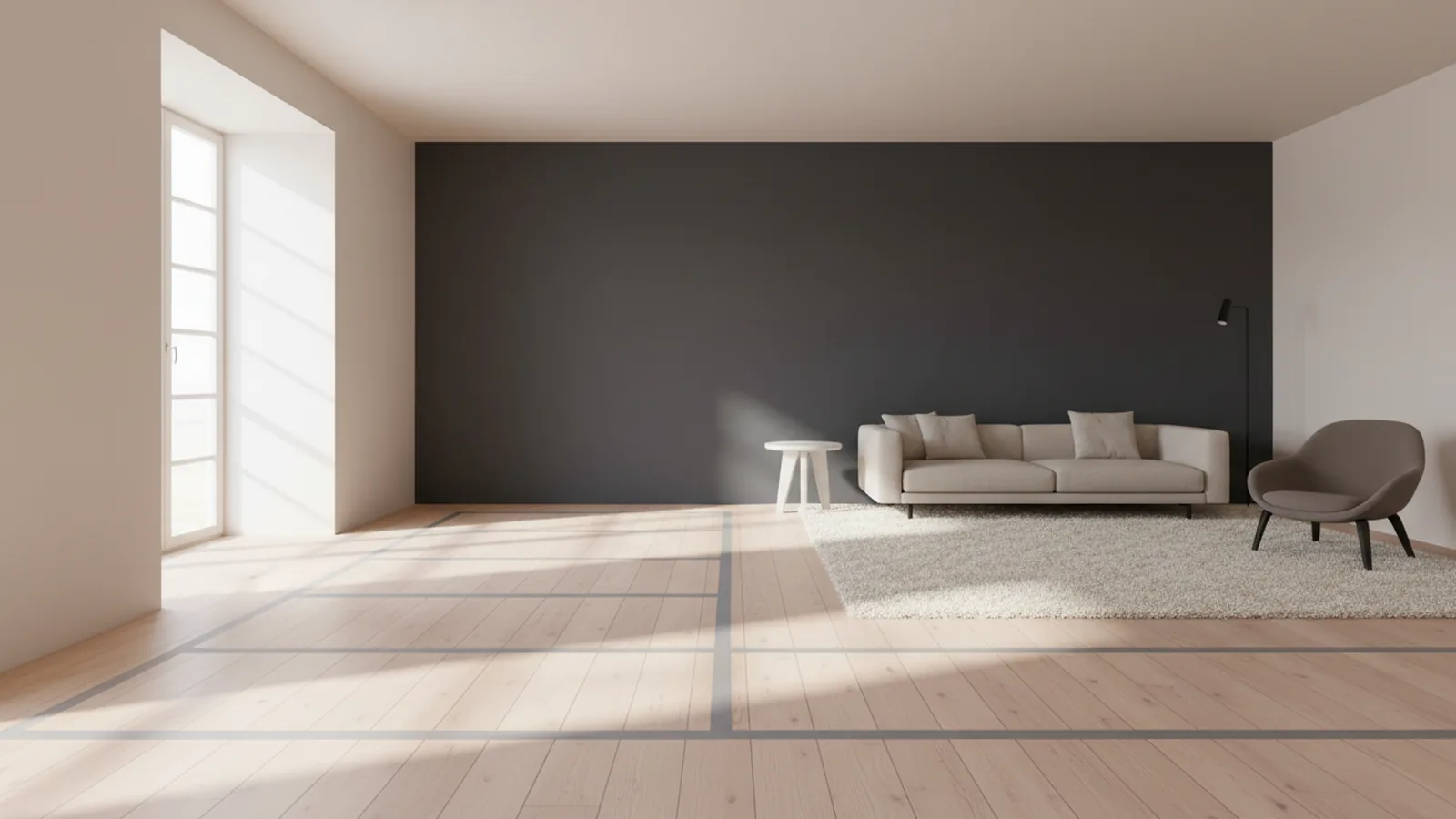
Good rooms start with use, not decoration. If you want to know how do you design a room, begin by defining the room’s main job. Then decide what daily actions should feel easy.
Write your purpose in plain words. “We host friends twice a week” is a real requirement. “We need a quiet corner for reading” is also a requirement.
This is the core of functional design. It guides everything from room layout planning to furniture selection. It also keeps you from chasing trends that do not fit your routine.
- Purpose: resting, hosting, focused work, or a creative hobby
- Daily actions: watch, read, store, work, or reset the space
- Constraints: doors, windows, outlets, and clear walking paths
If you are planning a one room apartment, design for day and night. One layout must support multiple routines. A room can do more than one job when you plan zones early.
Establish a Budget for Design (Split Costs by Priority)
A clear budget makes design decisions simpler. When people ask how to design a room, they often jump to shopping too soon. Budget first, then match items to what will affect daily comfort.
Use priority buckets: high, medium, and low. Foundation pieces and lighting earn the “high” label. They shape how the room looks and how it feels to live in.
Next, sort the rest into medium and low. Wall work and window treatments are usually medium. Smaller décor is often low because it is easiest to swap later.
| Cost bucket | Priority | Typical items |
|---|---|---|
| Foundation | High | Bed, sofa, dining set, large storage |
| Lighting | High | Overhead light, task lamp, floor lamp |
| Wall and windows | Medium | Paint, blinds, curtains, shades |
| Textiles | Medium | Rug, curtains, layered bedding |
| Decor | Low | Art, mirrors, trays, plants |
Add a small buffer for mistakes. Rugs, seating, and tables often need spacing changes after you test the plan. Even if you are figuring out how can i design my room online for free, spacing checks still matter. You can mock options first, then buy with fewer regrets.
Create a Mood Board (Turn Inspiration Into Clear Direction)
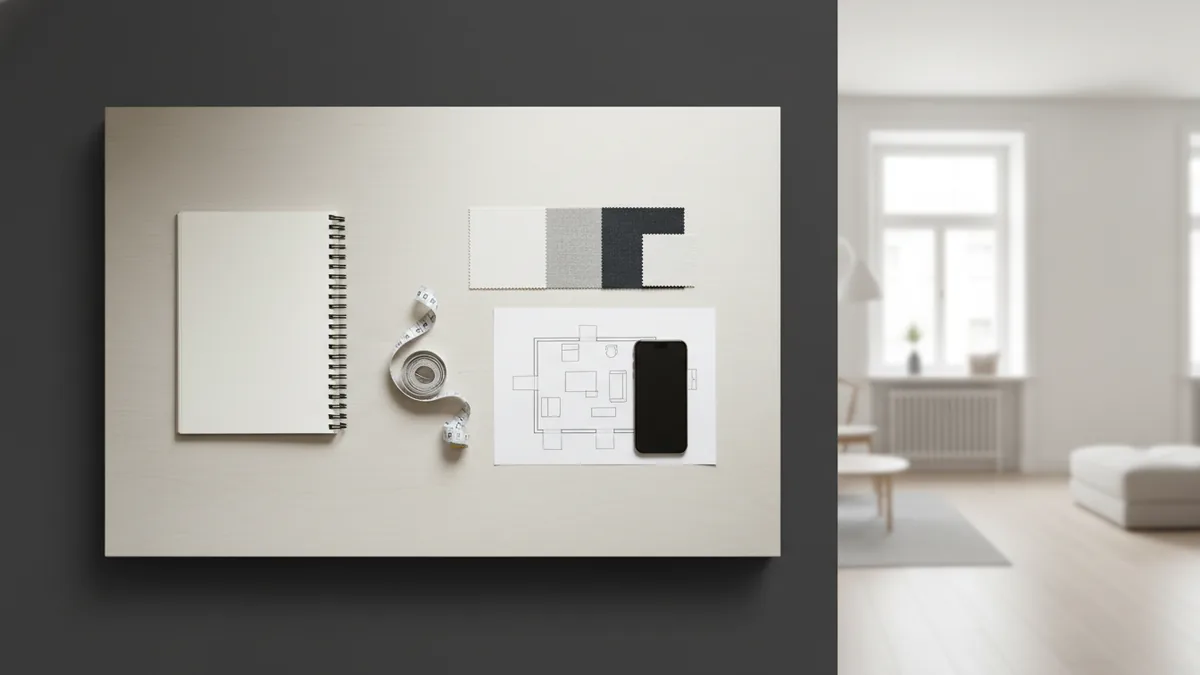
A mood board turns ideas into direction. It keeps your interior design process organized. If you are wondering how can i design my own room, a mood board makes the “style” part concrete.
Build it in layers. First, choose color theory anchors. Pick one main tone and two supporting neutrals. Then select materials you want to repeat, like wood, metal finishes, and fabrics.
Finally, add mood cues that match the room’s job. For a how to design a sitting room, think about comfort and social ease. For a how to design a studio room, think about storage and focus.
- Choose 3–5 color swatches to repeat
- Pick 2–3 material directions for furniture and textiles
- Add 5–10 references with a shared feel
- Write one sentence: “This room feels like ____.”
Keep the set tight. If your mood board feels messy, you likely have too many directions. Tightening it early saves time during furniture selection.
Choosing an Inspirational Object (Use It as Your North Star)
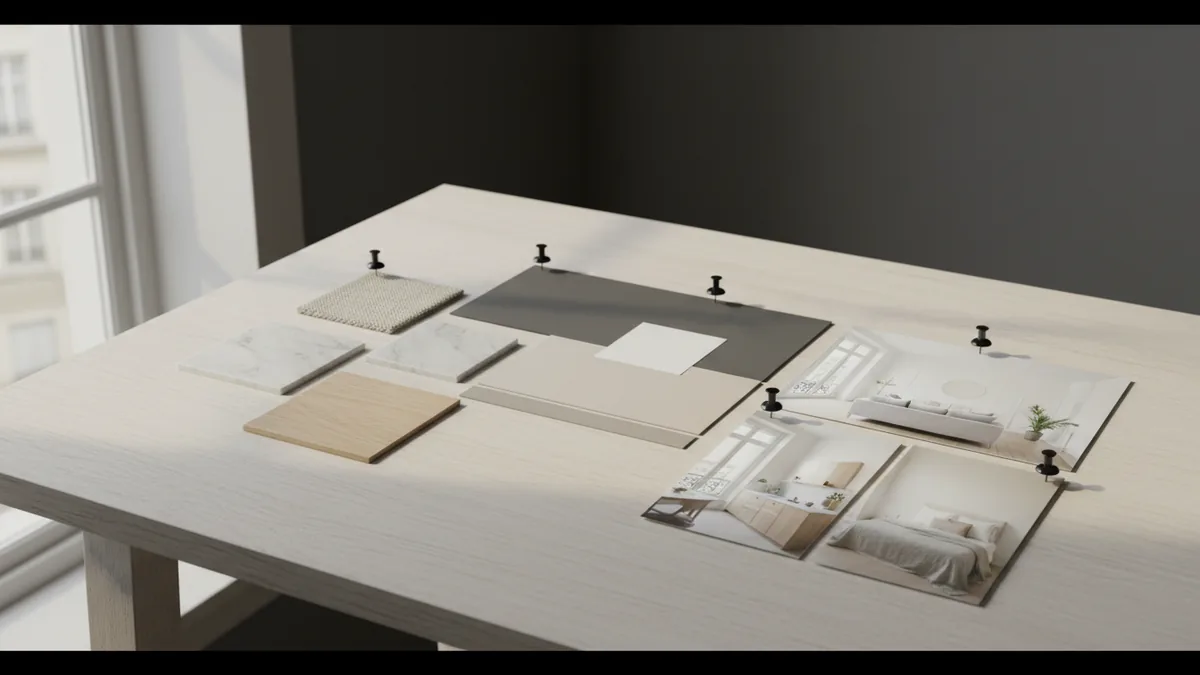
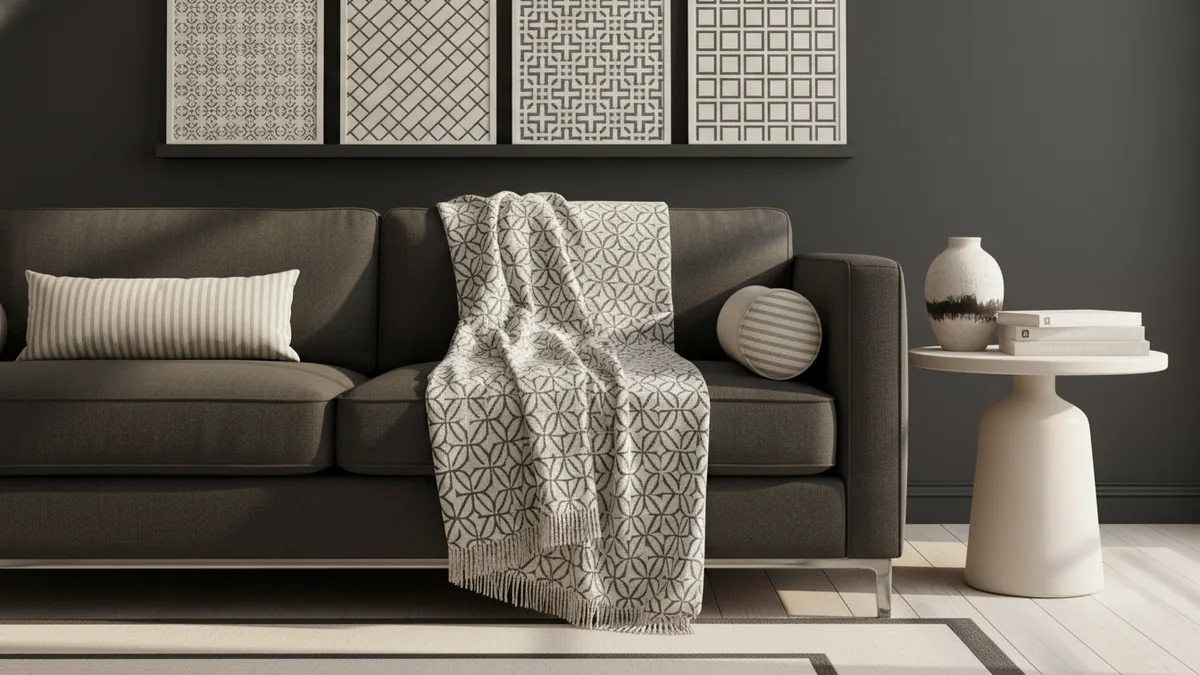
An inspirational object helps you stay consistent. It answers how should i design my room when choices feel endless. This item can be a rug, lamp, artwork, or a fabric you love.
Choose something repeatable. You should echo its key colors in at least two other places. If the object has a pattern, match the pattern scale in one or two supporting items.
This method supports cohesion. It also reduces decision fatigue. Instead of collecting random pieces, you build around a clear anchor.
- Rug anchor: repeat its colors in wall art or upholstery accents
- Art anchor: match the palette in a textile choice and a smaller décor piece
- Lamp anchor: repeat its metal tone in hardware or a mirror frame
In a how to design a room one room apartment, the anchor can also support zoning. A bold rug can define a living zone. Then lighting and storage can reinforce the work or rest zone.
Develop a Room Layout Plan (Scaled, Not Guesswork)
Layout is where most designs succeed or fail. When you ask how to design a room, you are really asking how to place items correctly. Room layout planning turns “it might fit” into a tested plan.
Start by measuring the space. Record wall lengths, ceiling height, and window or door locations. Then measure your key pieces, like the sofa width or bed size.
Next, draft a scaled layout. Use graph paper or a simple room layout tool. If you are learning how to design a room 3d, you can still begin with scale and measurements. The goal is the same: verify clear paths and workable furniture spacing.
Test circulation routes. You need room to walk, pull out drawers, and open doors. Also check visual balance, especially for a sitting room where people gather and face each other.
- Measure walls, doors, windows, and key clearances
- Measure furniture and note swing and reach areas
- Place large items first, then add secondary pieces
- Check walking paths and adjust before buying
When people search how can i design my room online for free, they often want quick wins. Quick tools help with early placement, but you still need real measurements. That is why a scaled plan beats guesswork every time.
Selecting Foundation Furniture (Match Theme and Daily Needs)
Foundation furniture sets the tone and carries the workload. This is where furniture selection matters most. If your sofa is too small, your sitting room will feel unfinished. If storage is missing, your studio room will feel cluttered fast.
Choose pieces that match the room’s purpose. For a how to design a sitting room, prioritize seating comfort and conversational layout. For a how to design a studio room, prioritize storage and flexible surfaces. For a how to design a one room apartment, prioritize multi-use furniture and clear zones.
Also match scale to your space. A bed that dominates the room can work, but you need breathing room around it. A large rug can anchor a seating area, but it must fit under the front legs of seating.
- Seating: comfort first, then shape and spacing
- Beds: plan bedside access and storage needs
- Storage: place where it supports daily routines
- Tables: size for movement, not just style
If you are still asking how to design a room, focus on the “big three.” Layout, comfort, and storage decide most outcomes. Style comes after those needs are handled.
Color Schemes and Textures (Build Atmosphere Without Overthinking)
Color and texture create the mood you feel when you walk in. A solid color scheme uses fewer hero decisions. Start with your mood board anchors and build from there.
Use a simple method: one main color, two supporting neutrals, and one accent. Then choose textures that reinforce the room’s job. Soft textiles fit rest and hosting. Sleek materials can add crisp focus.
Patterns also need planning. If you use a patterned rug, keep wall and cushion patterns calmer. If you want pattern variety, limit it to one or two pieces and repeat small tones elsewhere.
| Design goal | Color approach | Texture approach |
|---|---|---|
| Cozy sitting area | Warm neutrals + one rich tone | Layered textiles and matte finishes |
| Bright, focused studio | Light neutrals + subtle contrast | Smooth surfaces and light-reflecting accents |
| Clean, flexible one room apartment | Consistent palette across zones | Repeat materials to connect spaces |
Finally, evaluate at different times of day. Lighting changes how colors read. If the room feels flat, add texture contrast. If it feels too busy, reduce pattern and repeat fewer tones.
Quick check: did your choices match the room’s job?
Before you finalize, revisit your original purpose statement. Ask if the layout supports those daily actions. Then check if lighting makes those actions easy.
This is how you design a room that feels good long term. It is not just about how it looks today. It is about how it works when life happens.
Frequently asked questions
- How do you design a room step by step?
- Start by defining the room’s purpose and daily actions. Then set a budget, build a mood board, draft a scaled layout, and pick foundation furniture that fits the plan.
- How can I design my room online for free?
- Use online room planners to test rough placement and visual style directions. Still measure your space and verify clear walking paths before buying anything.
- What should I prioritize for a sitting room layout?
- Prioritize conversational seating, comfortable spacing, and lighting for everyday tasks. Then add storage and accents that support hosting without clutter.
- How do I create a mood board that actually helps?
- Choose a small set of color swatches and repeat materials from your references. Keep the board tight, then write a one-sentence description of the room’s feel.
- What is the best way to plan furniture spacing?
- Use a scaled layout and test circulation routes. Place large pieces first, then add tables and storage while checking door swing and drawer pull space.
- How can I design a room with a cohesive look?
- Pick an inspirational object and echo its colors and pattern scale in two other areas. Repeat a few materials across the room to connect zones.
Related reading
Kitchen Cabinet Tops — Style, Texture and Seasonal Charm
Style cabinet tops with balanced layers, useful texture, and decor that suits your kitchen.
Couch Placement—Flow, Focus and Comfort
Place your couch to frame a focal point, keep paths clear, and make the room feel balanced.
Master Bedroom — Color, Comfort and Personal Style
Build a calm, personal bedroom with smart choices and a budget that works.