How to Decorate an L-Shaped Living Room With Smart Layout
Get practical l-shaped room layout tips for living and bedroom spaces.
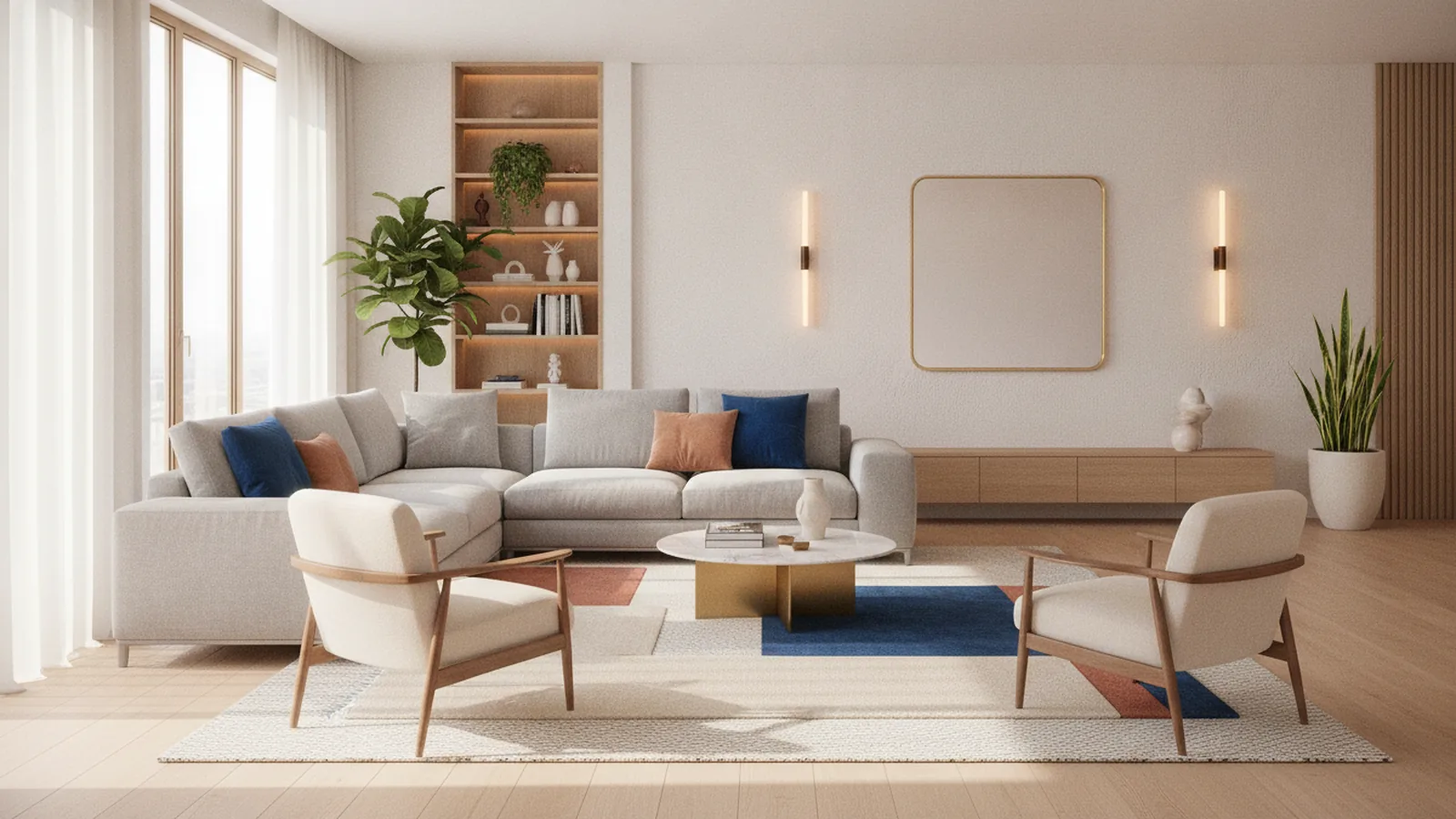
Identifying the Challenges of L-Shaped Rooms
Learning how to decorate l shaped living room spaces starts with accepting the layout quirks. An L shape creates bends, dead corners, and paths that may feel indirect. That bend can also hide the room’s focal point, which makes decoration feel like guesswork.
Many L-shaped rooms also split your sightlines. You may see one wall clearly in one leg, then the other leg cuts that view. If you try to decorate both legs with no plan, furniture arrangement looks mismatched instead of intentional.
When the traffic flow is complex, the room can feel smaller. People will naturally take the shortest route between doors, even if it crosses your seating area. Mapping those routes first helps your decorating decisions support everyday movement.
- Awkward corners: plan storage and styling for the bend.
- Complex layout: design around doorways and walking lines.
- Split sightlines: pick one focal point for alignment.
- Dark pockets: use lighting where shadows collect.
These same ideas translate when you are designing an l shaped living room with daily routines in mind. You can also use the approach as general space planning for unusual shapes like triangle and octagon rooms, with a few tweaks.
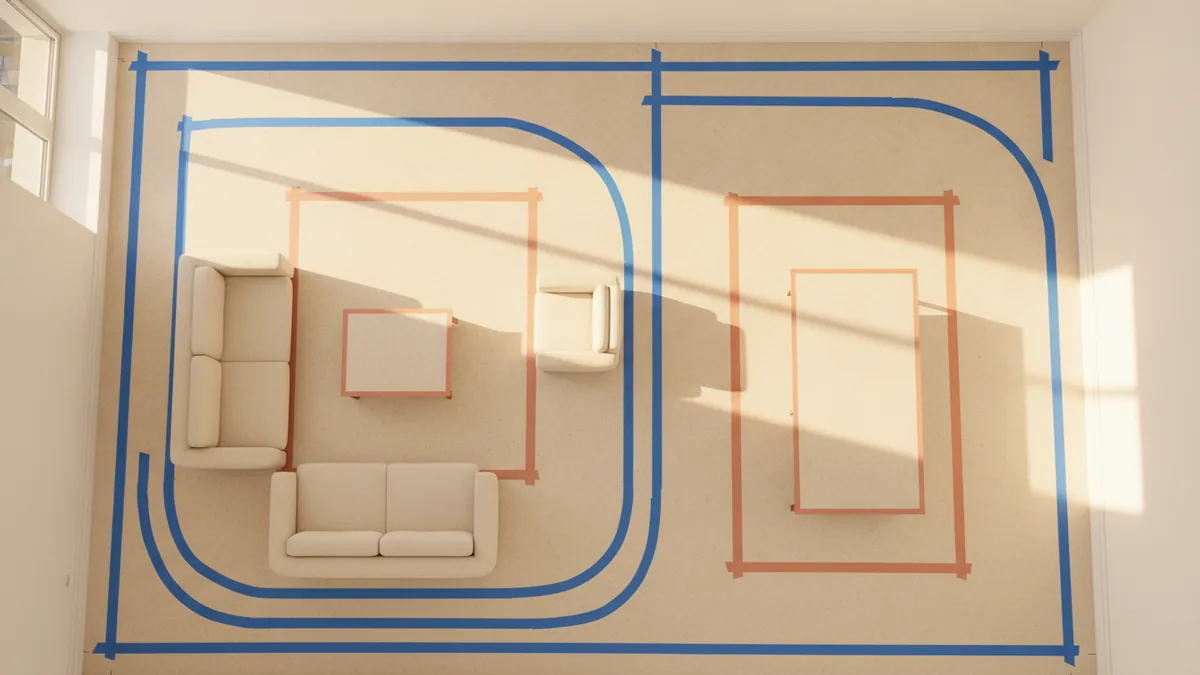
Essential Tools for Decorating and Space Planning
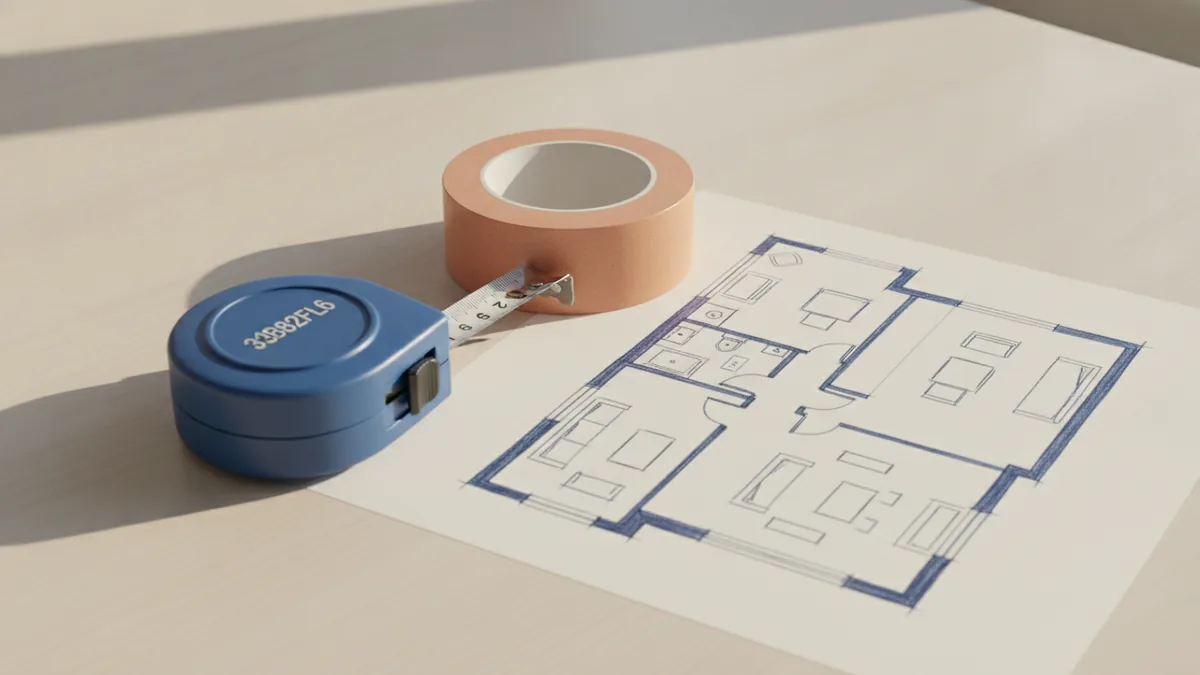
You do not need special gadgets to decorate an l shaped room. You need measurement basics so your furniture placement is based on reality, not hope. Start with a tape measure and a sketch of each leg.
Write down the lengths of both legs, plus the widths of door openings. Also note outlet locations and where windows sit. Those details change how you place a TV, mirror, or tall storage without blocking light.
Next, use masking tape to test layouts on the floor. Tape is fast for textile layering too, since you can preview rug boundaries and walking paths. This is a practical way of learning l shaped room layout tips without buying anything first.
- Measure: leg lengths, door swings, windows, and outlet walls.
- Map: traffic flow lines from each doorway to key destinations.
- Mock: tape outlines for sofa, chair, and rug edges.
- Plan sizes: write down clearance needs for tables and walkways.
For bedrooms, the same tools help when you are figuring out how to decorate l shaped bedroom layouts. The key difference is storage and bed access. You will plan pathways from the door to the bed, plus a clear route to closets or drawers.
Furniture Placement Strategies for L-Shaped Living Rooms
Furniture placement is the core of decorating an l shaped living room. Your goal is a comfortable conversation zone that still leaves room for everyday movement. Most layouts work best when the seating lines up with one longer leg.
Begin with the focal point. A fireplace, TV, or feature wall should organize the whole furniture arrangement. When the focal point is clear, you can angle seats toward it and avoid competing pieces.
Then design traffic flow around that conversation zone. Keep a walkway between seating and doors so people do not step over rug edges. If the bend creates a blind corner, place a side table or lamp there so it feels connected to the rest of the room.
- Conversation first: set chairs and sofa to face each other.
- Clear passage: keep a steady path from door to doorway.
- Corner-friendly pieces: use slim cabinets for the bend.
- Angle with purpose: position one chair to draw people inward.
If you are designing an l shaped living room around a TV, avoid placing it where the corner bend creates harsh reflections. Place seating so the screen is the easiest sightline from the main couch area. If your TV sits on the shorter leg, consider a media console that does not block the doorway view.
This placement thinking can also guide triangle room decorating and octagon room decorating. For triangle shaped rooms, you often need seating that follows the widest wall and leaves the point area open. For octagon shaped rooms, use furniture in segments, and anchor each visible wall with coordinated decor.
Creating Zones With Rugs and Decorative Accents
Rugs are one of the most reliable l shaped living room ideas. They help define zone creation without closing off the room. In an L shape, you can use one large rug or two rugs, depending on how unified you want the legs to feel.
Start by deciding whether your goal is one shared space or two linked spaces. One large rug can unify both legs, especially if the color matches across the room. Two rugs work well when one leg is a reading nook and the other is the TV zone.
Use the sofa and chair positions to guide textile layering. Place the front legs of seating on the rug for a grounded look. If you are splitting zones, keep a consistent rug style so the room does not feel like two separate sets of furniture.
| Situation | Rug approach | What it achieves |
|---|---|---|
| Single conversation zone | One larger rug | Unity across both legs |
| Reading corner plus TV zone | Two rugs with matching tones | Clear zone creation |
| Small bend that feels tight | Rug with lighter base | Less visual weight |
Decorative accents also support zone creation. Use a consistent basket style, repeat a metal finish, or match frame colors across both legs. Those small ties make decorating feel cohesive even when the room shape is complex.
For bedrooms, the same rug logic applies when you want a clear “sleep zone” and “dressing zone.” When you are learning how to decorate l shaped bedroom spaces, place the rug so it meets the bed’s sides, not the foot. This makes the room feel centered, even at the bend.
Lighting Considerations for L-Shaped Rooms
Lighting can fix many problems caused by the bend in an L-shaped room. Dark corners happen when a wall creates shadow, especially near the inner edge of the L. Instead of relying on one ceiling light, layer use of lighting across the room.
Start with a bright general layer. Then add task lighting for reading, media, or hobbies in each leg. Finally, use accent lighting to highlight the focal point and soften the transition at the bend.
- Ceiling light: gives even base brightness.
- Floor or table lamps: reduce dark pocket shadows.
- Wall lights or sconces: add height and polish near corners.
- LED strips behind media: can add soft glow near TVs.
If you are decorating l shaped living room spaces, remember that lamps should not block traffic flow. Choose slim shades and place cords away from chair paths. In triangle and octagon rooms, lighting helps too, because odd wall angles can hide dim spots.
Color Schemes and Wall Treatments
Color schemes should support space planning and zone creation. Color blocking or contrasting wall colors can make each leg feel deliberate. For example, paint the focal point wall a stronger shade, then keep the other walls calmer.
When the inner bend feels tight, use lighter paint on the shadowed areas. Darker tones can work on outer walls, since they do not feel as enclosed. This is a practical way to stop the room from shrinking visually.
Wall treatments also help guide the eye toward the focal point. Consider framed art on the main viewing wall, plus a mirror on the adjacent leg to boost brightness. Keep frame sizes similar, so the room still reads as one design.
- Anchor wall: use bold paint or art near the focal point.
- Keep transitions soft: use mid-tone paint between legs.
- Balance the bend: lighten the inner corner area.
- Add texture: curtains and panels add depth without crowding.
If you want to decorate an octagon shaped room, use contrasting color in sections, not random patches. For triangle shaped rooms, paint the widest surfaces and keep the pointed area visually calm. In both cases, consistent color grouping helps you avoid “layout-only” decoration.
Final Tips for Cohesive Design
Flexible furniture can save you when family routines change. A modular sofa lets you swap chaise or seat direction based on hosting needs. If your room layout shifts, that flexibility keeps your decorating plan from falling apart.
Use decorative accents to keep the room coherent while furniture changes. Match throw pillows in a repeated palette, and repeat one texture across zones. This makes decorating feel intentional, even when you move a chair.
Finally, re-check traffic flow after every “upgrade.” Move side tables and rugs first, then place art last. When you do that in designing an l shaped living room, you will usually find fewer awkward corner issues.
- Re-test walking lines: keep door routes clear.
- Lock in the focal point: place seating toward it.
- Use rugs to connect: align rug edges with seating.
- Layer lighting: fix dark pockets in both legs.
- Repeat details: finishes and colors tie zones together.
These steps also help with how to decorate an l shaped room beyond living rooms. The same approach supports entry lounges, reading nooks, and bedroom setups with storage. With a solid plan, even difficult shapes like triangle and octagon rooms can look cohesive and comfortable.
Frequently asked questions
- How do I decorate an L-shaped living room when the corner feels awkward?
- Plan storage or styling for the bend, then keep a clear walkway between seating and doors. Use a lamp or small table in the corner to reduce dark pockets.
- What is the best way to arrange furniture in an L-shaped room?
- Place the main seating along one longer leg and angle at least one chair toward the focal point. Build the layout around traffic flow so people do not cut through seating.
- Should I use one rug or two rugs in an L-shaped living room?
- Choose one larger rug for a unified look, or two rugs for clear zone creation. Match tones and textures so both legs still feel like one design.
- How can I decorate an l shaped bedroom using the same ideas?
- Treat it as zones for sleeping and getting dressed, not two disconnected areas. Keep bed access paths clear and use lighting on both sides of the layout.
- How do I approach decorating a triangle shaped room?
- Use furniture that fits the widest wall and keep the point area open. Choose a focal point wall and use color and lighting to smooth odd angles.
- Can the same approach work for how to decorate an octagon shaped room?
- Yes, but plan for visible wall segments. Anchor the room with one focal point and repeat colors and finishes across adjacent walls.
Related reading
Room Painting Costs — What Shapes Your Quote
Room painting often costs $200–$1,000. See what drives the price and how to compare quotes.
Kitchen Cabinet Tops — Style, Texture and Seasonal Charm
Style cabinet tops with balanced layers, useful texture, and decor that suits your kitchen.
Couch Placement—Flow, Focus and Comfort
Place your couch to frame a focal point, keep paths clear, and make the room feel balanced.