How to Hide a Pillar in the Living Room: Smart Decor Fixes
Hide a living room pillar with smart paint, curtains, shelves, and lighting.
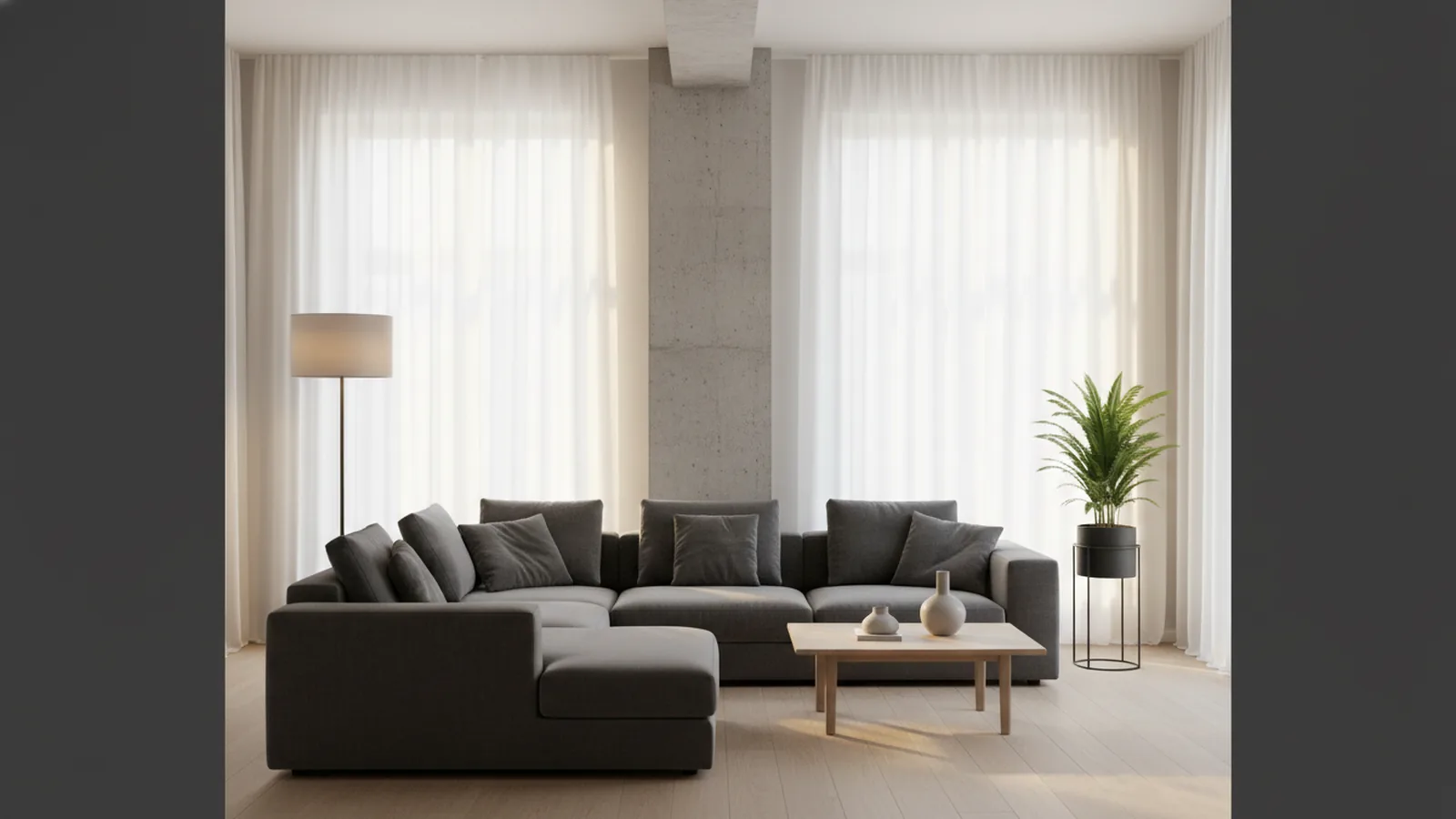
Understanding pillars in living rooms (and load-bearing basics)
You can make a pillar feel intentional fast. Start by understanding what it does in your home. Most pillars exist for structure. That usually means you should not remove or alter the support without a pro.
When you search for how to hide a pillar in living room, the key phrase is “load bearing.” A load-bearing pillar transfers weight from above to the floor. It may also tie into beams or walls. Even if the pillar looks “decorative,” treat it like an essential part of the architecture considerations.
Before you plan finishes, check for signs that the pillar is structural. Look for construction joints, heavy columns at corners, or consistent beam alignment. If you are unsure, ask a licensed contractor or structural engineer. The safest home improvement path is always to decorate around it, not to change its structure.
What you can change safely
Usually, you can update the pillar’s visible surfaces. Paint and surface-applied finishes are typically fine. You can also add covers like trim, panels, or a mounted fabric system. Keep covers independent where possible so they do not affect the pillar’s stability.
Also think about access. If the pillar hides wiring or pipes, leave a maintenance path. For example, a removable panel can keep future fixes easy.
- Safe: paint, wall trim, fabric systems, freestanding shelving, plant stands
- Be careful: anything that changes the pillar’s footing, adds heavy loads, or involves demolition
- Always verify: load-bearing status before building a permanent enclosure
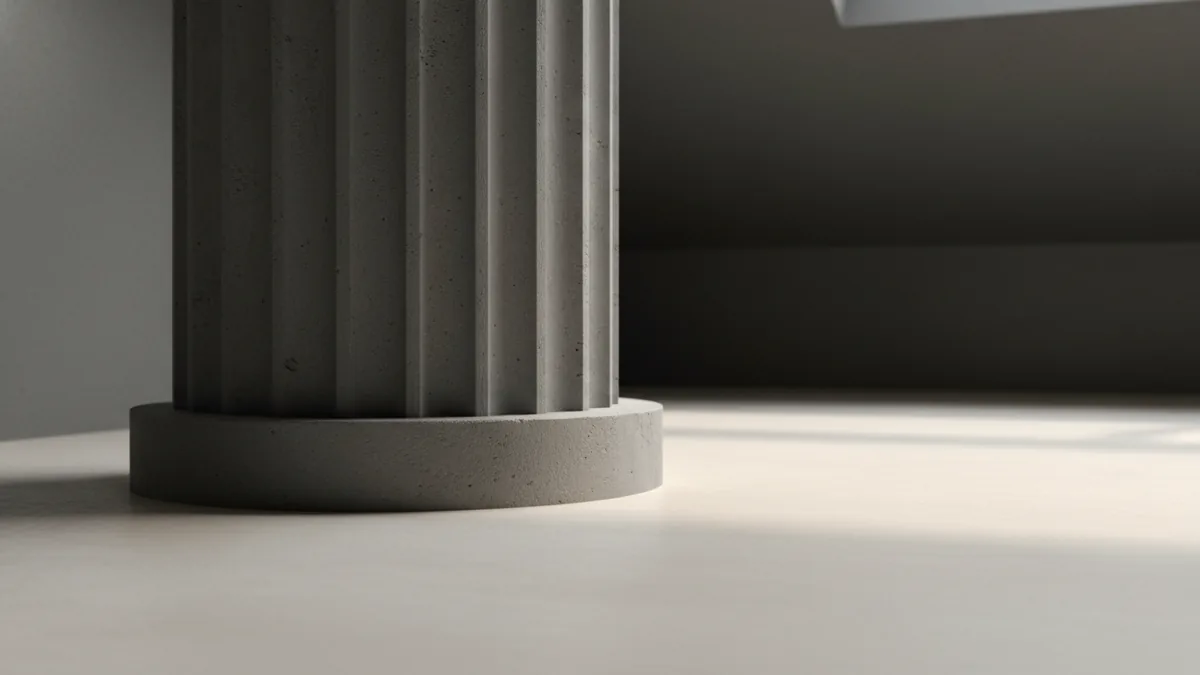
Creative concealment techniques that don’t fight the room
Concealment can mean “disappear” or “blend in so well you stop noticing.” Many decorating ideas how to hide a pillar in living room rely on two moves. First, reduce visual contrast. Second, pull the eye toward something else.
Curtains are one of the fastest options. If your pillar sits near a window or open entry, hang sheer or blackout panels on both sides. You can run a track so the fabric looks continuous. When styled at floor length, the pillar becomes part of the drape.
Paneling is another solid approach. Use thin wall panel systems or faux wainscoting to frame the pillar edges. A narrow “picture frame” border can hide seams and make the pillar read as design detail. This works especially well for minimalist design rooms that need clean lines.
Concealment options that work in real spaces
- Drape to blur edges. Mount a ceiling track if you want the pillar to feel taller and less boxed.
- Cover with trim lines. Use MDF or wood trim to create vertical reveals that visually “destructure” the column.
- Use a freestanding screen. Choose a screen with open slats to keep light moving through the room.
- Build a shallow half-wall (only if safe). Pair it with a mantel-style top if you have clearance.
A practical concealment test
Try the “tape outline” method before buying materials. Use painter’s tape to mark where a trim frame or fabric position would land. Step back and view it from the main seating spot. If it still looks awkward, you probably need a different strategy.
This matters more when you have tight sight lines. A pillar can feel worse when you look at it from one fixed angle all day.
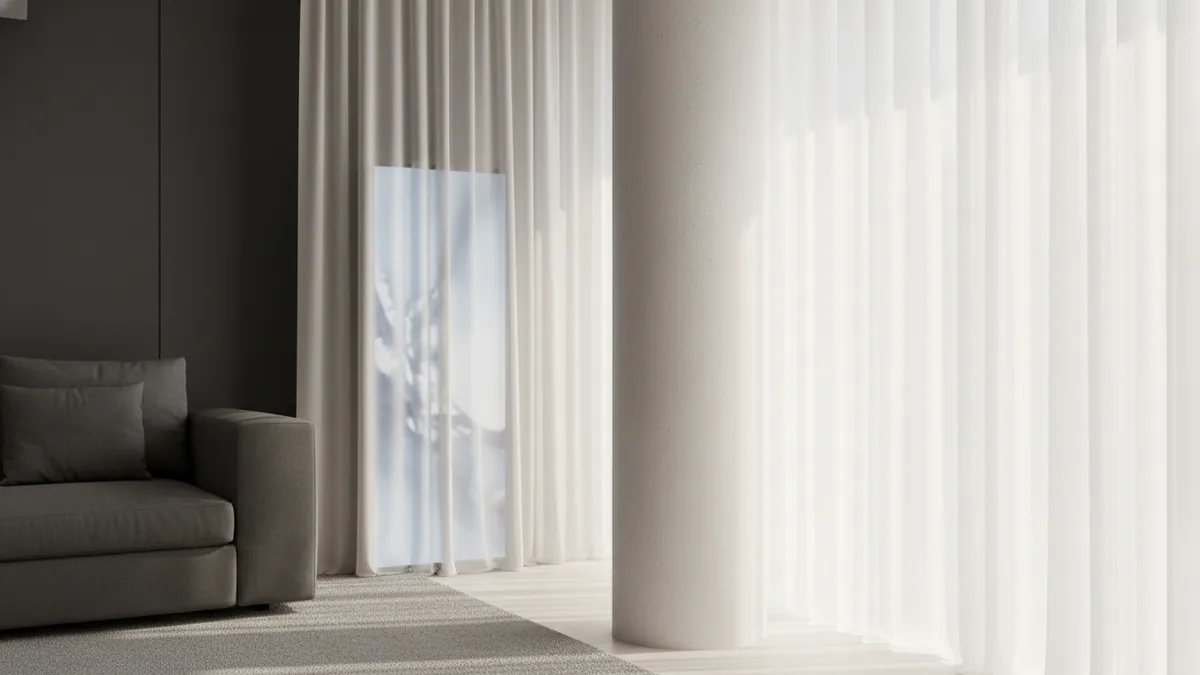
Decorating around a pillar: paint, trim, and texture ideas
If you do not want full concealment, you can turn the pillar into a background element. The goal is to make it match your color scheme and surface finishes. That is where how to decorate a pillar in living room becomes a simple process.
Painting is the most reversible move. Match the pillar to your main wall color for a “blend” effect. Or choose a slightly deeper tone for a subtle focal points contrast. Use a primer designed for the pillar’s material, then apply two finish coats. A satin or eggshell sheen often hides minor dents better than flat paint.
Texture also changes perception. Add limewash-style paint, microcement look coatings, or a light plaster finish. If you prefer wood, apply veneer strips and finish with a clear coat. Vertical texture can make the pillar read as intended architecture rather than an obstruction.
Fast styling upgrades that look intentional
- Create a trim frame. Add simple baseboards and a top cap to “complete” the column.
- Use fluted detailing. Thin vertical ridges can make a pillar feel like design, not hardware.
- Try removable wall art. Mount a grid or rail system so you can swap artwork seasonally.
- Let the floor do the work. Align the rug pattern so the pillar sits inside a visual “grid.”
When you decorate, keep your scale in mind. A narrow pillar can vanish with the right color. A wide pillar needs framing or texture to look balanced.
If you are wondering how to decorate pillar in living room without major work, start with paint and lighting. Then add a single texture element. Two upgrades beat five half-measures.
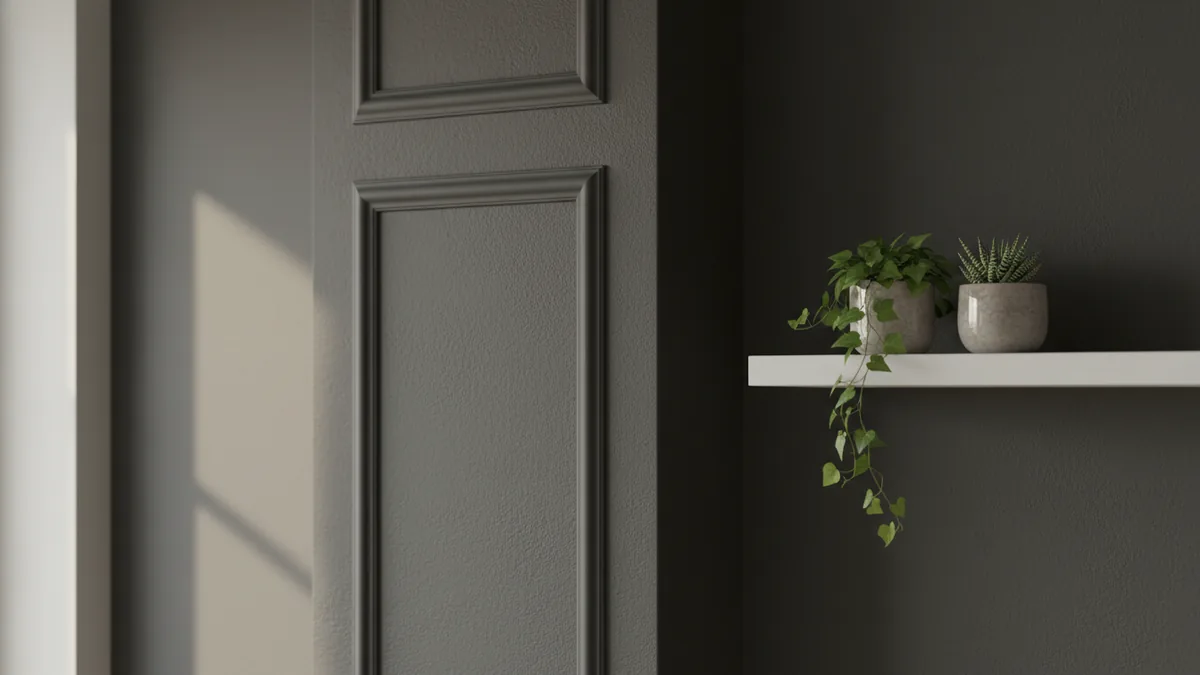
Incorporating the pillar into your layout with furniture and lighting
Furniture placement can help the pillar fade into the “architecture” of your living room. Instead of treating it as a blocker, treat it like a focal boundary. Aim to either highlight it as a feature or use it to shape traffic flow.
Start with your main walking paths. Leave clearance around the pillar so doors and chairs do not scrape. Then align seating angles so the pillar sits near the edge of your main viewing line. That simple move reduces how often you fix your gaze on it.
Next, use furniture to complement or distract. A tall bookcase can frame one side. A low console can run along the opposite wall. If you place a sofa so it “faces” the pillar, it will feel dominant. If you place it so it “moves past” the pillar, it feels calmer.
Furniture arrangement tips you can try today
- Use symmetry lightly. Pair two side tables or two lamps so the pillar becomes a mid-point.
- Choose height contrast. If the pillar is tall, use tall decor on one side only to avoid clutter.
- Anchor with a rug. Run the rug so its main pattern travels across the room, not into the pillar.
- Keep the center open. Leave the central zone less crowded, especially if the pillar interrupts the sight line.
Lighting is the secret weapon for pillar-friendly rooms. It can soften shadows and reduce the “column effect.” Use layered lighting: ambient, task, and accent. Then place light so it washes the wall near the pillar rather than blasting from one direction.
If you can, add a floor lamp with a shade that spreads light upward. Or install a wall sconce near the pillar frame. Warm light at around 2700K to 3000K often feels cozier than cool light, especially in living rooms.
When people ask how to hide a pillar in living room, they often mean “hide the edges in my view.” Lighting helps because your eye reads gradients, not hard boundaries.
Plants and shelving: making the pillar feel built-in
Plants and shelving can turn a pillar into part of your home decor story. This approach works well when you like functional decor and space optimization. A pillar becomes a “vertical surface” instead of an empty chunk.
Start with a plan for one zone. For example, create a small plant corner on one side. Place a floor plant near the base, then add medium plants on a narrow shelf. Choose plants with strong vertical lines, like a tall fiddle-leaf style plant. Then match pot colors to your color scheme for a clean look.
For shelving, build or buy slim units that do not touch the structure. Leave a small gap so you can adjust and clean. Use the shelves to create a visual “frame” for the pillar. This is a great option if you want how to decorate pillar in living room with storage.
Ideas that blend in naturally
- Floating shelves. Run two or three shelves along the adjacent wall to guide the eye past the pillar.
- Corner planter stands. Place a tall stand that visually continues the line of the pillar.
- Built-in look with trim. Add a false back panel behind shelves to make it feel architectural.
- Wall art ladder. Use a slim ladder shelf so artwork and books sit at varied heights.
Try to avoid heavy items that make the pillar feel “weighed down.” Instead, use lighter decor: framed photos, woven baskets, or ceramic planters. The room will look more balanced.
Before-and-after inspiration: what successful pillar fixes have in common
The best results share a pattern. They either blend the pillar into the walls or frame it like a deliberate design piece. Here are three before-and-after scenarios based on common living room layouts. You can adapt each one to your own space with minimal risk.
| Before | Challenge | After | Why it works |
|---|---|---|---|
| Plain white pillar in a beige room | High contrast draws the eye | Painted to match wall color, satin finish, framed with simple trim | Edges blend, and the pillar reads as part of the room plan |
| Wide pillar near a window | It blocks sight lines and makes the room feel boxed | Ceiling curtain track on both sides, sheer panel styling, warm floor lamp near seating | Fabric softens the outline and lighting reduces hard shadows |
| Dark wood pillar in a modern minimalist living room | It competes with clean lines | Fluted-style texture finish, thin shelves on one side, plant grouping at staggered heights | Texture makes it intentional, and shelving creates functional balance |
These setups also show good load bearing how to hide a pillar in living room thinking. They focus on surface updates, independent decor, and safe additions. They avoid structural changes.
If you want the fastest win, do this sequence. Match the color. Add lighting. Then add one texture or one framing element. You will feel the difference in a single weekend.
Finally, keep your room’s focal point in mind. Your pillar should either support that focal point or become a secondary feature. With the right placement and decor, the pillar stops being an interruption.
Quick checklist to choose your approach (without overbuilding)
When deciding decorating ideas how to hide a pillar in living room, pick the option that matches your tolerance for change. Some people want to disappear it completely. Others prefer to integrate it with a minimalist design feature.
Think in terms of effort and impact. Paint has high impact and low risk. Curtains are great for softening edges. Shelving and plants help when you want storage. Paneling looks crisp when you like structure and trim lines.
- If it feels too bold: paint it and add warm light
- If it interrupts window views: use curtains or a screen
- If you need storage: add slim shelves and plants
- If you want a finished architecture look: add trim or texture
Get the “blend” and “balance” part right first. Then refine with decor that matches your existing home decor style.
Frequently asked questions
- How do I hide a load-bearing pillar in my living room without remodeling?
- Start with paint that matches the wall color, then add a trim frame or a freestanding screen. Use layered lighting to reduce sharp shadows. Avoid removing or enclosing structural parts unless a professional approves.
- What are the best decorating ideas to hide a pillar in the living room?
- Curtains on a ceiling track, a fluted trim treatment, and slim shelving with plants work well. Choose one main strategy first, then support it with lighting and rug placement.
- How do I decorate a pillar in the living room if I don’t want to cover it completely?
- Decorate by blending or framing it. Try a matching color scheme, add texture, and use wall art or a small shelf to create a balanced focal point.
- Can I use shelves next to a pillar to make it look built-in?
- Yes, if the shelves are freestanding or safely mounted without stressing the pillar. Keep a small gap for cleaning and future changes.
- What furniture layout helps when a pillar is in the middle of the room?
- Leave clear walk paths and angle seating so you don’t face the pillar head-on. Use a rug to guide the eye across the room and anchor decor on the perimeter.
- Does lighting really help hide a pillar?
- Yes. Warm layered lighting reduces harsh shadows and makes the pillar edges less obvious. Wall washing near the pillar often looks more natural than direct glare.
Related reading
Couch Placement — Comfort, Flow, and Style
Arrange couches for easy movement, good conversation, and a balanced room.
Small Kitchen Design — Light, Space and Smart Storage
Use light, smart storage, and slim furnishings to make a small kitchen feel more open.
Living Room Paint — Measurements and Buying Tips
Measure your walls, count coats, and buy the right amount of living room paint.