How to Decorate a Log Cabin Interior for a Cozy, Inviting Feel
Cozy log cabin design concepts: natural materials, earthy tones, layered bedding, and rustic touches.
Understanding log cabin interior design
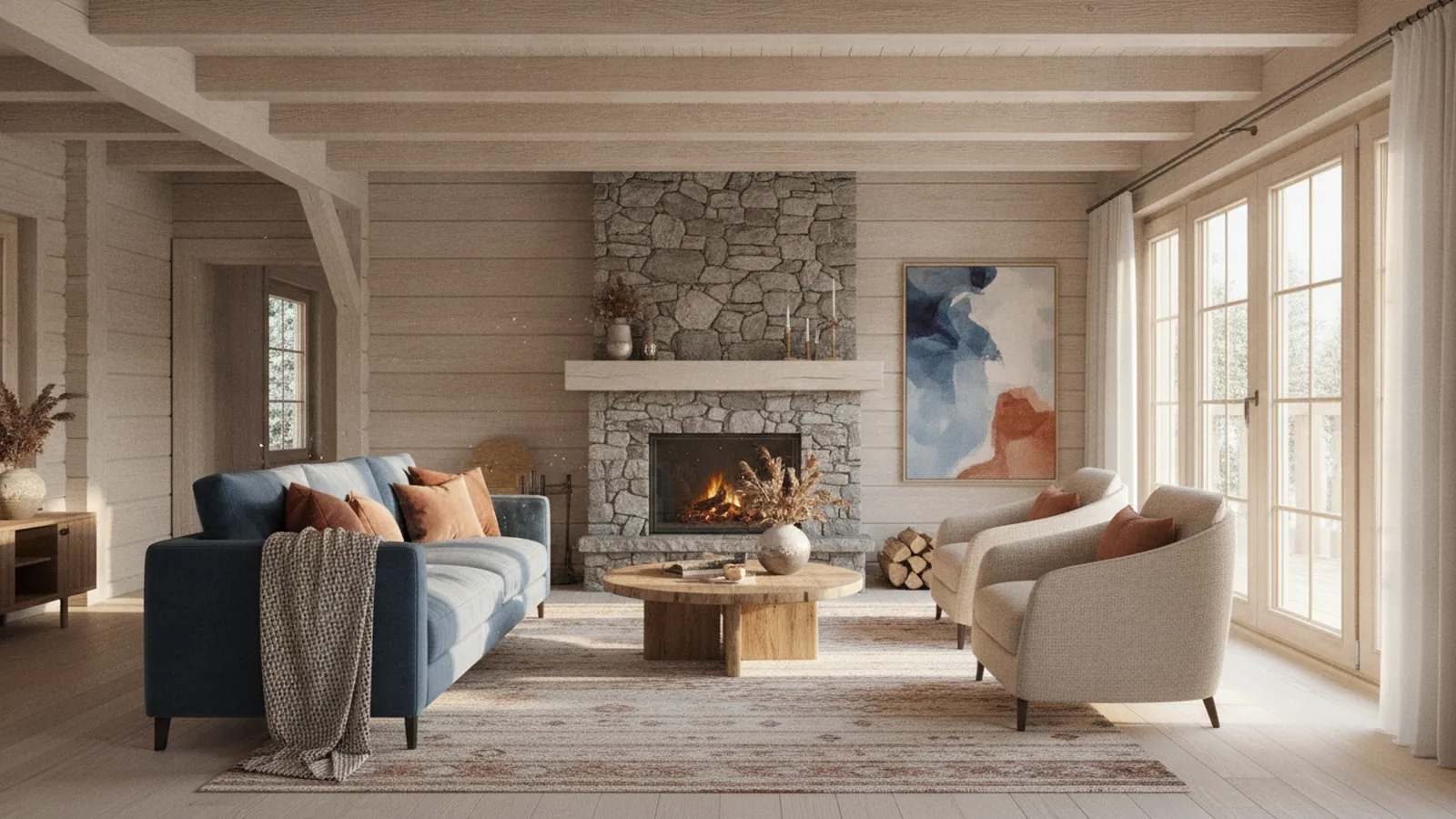
If you want a cozy log cabin design, start by designing for warmth, not for “matching.” The fastest way to get that inviting feel is to lean into the cabin’s natural textures and keep your choices cohesive. Log cabin interiors usually already have a strong backdrop from the wood, so your job is to add comfort layers and visual balance.
Most cabins feel best when the design reads as “lived in” rather than “display only.” That means soft surfaces, warm lighting, and decor that echoes the outdoors. When you plan your space like a retreat, you naturally arrive at cozy log cabin design concepts that feel calm and welcoming.
Before you buy anything, look around and note what stands out: wall logs, beams, fireplaces, and stone features. Then decide which elements should stay the hero and which elements should support them. This simple triage prevents the most common decorating mistake in cabin interiors: competing styles.
- Keep one main style anchor: rustic decor, but grounded with clean lines.
- Build comfort in layers: lighting, textiles, and then accessories.
- Repeat materials: wood tones, stone textures, and leather accents.
Key elements of log cabin decor
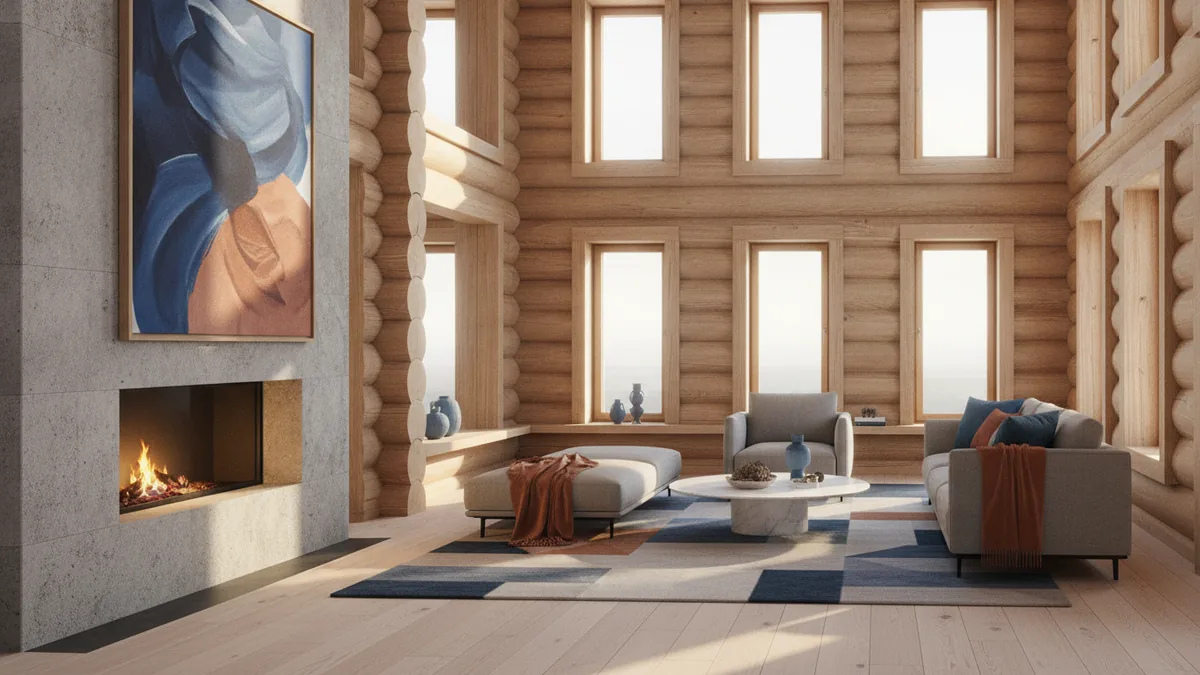
Log cabin interior decor ideas work best when they reinforce the materials that are already present. Wood is the obvious base, but stone, iron, and leather also fit the look while adding contrast. These materials read as authentic, especially when you use them in more than one room.
Stone is a great choice for fireplaces, hearths, and entryway details. Even if you cannot change the existing stone, you can echo it with a side table, a candle tray, or a small textured rug. Leather is another easy win because it pairs with wood without looking too busy.
To keep the rustic feel from getting heavy, balance dark accents with lighter fabrics. A dark leather armchair feels grounded next to a light quilt or pale linen curtains. This balance is the difference between “cozy” and “cave-like.”
| Design element | Where it works | Cozy effect |
|---|---|---|
| Wood | Wall beams, trim, shelving | Warm, grounded backdrop |
| Stone | Fireplace, hearth, small decor | Textured, natural depth |
| Leather | Seating, ottomans, throws | Soft durability and character |
| Metal accents | Lighting, cabinet pulls, frames | Simple contrast and structure |
Color palettes for warm, inviting cabin spaces
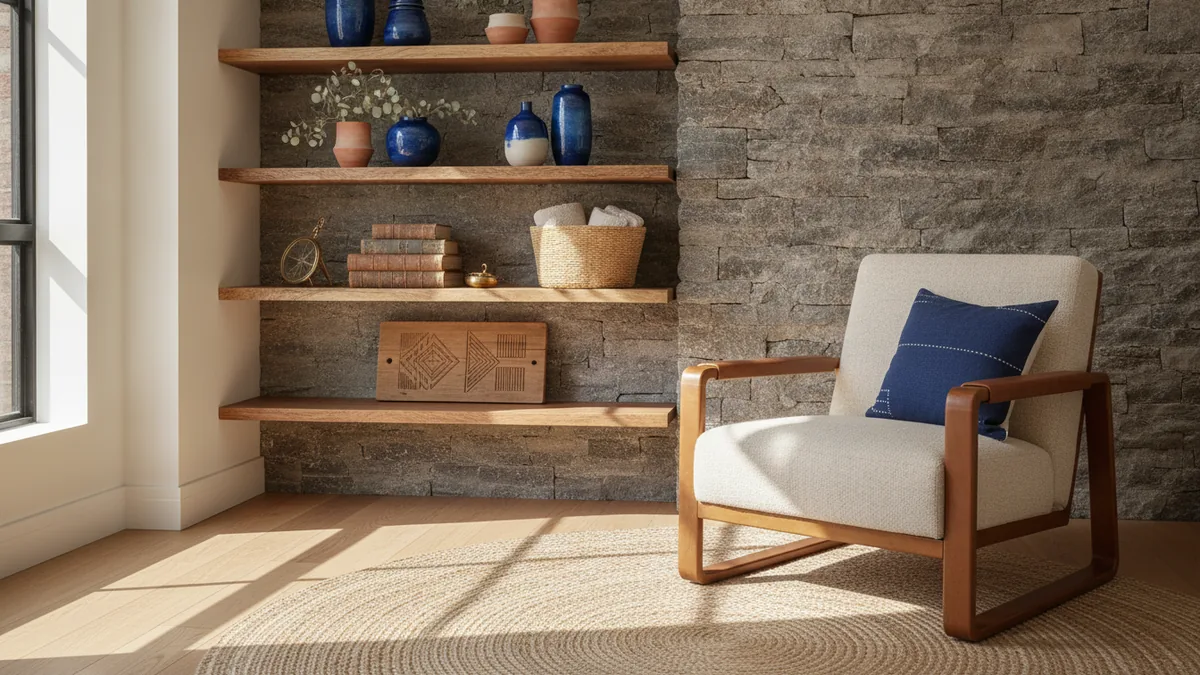
Earthy color schemes are crucial for how to decorate a log cabin interior because they harmonize with natural wood. Think muted greens, warm browns, clay, cream, and soft charcoal. These tones make the cabin feel connected to the surrounding landscape.
A simple method is to choose one “wood tone” and then add two companion colors. For example, pair medium oak or pine tones with moss green and warm cream. If your logs are very dark, add lighter neutrals to brighten the room without losing the cabin vibe.
For walls and larger surfaces, start with soft neutrals rather than bold paint. Then add color through pillows, rugs, and artwork. This approach lets you change seasonal accents without redoing the whole cabin.
- Base: warm cream or oatmeal for walls or large rugs.
- Accent: muted green, rust, or dusty blue for pillows and small decor.
- Anchor: charcoal or dark walnut for frames and lighting.
When in doubt, test samples in the room at different times of day. Cabin lighting changes fast from day to night, and the “same” color can look warmer after sunset. Aim for shades that feel comfortable to live with, not just pretty in daylight.
Furniture choices that mix classic and modern
Choosing furniture for a cabin is really about scale and comfort. Oversized pieces can swallow a small room, while sleek modern furniture can feel out of place if you skip warm materials. The sweet spot is often traditional shapes with modern proportions.
Look for seating with familiar silhouettes, like rolled arms, tufting, or a simple slipcover. Then choose legs and details that keep it from feeling too heavy. A leather or suede sofa looks great with a modern coffee table, as long as the table top repeats wood tones.
For versatility, blend traditional and modern styles in one area at a time. For instance, you can keep dining chairs rustic and switch to a more minimal pendant light above the table. This kind of contrast adds depth while still reading as cohesive.
- Living room: armchairs or a sofa in leather, then add a textured rug.
- Dining area: wood table with benches or upholstered chairs.
- Bedroom: a solid wood bed plus a modern dresser for balance.
Also consider function. Cabin layouts often shift during weekends, so flexible storage matters. Benches with hidden space and side tables with drawers reduce clutter and help the room stay cozy.
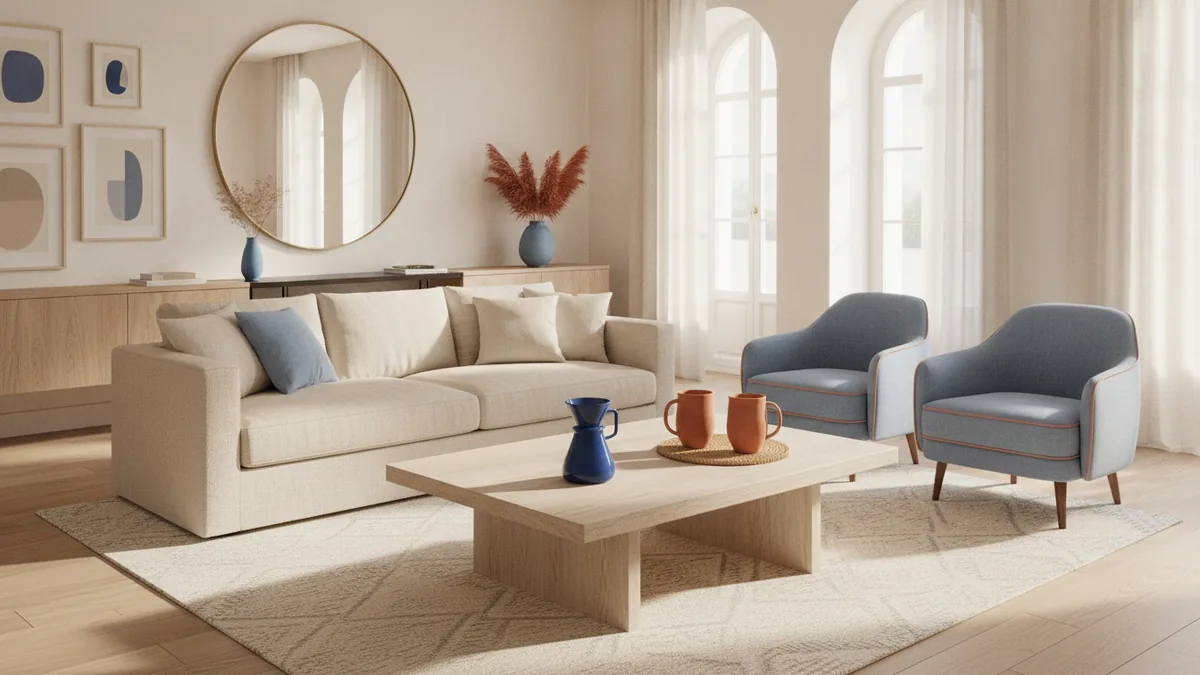
Textiles and accessories for comfort
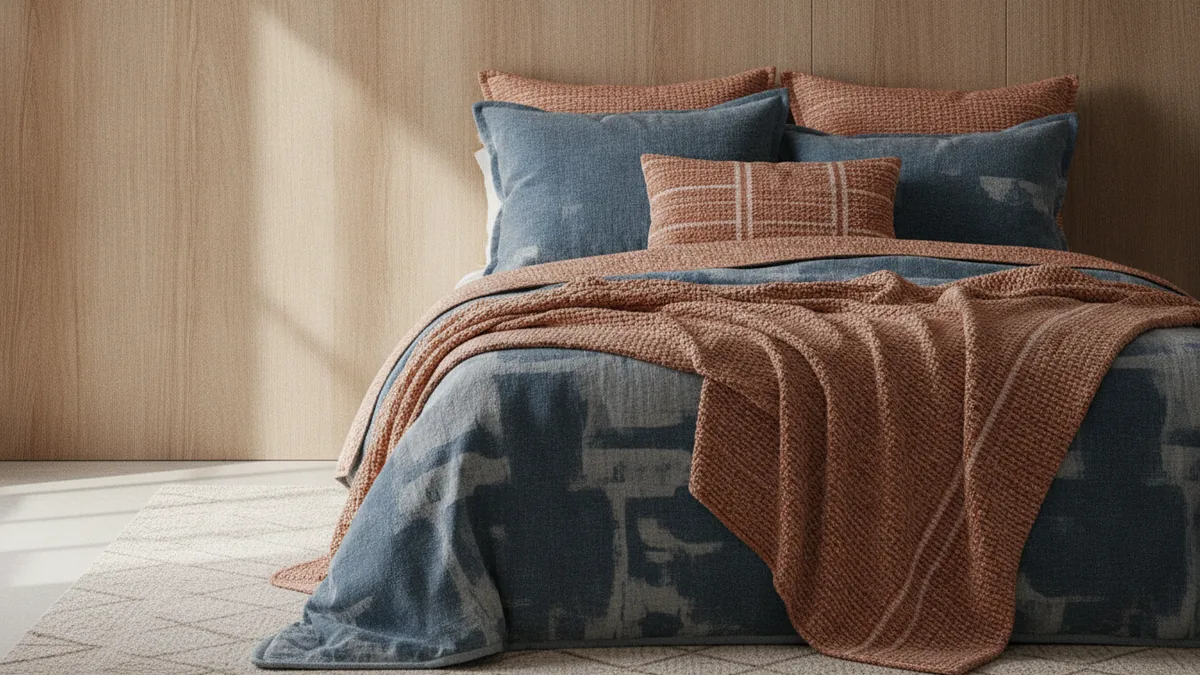
Layering textiles is one of the most reliable cozy log cabin design concepts. Quilts, throws, and blankets add softness, warmth, and visual depth over the harder surfaces. Start with one hero textile like a quilt, then build around it with complementary textures.
For the living room, drape a thick throw over the arm of each main seating piece. Add two to three pillow sizes so the bed-and-breakfast look stays intentional. In bedrooms, layered bedding is not just decorative; it also helps you regulate comfort when temperatures drop.
Choose fabrics that feel natural and inviting. Wool blends, thick cotton, and chunky knits look right in cabins because they echo the outdoors. Avoid overly shiny synthetics, which can clash with rustic decor.
- Pick your base textile: quilt or patterned throw.
- Add texture: knit throw, woven basket, or faux-fur accent.
- Finish with accents: small rugs, curtain panels, and pillow covers.
Accessories are where you get your “cozy” mood fast. A well-placed candle set by the hearth can replace heavy wall decor. A few vintage-inspired pieces on shelves keep the look personal without turning it into a junk drawer.
Incorporating natural elements
Outdoor elements in design help log cabins feel rooted in their setting. You can do this without turning every room into a hunting lodge. Use natural materials as accents, then let the cabin’s woodwork remain the main statement.
Antler and hide accents bring a distinct rustic charm when you keep them curated. A small antler mount above a doorway or a single hide rug in front of a fireplace can feel tasteful. If you go big, balance it with soft textiles and lighter colors so the room stays inviting.
Wall art also plays a major role. Nature-inspired design looks especially good when the artwork matches the palette. Choose pieces that feature forests, lakes, mountains, or wildlife, and consider mixing one larger print with a pair of smaller frames.
- Antler: one focal piece, not multiple scattered items.
- Hide textures: use in a defined zone like seating or near the hearth.
- Nature art: wildlife prints in warm frames for a calm look.
Finally, bring in real greenery if your light allows. A simple arrangement of pine branches, eucalyptus, or dried grasses can make a room feel fresh. Swap it seasonally to keep the cabin feeling alive.
Tips for personalizing your log cabin
The best log cabin interiors feel personal because they reflect real life there. Start with items you already love, then choose where they belong. A framed family photo wall can work, as long as you keep frames and mat tones consistent with the cabin’s wood and stone.
When you personalize, aim for a few strong “moments” instead of covering every surface. For example, create a reading corner with a lamp, a soft throw, and a small side table. Or style a mantel with a mix of candlesticks, a mirror, and nature-themed art.
Use practical upgrades that also enhance style. Warm light bulbs, layered curtains, and a rug pad all improve comfort and reduce noise. If you enjoy hosting, add seating that encourages conversation, like two chairs facing a sofa or a bench that pulls people together.
To refine your final look, do a quick visual sweep. Step back and check whether the room has repeating tones and textures. If something feels “off,” it is usually a missing link, like a leather cue near the seating or an extra natural element on the wall.
- Pick three repeat points: wood tone, one fabric texture, one accent material.
- Limit busy patterns: let quilts and artwork provide interest.
- Create zones: reading, dining, and relaxing each get their own comfort layer.
Frequently asked questions
- What are the best log cabin interior decor ideas for a cozy look?
- Focus on warm lighting, natural materials, and layered textiles like quilts and throws. Add a few curated accessories, such as leather accents and nature-themed wall art.
- How to decorate a log cabin interior without making it feel too dark?
- Use lighter neutrals on larger soft surfaces, like curtains and rugs. Add contrast through charcoal or dark wood accents, not only through darker walls or furniture.
- What color palettes work best for rustic decor in a cabin?
- Start with warm cream or oatmeal, then add muted green, clay, or dusty blue accents. Keep one darker anchor tone for frames and lighting.
- Are antler and hide accents too much for log cabin interiors?
- They can be tasteful when used as a single focal point. Pair them with cozy textiles and keep the rest of the decor simple and natural.
- What furniture style works in a log cabin with modern tastes?
- Choose traditional shapes for comfort, like cushioned seating, then add modern elements in lighting or tables. Repeat wood tones to keep the whole room cohesive.
Related reading
Couch Placement—Flow, Focus and Comfort
Place your couch to frame a focal point, keep paths clear, and make the room feel balanced.
Master Bedroom — Color, Comfort and Personal Style
Build a calm, personal bedroom with smart choices and a budget that works.
Room Painting Labor Costs — Rates and Budget Factors
See typical room-painting labor rates and learn what drives the final price.