Is Yellow a Good Color for a Bedroom? Shades, Pairings, and Tips
Discover the mood boosts of yellow, plus shades, pairings, and lighting tips for a cozy bedroom.
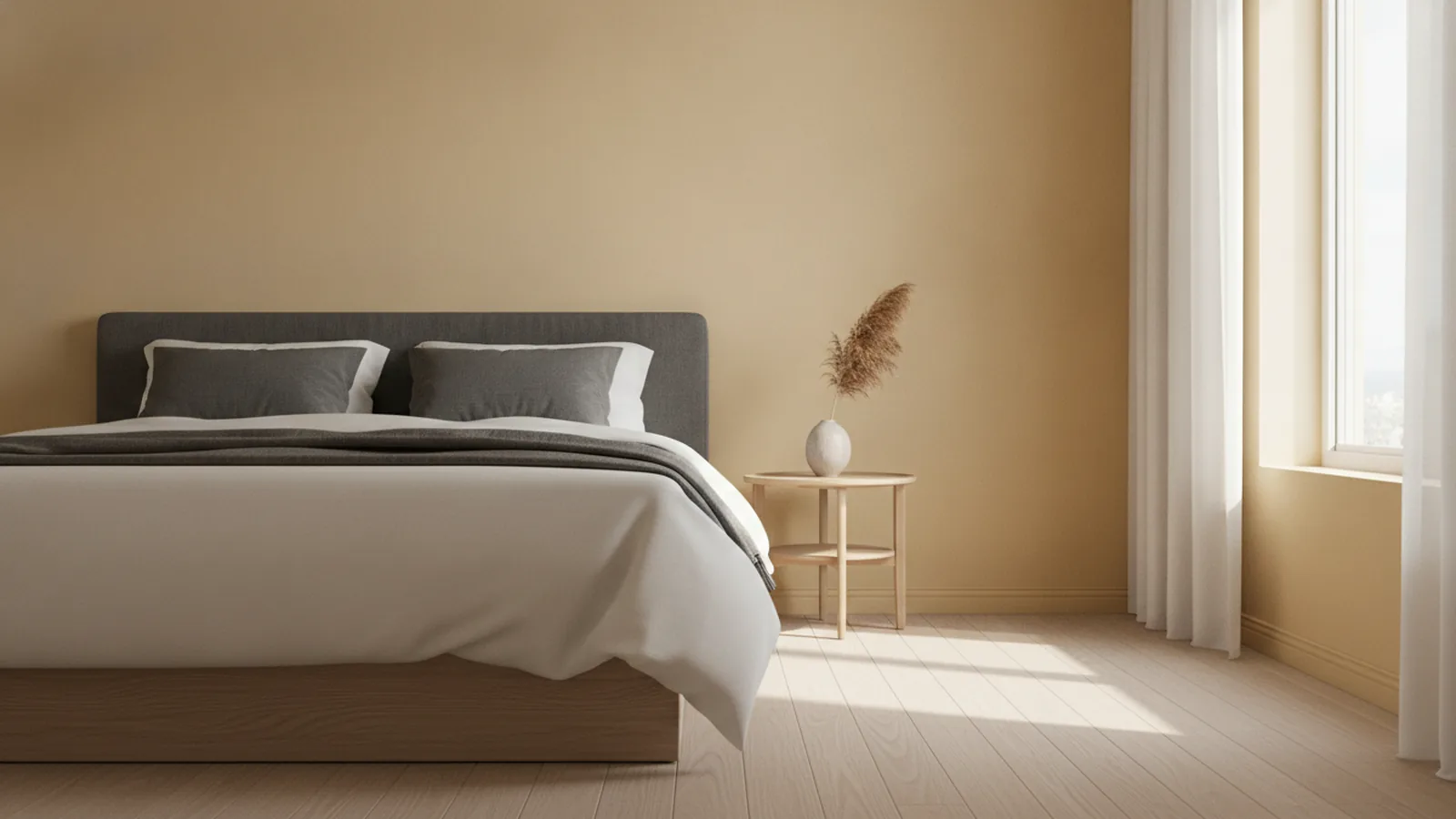
Is yellow a good color for a bedroom?
Yes - is yellow a good color for a bedroom for many people, because it often feels bright, friendly, and uplifting. In color psychology, yellow is linked with optimism and mental energy, which can help a room feel more welcoming. The key is choosing a shade that matches how you want to feel when you wake up and when you wind down. With the right yellow bedroom ideas, yellow can still feel calm, not chaotic.
Yellow’s biggest strength is how it shapes your daily mood. Soft yellows can read as warm and gentle, while bolder yellows can feel lively and focused. That means you can tune the vibe without changing the whole room design. It also pairs well with common bedroom staples like white trim, neutral bedding, and natural wood.
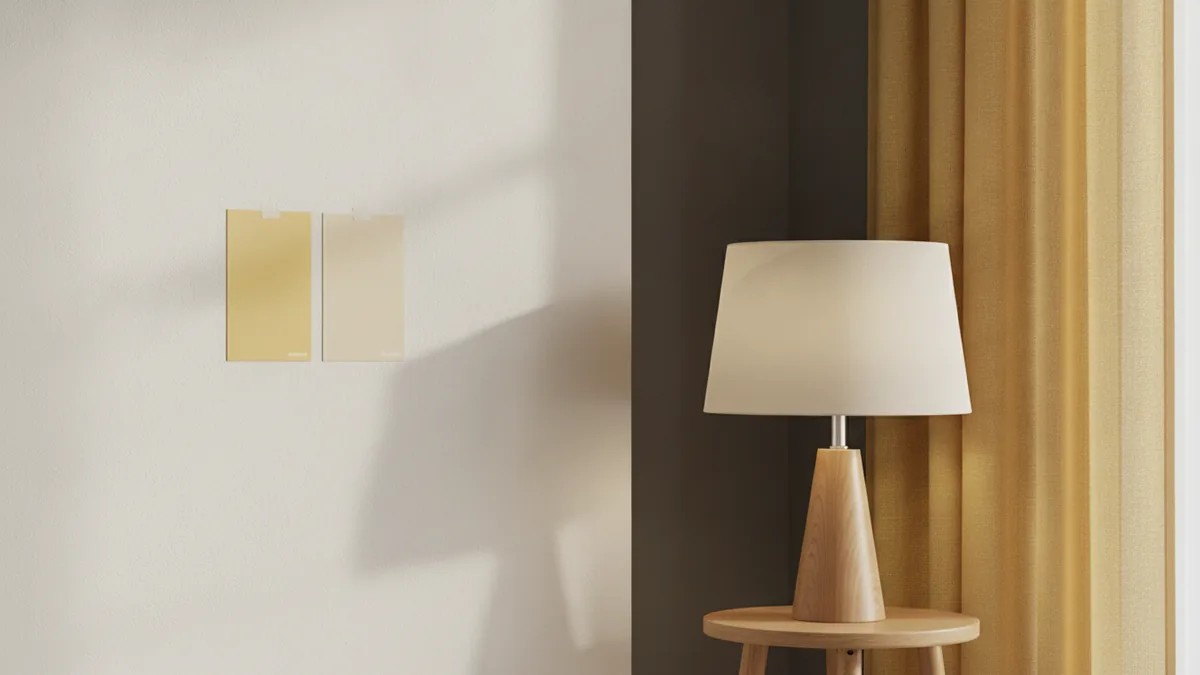
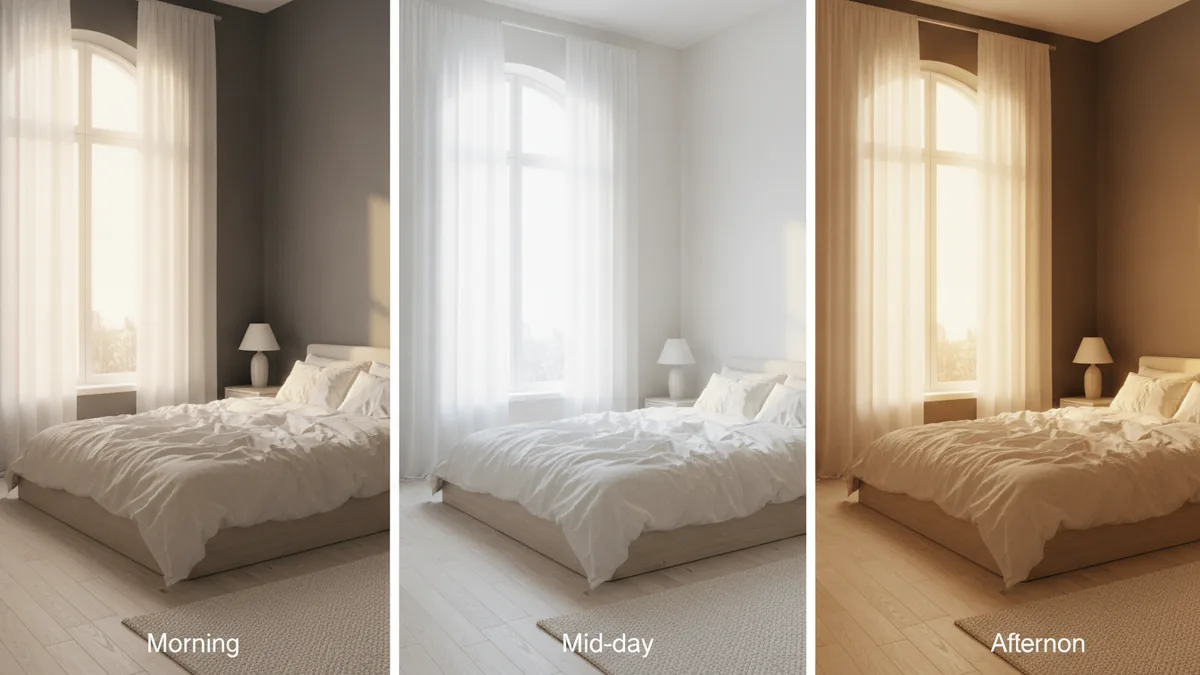
That said, yellow is not one-size-fits-all. It can look cheerful in one light but harsh in another. So, you’ll get better results by testing paint samples at different times of day.
Psychological effects of yellow
Yellow is often tied to positivity and happiness. When your eyes catch a warm yellow tone, your brain tends to read the space as more active and encouraging. In a bedroom, that can translate into an uplifting morning atmosphere.
Yellow can also influence how “settled” a room feels. Pale, buttery tones tend to feel comforting, while high-saturation yellows can feel energizing. This is why yellow color psychology matters: you’re not just choosing a color, you’re choosing a mood.
One practical way to think about it is speed of visual impact. Bright yellow draws attention quickly, so it works best as an accent in many bedrooms. Softer yellows spread the feeling more evenly, so they can work well on larger surfaces like walls.
- Soft yellows: calm, cozy, and less visually intense
- Golden yellows: warm, inviting, and “sunlit”
- Bright yellows: energizing, best used in controlled doses
- Muted yellows: grounded, easier to style with neutrals
Best shades of yellow for bedrooms
If you’re wondering best yellow shades for bedrooms, start with undertone. Many yellow tones lean either warm (honey, golden) or cool (lemon, soft butter with a hint of green). Warm yellows usually feel more comforting. Cool yellows can feel fresher and slightly more crisp.
For restful sleep routines, many people prefer lighter, lower-contrast shades. Think cream yellow, pale butter, or muted daffodil. These shades reflect light without overpowering your space. They also play nicely with bedroom decor because they don’t force one specific style.
If you want more vibrancy, keep the bright color where your eyes naturally focus. Use it on a single feature wall, a headboard, or framed art. That approach gives you the joy of yellow while protecting the calm you want at night.
| Yellow shade type | How it feels | Good use in a bedroom |
|---|---|---|
| Pale butter | Soft, comforting, low energy | Whole walls, ceilings, and light bedding |
| Warm honey | Cozy, welcoming, “sunset” warmth | Accents, built-ins, and warm wood furniture |
| Muted sage-leaning yellow | Calm, grounded, easy to style | Walls in small rooms or modern color schemes |
| Lemon or bright daffodil | High energy, playful, attention-grabbing | One wall, pillows, or a patterned rug |
Complementary colors for yellow bedrooms
Choosing a yellow shade is only half the plan. You also need a solid color pairing so the room feels balanced. For complementary colors for yellow bedrooms, think about cool tones and clean neutrals, since they prevent yellow from turning into “all warmth, no structure.”
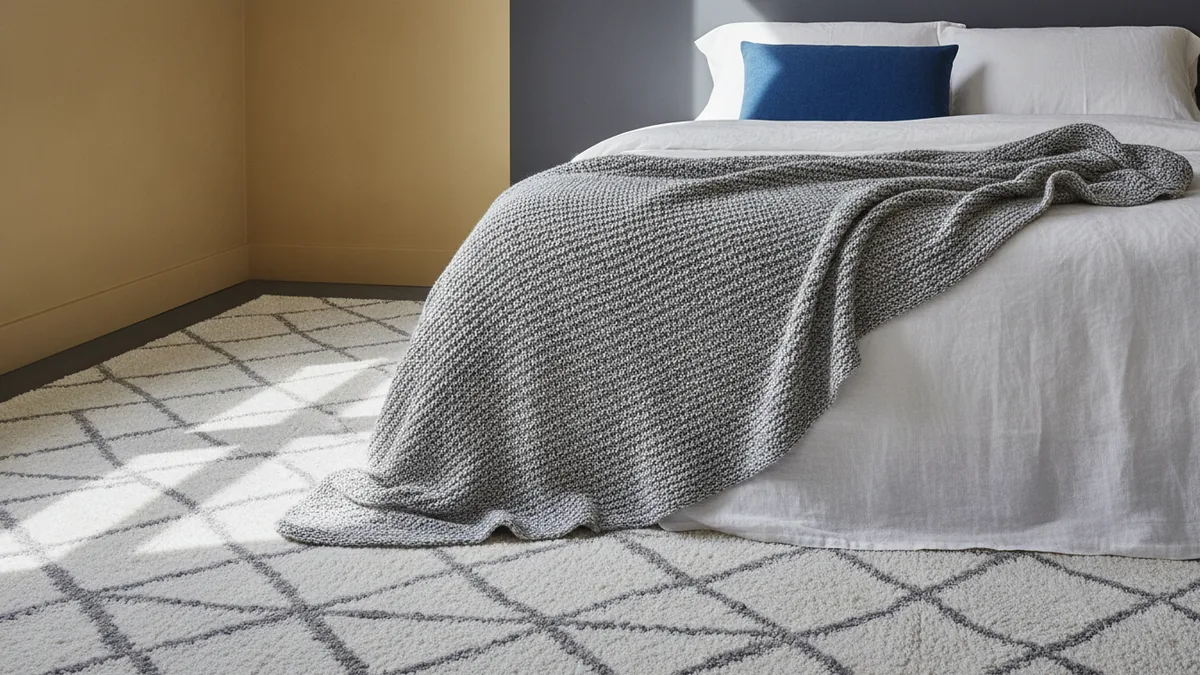
Gray and white are classic partners. Gray adds depth and creates a calmer visual rhythm. White keeps the room feeling airy, especially if yellow is on the walls. For a more relaxing bedroom, blue can be a strong choice because it cools the warmth and often feels restful.
When you mix yellow with these partners, aim for value contrast. If your yellow is very light, pair it with medium-gray furniture or darker bedding. If your yellow is darker or more saturated, use crisp white and lighter textiles to keep the room open.
- Yellow + gray: modern, balanced, and easy to update with decor
- Yellow + white: bright, airy, and great for small rooms
- Yellow + blue: calm contrast that can feel coastal or serene
- Yellow + natural wood: warm, organic, and family-friendly
Quick room color scheme recipes
Here are a few room color scheme setups that tend to work well in real bedrooms. They focus on simple proportions: one main color, one support color, and one anchor shade for contrast.
- Soft yellow walls + white trim + light gray bedding. Add warm wood for bedside tables.
- Muted yellow accent wall + cool blue textiles. Use cream linens so the blue feels gentle, not icy.
- Bright yellow accessories + gray base. Keep walls neutral to avoid visual overload.
- Honey yellow headboard + white bedding + navy accents. This gives warmth at night with crisp definition.
Practical considerations when using yellow in a bedroom
Lighting is the biggest practical factor for yellow. Natural light effects change how yellow reads, especially when your room gets morning vs evening sun. North-facing rooms often make yellow look more muted or even slightly cooler. South-facing rooms can make yellow feel brighter and more golden.
Artificial lighting matters too. Warm bulbs can push yellow toward honey, while cooler bulbs can make it look more lemony. If your bedroom has LED lights, check the color temperature on the bulb packaging. Then test paint samples under the same bulbs you use at night.
Room size also plays a role. Lighter yellows can help a small bedroom feel larger by increasing overall reflectance. Darker yellows can make a room feel more intimate, but they can also visually shrink space if used on all walls.
- Small room tip: go lighter on walls and use darker tones on bedding or curtains.
- Low-light tip: choose warmer undertones and add reflective surfaces.
- High-contrast tip: limit bright yellow to one area, like a headboard.
- Furniture tip: keep large wood pieces in natural tones to avoid color “clashes.”
Finally, think about how yellow interacts with your fabrics. If your curtains are too close in hue to the walls, the room can look flat. If your bedding is crisp white or soft cream, yellow becomes the warmth in the background. Patterned textures, like a subtle weave or small geometric print, can also add depth without fighting the color.
Real-life examples of yellow bedrooms
To make this practical, it helps to picture how yellow works in different bedroom styles. Example one is a classic “soft sunshine” setup. A homeowner uses pale butter on the main walls, keeps trim white, and chooses light gray bedding. The room feels bright in the morning, yet it stays calm because the yellow is low saturation.
Example two is a modern accent approach. The walls are a warm off-white, and a single wall behind the bed is painted a muted golden tone. Yellow bedroom decor shows up in a patterned throw and one lamp shade. This keeps the main room neutral while still delivering the mood lift that yellow is known for.
Example three is a restful contrast design. A muted yellow headboard area sits next to soft blue curtains and a cream duvet. The blue cools the warmth and adds a “slow down” feel at night. If you want a bedroom that supports both reading and sleeping, this balance is a reliable choice.
These examples also highlight a consistent theme: the right shade, the right pairing, and the right lighting plan. When you align those three, yellow becomes a flexible color rather than a risky one.
Common mistakes to avoid
People often get disappointed when yellow is chosen without testing. One issue is using bright yellow on all walls, which can feel too intense by bedtime. Another is ignoring undertones, then ending up with a color that looks greenish or overly bold indoors. The fix is simple: use samples and check them in your bedroom lighting.
Also avoid choosing yellow that is too close to your curtains. If everything blends into one pale field, you lose structure. Add contrast through bedding, trim, or a darker rug so the room feels designed.
Frequently asked questions
- Is yellow a good color for a bedroom?
- Often yes. Yellow can feel uplifting and warm, especially in soft or muted shades.
- What are the best yellow shades for bedrooms?
- Look for pale butter, cream yellow, honey tones, or muted yellows with less saturation. These options usually feel more restful.
- What colors go with yellow in a bedroom?
- Gray and white are easy, and blue can add a calm contrast. These pairings help yellow feel balanced, not overpowering.
- Does lighting change how yellow looks in a bedroom?
- Yes. Natural light and bulb color temperature can shift yellow toward golden or lemon tones. Always test paint samples at different times.
- Will yellow make a small bedroom feel smaller?
- It depends on the shade. Lighter yellows tend to open up a space, while darker yellow walls can feel more enclosed.
- How can I use yellow without painting all the walls?
- Start with accents like bedding, curtains, rugs, and a headboard. This keeps control while still delivering the mood boost.
Related reading
Couch Placement—Flow, Focus and Comfort
Place your couch to frame a focal point, keep paths clear, and make the room feel balanced.
Master Bedroom — Color, Comfort and Personal Style
Build a calm, personal bedroom with smart choices and a budget that works.
Room Painting Labor Costs — Rates and Budget Factors
See typical room-painting labor rates and learn what drives the final price.