High Ceilings — Warmth, Scale and Style
Use color, scale and soft textures to make tall rooms feel inviting.
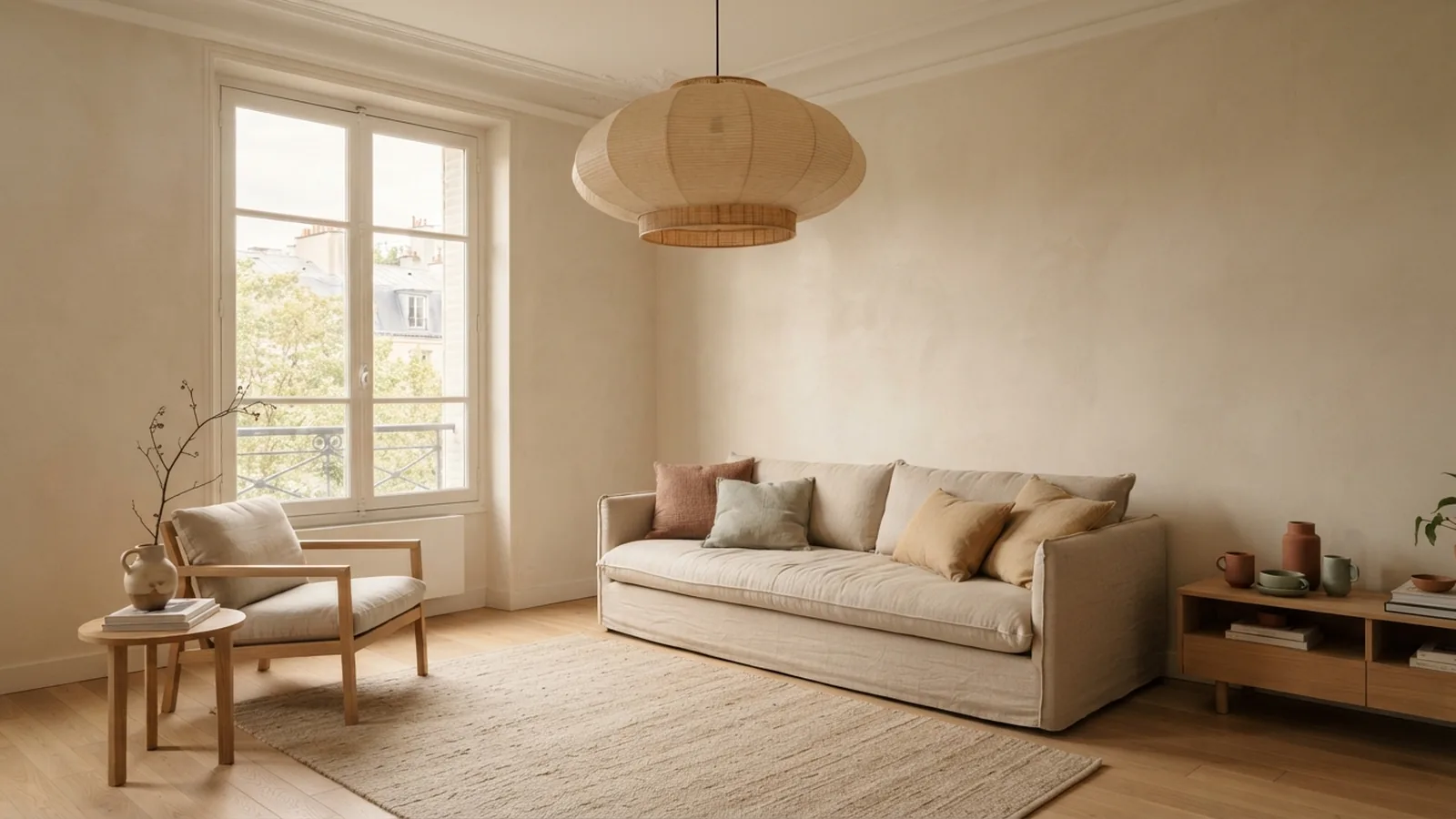
Make High Ceilings Feel Intentional
To decorate a room with high ceilings, balance the extra height with strong features, well-scaled furniture and warm textures. Use curtains to draw the eye up, then add art and lighting that suit the room’s scale. A darker ceiling or ceiling beams can also make the space feel less lofty. The goal is a room that feels finished, not simply tall.
High ceilings bring light, air and a sense of luxury. They also leave more wall space to plan, and small pieces can seem lost against it. First, decide where you want the eye to land: a fireplace, a large artwork, a dining table or a striking light fixture. Build the rest of the room around that focal point.
- Repeat a few key materials, such as oak, linen and matte plaster.
- Use larger shapes rather than many tiny decor items.
- Keep a comfortable zone for seating and daily use.
In a small living room with high ceilings, avoid filling every wall. A clear floor plan and one strong focal point can make the room feel calm. In a bedroom, use a tall headboard, layered bedding and soft bedside light to bring the focus closer to bed height.
Add Character with Architectural Details
Beams, trim and wall panels give a tall room a sense of scale. A beam across the ceiling can visually lower it and add a natural focal line. Crown molding helps define the meeting point between wall and ceiling. Even a simple band of trim can make a plain room feel more considered.
Choose details that suit the home’s style and proportions. In a Scandinavian room, pale wood beams can add warmth without making the ceiling feel heavy. For a more classic look, paint trim to match the wall for a quiet effect, or use a close shade for gentle contrast. A single strong detail often works better than several competing patterns.
If you cannot change the architecture, create visual structure with tall bookcases, a large mirror or a wide piece of art. Keep the top of the room from feeling empty, but leave some blank wall. This balance helps the room feel designed rather than crowded.
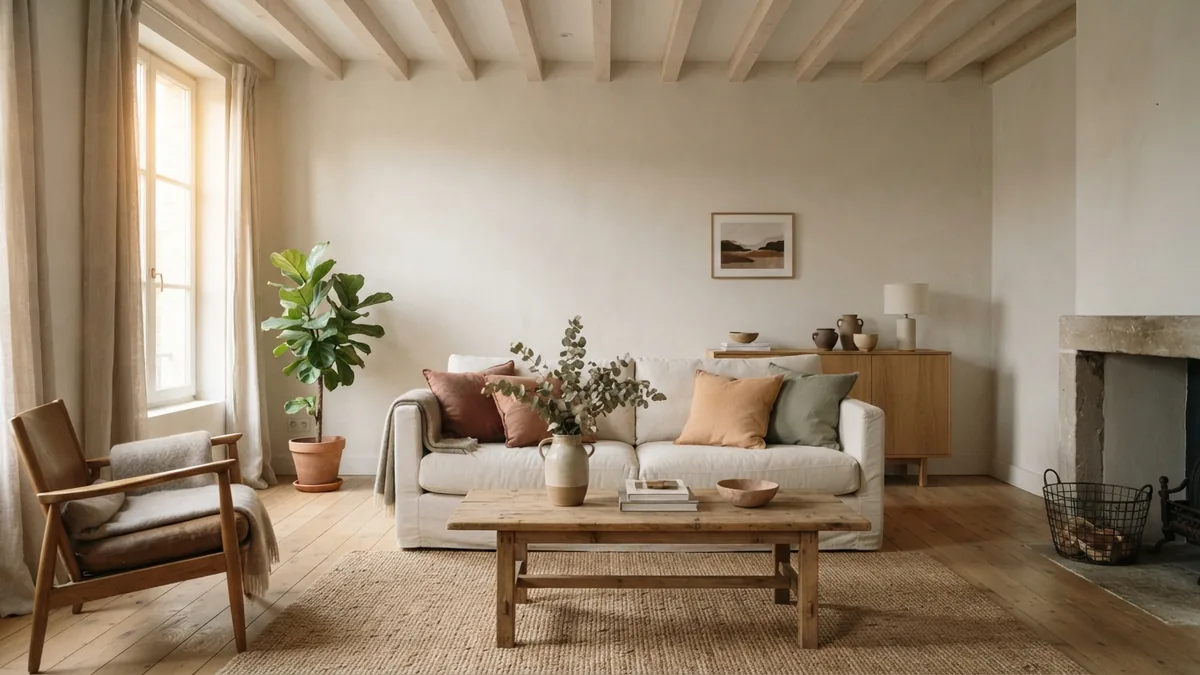
Use Ceiling Color to Change the Mood
A ceiling does not have to be white. A warm, muted shade can help a tall room feel more intimate. Deep olive, soft terracotta or a warm taupe can visually bring the ceiling closer. For a subtle change, choose a shade just darker than the walls.
Before painting, test a large sample on the ceiling and view it at different times of day. Natural light can change how a color reads, especially across a broad surface. Matte paint tends to hide small flaws and gives the room a soft finish. Keep wall and ceiling colors related if you want the room to feel restful.
For a bold look, carry the ceiling color a short distance down the upper walls. This creates a cap-like effect and can make the room seem lower. In a bedroom, a muted shade above the bed can make the sleeping area feel sheltered. In a living room, use a ceiling color that works with the upholstery and wood tones.
- Use lighter ceilings when you want to keep a room bright and airy.
- Try warm mid-tones to add comfort without a dramatic shift.
- Use dark colors with care in rooms with limited daylight.
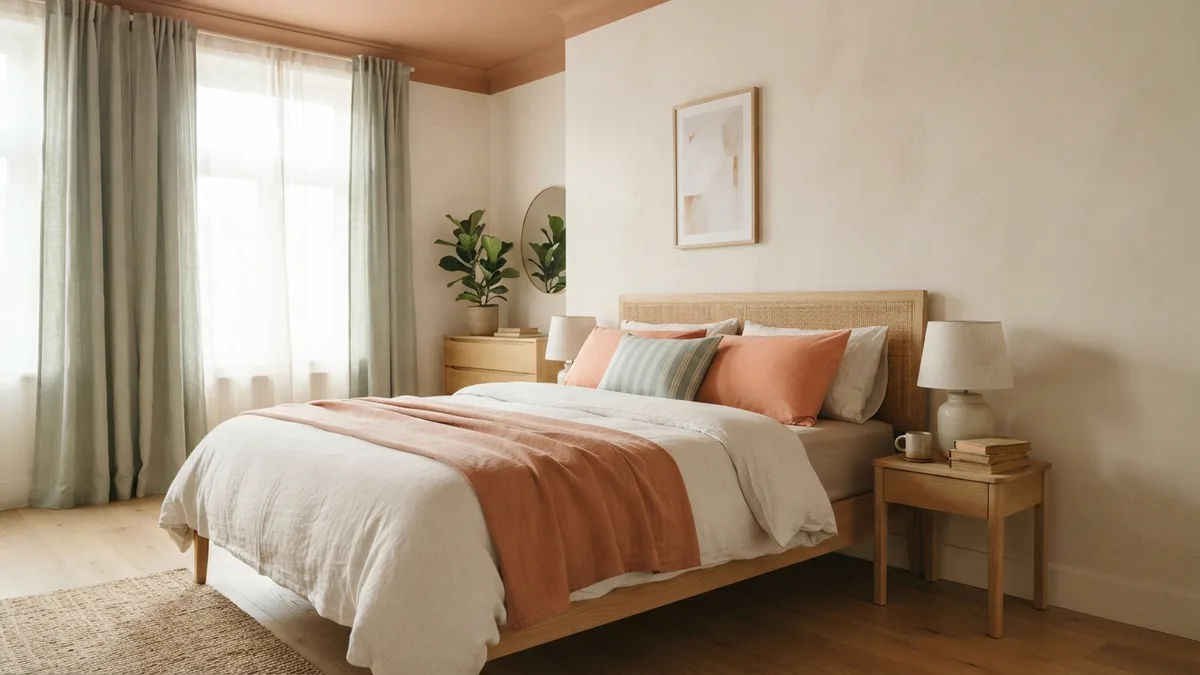
Hang Curtains High and Wide
Mount curtain rods close to the ceiling, rather than just above the window frame. This draws the eye upward and makes the window feel taller. Extend the rod beyond both sides of the frame, so open curtains do not block much glass. Choose panels long enough to reach the floor.
For most rooms, let the fabric skim the floor or rest with a slight break. Avoid curtains that stop well above it; the gap can make the wall look shorter. Linen and cotton bring a soft, relaxed feel, while a lining helps control light and offers more privacy. If the windows are very wide, use enough fabric for gentle folds when the curtains are closed.
Measure from the planned rod position to the floor before buying panels. Check for radiators, vents and furniture that may affect the hem. A sturdy rod and suitable wall fixings matter, since tall curtains can be heavy. For a bedroom, consider a blackout lining if you need a darker sleep space.
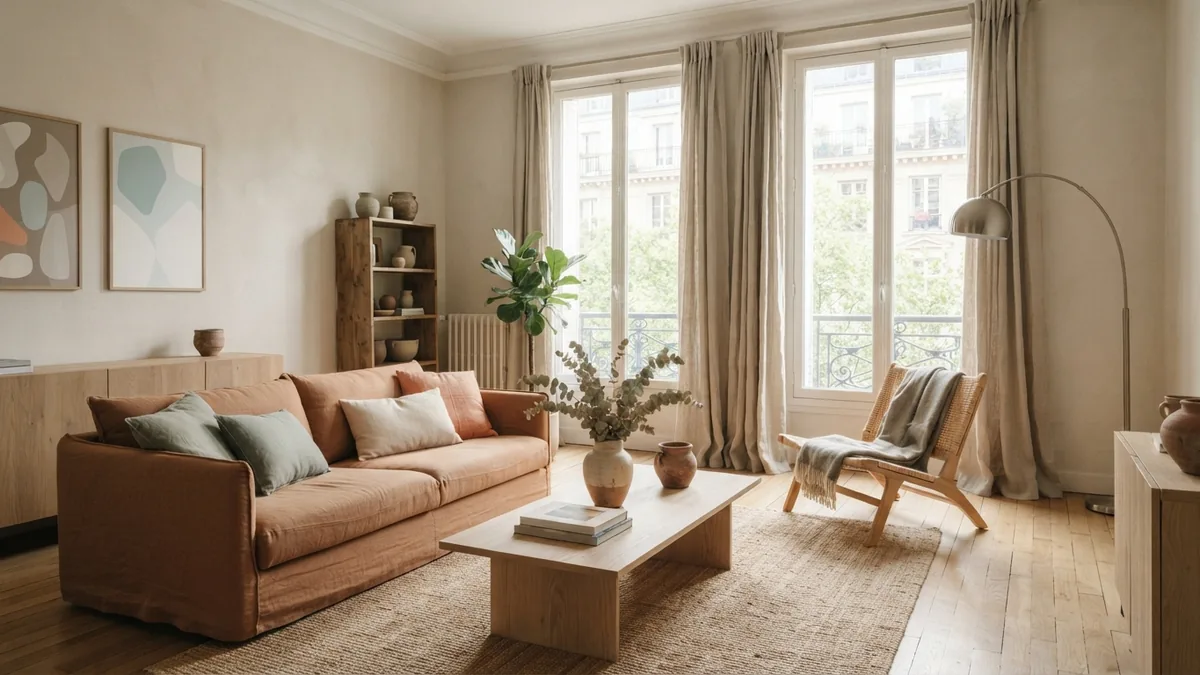
Place Art at Eye Level
Hang art so its center sits near average eye level, often about 145 to 155 centimeters from the floor. In a tall room, do not raise every frame to fill the upper wall. Art should relate to the furniture and people using the room, not only to the ceiling height.
Choose a larger piece when a small frame would look lost above a sofa or bed. As a rough guide, art above a sofa can span about two-thirds of its width. A gallery wall can fill a broad area, but keep the gaps between frames consistent. Lay out the arrangement on the floor before putting nails in the wall.
For a high shelf in a living room, group a few larger objects rather than lining up many small ones. A plant, a ceramic vessel and a stack of books can add shape and texture. Leave open space around them, and check that each item can be reached safely for dusting.
Choose Furniture and Lighting at the Right Scale
Tall rooms need furniture with enough visual weight to hold its own. A low sofa can still work, but pair it with a substantial rug, a broad coffee table or a tall lamp. In a bedroom, a high headboard and full-height curtains can balance the wall space. Keep pathways clear so larger pieces do not make the room hard to use.
Lighting should suit both the ceiling height and the room’s tasks. A larger pendant or chandelier can anchor a living or dining area, while table and floor lamps add light at seated height. In a bedroom, use bedside lamps or wall lights for reading, plus softer ambient light. Choose a fixture size that feels balanced above the furniture, not oversized for its own sake.
Think about the whole room when choosing a ceiling fixture. It should hang high enough to avoid heads and leave clear sight lines. In rooms with very high ceilings, a long drop can bring the light closer to the seating zone. Ask an electrician to check safe mounting and wiring before fitting a heavy fixture.
Make the Room Feel Cozy
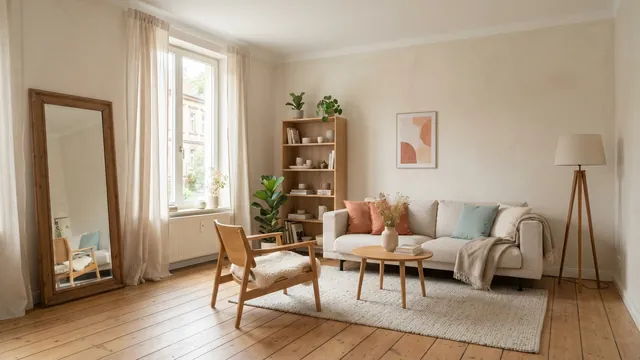
Comfort comes from layering the space at several heights. Put a rug beneath the main seating group, add cushions and throws, and use lamps to create pools of warm light. These details make a large room feel welcoming without hiding its height. Natural materials such as wool, linen and wood soften hard surfaces.
Arrange seats so people can talk without shouting across a wide floor. In a large living room, two smaller seating areas may work better than one group pushed against the walls. Use a console, bookcase or plant to mark a gentle boundary between zones. Keep each area connected through repeated colors or materials.
Use the upper walls with care. A tall bookcase, a large artwork or a vertical mirror can connect the floor to the ceiling. Leave some open wall to give the eye a place to rest. With a clear focal point, warm light and furniture that fits, even a very tall room can feel intimate.
Frequently asked questions
- How do you decorate a room with high ceilings?
- Use large focal points, tall curtains, properly scaled furniture and layered lighting. Beams, trim or a warm ceiling color can also make the height feel more intentional.
- How can you make a room with high ceilings feel cozy?
- Add rugs, soft fabrics and warm lamps, then arrange seats in close conversational groups. A darker ceiling or wood beams can make the space feel more intimate.
- Should you paint a high ceiling a darker color?
- A warm, darker shade can visually lower the ceiling and add comfort. Test a large sample first, since the color may look different across a broad surface.
- How high should curtains hang in a room with tall ceilings?
- Mount the rod close to the ceiling and extend it beyond the window frame. Let the panels skim the floor for a clean, full-height look.
- Where should art go on a high wall?
- Keep the center of the artwork near eye level, often about 145 to 155 centimeters from the floor. Choose a larger piece or a gallery wall when one small frame feels lost.
- What furniture works best in a living room with high ceilings?
- Choose pieces with enough visual weight, such as a substantial sofa, broad rug or tall bookcase. Keep walkways clear and group furniture to support conversation.
Related reading
Low Ceiling Rooms — Height, Light, and Style
Make low ceilings feel taller with smart light, color, furniture, and decor.

How Many Paintings Should You Hang in Each Room?
Find the right painting count, layout, and height for every room.

Large Living Room Walls — Scale, Style, and Warmth
Use scale, art, texture, shelves, and light to make a large wall feel balanced.