How Much Paint Do I Need to Paint a Room? (Wall-by-Wall Math)
Calculate wall paint fast: measure, exclude openings, pick coats, add wastage, and estimate cost.
Understanding room dimensions
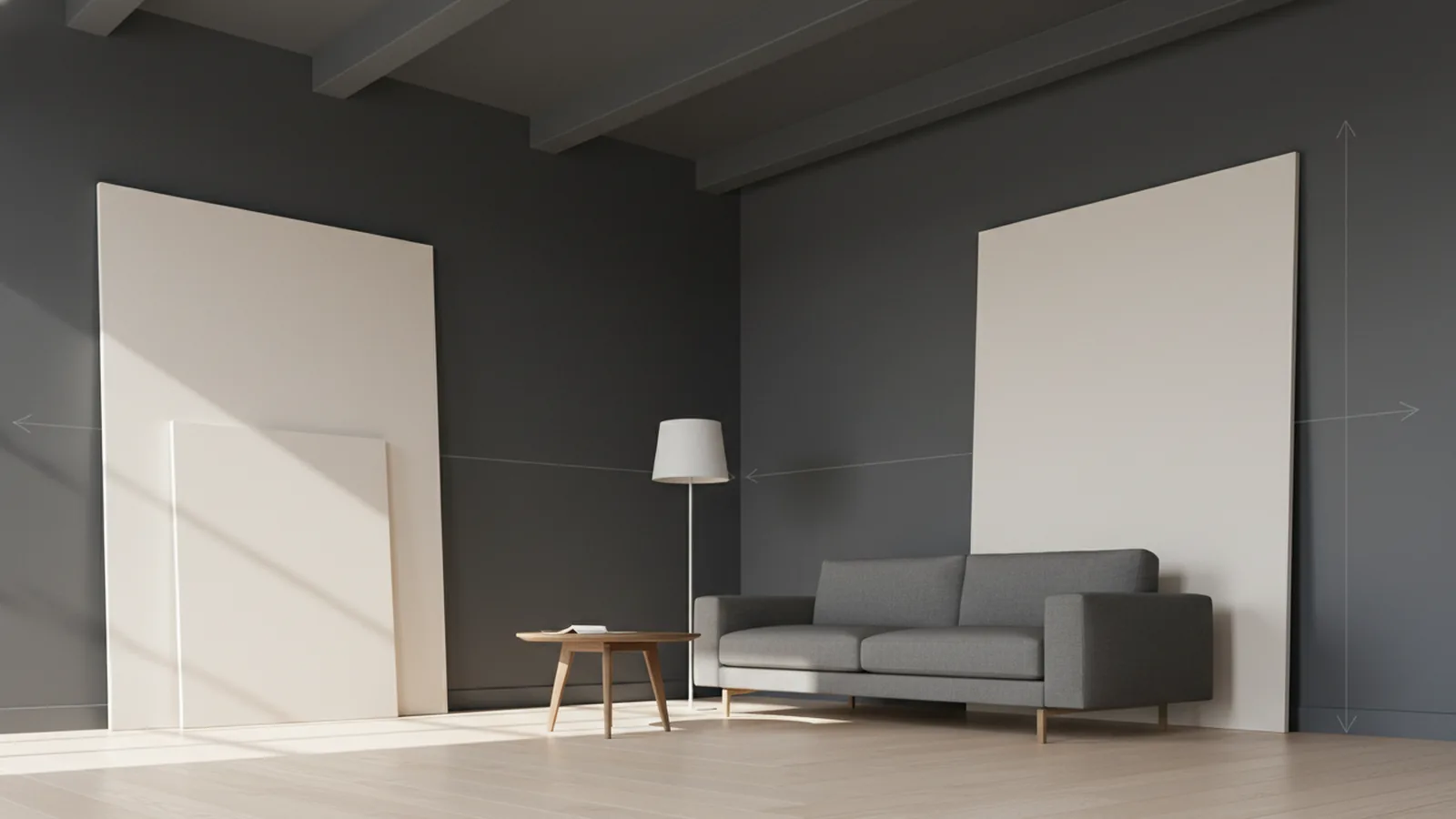
If you want to know how much paint do i need to paint a room, start with the room dimensions. Paint is measured by wall area, not by floor area. So you’ll use length, width, and height to estimate total wall surface.
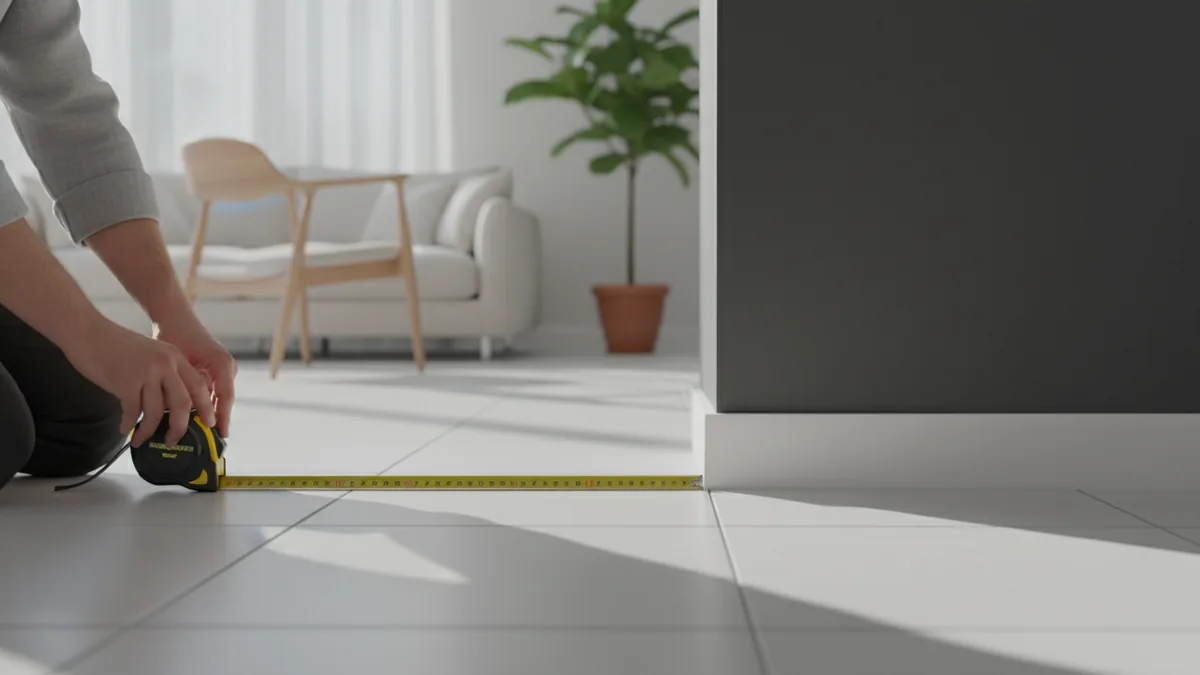
Write down the room’s inside measurements in metres. Measure wall length and wall width along the longest internal edges. Then measure the wall height from the floor to the ceiling edge. If you have sloped ceilings, measure the effective wall height for each wall section.
For example, a room that is 5 m long, 4 m wide, and 2.6 m high has two walls at 5 m and two walls at 4 m. You can already see how the wall height matters. Taller rooms need more paint even if the floor stays the same size.
- Measure room length and width (inside edges)
- Measure wall height to the ceiling line
- Note any irregular walls or recesses
Calculating paint coverage
To calculate how much paint will i need to paint a room, convert room dimensions into total wall area. The basic wall area formula uses the perimeter and the wall height. Perimeter is 2 × (length + width). Then multiply by height to get total wall surface.
Next, subtract areas to exclude, like windows and doors. These openings usually do not get paint, or they are painted with different materials. Use the opening’s measured dimensions to find their area, then subtract from the wall area.
Most paint brands suggest that one litre covers about 10 m². Coverage can vary based on surface texture, absorption, and roller or brush use. So treat 10 m² per litre as a planning number, then adjust with the specific product label if you have it.
Here is a clear example for calculating paint needs. Assume a room is 5 m × 4 m × 2.6 m, with one door and two windows. Total wall area is 2 × (5 + 4) × 2.6 = 46.8 m². If the door is 0.8 m × 2.0 m (1.6 m²) and windows total 3.0 m², subtract 4.6 m². Painted wall area becomes 46.8 − 4.6 = 42.2 m².
Using 10 m² per litre, one coat needs 42.2 ÷ 10 = 4.22 litres. That’s how much paint i need for a room for a single coat, based on the planning coverage. If you apply multiple coats, multiply by the number of coats next.
| Step | What to do | Example (m²) |
|---|---|---|
| 1. Wall area | Perimeter × wall height | 2 × (5 + 4) × 2.6 = 46.8 |
| 2. Exclude openings | Sum window and door areas | 1.6 + 3.0 = 4.6 |
| 3. Painted area | Wall area − openings | 46.8 − 4.6 = 42.2 |
| 4. Litres per coat | Painted area ÷ coverage | 42.2 ÷ 10 = 4.22 |
Factors affecting paint needs
When people ask how much paint would i need to paint a room, the real answer depends on a few practical factors. The biggest ones are the number of coats, surface condition, and the wastage factor. If the wall is stained or you switch from dark to light, you may need extra coats to get good hiding.
Determine how many coats of paint will be applied. Two coats are usually recommended for even coverage and reliable colour depth. If you are painting over a similar colour and the surface is already in good condition, you may get away with two coats. If you are covering a strong contrast, two coats may still work, but you should expect higher consumption.
Also include a wastage factor to avoid running short mid-job. A common approach is adding 10% to 15% extra paint for spillage, drips, and minor roller mistakes. For accurate calculating paint needs, apply this extra amount after you’ve accounted for the number of coats. It prevents underbuying when you are measuring for a bedroom or bathroom.
Surfaces change coverage. Rough plaster, repaired drywall, and textured finishes can absorb more paint. Kitchens and bathrooms also often need good coverage on areas around moisture, stains, or previously tinted paint. If you are painting glossy walls, scuff sanding may help paint grip, but it does not reduce the number of coats needed.
- Number of coats: often 2 for a standard finish
- Surface condition: stains, patches, and texture increase use
- Wastage factor: add 10% to 15% extra
- Paint type: coverage may differ by product label
To finish the earlier example with two coats and wastage, use this method. One coat was 4.22 litres. Two coats are 8.44 litres before wastage. Adding 12% wastage gives 8.44 × 1.12 = 9.45 litres. So the realistic answer to how much paint do you need to paint a room is about 9.5 litres, rounded up to your nearest can size.
Using a paint calculator (and checking the result)
A paint calculator can speed up calculating paint needs, especially when rooms have several openings. Most calculators follow the same steps: measure wall area, subtract areas to exclude, apply coats, then add wastage. If you enter the wrong wall height or forget to subtract windows, you will overestimate or underestimate litres.
When you use a paint calculator, treat it like a fast estimator, not an exact guarantee. Confirm your painted area by doing a quick manual check. You should be able to reproduce the calculator’s logic using a few multiplications and subtractions.
Use these checks before buying paint for a bedroom, bathroom, or any other space. First, verify that the calculator uses perimeter, not floor area. Second, check that it subtracts openings. Third, confirm how it handles number of coats and whether it asks for a wastage factor or assumes one.
If your calculator only estimates one coat, you’ll still need to multiply by the number of coats. Two coats are typical, so multiply litres by 2. Then apply wastage if it isn’t already built in. A calculator that bakes in 10% or 15% wastage can save time, but you still need to ensure the number of coats is right.
- Enter room length, width, and wall height
- Enter windows and doors with their dimensions
- Select number of coats (often 2)
- Add wastage (usually 10% to 15%)
- Round up to the nearest can size
As a practical tip, note whether you will cut in edges with a brush and roll the main wall areas. Cut-in work often uses slightly more paint than rolling. That difference is usually small, but wastage helps cover it.
Estimating additional needs
Once you know how much paint i need for a room, you may still need to plan for extra items. These include primer, touch-up paint, and possible trim work. Paint costs also depend on whether you buy additional products for surface prep.
Primer is the most common extra need. If walls are bare, stained, or have patched areas, primer can improve adhesion and reduce the number of coats required for colour. In many cases, you still paint two finish coats after priming. So factor primer separately, then use the same wall area logic.
Round your final litre figure up. Do not aim to be exactly on target, because the job can change once you start. Roller thickness, wall absorption, and coat quality all affect real-world usage. If you later decide to add a third coat to improve hiding, the extra paint you bought will help.
Finally, think about how the room use can change paint needs. Bathroom walls often need more careful prep and sometimes dedicated moisture-resistant paints. Bedrooms may use lighter colours that hide differently on older walls. If you’re estimating how much paint do i need for a bathroom or how much paint do i need for a bedroom, rely on the same method, but review the paint label for coverage and choose a realistic number of coats.
If you want a shortcut for planning, use a simple rule of thumb first. Total wall area from perimeter and wall height gives you a baseline. Then subtract openings, apply litre coverage about 10 m² per litre, multiply by number of coats, and add 10% to 15% wastage. It’s the shortest path from dimensions to a confident purchase amount.
- Plan for 2 coats unless you have a specific reason not to
- Use about 10 m² per litre as a starting point
- Subtract windows and door areas from wall area
- Add 10% to 15% wastage for real-world work
With those steps, you can answer how much paint do you need for a room, and you can do it quickly with pencil math or a paint calculator. The key is getting the dimensions and areas to exclude right. That accuracy beats any brand claim, because it drives the litre count.
Frequently asked questions
- How much paint do i need to paint a room?
- Calculate painted wall area from room perimeter and height, then subtract windows and doors. Divide by paint coverage per litre, multiply by coats, and add 10% to 15% wastage.
- How much paint will i need to paint a room with windows and doors?
- You should subtract the area of openings from total wall area. This gives a better estimate of the surface that actually gets paint.
- How much paint do i need for a bedroom?
- Use the same wall-area method for a bedroom as any other room. Bedrooms often get two coats, so multiply by 2 and add a wastage factor for safer buying.
- How much paint do i need for a bathroom?
- Measure wall area and exclude window and door areas just like elsewhere. Bathrooms may need special paint and good coverage, so check the product label and plan for two coats.
- How much paint do you need to paint a room in litres?
- Take painted wall area in m², divide by the label coverage (often around 10 m² per litre), then multiply by the number of coats. Finally, add 10% to 15% wastage.
- Should I add wastage when calculating paint needs?
- Yes. Adding 10% to 15% accounts for spillage, drips, and small mistakes that happen during rolling and cutting in.
Related reading
Couch Placement — Comfort, Flow, and Style
Arrange couches for easy movement, good conversation, and a balanced room.
Small Kitchen Design — Light, Space and Smart Storage
Use light, smart storage, and slim furnishings to make a small kitchen feel more open.
Living Room Paint — Measurements and Buying Tips
Measure your walls, count coats, and buy the right amount of living room paint.