How Much Paint Do I Need for a Small Bathroom?
Find your bathroom’s paint amount using coverage, wall area, and two-coat math.
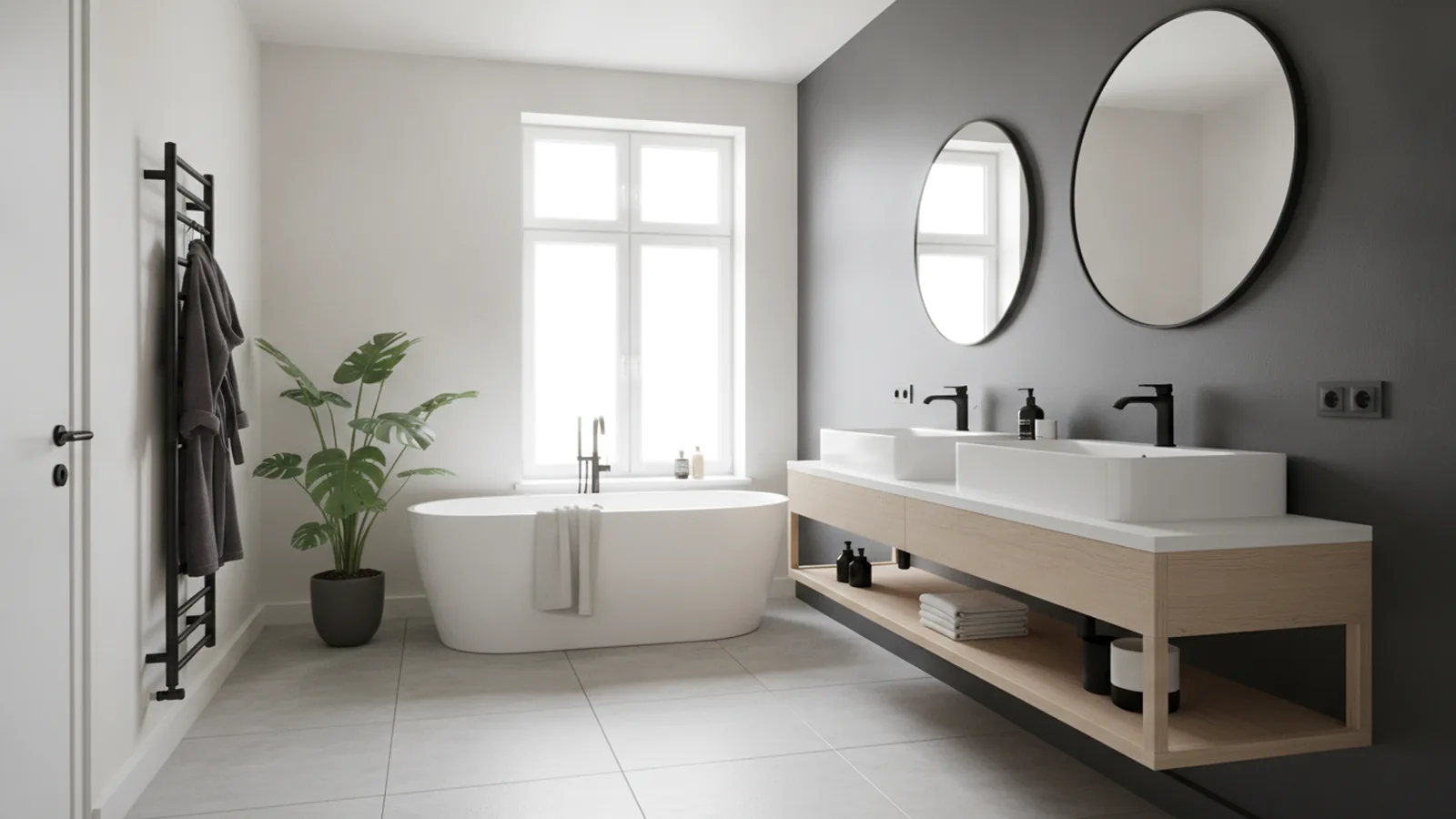
If you’re asking how much paint do i need for a small bathroom, a good starting point is to total your painted wall square footage, divide by typical paint coverage, then plan for two coats of paint. Most interior paints cover about 350 to 400 square feet per gallon under ideal conditions. Your real number changes based on wall texture, paint type, and how many coats you truly need.
Below is a practical way to estimate paint using simple room dimensions. You’ll measure wall area, subtract the area of openings like windows and doors, and convert the result into gallons. Use it for a bathroom, a small bedroom, or any small room with a similar paint job.
Understanding paint coverage
Paint coverage tells you how much area one gallon can cover when applied at the recommended thickness. A common rule of thumb is 350 to 400 square feet per gallon. Many labels also give coverage range by spreading a measured amount over a test surface.
Coverage is not a guarantee. Thick coats, roller naps, textured drywall, and patching can reduce how far a gallon goes. If your walls are darker, stained, or you’re doing big color changes, you may need more than the minimum.
Because bathrooms often need better durability, most people plan for full coverage and a repeat coat. That’s why you’ll calculate total gallons for two coats of paint, not one.
- 350 sq ft/gallon: conservative estimate
- 400 sq ft/gallon: optimistic estimate
- Two coats: multiply your gallons for one coat by 2
Measuring your bathroom size
To estimate paint for a bathroom, measure the room dimensions and then calculate wall surface area. Start with the room’s length and width. Then measure the wall height from floor to ceiling height you’ll paint.
Next, measure each wall you plan to paint. For a typical bathroom, that means all four walls, but be honest about what’s actually being covered. If you only paint the top half of walls, your math should match that painted height.
Now collect measurements for openings. Measure the width and height of windows and doors. If you have a vanity wall with cabinetry or a tiled section you won’t paint, measure that area too so you can skip it.
- Measure length and width (feet)
- Measure wall height (feet)
- Decide what areas are painted (all walls, or partial height)
- Measure window and door openings (width × height)
If you want a fast paint calculator-style shortcut, you can use one formula for all walls at once. For a rectangle, total wall area is: 2 × (length + width) × height. Then you subtract openings for a closer estimate.
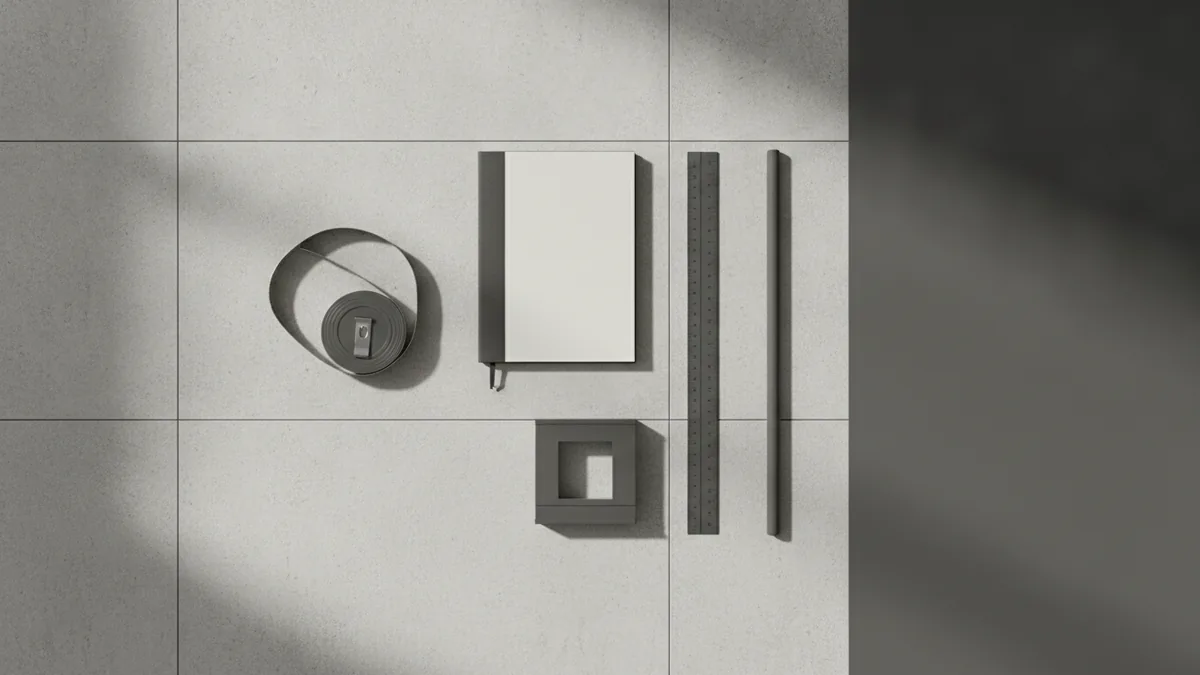
Calculating the paint needed
Here’s the core math for how much paint do i need for a small room. Use this sequence: wall area → subtract openings → divide by coverage → multiply for two coats. Keep units consistent in square feet and gallons.
Step 1: Total wall area For a rectangle room, calculate 2 × (length + width) × height. That gives painted wall square footage before subtracting doors and windows.
Step 2: Subtract openings Calculate each opening area as width × height. Subtract window and door areas from the total wall area. This is subtracting area of openings, and it’s where most estimates become accurate.
Step 3: Convert square footage to gallons Divide remaining square footage by paint coverage. Then multiply by 2 for two coats of paint. If you want a safety buffer for roller and touch-ups, round up to the nearest gallon.
| Example inputs | Numbers |
|---|---|
| Room size | 6 ft × 8 ft |
| Wall height | 8 ft |
| Doors | 1 door: 2 ft × 7 ft = 14 sq ft |
| Window | 1 window: 2 ft × 3 ft = 6 sq ft |
| Total wall area | 2 × (6 + 8) × 8 = 224 sq ft |
| Paintable area | 224 − (14 + 6) = 204 sq ft |
| One-coat gallons | 204 ÷ 400 = 0.51 gal (optimistic) |
| Two-coat gallons | 0.51 × 2 = 1.02 gal |
In this example, you’d buy about 1 gallon, with a conservative buy if you expect heavier coverage loss. If you use 350 sq ft/gallon instead, one-coat gallons are 204 ÷ 350 = 0.58, and two-coat is 1.16. Rounding up still points to 1 gallon, but it’s closer to the safe side.
This approach also answers how much paint do i need for a small bedroom. Small bedrooms often share the same process: measure walls, subtract doors and windows, then multiply for two coats unless you’re using a specific system that says otherwise.
Factors affecting paint quantity
Two bathrooms with the same dimensions can use different amounts of paint. Your surface prep, wall texture, and how many color layers you’re covering matter more than most people expect.
Here are the biggest drivers. First, wall texture and patching change how much paint is absorbed. Second, paint type and sheen can affect how evenly coverage lays down, especially on roller marks or uneven drywall.
Third, existing color matters. Going from a light wall to a darker wall often requires extra coats to hide the old color. If you’re repainting over bright or stained patches, treat your estimate as a baseline.
- Wall texture: popcorn-like texture can reduce coverage
- Color change: darker walls may need additional coats
- Surface condition: patched areas can soak more paint
- Application method: rollers vs brushes can shift actual coverage
How paint finishes change appearance and coverage
Paint finishes affect how a bathroom looks and how forgiving it is to cleaning. Matte and flat finishes hide wall imperfections better, but they often scuff more easily. Satin and eggshell finishes are common in bathrooms because they balance scrub resistance with a smoother look.
Finish choice can also change coverage reality. Smoother finishes may apply more evenly with fewer heavy passes. Matte finishes can require more careful leveling to avoid streaking, especially in corners.
When you plan your estimate, don’t try to “eyeball” the finish. Instead, follow the coverage range on your paint can and still use the two-coat approach for durability.
Tips for selecting the right paint
Choosing paint isn’t just about color. In a bathroom, humidity and frequent cleaning can shorten the life of the wrong product. Look for paint made for high-moisture rooms or “bathroom” performance, and use a primer when walls need it.
Also consider your current surface. If you’re painting bare drywall, you’ll likely need primer for even absorption. If walls are stained or you’re dealing with uneven patches, primer helps you avoid extra top coats.
Finally, plan your purchase around real workdays. It’s usually better to buy an extra quarter or a whole gallon than to pause mid-job. If you’re close to the threshold, rounding up protects your schedule.
- Use bathroom-rated paint for better moisture tolerance
- Prime stained or uneven areas before top coats
- Stick to the label’s coverage range
- Round up when you’re between gallon sizes
If you’re also deciding on other wall treatments, it helps to remember that different products use different math. For example, how much wallpaper do i need for a small bathroom uses a roll-based yardage approach, not gallons and coverage. Paint and wallpaper estimates are separate jobs.
A quick sanity check before you buy
After you calculate your two-coat gallons, do a final review of assumptions. Confirm you measured all paintable walls, and confirm you subtracted windows and doors. If your bathroom has lots of cabinets, built-ins, or tile you won’t paint, subtract those too.
Then, check the paint can for the actual coverage range. Use the lower end if you expect heavy texture or if you’re covering a darker color. Your goal is to end with enough paint to finish cleanly, without thinning shortcuts.
By doing this once with accurate square footage and proper subtracting, you can answer how much paint do i need for a small bathroom with confidence. The same logic works for how much paint do i need for a small room and how much paint do i need for a small bedroom.
Frequently asked questions
- How much paint do I need for a small bathroom with two coats?
- Calculate paintable wall square footage, divide by 350–400 sq ft per gallon, then multiply by 2 for two coats. Round up to avoid running short mid-job.
- What coverage should I use for a paint calculator?
- A common starting point is 350–400 square feet per gallon for interior paint. If your walls are rough or you expect heavy rolling, lean toward the lower number.
- Do I subtract windows and doors when figuring paint quantity?
- Yes. Subtract each opening’s area (width × height) from total wall area for a more accurate gallon estimate.
- How do paint finishes affect how much paint I need?
- Different finishes can change how evenly paint levels. Still, follow the can’s coverage range and use two coats for most bathroom walls.
- How much paint do I need for a small room like a small bedroom?
- Use the same method: wall area minus doors and windows, divided by coverage, multiplied for two coats. The final gallons depend on your room dimensions and openings.
Related reading
Painting a 12x12 Room — Paint, Cost, and Time
Plan for two gallons, $30–$100 in paint, and 4–8 hours of work.
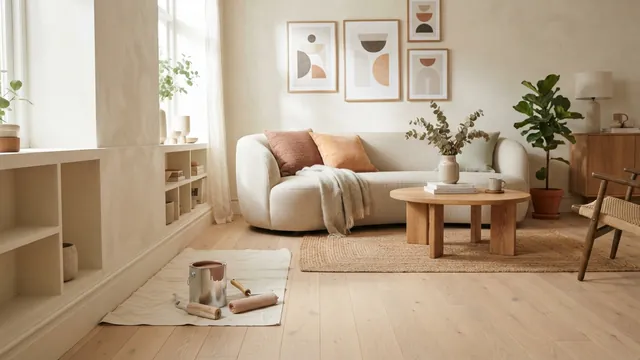
Room Paint Math — Coverage, Coats and Room Size
Measure your walls, subtract openings, and add enough paint for every coat.
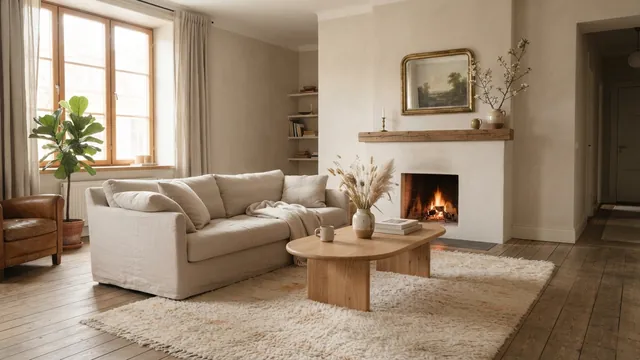
Couch Placement—Flow, Focus and Comfort
Place your couch to frame a focal point, keep paths clear, and make the room feel balanced.