Room Paint Math — Coverage, Coats and Room Size
Measure your walls, subtract openings, and add enough paint for every coat.
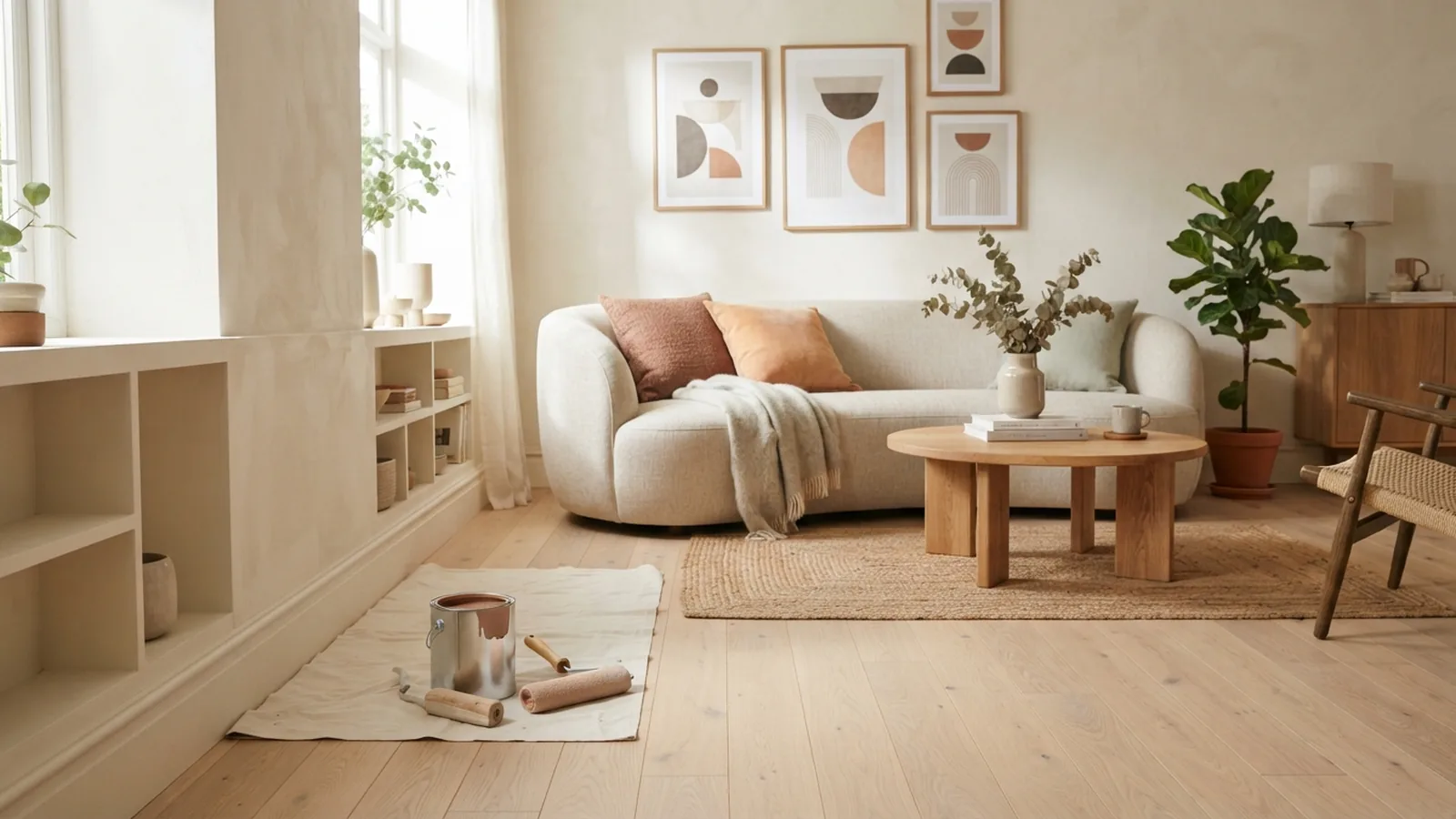
How much paint does a room need?
Most rooms need one to three gallons of paint for two wall coats. A gallon usually covers 350 to 400 square feet, but the right amount depends on wall size, paint type, and surface condition. Measure the walls, subtract large doors and windows, then divide by the coverage listed on the paint can.
For a quick example, four walls with 400 square feet of paintable area need about two gallons for one coat. Plan on four gallons for two coats. Buy a little extra if the walls are rough, the new color is much lighter, or you want paint for future touch-ups.
That gives you a sound starting point. The steps below help you refine it.
How paint coverage works
Paint coverage tells you how much area one unit can cover. Many interior paints list coverage near 350 to 400 square feet per gallon. The label is the best source for the exact figure, since products and surfaces vary.
Coverage is not the same as a promise of a perfect finish. Porous plaster, textured walls, and unpainted drywall can soak up more paint. A smooth, sealed wall often takes less. Check the label for its stated coverage and treat it as an estimate.
Most walls look more even and hold up better with two coats. One coat may work when you refresh a similar color on smooth walls. A big color change or a patchy first coat can call for another. Include each coat in your calculation.
- One gallon covers about 350 to 400 square feet for one coat.
- Two coats roughly double the paint needed.
- Rough or absorbent walls may need more than the label estimate.
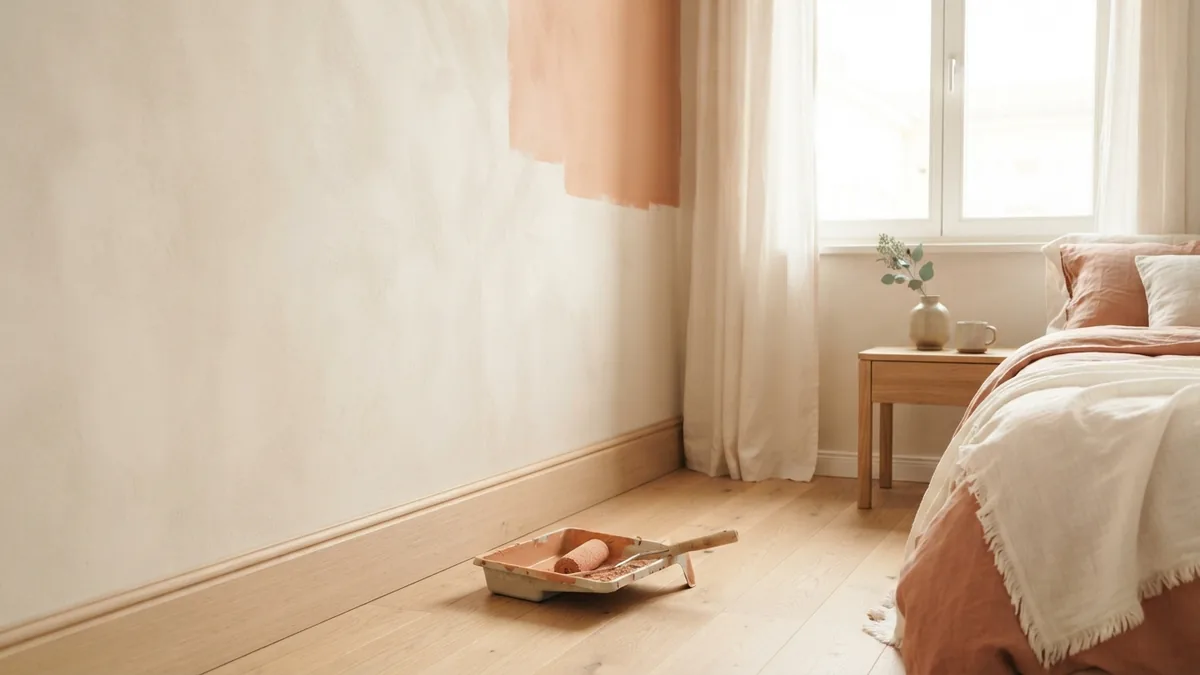
What changes the amount of paint?
Room shape is only one part of the estimate. Doors and windows take up wall space, while alcoves and built-in shelves can add surfaces. Include any wall you plan to paint, but leave out large openings that will not be painted.
Paint finish can also affect coverage. Matte paint may hide small flaws, while gloss or satin finishes can show marks and uneven patches. Coverage varies by product, so compare the can labels rather than assuming all finishes cover the same area.
Application method matters, too. A roller can lay down paint differently from a brush or spray tool. Thick nap rollers may use more paint on textured walls. Use the maker’s coverage figure as your base, then allow a small buffer for a tricky surface or method.
Primer may be needed on bare drywall, stains, or a strong color change. Primer is a separate product, so estimate it apart from your wall paint. Follow its label for coverage and drying time.
- Count every coat you plan to apply.
- Allow for texture, bare areas, and repairs.
- Check whether primer is needed before the top coat.
Measure the walls and work out the area
You can measure in feet or meters. Keep all measurements in one system, then use a matching coverage figure. For feet, multiply each wall’s width by its height. Add the wall areas to get the total.
For a rectangular room, measure the room’s length and width. Add them, then multiply by two for the wall perimeter. Multiply that result by wall height. This gives the gross wall area before subtracting doors and windows.
Measure each opening’s width and height, then multiply those figures. Add the opening areas and subtract that sum from the wall total. Small openings may not change the purchase much, but large windows and sliding doors can make a clear difference.
Next, multiply the net wall area by the number of coats. Divide by the coverage per gallon or litre shown on the can. Round up to a size you can buy. For ceilings, trim, or doors, work out their area separately and use paint made for those surfaces.
- Measure wall width and height.
- Find the gross wall area.
- Subtract windows and doors you will not paint.
- Multiply by coats, then divide by paint coverage.
Example: A room has 400 square feet of net wall area. Two coats mean 800 square feet of coverage. At 375 square feet per gallon, you need about 2.14 gallons. Buy three gallons, unless the store sells a size that better fits your estimate.
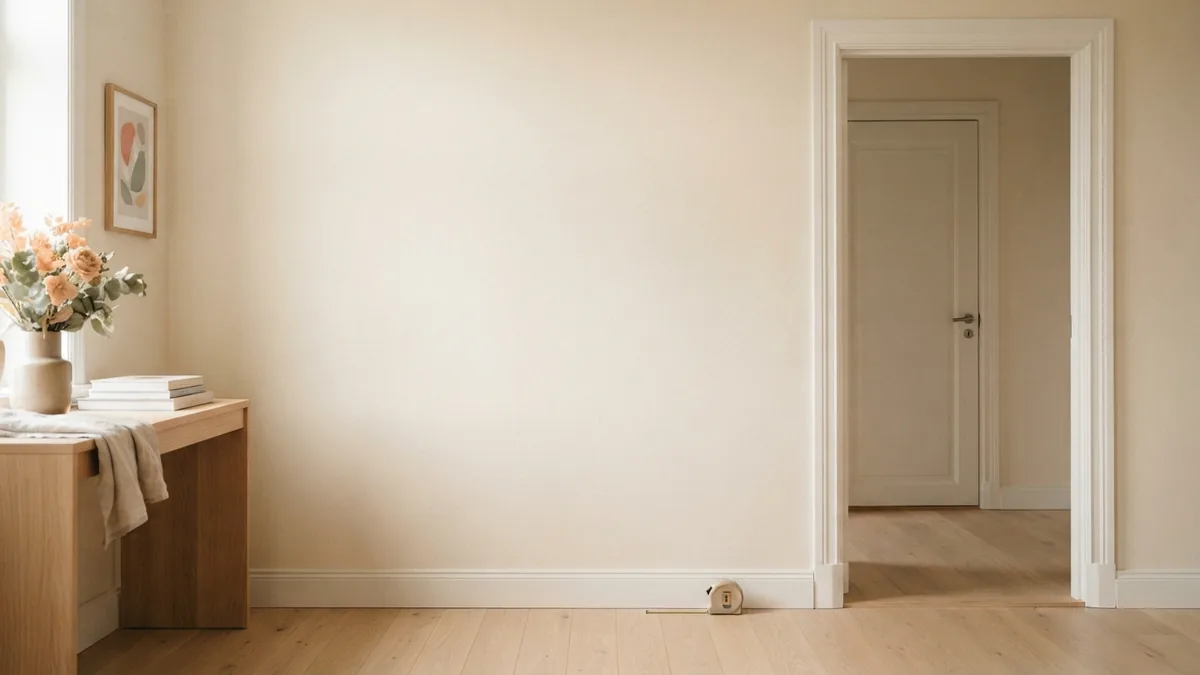
Use a room paint calculator
A room paint calculator can speed up the sums. Enter the room’s length, width, and wall height. Add doors and windows if the tool has those fields. Then select the number of coats and the coverage rate from your paint label.
Check the calculator’s units before you enter measurements. A tool set to meters may give the wrong result if you enter feet. Some calculators also estimate ceilings or trim, so leave those options off if you are only painting the walls.
Use the result as a buying estimate, not an exact promise. Many tools use a standard coverage rate and may not know your wall texture or paint color. Compare their result with your own area calculation when the room has unusual features.
For litres, use the coverage printed on the can in square meters per litre, if available. If the label gives only square feet per gallon, convert units before dividing. One gallon is about 3.8 litres, and one square meter is about 10.8 square feet.
- Enter measurements in the unit the calculator requests.
- Set coats to match your plan, often two.
- Use the paint label’s coverage rate when possible.
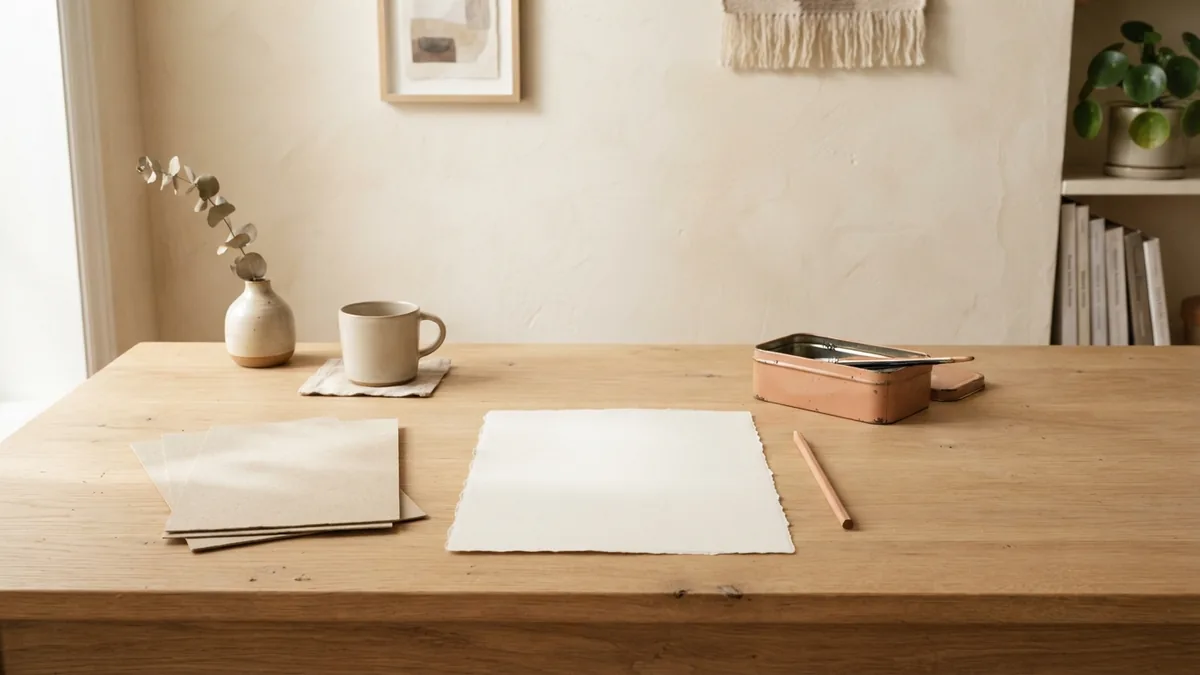
Estimate paint for bedrooms, living rooms, and kitchens
Bedroom size varies, so there is no fixed number of litres for every room. As a sample, a 12-by-12-foot bedroom with eight-foot walls has about 384 square feet of gross wall area. After subtracting a door and window, the paintable area may be near 340 square feet.
At 375 square feet per gallon, that bedroom needs just under one gallon for one coat. Two coats call for about 1.8 gallons, so two gallons is a sensible buy. The actual amount can shift with the opening sizes and wall condition.
A living room often has more wall area, large windows, or open doorways. Measure each wall rather than relying on the room name. In an open-plan space, include only the wall surfaces you intend to paint. A tall ceiling also raises the wall area, even if you are not painting the ceiling.
Kitchens can have less paintable wall area because of cabinets and tile. Subtract those surfaces if you will not paint them. Cabinet paint is a separate job: count cabinet doors and drawer fronts, and use the product’s coverage guidance. Do not apply a wall-paint estimate to kitchen cabinets.
For a last check, compare your estimate with the package sizes sold nearby. If the math falls between sizes, buying a little extra can help with touch-ups. Keep the spare paint sealed and note the room and color for later.
- Bedroom: a typical small room may take about two gallons for two wall coats.
- Living room: measure tall or open walls separately.
- Kitchen: subtract cabinets and tile, and estimate cabinet paint separately.
Frequently asked questions
- How much paint do I need for one room?
- Many rooms need one to three gallons for two wall coats. Measure the paintable wall area and divide by the can’s coverage rate.
- How many litres of paint do I need for a room?
- The amount depends on wall area, coats, and the paint’s coverage per litre. Use the square-meter rate on the can, or convert the area and coverage to matching units.
- How much paint does a bedroom need?
- A small bedroom may need about two gallons for two wall coats. Room height, windows, doors, and wall texture can change that estimate.
- How do I calculate paint for a living room?
- Multiply each wall’s width by its height, subtract openings, and multiply by the number of coats. Divide the result by the coverage rate on the paint can.
- Should I subtract doors and windows when estimating paint?
- Yes. Measure each opening and subtract its area if you will not paint it. Large windows and doors can reduce the amount you need.
- Does paint finish change how much paint I need?
- Coverage can vary by product and finish. Check the label for the coverage rate, and allow extra for rough or absorbent walls.
Related reading
Living Room Paint — Measurements and Buying Tips
Measure your walls, count coats, and buy the right amount of living room paint.
How Much Paint Do I Need for a 12x12 Room?
Find the right paint amount for a 12x12 room with simple wall area math.
Room Painting Costs — What Shapes Your Quote
Room painting often costs $200–$1,000. See what drives the price and how to compare quotes.