Best Paint for Bathroom: Moisture-Resistant Options, Finishes & Tips
Pick the right bathroom paint: moisture-resistant types, finishes, prep, and upkeep.
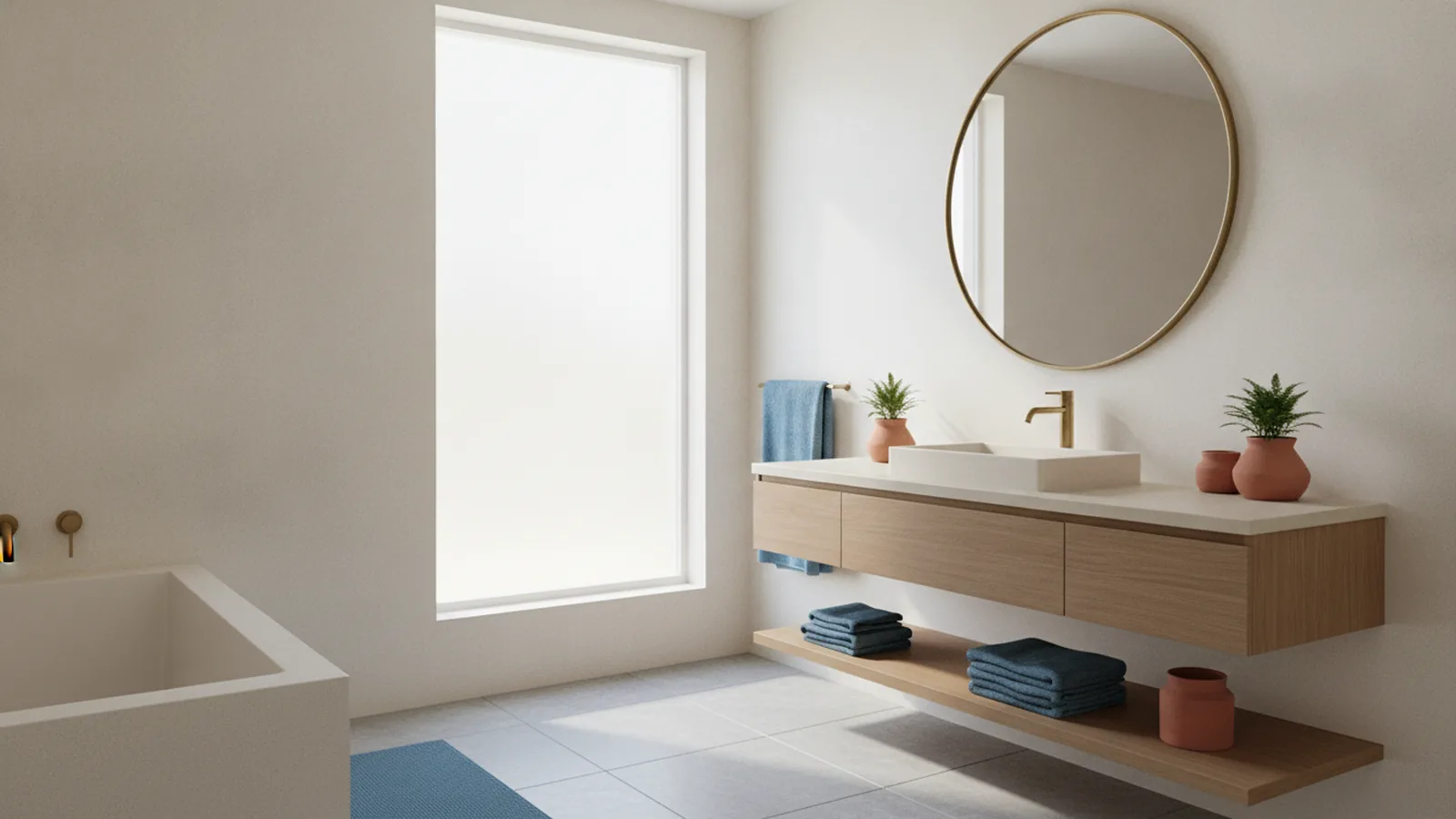
Understanding Bathroom Paint Needs
If you search for what type of paint for bathroom, you are really asking for protection. Bathrooms stay humid and get regular splashes. That mix can weaken paint and help mildew take hold.
The best paint for bathroom surfaces is moisture-resistant bathroom paint designed for wet rooms. Look for labels that mention bathroom use and mildew resistance. This matters most near showers and tubs. It also matters on walls that never fully dry.
Think of moisture as two problems. First, water can damage the paint film. Second, mildew can grow when surfaces stay damp. A bathroom-rated coating helps with both issues.
- Choose water-resistant paint for steam and splash zones
- Pick mildew-resistant paint for areas that stay humid
- Match paint to the room, not only to “interior” use
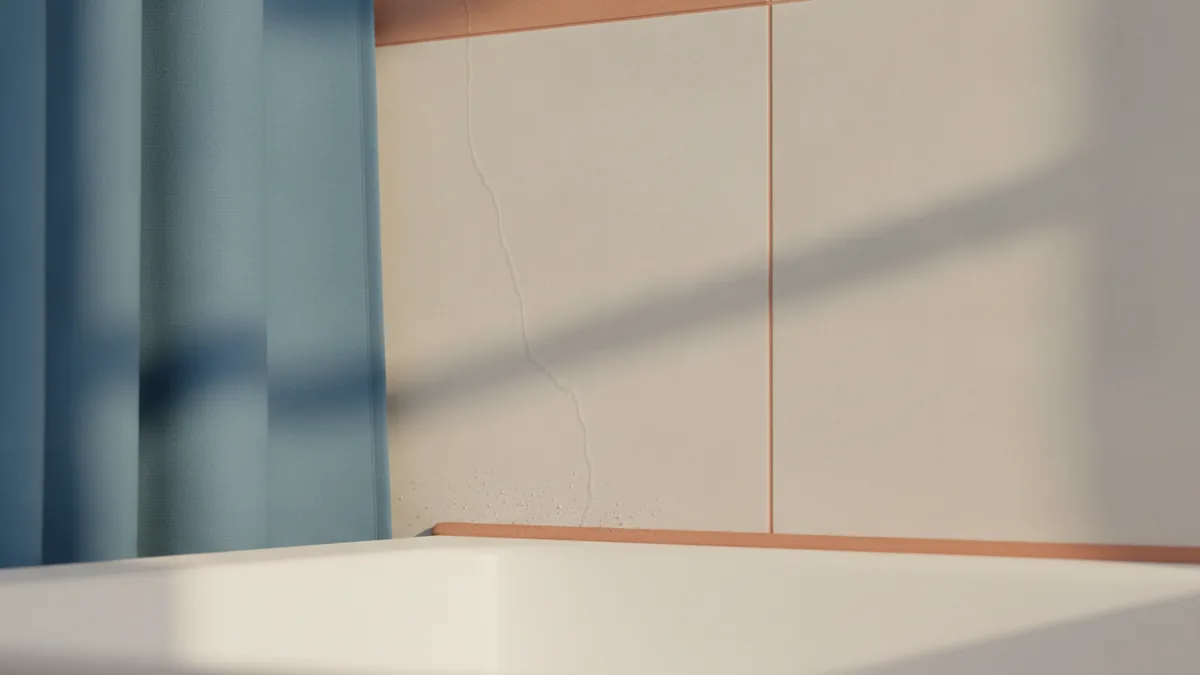
Importance of Paint Finish (Walls and Ceilings)
Bathroom paint finish options affect both appearance and wear. Sheen also changes how easy it is to clean. Flat paint can hide wall flaws at first. It can also scuff and show marks sooner.
In most bathrooms, satin and semi-gloss are the practical picks. They wipe well without looking shiny everywhere. They also handle daily cleaning better than matte paint. That helps with soap residue and toothpaste mist.
For ceilings, use a ceiling-rated coating. Many people ask paint bathroom ceiling with what type of paint and want a fast answer. Choose a finish suited to humidity and frequent cleaning. If your ceiling gets heavy steam, treat it like a wall surface.
| Surface | Finish pick | Why it helps |
|---|---|---|
| Bathroom walls | Satin or eggshell | Good balance of look and washability |
| Near shower or tub | Semi-gloss | Holds up to frequent wipe-down |
| Bathroom ceiling | Ceiling-rated satin or eggshell | Better moisture handling |
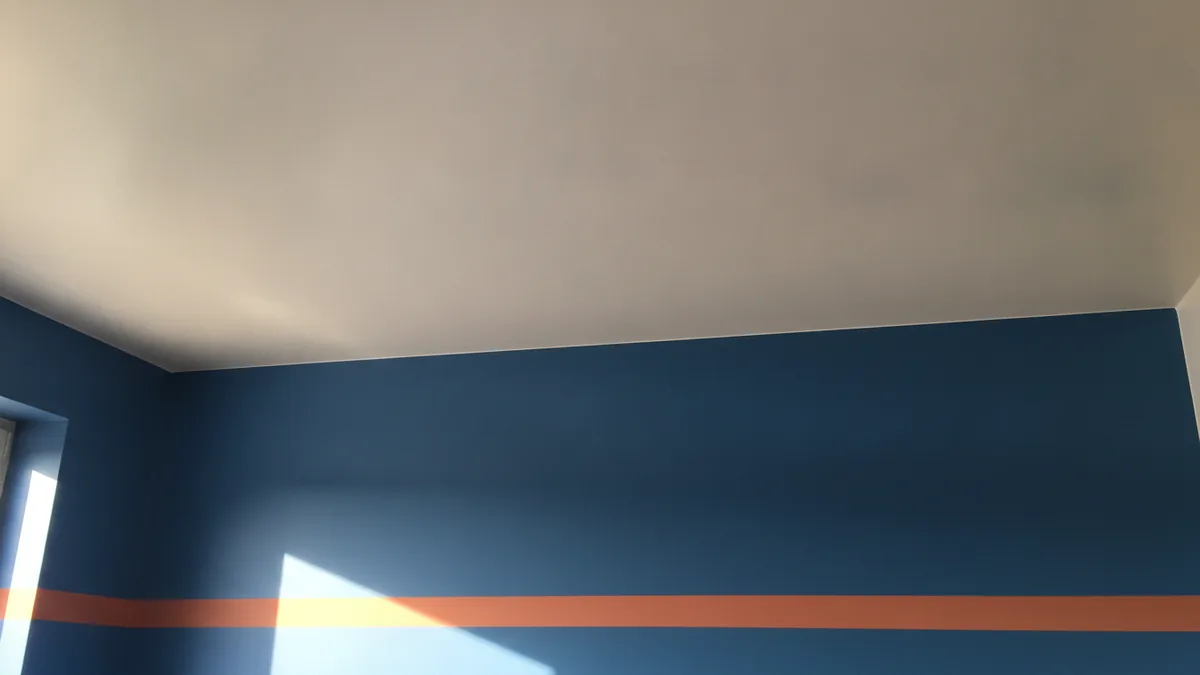
Recommended Paint Types and Finishes
When you ask what type of paint do you use in a bathroom, you usually mean a coating that will last. Start with a water-based acrylic latex product made for bathrooms. This type of paint finishes system often dries well and cleans up easily.
Next, focus on the label features. Find mildew-resistant paint or a similar claim on the can. This is one of the most dependable ways to reduce early growth. If the bathroom has had mildew before, avoid general-purpose “interior” paint.
Primer matters in damp rooms. A proper primer helps paint stick and stay even. It is especially important on patched drywall, stained areas, or surfaces with old chalky paint. It also improves the final look by evening out absorption.
- Moisture-rated latex: strong baseline for walls and trim
- Mildew-resistant paint: best for high humidity areas
- Bonding primer: use for patches or chalky older paint
- Stain-blocking primer: use when stains may bleed through
Bathrooms are not the only place where moisture and cleaning drive paint choice. If you are also planning kitchen updates, you may be comparing options like what type of paint for kitchen cabinets and what type of paint for kitchen. Kitchens have grease and frequent wipe-downs. That means durability and adhesion matter just as much there.
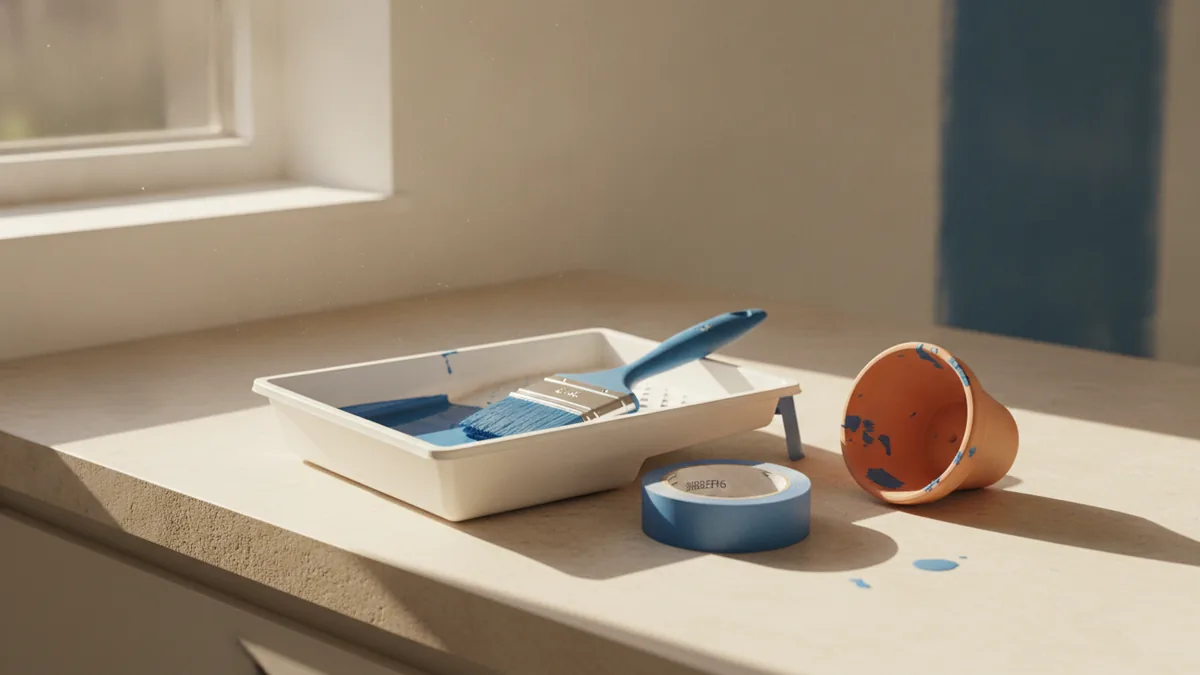
How to Choose Paint Colors for a Bathroom
Bathroom color ideas should balance mood and maintenance. Color affects how bright the room feels after cleaning. Lighter tones often reflect more light. They can also hide small scuffs better.
Calming shades like soft blue and muted green are common choices. They pair well with white trim and clean grout tones. They also look natural under warm bulbs. Darker colors can look bold too, but they may show drying-water spots sooner.
Lighting changes paint undertones. To avoid surprises, test samples on two wall spots. One spot should face the main light source. Another spot should sit deeper in shadow. Recheck the result in the morning and at night.
- Pick two to three candidate shades
- Apply sample coats near the mirror line
- Let samples dry fully before judging depth
- Choose a finish based on how often you will wipe
Preparation for Painting a Bathroom
Good paint starts with the wall surface. Bathrooms collect residue from steam and everyday use. That residue can block adhesion and lead to peeling. Before you start, wash the walls with a degreasing cleaner made for paint prep.
After cleaning, let surfaces dry fully. Then inspect for cracks, bubbles, and flaking. Scrape loose paint and sand rough edges until smooth. If you find mildew, remove it with the right cleaner and let the area dry.
Now handle patching and primer. Use a bathroom-safe patch compound for dents and holes. Sand smooth and wipe dust away. Apply primer where needed, especially on stains, patches, and any porous areas.
- Clean with a degreaser to remove soap and oils
- Scrape and sand any peeling or rough spots
- Prime patches, stains, and uneven surfaces
- Let everything dry before you paint
Tips for Painting Techniques
Technique is where many bathroom projects go wrong. Cut in edges neatly first. Use a quality brush for corners and around fixtures. Then roll the larger areas using steady pressure.
Work in thin coats and keep a wet edge. Thick coats can trap moisture as they dry. That increases the chance of tackiness or uneven sheen. If the surface looks streaky, wait for full dry time and add another coat.
Ventilation helps paint cure evenly. Run the fan during and after painting. Keep windows open if you can. This can reduce humidity spikes while the paint sets.
- Cut in with a brush for corners and edges
- Roll walls using smooth, even passes
- Use thin coats and maintain a wet edge
- Let each coat dry fully before the next
Maintenance of Bathroom Paint
Maintenance keeps your finish looking new. Use gentle cleaners and avoid harsh scrubbing. Semi-gloss and satin resist cleaning better than flat paint. Still, use a soft sponge and light pressure.
Watch for early warning signs. If you see bubbling, peeling, or a growing stain, address the moisture source first. Fix leaks and improve ventilation where needed. Then spot prime and repaint the affected area.
Humidity control matters long after the last coat dries. Keep the bathroom fan running after showers. Wipe down condensation on glass and tile when possible. These habits slow down moisture stress on paint.
- Clean gently to protect the paint film
- Fix leaks before repainting
- Run ventilation after hot showers
- Wipe condensation to reduce damp spots
Quick Room Comparisons (Bedroom, Living Room, Kitchen)
You might be comparing bathroom needs to other rooms. For a what type of paint for a bedroom or what type of paint for bedroom walls, you often have more freedom. Bedrooms usually need comfort and low odor more than strict moisture resistance. Most people choose interior latex finishes that match their desired look.
Living areas also differ from bathrooms. For what type of paint for living room walls, many homeowners pick washable interior paint finishes. They focus on appearance and durability for day-to-day cleaning. Bathrooms are the one room that most strongly demands mildew and water resistance.
Kitchens sit in between. If you are figuring what type of paint to use in kitchen or what type of paint for kitchen walls, look for products that handle grease and frequent wiping. For what type of paint for kitchen cabinets, choose a finish built for abrasion. Cabinet paint often needs more prep than wall paint.
FAQ: Bathroom Paint, Finishes, and Coverage
Can eggshell paint be used in bathroom?
Yes, eggshell can work on bathroom walls. It is a moderate sheen option. Just make sure it is labeled for bathroom use and mildew resistance.
What type of paint should i use in my bathroom?
Choose a water-based acrylic latex paint made for bathrooms. Pair it with a matching primer if you have patches or stains. Look for mildew-resistant claims on the label.
What type of paint should you use in a bathroom?
Satin or semi-gloss are usually the easiest to clean. Use ceiling-rated paint on the ceiling. Keep finishes consistent where you want a uniform look.
What type of paint to use in bathroom?
Use moisture-resistant bathroom paint for walls and trim. Add mildew-resistant paint for high humidity zones. Prepare the surface well so the coating can grip.
What type of paint to use on bathroom cabinets or vanity?
Use a finish designed for frequent cleaning and abrasion. Cabinets and vanities often need thorough sanding and bonding primer. If they are glossy now, scuff-sand for better adhesion.
What finish is best for bathroom walls?
Satin or eggshell are common for walls. Semi-gloss can be better near the shower where you wipe more often.
Note: If you are repainting after recurring mildew, fix the humidity cause first. Paint cannot solve a long-running moisture problem by itself.
Step-by-step
- 01 Assess moisture exposure
Identify where steam and splashes hit most often. Plan for mildew resistance on those surfaces.
- 02 Clean and decontaminate the walls
Wash the walls to remove oils and soap residue. Let the surface dry fully before sanding.
- 03 Fix flaws and sand smooth
Scrape peeling paint and sand rough spots. Patch dents and sand again until the wall feels even.
- 04 Prime properly
Apply primer to patches, stains, and uneven absorption. Use bonding primer for chalky areas and stain-blocking primer for bleed-through.
- 05 Apply thin coats with good technique
Cut in edges first, then roll walls in even passes. Keep a wet edge and use thin coats for smoother drying.
- 06 Cure with ventilation
Run the fan during and after painting. Maintain airflow so humidity stays controlled while paint cures.
- 07 Maintain with gentle cleaning
Clean with mild products and soft tools. Fix leaks early if you see stains or bubbling.
Frequently asked questions
- What type of paint for bathroom is best?
- Use moisture-resistant bathroom paint made for wet rooms. Choose products that mention mildew resistance on the label.
- What bathroom paint finish options work best?
- Satin and semi-gloss usually clean best without looking too shiny. For ceilings, use a ceiling-rated coating suited to humidity.
- Can eggshell paint be used in bathroom?
- Yes, eggshell can work for bathroom walls if it is labeled for bathroom use. Still choose mildew-resistant formulas when humidity runs high.
- How to paint a bathroom without peeling?
- Clean the walls, scrape and sand loose spots, then prime patches and stains. Paint in thin coats and let each coat dry fully.
- What type of paint do you use in a bathroom ceiling?
- Use a ceiling-rated coating in satin or eggshell. Match it to your humidity level and how often the ceiling gets steam.
- What type of paint should i use in my bathroom for the most durability?
- Pick satin or semi-gloss for walls where you wipe often. Use a bonding or stain-blocking primer when the surface needs it.
Related reading
Long Walls — Ideas That Add Balance and Character
Make a long wall feel balanced with color, art, shelves, and warm light.
Modern Kitchen Design: Form and Function
Plan a modern kitchen that balances clean style with everyday ease.
Curtains for a Blue Room — Color, Texture and Scale
Pair blue walls with curtains that suit your light, style, and room size.