Is Matte Paint a Good Choice for Your Bathroom?
Learn when matte paint works in bathrooms and when satin is the safer choice.
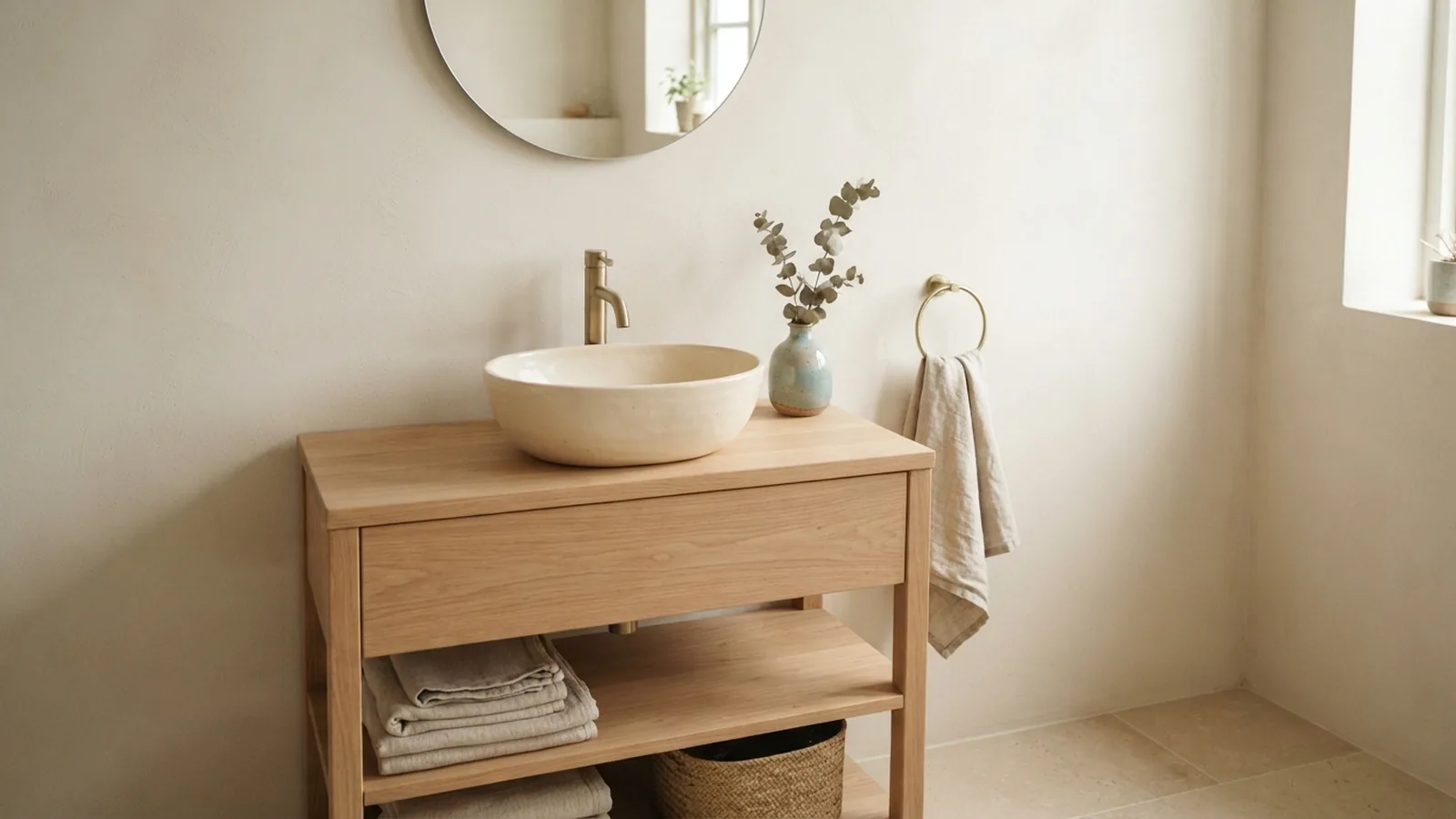
Understanding Matte Paint for Bathroom Walls
Yes, you can use matte paint in a bathroom. Choose a product made for high-moisture rooms. Standard matte paint is not a safe pick for damp walls.
Matte paint has a flat look with little shine. It hides small bumps, dents, and patch marks well. Its soft finish also suits calm, warm bathroom designs. The trade-off is weaker moisture resistance and lower cleanability.
Bathrooms face more water vapor than most rooms. A hot shower can raise humidity for hours. Poor airflow lets that damp air settle on walls. Over time, this stress can cause weak paint to peel, stain, or grow mildew.
Read the product label before you buy. Look for terms such as bathroom, kitchen, moisture resistant, or mildew resistant. Paint made for these rooms often has lower VOC levels. VOCs are fumes released by some wet paints as they dry.
Why Matte Paint Can Work in a Bathroom
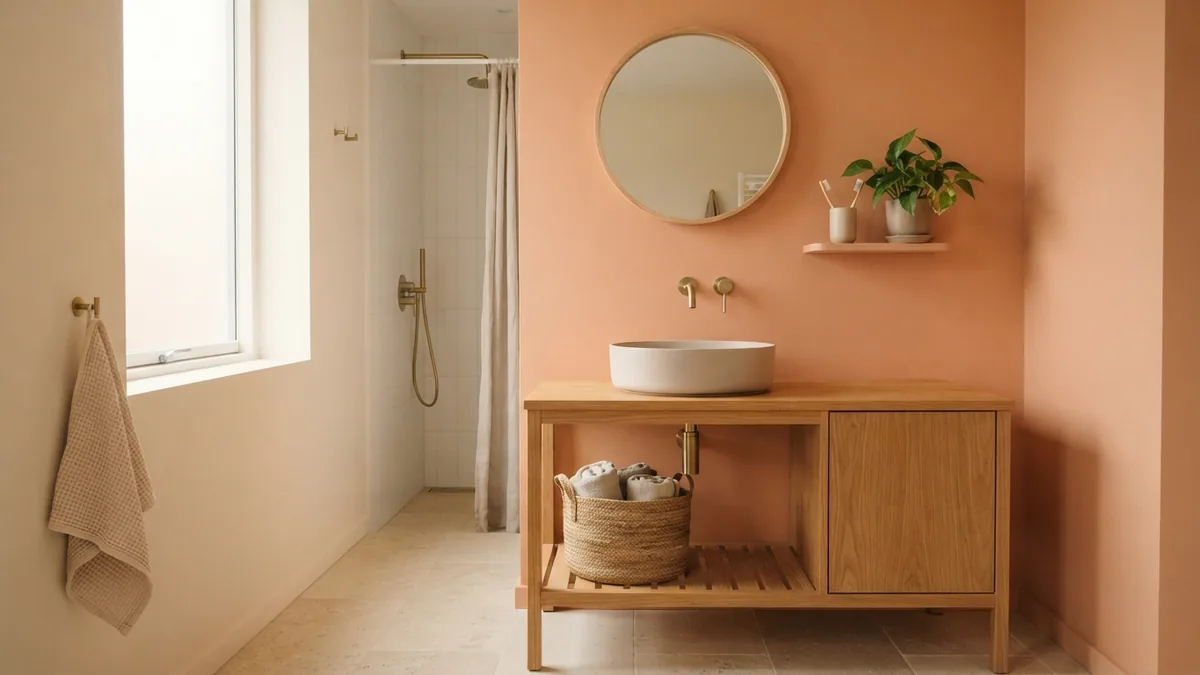
Matte paint can give a bathroom a smooth, rich look. It absorbs light instead of reflecting it. This effect makes soft colors feel calm and deep. It also avoids the sharp glare found on glossy walls.
The finish is useful when a wall has small flaws. Flat paint does not highlight shallow dents or uneven filler. This benefit matters in older homes with plaster walls. It can also help a small bathroom feel less stark.
Special bathroom matte paints add features that standard wall paint may lack. Many include mildew resistance and better moisture control. Some also use a lower-VOC formula. These features can improve comfort during and after painting.
- It hides light wall flaws better than shiny finishes
- It creates a soft, low-glare look
- Bathroom formulas may resist mildew growth
- Lower-VOC options can reduce paint fumes
Still, the product alone cannot solve every moisture problem. A strong fan, dry walls, and sound caulk matter just as much. Matte paint works best as part of a dry-room plan.
Where Matte Paint Falls Short
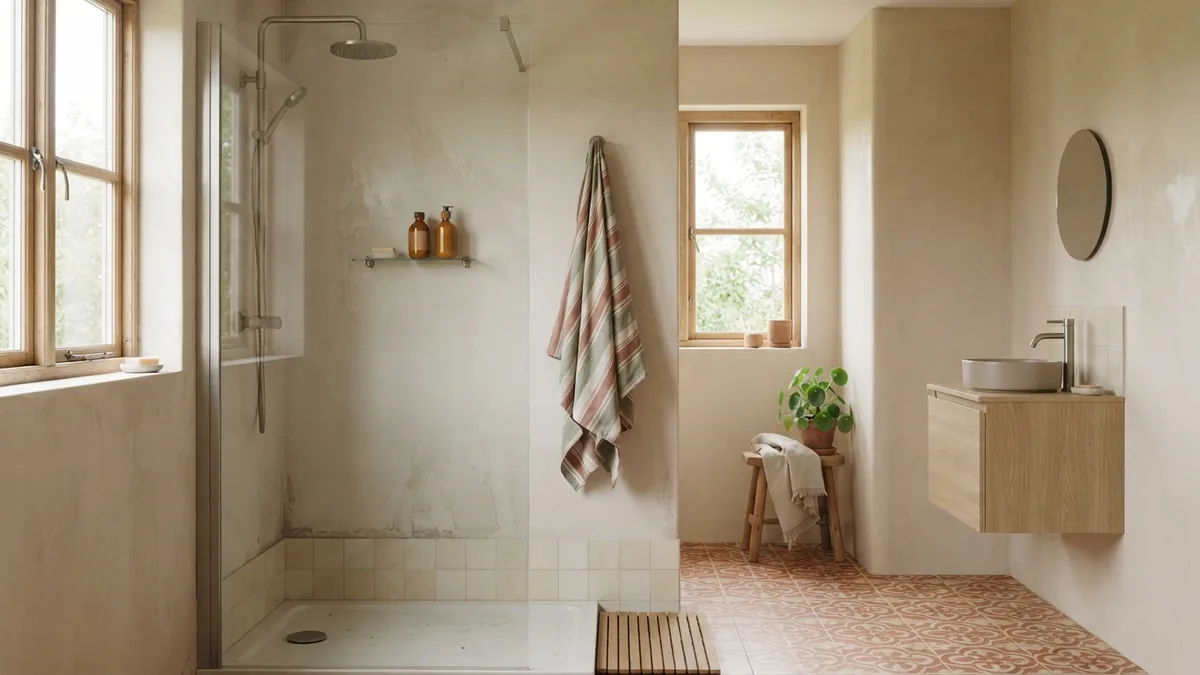
Standard matte paint has a porous surface. Water spots and soap marks can settle into that surface. Scrubbing may burnish the finish or leave a shiny patch. A wall can look worse after repeated cleaning.
High humidity creates another risk. Moist air can weaken the bond between paint and wall. This may lead to bubbling, peeling, or flaking near a shower. The risk grows when water hits the wall often.
Mildew can also appear on damp paint. It feeds on moisture, dust, and poor airflow. Paint with a mildew-resistant additive can slow growth. It cannot fix a leak or remove dampness from the room.
Matte paint also needs care around splash zones. Do not use it on a wall that receives direct spray. Keep it away from the inside of a shower enclosure. Tile, panels, or a water-safe coating suit those areas better.
These limits answer the common question, “Can you use matte paint in a bathroom?” You can, but room layout and paint type decide the result. A dry powder room offers less risk than a busy family bathroom.
Best Practices for Using Matte Paint in a Bathroom
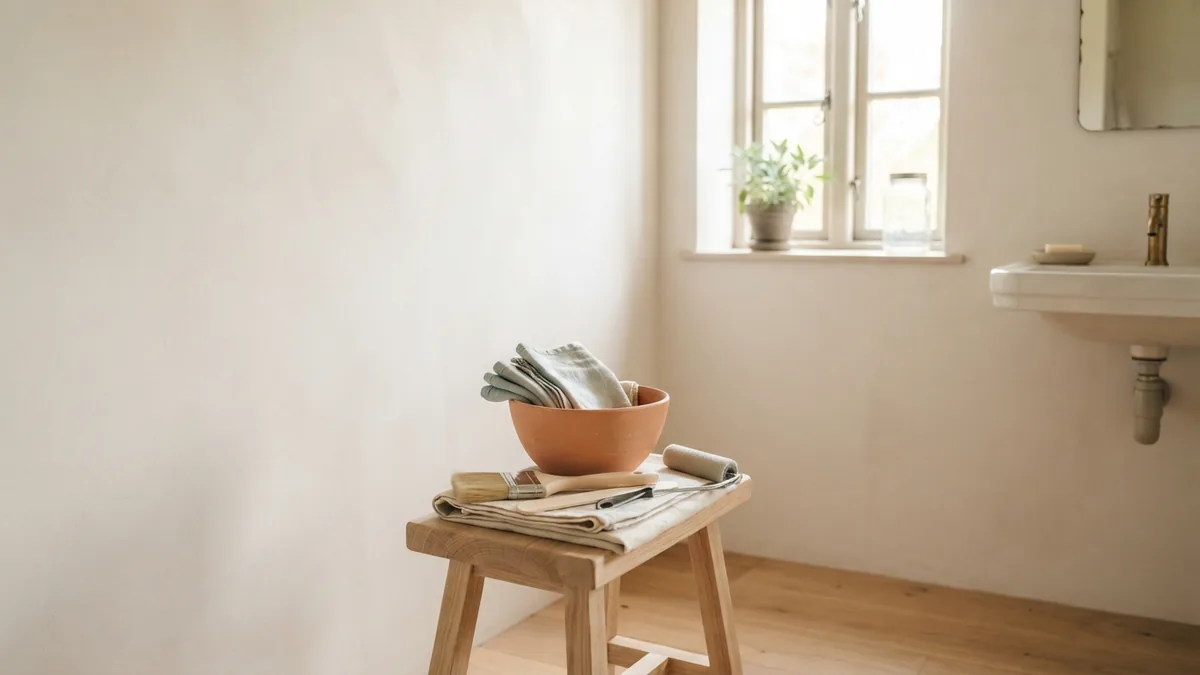
Good surface preparation gives matte paint a better chance to last. Start by fixing leaks, loose caulk, and signs of damp. Let the wall dry fully before you sand or prime it. Paint cannot cover an active moisture problem.
Clean the wall with a mild cleaner that removes soap film and dust. Rinse away residue, then let the surface dry. Scrape loose paint and smooth rough edges. Fill holes with a bathroom-safe filler.
- Check the wall. Look for leaks, stains, peeling, and mildew before painting.
- Clean and dry it. Remove soap film and allow the surface to dry fully.
- Prime repairs. Use a stain-blocking primer on marks and a bonding primer on slick areas.
- Pick the right paint. Choose a bathroom matte formula with mildew resistance.
- Apply thin coats. Follow the label and allow the full drying time between coats.
- Improve airflow. Run the exhaust fan during showers and for 20 minutes after.
Use a clean roller and avoid pressing too hard. Heavy pressure can create uneven sheen. Keep the room warm while the paint cures. Do not wash the wall until the label says it is ready.
Test the finish in a hidden spot first. Check it after a shower and a gentle wipe. This small test can reveal poor adhesion or water marks. It is cheaper than repainting the whole room.
Eggshell and Satin: Safer Bathroom Alternatives
Eggshell and satin finishes often suit bathrooms better than standard matte paint. They have a small amount of shine. That sheen helps water bead on the surface. It also makes light cleaning less risky.
Eggshell gives a softer look than satin. It works well on walls with mild moisture and light traffic. Satin has more sheen and usually offers stronger cleanability. It can suit busy bathrooms, trim, and areas near a sink.
| Finish | Moisture handling | Cleaning ease | Best use |
|---|---|---|---|
| Matte | Low unless made for bathrooms | Low to fair | Dry walls and low-splash spaces |
| Eggshell | Good | Good | Most bathroom walls |
| Satin | Very good | Very good | Busy bathrooms and trim |
More shine can reveal wall flaws, so surface prep still matters. Satin may also feel too bright in a small room. Eggshell offers a useful middle ground. It keeps a soft look while adding a stronger moisture barrier.
For a bathroom ceiling, use a finish made for damp rooms. The ceiling collects warm vapor during showers. A mildew-resistant product can help there. Good ventilation remains the key protection.
Final Verdict on Matte Bathroom Paint
So, can I use matte paint in a bathroom? Yes, if the paint is made for high-moisture areas. Use it on dry wall zones with good airflow. Avoid standard matte paint in splash-prone or poorly vented rooms.
Special bathroom matte paint can offer mildew resistance and lower VOC levels. Careful prep and thin, even coats help it perform. Let each coat dry as the label directs. Keep shower spray away from the painted wall.
Choose eggshell or satin when cleanability and moisture resistance matter most. Eggshell keeps a quiet look with better wall protection. Satin gives the strongest balance for a busy bathroom. The right finish depends on water exposure, airflow, and how often you clean.
Frequently asked questions
- Can I use matte paint in a bathroom?
- Yes, but choose matte paint made for high-moisture rooms. Use it on dry walls away from direct shower spray.
- Can you use matte paint in a bathroom with poor ventilation?
- It is not a good choice. Poor airflow keeps walls damp and raises the risk of peeling and mildew.
- Is bathroom matte paint mildew resistant?
- Many bathroom matte paints include mildew-resistant ingredients. Check the product label because not every matte formula has this feature.
- Is eggshell better than matte paint for a bathroom?
- Eggshell usually handles moisture and cleaning better. It also keeps a softer look than satin paint.
- What is the best paint finish for bathroom walls?
- Eggshell or satin often works best for bathroom walls. A bathroom-rated matte finish can work in low-splash areas.
Related reading
Bathroom Paint — Moisture, Finishes and Cost
Choose bathroom paint based on dampness, airflow, surface prep and finish.
How to Paint a Bathroom for a Clean, Lasting Finish
A clear guide to painting bathroom walls, ceilings, trim, tubs, and tile.
Large Living Room Walls — Scale, Style, and Warmth
Use scale, art, texture, shelves, and light to make a large wall feel balanced.