Which Paint Sheen Is Best for a Bathroom?
Find the right bathroom paint sheen for moisture, cleaning, and lasting style.
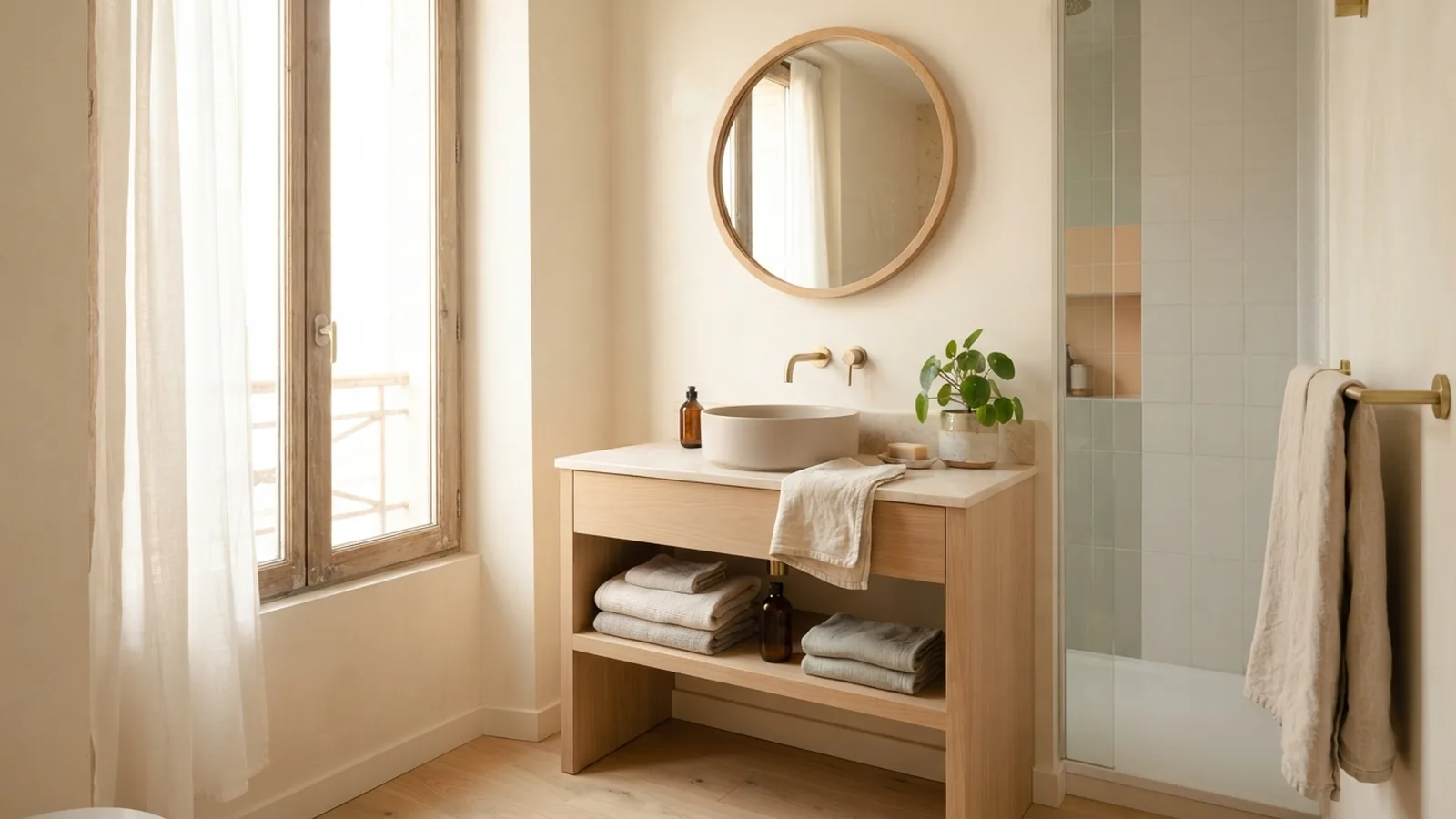
Understanding Paint Sheen
If you ask what paint sheen for bathroom walls works best, start with satin or semi-gloss. Both handle damp air and regular cleaning better than flat paint. Semi-gloss offers more moisture protection. Satin gives walls a softer, calmer look.
Paint sheen describes how much light a painted surface reflects. A high sheen looks shiny and reflects more light. A low sheen looks soft and hides more small wall flaws. The sheen spectrum runs from flat to high gloss.
Sheen also affects color perception. A shiny finish can make a color look deeper or brighter. A matte finish can make the same color look softer. Test your chosen color and finish on a small wall area first.
The Five Main Paint Finishes
Paint labels can vary by brand, but five finishes appear most often. Each one suits a different mix of style, wear, and cleaning needs.
- Flat or matte: This finish has almost no shine. It hides wall flaws well but cleans less easily.
- Eggshell: This finish has a gentle glow. It offers more washability than flat paint.
- Satin: Satin has a soft shine and works well on many walls. It balances looks, strength, and cleaning ease.
- Semi-gloss: This finish reflects more light and resists water well. It suits trim, doors, and damp rooms.
- Gloss: Gloss gives the most shine and strong surface protection. It can show dents, brush marks, and uneven walls.
Think of finish as a practical choice, not just a style choice. More shine often means easier cleaning and better water resistance. It also makes surface flaws easier to see.
Choosing the Right Sheen for a Bathroom
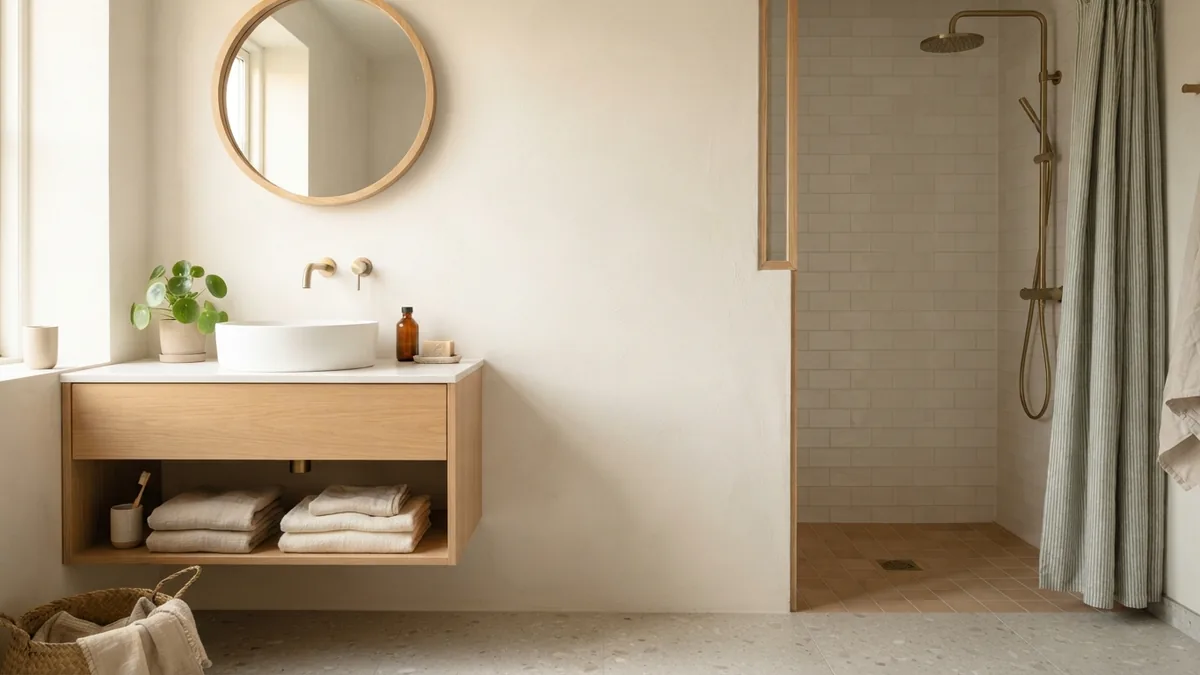
Semi-gloss is often the best paint sheen for bathroom walls. It forms a harder surface than low-sheen paint. That surface stands up to steam, splashes, and frequent wiping. It also helps stop moisture from soaking into the paint film.
Satin is a strong choice for bathroom walls when you want less shine. It works well in a family bathroom with good ventilation. Satin also hides small wall flaws better than semi-gloss. Choose a bathroom paint made for damp rooms whenever possible.
Use gloss with care. It works well on trim, window frames, and small accent areas. Full gloss on every wall can feel harsh. It can also highlight dents and rough patches.
For a bathroom ceiling, choose a moisture-resistant satin or semi-gloss paint. Semi-gloss offers the safer pick in a room with heavy steam. Satin may look better on a smooth ceiling with strong airflow. Avoid ordinary flat paint unless the label says it suits bathroom use.
Key Factors Before You Paint
Room use should guide your choice. A family bathroom may face showers, wet towels, and daily wiping. A guest bathroom may see less steam and fewer cleanups. A powder room without a shower gives you more freedom.
Moisture resistance matters because damp paint can peel over time. Ongoing damp can also support mold growth on nearby surfaces. No sheen can fix poor airflow or a leaking pipe. Run the exhaust fan during showers and for about 20 minutes afterward.
Wall condition also matters. Semi-gloss and gloss can reveal bumps, cracks, and patch marks. Satin offers a more forgiving look. Repair, sand, and prime damaged areas before painting.
| Bathroom condition | Useful finish | Reason |
|---|---|---|
| Busy family bathroom | Semi-gloss | Handles wiping, steam, and splashes |
| Calm main bathroom | Satin | Balances a soft look with good washability |
| Guest powder room | Eggshell or satin | Offers more style choice with less moisture |
| Trim and doors | Semi-gloss or gloss | Resists marks and frequent touch |
How to Maintain Bathroom Paint
Let new paint cure before deep cleaning. Follow the time listed on the paint can. Many water-based paints feel dry within hours but need longer to harden.
Clean walls with a soft cloth, warm water, and mild soap. Start at the bottom and work upward to reduce drip marks. Rinse the cloth often. Skip rough pads and strong cleaners, which can dull the finish.
Watch for early signs of trouble. Peeling, bubbling, dark spots, and a musty smell need quick action. Find the moisture source before repainting. Dry the surface, remove loose paint, and use a suitable primer.
- Use the exhaust fan during and after each shower.
- Wipe heavy splashes from walls and trim.
- Keep grout and caulk in good shape.
- Check corners and ceilings each season.
- Choose paint with mildew inhibitors for damp rooms.
Paint with mildew inhibitors can slow surface growth. It cannot replace good airflow or leak repairs. Those steps protect the new finish for much longer.
Sheen Choices for Other Rooms
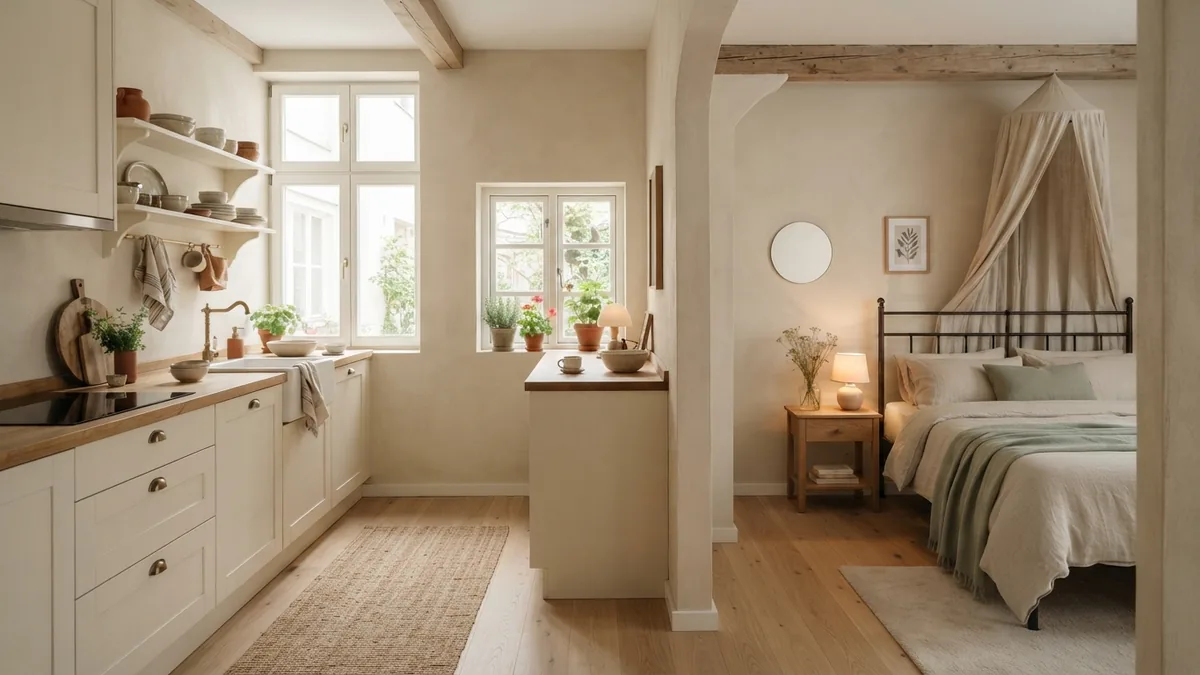
The right finish changes with each room. High-traffic areas need surfaces that can take marks and cleaning. Quiet rooms allow softer finishes. Match the sheen to both the room and the wall condition.
For a paint sheen for bedroom walls, eggshell or satin usually works well. Eggshell gives a soft glow and hides small flaws. Satin suits bedrooms that need more frequent cleaning. Flat paint can work on a smooth bedroom ceiling.
For a paint sheen for kitchen walls, satin or semi-gloss offers the best mix. Both handle food splashes and regular wiping. Use semi-gloss near the sink or cooking area. For what paint sheen for kitchen cabinets, use a cabinet enamel in satin or semi-gloss.
Living rooms usually look best with eggshell or satin. Choose eggshell for a softer, low-key finish. Choose satin for busy homes with children or pets. Flat paint can suit a ceiling or a low-use formal room.
Common Paint Sheen Questions
What is the best sheen for bathroom paint?
Semi-gloss is the safest all-around choice for a busy bathroom. Satin works well when you want less shine and a softer wall look.
What paint sheen should I use in a bathroom ceiling?
Use moisture-resistant satin or semi-gloss. Pick semi-gloss for heavy steam and satin for a smoother, quieter look.
Is eggshell paint suitable for a bathroom?
Eggshell can work in a powder room with little steam. It is less suited to a busy bathroom with daily showers.
Can I use flat paint in a bathroom?
Flat paint is not the best choice for most bathroom walls. It marks more easily and offers less defense against moisture.
Does shiny paint prevent mold?
No. A moisture-resistant finish can help protect the paint film. Airflow, dry surfaces, and quick leak repairs matter more.
For most homes, satin or semi-gloss will serve a bathroom well. Choose semi-gloss for the hardest wear. Choose satin when comfort and a softer look matter more.
Frequently asked questions
- What is the best paint sheen for a bathroom?
- Semi-gloss is the best choice for most busy bathrooms. Satin works well when you want less shine and a softer look.
- What paint sheen is best for a bathroom ceiling?
- Choose moisture-resistant satin or semi-gloss. Semi-gloss suits rooms with heavy steam.
- Can you use eggshell paint in a bathroom?
- Eggshell can suit a powder room with little steam. It is less suitable for a bathroom used every day.
- Is satin or semi-gloss better for bathroom walls?
- Semi-gloss gives stronger water resistance and easier cleaning. Satin gives a softer look and hides small flaws better.
- Does bathroom paint sheen stop mold?
- No. A suitable finish helps protect the paint surface. Good airflow and quick leak repairs help prevent mold growth.
Related reading
Dining Table Clearance — Space for Chairs and Walkways
Plan table and chair clearances for a dining area that feels comfortable.
Narrow Rooms — Paint, Light and Space
Use paint, light and smart furniture placement to open up a narrow room.
Room Painting Costs — What Shapes Your Quote
Room painting often costs $200–$1,000. See what drives the price and how to compare quotes.