Average Living Room Size in Sq Ft: Dimensions, Comfort, Layout
Average living room size is 300–400 sq ft. Learn dimensions, comfort rules, and layout tips for any space.
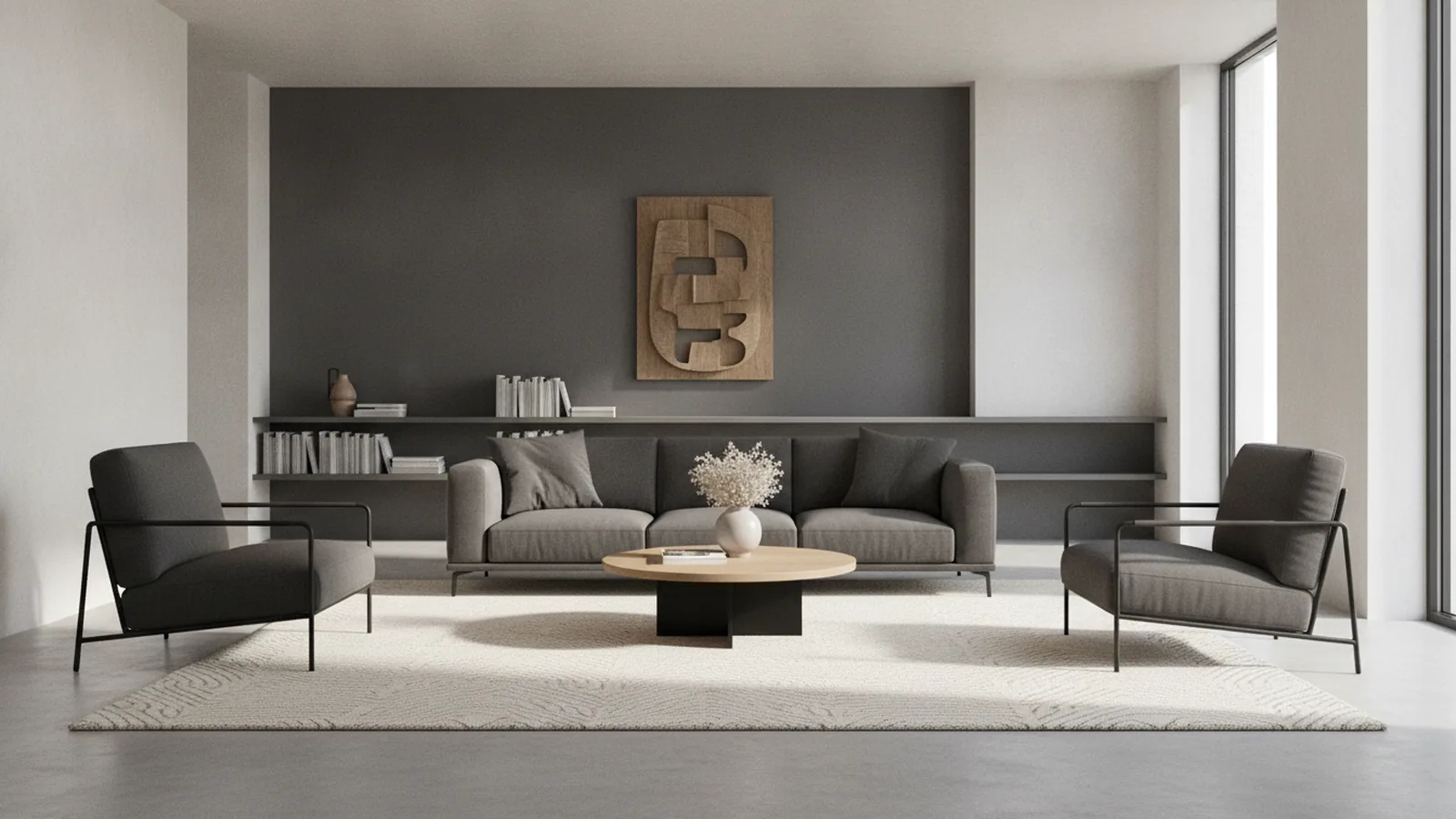
Understanding Living Room Size
If you are wondering how many sq ft is a living room, the practical answer is this. Most U.S. homes land around 300 to 400 sq ft for a typical living room. That range matters because it shapes how you can place seating, a coffee table, and storage without making the room feel tight.
Dimensions of a living room are not just numbers for buying furniture. They decide how people move between zones like the couch area and the entry path. They also affect how easy it is to host guests comfortably or relax solo.
Think about your living room as a small system. Furniture arrangement, sight lines, walking paths, and storage solutions all depend on the room’s footprint. When the size is right, the space feels calm, even when it is used daily.
- Size drives comfort: your chairs and sofas need breathing room.
- Size drives flow: people need a clear route across the room.
- Size drives zoning: you may fit one or multiple function areas.
Average Living Room Dimensions
For average living room size in the U.S., a common benchmark is 300 to 400 sq ft. This often fits a standard mix of a sofa, chairs, and a media console. It also supports a basic seating conversation zone with a coffee table.
In dense cities, the numbers shift. In urban areas such as New York City, living room sizes can range from 130 to 350 sq ft. That spread means two homes can both be “living rooms” but feel very different.
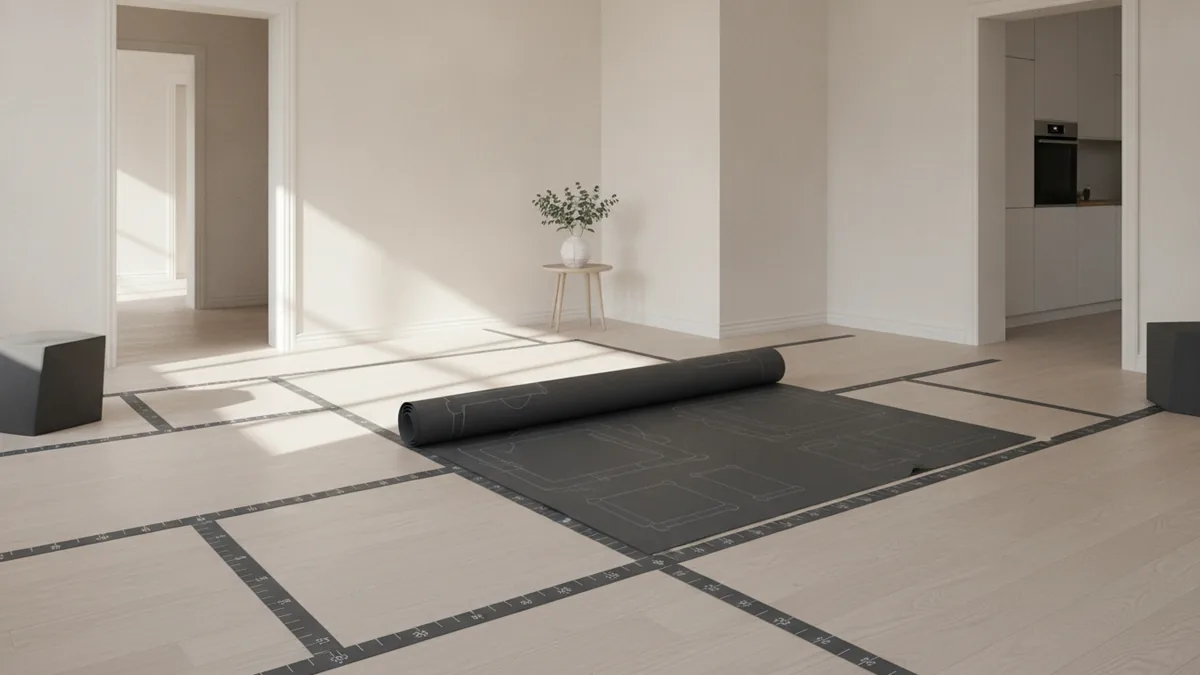
To translate area into usable planning, consider the room shape too. A 300 sq ft room that is long and narrow behaves differently than a 300 sq ft room that is close to square. Interior layout should follow the shape, not only the total area.
| Area range | What it usually feels like | Typical setup |
|---|---|---|
| 300–400 sq ft | Balanced comfort with clear walking paths | Sofa + chairs + media console |
| 130–250 sq ft | Tighter movement and fewer seating options | Sectional or loveseat + one chair |
| 250–350 sq ft | Multiple seating choices, but zoning helps | Sofa + 1–2 chairs + storage |
| Over 350 sq ft | Great hosting space with clearer zones | Sofa + chairs + larger rug |
Small, Medium, and Large Living Rooms
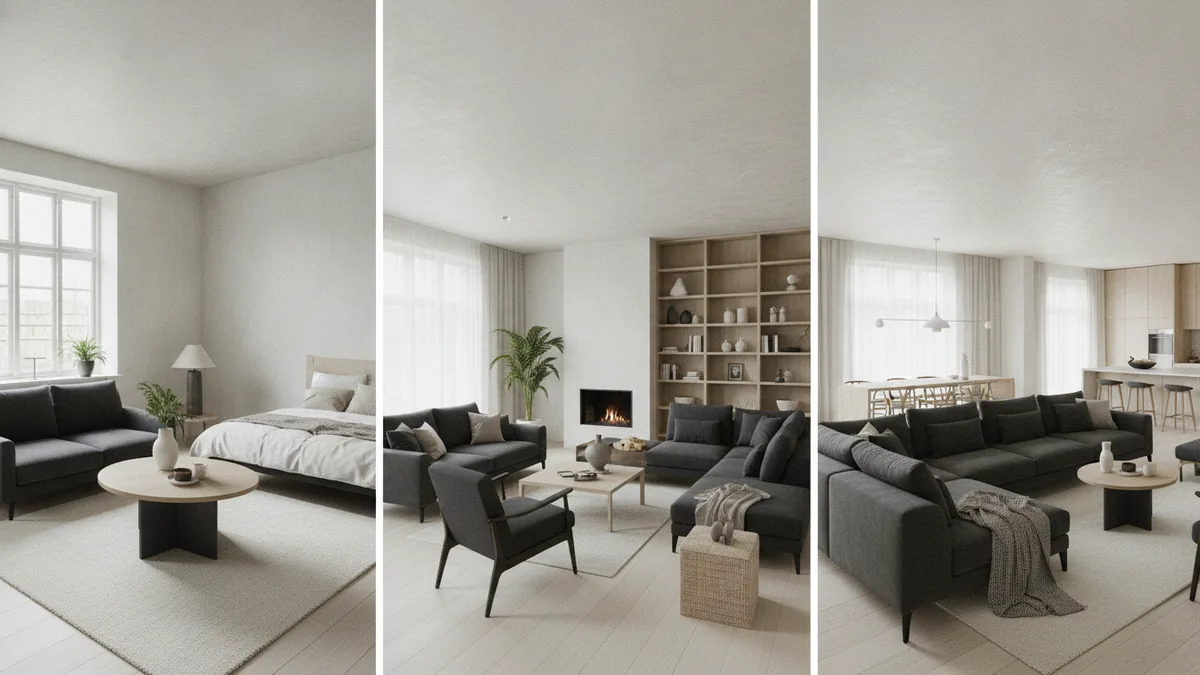
It helps to group large living room area by category. A simple way to plan is based on floor area. Small living rooms are generally under 250 sq ft, medium rooms are 250–350 sq ft, and large rooms are over 350 sq ft.
Those ranges also line up with how many people you can fit without overcrowding. In small rooms, plan for 2 to 4 people to sit comfortably. In medium rooms, 4 to 6 is usually realistic. In large living rooms, 6 to 10 can work when the furniture arrangement supports movement.
Use this as a planning baseline, not a strict rule. If your room has a lot of open space, you can often seat more people. If the room has extra doors or built-ins, you may seat fewer even with similar area.
- Small living room size: under 250 sq ft
- Medium living room dimensions: 250–350 sq ft
- Large living room area: over 350 sq ft
When you shop for furniture, match scale to the category. A bulky sectional in a small room can block the walkway. In a large room, a tiny sofa may look lost and make the space feel unfinished.
Functionality and Layout Considerations
Living room design succeeds when the layout supports daily behavior. Before you move anything, decide your main use. Is it mostly for TV and evenings, or for conversation and hosting? Your answer controls where the “anchor” furniture goes and how far apart seats should be.
A good interior layout also protects circulation. People should be able to walk around the seating zone without stepping between chairs. In practice, that means leaving space between the coffee table and the front edge of sofas or chairs.
Zone creation helps even in one-room spaces. In a medium or large room, you can define an area for conversation and another area for reading or kids’ play. Lighting and a rug boundary can reinforce the zones without adding clutter.
- Pick your anchor: usually the sofa or TV wall.
- Set the viewing or talk distance: keep seats within easy conversation range.
- Plan the path: map doorways, hallways, and traffic lanes first.
- Add storage early: place consoles and cabinets so they do not pinch walkways.
Furniture arrangement should also match the room’s shape. Long rooms often need a “diagonal” arrangement that keeps traffic moving. Nearly square rooms usually support a centered seating zone with balanced side seating.
Tips for Maximizing Space
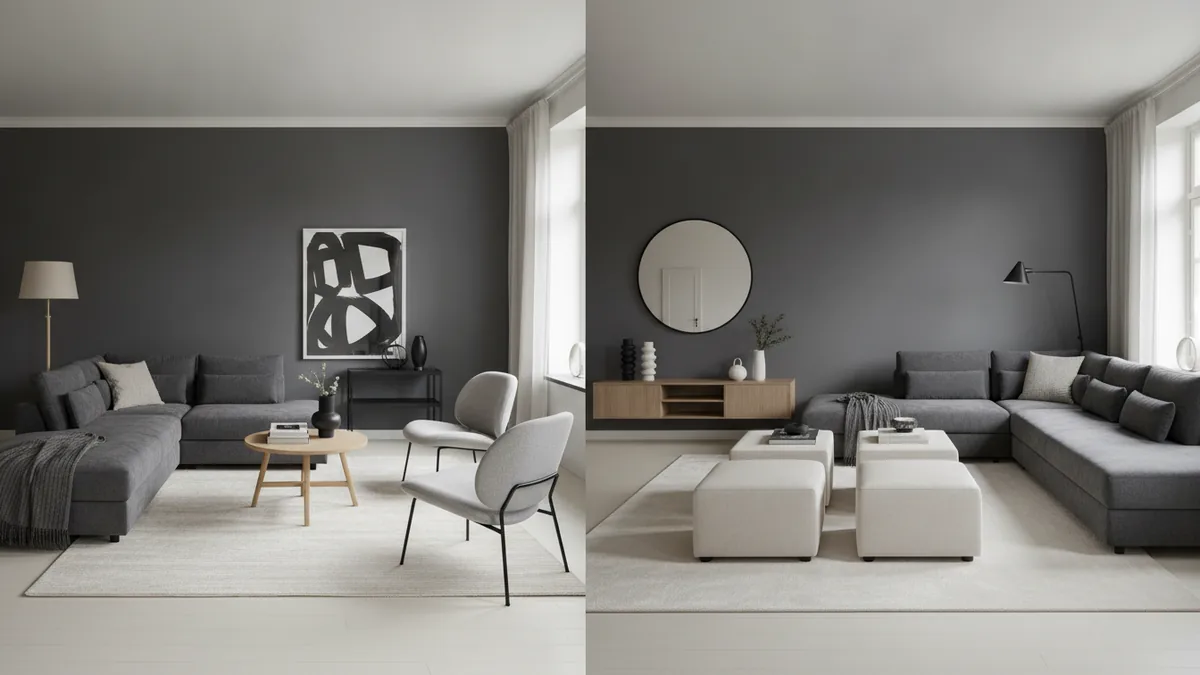
If you are working with a small living room size, every inch has to earn its place. Start with light colors and reflectors. Light paint tones make walls recede, and mirrors can visually double the sense of space.
Next, use multi-functional furniture. A storage ottoman adds seating and hides items you otherwise need a shelf for. A coffee table with drawers reduces visual clutter, which matters when floor area is limited.
Space optimization also depends on what you choose not to add. In tight rooms, skip extra accent tables and rely on one or two practical surfaces. You can still add decor tips through wall art or a single larger statement piece.
- Go vertical: use wall storage to keep the floor open.
- Choose slim profiles: select furniture with narrower arms and legs.
- Use mirrors: place them across from windows when possible.
- Pick one rug size: larger rugs can unify the zone.
- Keep power access in mind: plan cords near the media area.
For medium rooms, focus on balance and flexibility. You can often fit a sofa plus two seats, but you must keep the seating arrangement breathable. For large rooms, use zoning so the room does not feel like an empty hall.
Common Mistakes in Living Room Design
One frequent mistake is planning from furniture first. It is easy to buy a “great” sofa, then discover it breaks the traffic flow. Start from your room’s dimensions of a living room and build outward from the anchor.
Another error is underestimating how many people need to move. If your home hosts often, consider seating flexibility and extra chair options. In small rooms, trying to seat everyone at once can make the space uncomfortable fast.
Many people also ignore the difference between area and layout. A room can have a good average living room size on paper but still feel awkward due to door placement. If your entry hits the seating zone, you may need to rotate the furniture arrangement.
- Overstuffing: too much furniture reduces comfort.
- Wrong scale: tiny pieces in large rooms look disconnected.
- Poor circulation: blocked paths make the room feel cramped.
- No zoning: conversation areas blend with walkways.
- Weak storage solutions: clutter steals space from seating.
Finally, do not forget how lighting changes perception. Dull lighting can make a small room feel darker and smaller. Layered light from floor lamps, table lamps, and overhead fixtures improves comfort.
Frequently asked questions
- How many sq ft is a living room on average?
- In the U.S., a common average living room size is about 300 to 400 sq ft. Actual size varies by home type and layout.
- What is a small living room size in square feet?
- Small living rooms are generally under 250 sq ft. That size often supports 2 to 4 comfortable seats.
- What are medium living room dimensions in sq ft?
- Medium living room dimensions are typically 250 to 350 sq ft. They often fit 4 to 6 people with a practical layout.
- How much space do I need for a large living room area?
- Large living rooms are usually over 350 sq ft. With good furniture arrangement, you can often seat 6 to 10 people.
- Why do living room dimensions change how it feels?
- Room shape, doors, and circulation paths affect comfort. Area alone cannot predict how furniture will fit.
- What are quick ways to optimize space in a small living room?
- Use light colors, add a mirror, and choose multi-functional furniture. Plan storage solutions that reduce visible clutter too.
Related reading
Room Painting Costs — What Shapes Your Quote
Room painting often costs $200–$1,000. See what drives the price and how to compare quotes.
Kitchen Cabinet Tops — Style, Texture and Seasonal Charm
Style cabinet tops with balanced layers, useful texture, and decor that suits your kitchen.
Couch Placement—Flow, Focus and Comfort
Place your couch to frame a focal point, keep paths clear, and make the room feel balanced.