Small Bathroom Renovation: Costs and Planning
Plan a small bathroom remodel with real cost ranges, budget tips, and room for surprises.
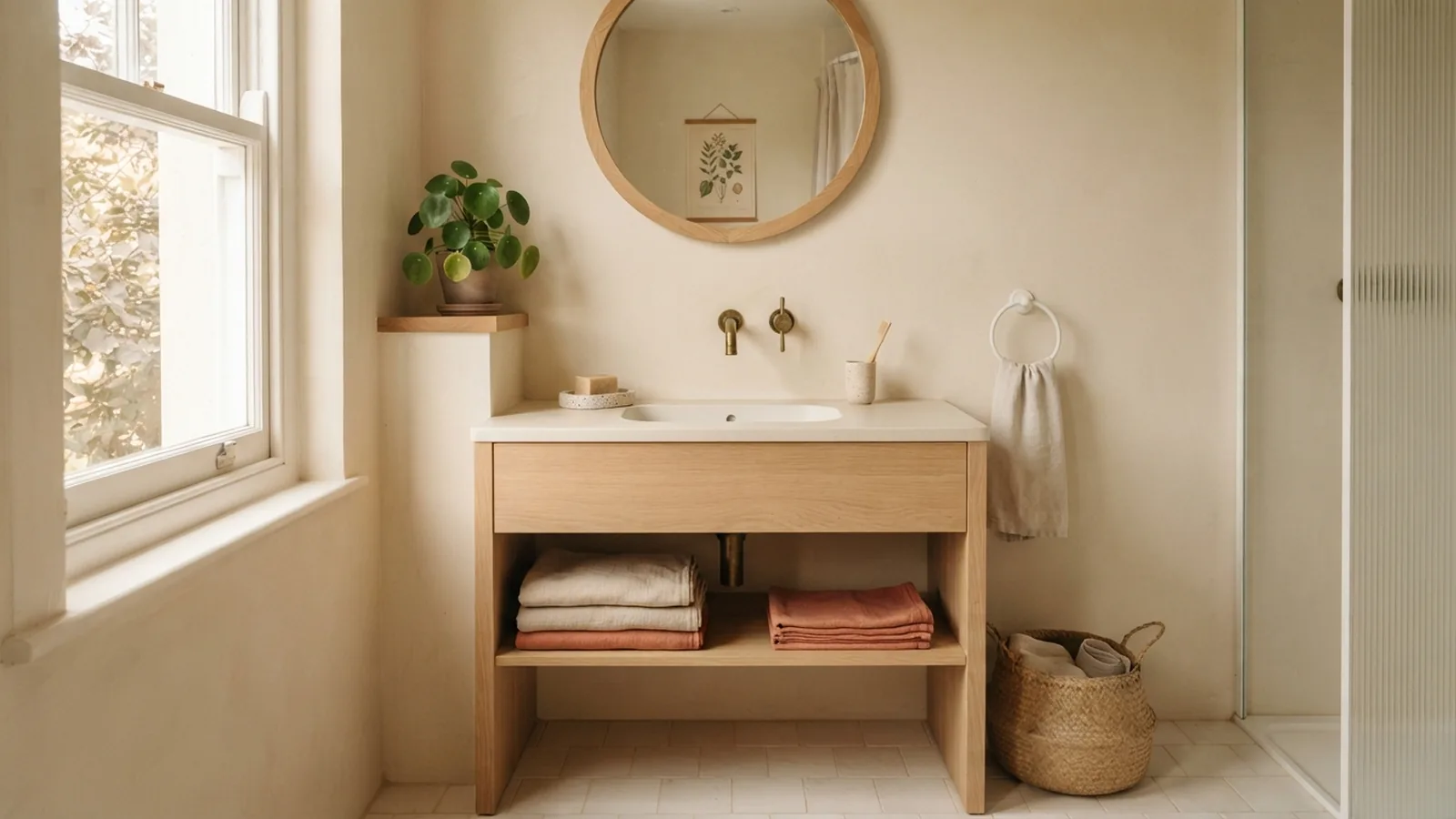
Average Costs for a Small Bathroom Renovation
How much does it cost to renovate a small bathroom? The average is about $6,500. Most projects land between $2,000 and $15,000. The scope, materials, and local labor rates shape the final bill.
A fresh coat of paint, new lights, and a basic vanity can keep spending near the low end. Replacing a tub, adding tile, or changing pipes can push costs higher. Keeping the toilet, sink, and shower in place often saves money.
These are planning figures, not firm quotes. An older home may need repairs once walls or floors come out. Get local bids before you set a final cap.
- Budget refresh: about $2,000–$5,000
- Mid-range remodel: about $5,000–$10,000
- Premium remodel: about $10,000–$15,000 or more
How Bathroom Size and Layout Affect Cost
Small bathrooms can have a higher cost per square foot than larger rooms. Some tasks take similar time in either space. A crew still needs to protect floors, bring in tools, and handle waste. So the total bill may be lower, but the cost for each square foot can be higher.
A half bath needs fewer fixtures than a full bath. It usually has a toilet, sink, floor, and light. A full bath adds a tub or shower, more plumbing, and waterproofing. Those extra parts can lift the total by several thousand dollars.
Layout matters as much as size. Moving a toilet or shower can mean new pipes, floor work, and more labor. Compare bids that list the same tasks. This helps you spot gaps in scope, not just differences in price.
| Bathroom type | Common work | Planning range |
|---|---|---|
| Half bath | Toilet, vanity, floor, and lighting | $2,000–$7,000 |
| Small full bath | Vanity, tub or shower, floor, and fixtures | $5,000–$15,000 |
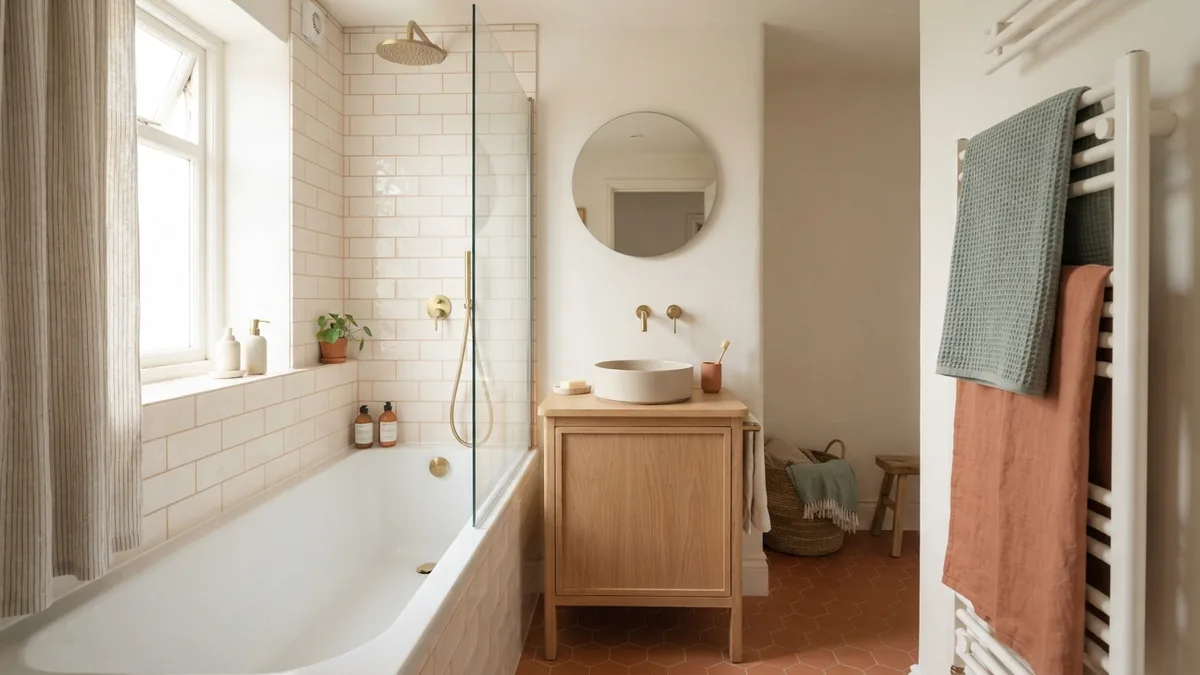
Small Bathroom Renovation Expenses by Component
The vanity, tub or shower, floor, plumbing, and lights make up much of the bill. A basic vanity may cost a few hundred dollars. A larger unit with a stone top can cost over $1,000. A tub or shower can range from several hundred dollars to several thousand, before all fitting costs.
Flooring prices depend on the material and the work below it. Sheet vinyl often costs less than tile. Tile needs careful setting and grout work. If the floor is uneven or damaged, fixing it adds time and materials.
Plumbing costs rise when pipes move or need repair. Swapping a tap is less work than shifting a shower drain. Lighting and fittings can cost less than major pipe work, though new wiring may raise the price.
Use these ranges for early planning, not as final prices. Ask each supplier or contractor to show material and fitting costs apart. That makes it easier to compare choices.
- Vanity and sink: $300–$1,500 or more
- Tub or shower materials: $500–$4,000 or more
- Flooring and fitting: $500–$2,000
- Plumbing work: $500–$3,000 or more
- Lighting and fittings: $150–$1,000
Labor, Materials, and Other Cost Drivers
Labor often takes 40–65% of the total budget. Plumbers, electricians, and tile setters need skill and time. Rates have risen in many areas as crews remain hard to find. Ask for a written list of labor tasks, not just one total.
Material choices can change the budget fast. A simple tile costs less than a custom pattern, though both need careful fitting. High-end taps, stone tops, and made-to-fit storage also raise material costs. Choose where quality matters most, then keep other picks simple.
The home's age and condition can change the plan. Leaks, worn pipes, weak floors, or poor airflow may need work. Some faults stay hidden until demolition starts. A careful check can limit surprises, but it cannot find every problem.
When comparing bids, make sure each one includes the same work. Check demolition, waste removal, permits, fitting, and cleanup. A low quote may leave out key tasks, so read the details before you sign.
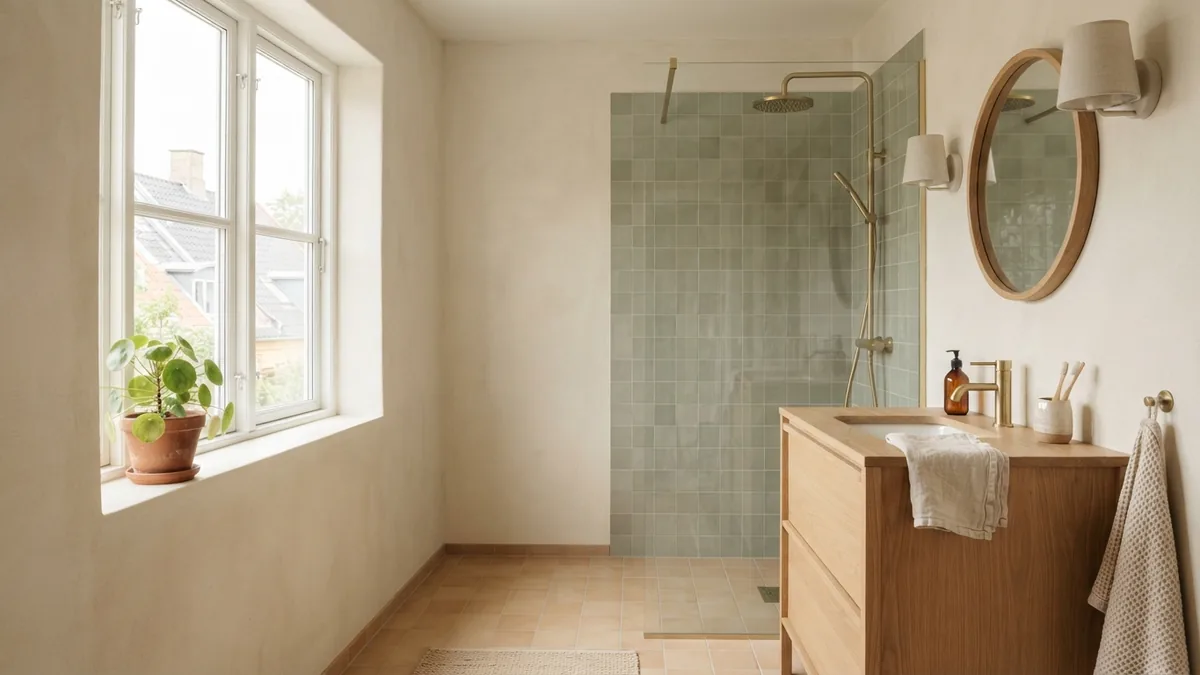
Set a Budget and Choose a Renovation Tier
Start with a firm spending limit. List the changes you need, then rank the upgrades you want. Keeping sound fixtures and the current pipe layout can save a lot. Pick one or two features to improve, such as a better shower or more storage.
Different renovation tiers suit different goals. A budget refresh may use paint, new hardware, lights, and a basic vanity. A mid-range job can replace the floor, fixtures, and shower fittings. A premium remodel may add custom storage, high-end finishes, or a new layout.
Get at least three bids with the same written scope. Ask who buys the materials and who handles delivery. Check if the quote covers permits, waste, and cleanup. Get the work dates and payment plan in writing, too.
- Set a maximum spend and keep a reserve.
- List must-have work before cosmetic changes.
- Price key fixtures and finishes before signing.
- Compare bids with the same work list.
People also ask how much does it cost to renovate a small kitchen or how much does it cost to renovate a room. Those projects need separate budgets. Their size, fittings, and work differ from a bathroom, so bathroom ranges do not apply.
Plan for Hidden Costs and Delays
Set aside 15–20% of your budget for costs you cannot see yet. A $6,500 plan would need about $975–$1,300 in reserve. This money can cover hidden water damage, pipe repairs, or a weak subfloor. Keep it apart from the amount you plan to spend on finishes.
Ask your contractor how they handle extra work. Get a written price and your approval before work starts on any new task. This helps you stay in control if the team finds a problem. It also gives you a clear record of the change.
Order key items early when possible. A late vanity or shower part can hold up the whole job. Check delivery dates before setting a start date. If the room is your only bathroom, plan where you will wash during the work.
The best way to control small bathroom renovation expenses is to set a clear scope. Keep the layout if it works, compare itemized bids, and hold back a reserve. Then you can make sound choices without treating the first estimate as a promise.
Frequently asked questions
- How much does it cost to renovate a small bathroom?
- The average is about $6,500, with common costs from $2,000 to $15,000. The scope, materials, layout, and local labor rates affect the price.
- What is the average cost to renovate a small bathroom?
- A small bathroom remodel averages about $6,500. A basic refresh costs less, while new plumbing, tile, or layout changes can raise the total.
- What costs the most in a small bathroom renovation?
- Labor often takes 40–65% of the budget. Plumbing changes, tile work, and a new tub or shower can also add a large share.
- How much should I save for unexpected bathroom renovation costs?
- Set aside 15–20% of your total budget. That reserve can help pay for hidden leaks, worn pipes, or floor repairs.
- Does a half bath cost less to renovate than a full bath?
- Usually, yes. A half bath has fewer fixtures and less plumbing work than a full bath with a tub or shower.
Related reading

How Much Does a Bathroom Renovation Cost?
See real bathroom renovation costs, from small updates to full gut remodels.
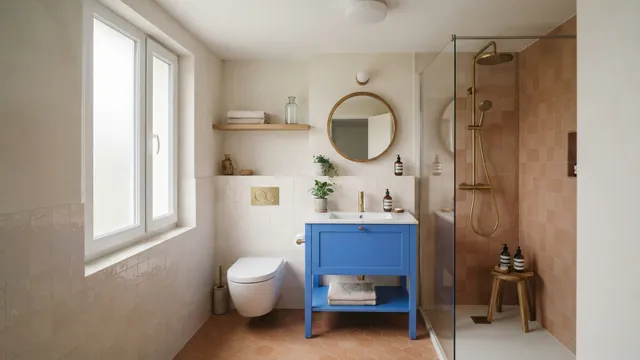
How Much Does a Small Bathroom Remodel Cost?
Plan a small bathroom remodel with clear costs, scope, and smart budget tips.
Kitchen Renovation Costs — Price Ranges and Budget Factors
See typical kitchen remodel prices, key cost drivers, and ways to keep your budget on track.