Alabaster Cabinets — Warm Walls and Balanced Contrast
Pair Alabaster cabinets with warm walls, thoughtful contrast, and tested paint samples.
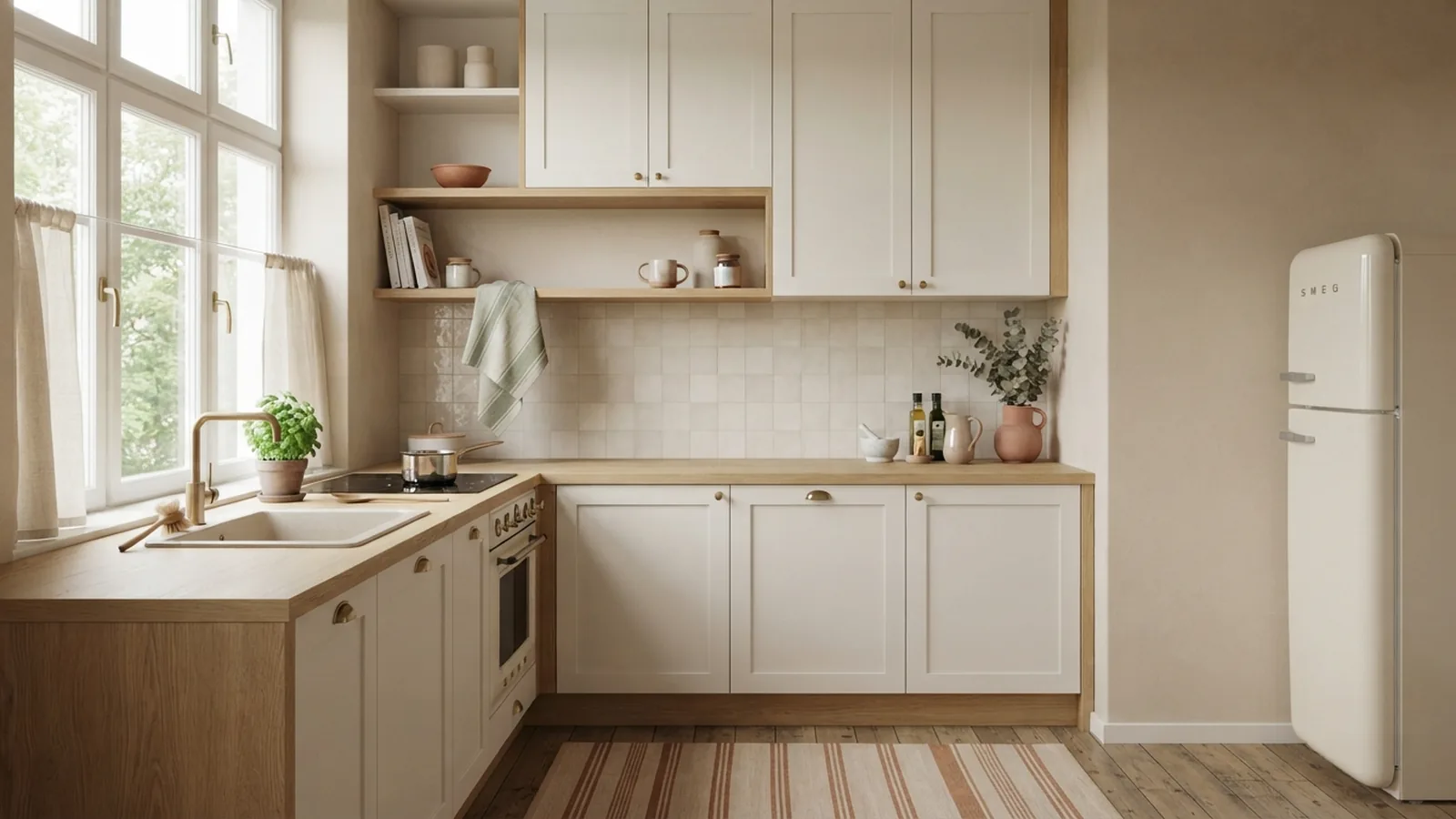
Understanding Alabaster Kitchen Cabinets
Alabaster kitchen cabinets pair well with warm grays, soft beige, and muted green. The right wall color depends on your light, finishes, and desired contrast. Start by asking: alabaster kitchen cabinets what color walls will feel balanced here?
Alabaster is Sherwin-Williams SW 7008, a warm white with a creamy cast. Its Light Reflectance Value (LRV) is 82. That high score means it reflects plenty of light while feeling softer than stark white.
Room finishes can shift how Alabaster looks. Wood floors may bring out its warmth, while cool stone can make it seem creamier. Compare samples beside the cabinets, counters, and floor before choosing a wall shade.
Undertones matter more than paint names. A gray with a blue cast may feel cold beside warm white. A gray with beige or brown notes is often easier to blend.
Best Wall Colors for Alabaster Cabinets
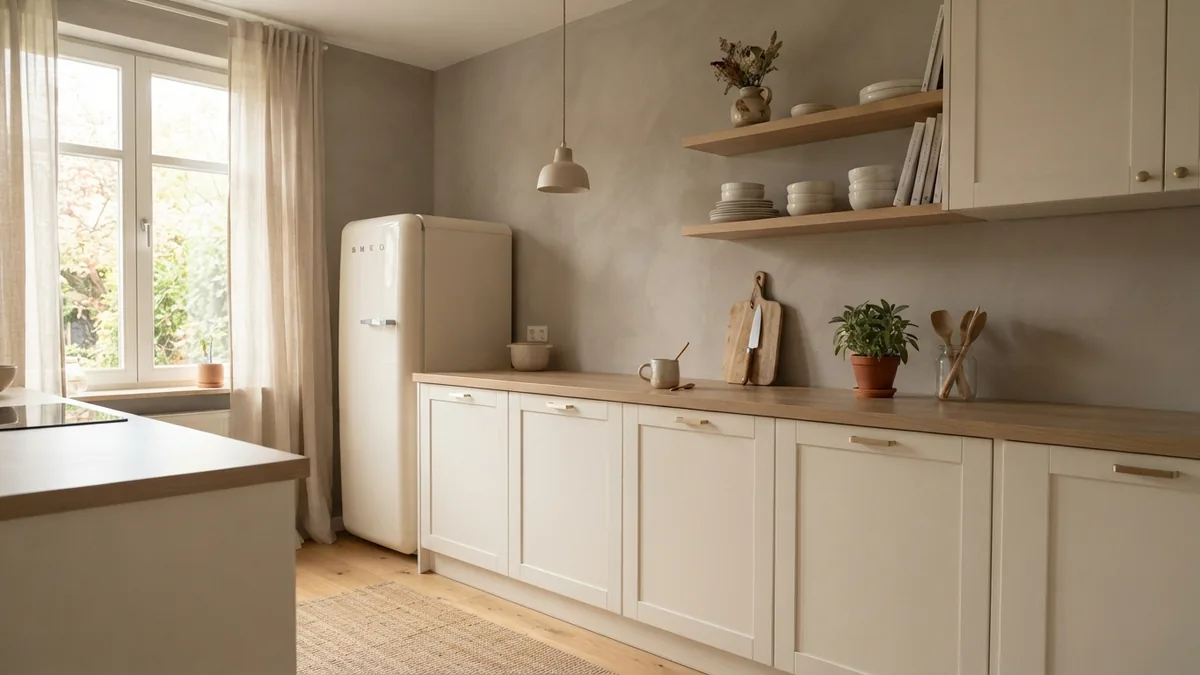
Warm gray is a safe choice when you want gentle contrast. Greige, a mix of gray and beige, keeps the palette calm. Soft taupe also works well with natural wood and warm stone.
Beige walls create a cozy, low-contrast room. Choose a shade with enough depth to define the cabinet edges. If your cabinets and walls are nearly the same tone, the room can look flat.
For a touch of color, try muted sage or dusty green. These shades work well with warm white and pale oak. Keep them subdued when your counter or backsplash has a strong pattern.
If you wonder about beige kitchen cabinets what color walls suit them, use the same undertone test. Pair warm beige cabinets with warm white, soft gray, or muted green. Avoid a wall shade that clashes with the cabinets’ yellow or pink cast.
- Warm gray: Adds definition without a sharp edge.
- Greige: Brings out Alabaster’s warm cast.
- Soft beige: Creates a gentle, welcoming scheme.
- Muted sage: Adds color without taking over.
Contrasting Colors for Visual Interest
Contrast helps cabinets stand out from the wall. A medium warm gray or deeper taupe can frame Alabaster cabinets. Tie the colors together with a counter, floor, or wood accent.
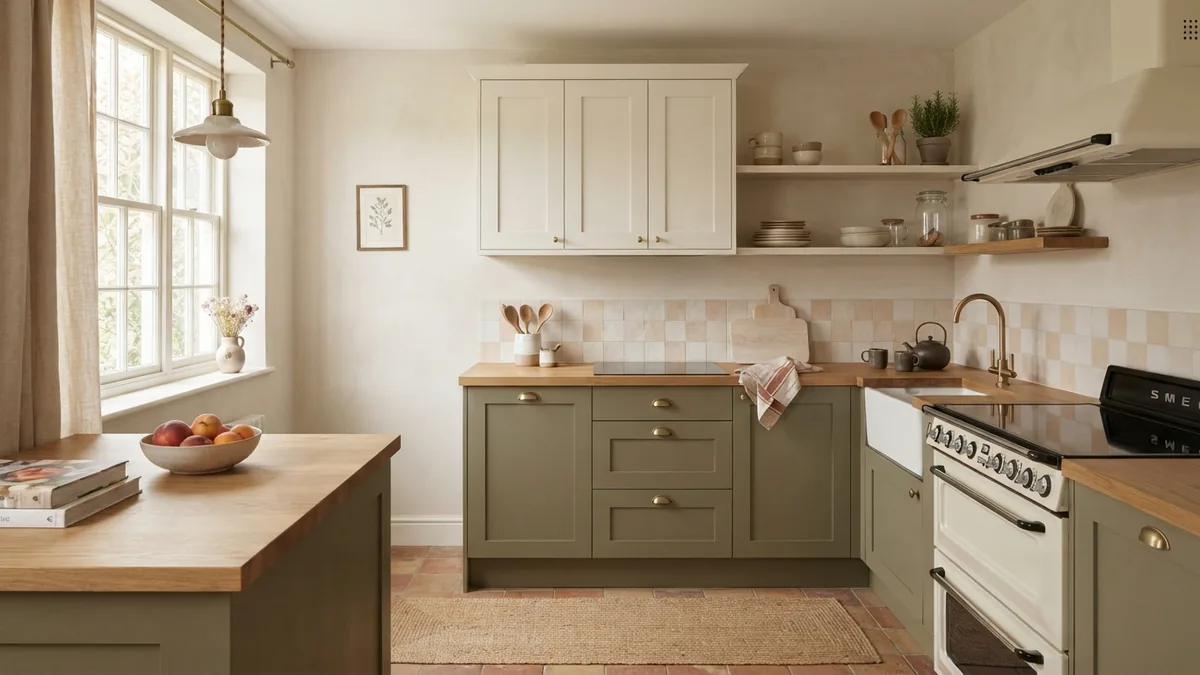
Two-tone kitchens offer another way to add depth. Keep Alabaster on the upper cabinets, then use a deeper color below. This gives the room a lighter feel at eye level and more weight near the floor.
Muted olive, warm charcoal, and deep brown can work on lower cabinets or an island. Repeat the darker shade in one or two small details. Brushed brass hardware can add warmth, while a dark finish gives pale cabinets a crisp outline.
Other cabinet colors need a different wall balance. If you ask, gray kitchen cabinets what color walls work best, look at the gray’s undertone first. Warm gray cabinets suit soft white or beige, while cool gray cabinets can pair with warmer walls.
For light gray kitchen cabinets what color walls make sense? Try warm white, pale greige, or a soft tan. If you ask what color walls go with gray kitchen cabinets, use a sample next to the cabinet door. The gray’s undertone will guide the choice.
Ivory kitchen cabinets what color walls pair well with them? Warm gray, beige, and gentle green are good starting points. Black kitchen cabinets what color on wall is a different question: soft white or warm beige can lift the room without adding a cold cast.
Red kitchen cabinets what color walls suit them? A quiet warm white or pale beige can keep red from dominating. Use a small sample first, since red can make nearby colors seem dull or overly yellow.
Creating Cohesion with Trim and Nearby Finishes
Trim does not need to match the cabinets exactly. A small difference in warmth can stand out when both surfaces look white. Place trim and cabinet samples together in the room before picking paint.
Painting trim the wall color can make a room feel less divided. Another option is a trim shade close to Alabaster. Leave enough difference to avoid a patchy, almost-matching look.
Check counters, backsplash, floor, and hardware as one palette. A warm wall can clash with blue-gray stone, even beside cream cabinets. If you ask kitchen cabinets what color paint goes with brown granite, test warm beige, soft taupe, or muted sage.
Brown granite often has several flecks and tones. Pick one quiet color from the stone rather than matching its darkest mark. This links the wall and counter without making the whole kitchen feel brown.
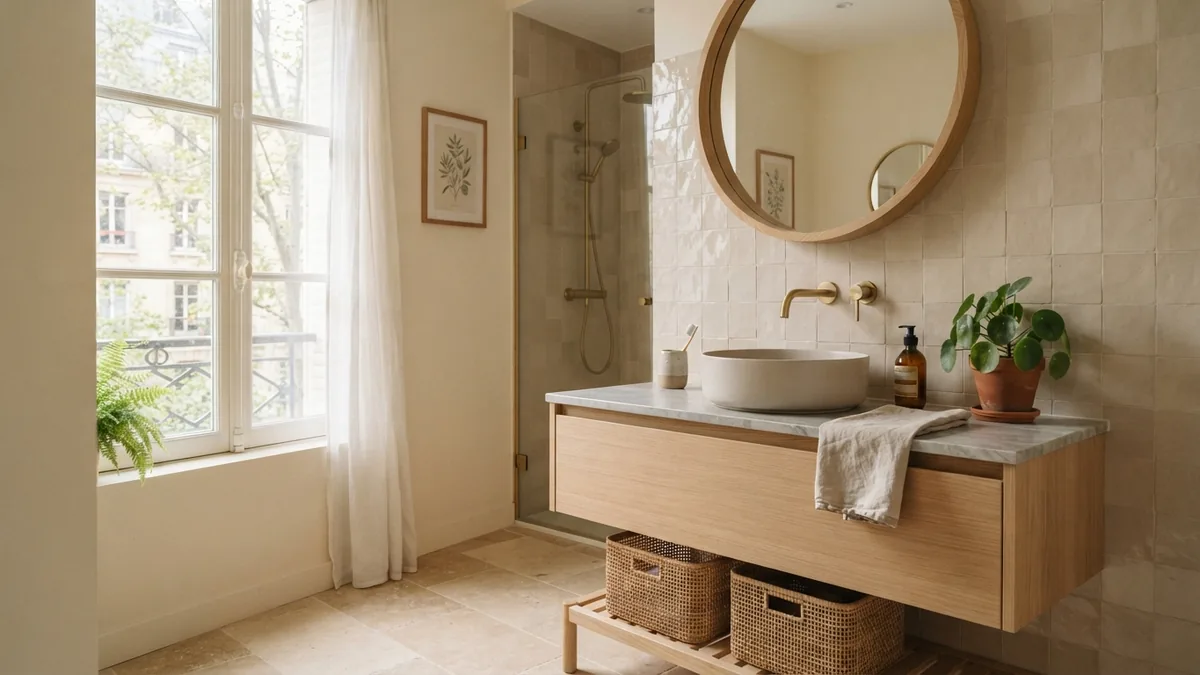
Bathrooms follow the same color rules, but tile and light change the result. For gray bathroom cabinets what color walls feel right? Try warm white, pale beige, or a soft green beside the cabinet finish.
If you have a gray bathroom vanity what color walls should you test? Start with the vanity’s undertone, then compare warm white and greige. For a bathroom with beige tiles what color walls will fit, sample cream, muted sage, or a gentle warm gray.
Choosing Colors Based on Lighting Conditions
Daylight can shift paint colors during the day. North-facing rooms often make colors look cooler. Late sun can make warm shades appear more golden.
Alabaster may look creamier under warm bulbs and brighter near a sunny window. Check which walls get direct sun and which stay shaded. View each sample in morning, afternoon, and evening light.
Also check your kitchen lights after dark. A bulb with a warm cast can deepen beige and soften gray. A cooler bulb may make warm whites look less creamy.
Do not judge a wall color against a blank surface alone. Place the sample beside the cabinets and main finishes. This shows how the palette works as a whole.
Tips for Testing Paint Colors
Paint two or three sample shades on large boards or sheets. Keep them near the cabinets, then move them to other walls. Large samples show more than small store chips.
Check each board beside your counter, backsplash, and floor. Look for a clear difference between the wall and cabinet tones. A useful sample should work in both bright and shaded parts of the room.
- Pick a short list. Choose warm gray, soft beige, or muted green based on your finishes.
- Use large samples. Paint boards so you can move them around the room.
- Check them at several times. View each shade in daylight and under your usual bulbs.
- Choose the clearest fit. Keep the sample that suits the cabinets, counters, and floor together.
Make the final choice only after seeing the samples in place. A color that looks good on its own may clash beside stone or wood. Trust the room, not the paint chip.
Common Mistakes to Avoid
One common mistake is mixing warm cabinets with a cool wall color. The contrast can look accidental rather than crisp. Compare undertones before you settle on a shade.
Another mistake is choosing wall and cabinet colors that are too close. A subtle palette can work, but each surface still needs a clear edge. Add a little depth through the wall, trim, or island.
Do not overlook nearby finishes or evening light. A paint shade can seem right beside the cabinet sample yet look wrong across the room. Test it in the spot where it will live.
Alabaster gives you a bright, warm base rather than a fixed color scheme. Warm grays and soft neutrals are strong starting points. Test them against your own light and finishes before painting.
Frequently asked questions
- What wall color goes best with Alabaster kitchen cabinets?
- Warm gray, greige, soft beige, and muted sage are good choices. Compare samples beside your cabinets and counters before deciding.
- Can I use gray walls with Alabaster cabinets?
- Yes. Choose a warm gray with beige or brown undertones for a calm pairing. A cool gray creates stronger contrast.
- What color walls go with gray kitchen cabinets?
- Warm white, beige, or greige can balance gray cabinets. Pick a shade based on whether the cabinets look warm or cool in your room.
- What wall colors work with beige kitchen cabinets?
- Warm white, soft gray, and muted green can work well. Check the beige undertone so the wall does not look too yellow or pink.
- How should I test wall paint with kitchen cabinets?
- Paint large boards and place them beside the cabinets, counter, and floor. Check them in daylight and with your usual lights on.
- What wall color works with beige bathroom tile?
- Cream, muted sage, and warm gray are useful starting points. Test each shade beside the tile and vanity in the room’s light.
Related reading
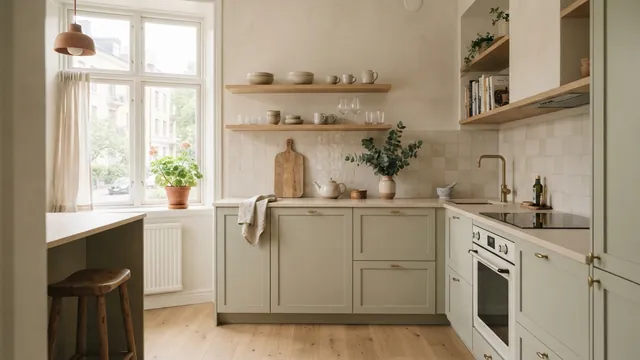
Kitchen Cabinet Color — Choices That Suit Your Home
Choose cabinet colors that work with your finishes, daylight, and style.
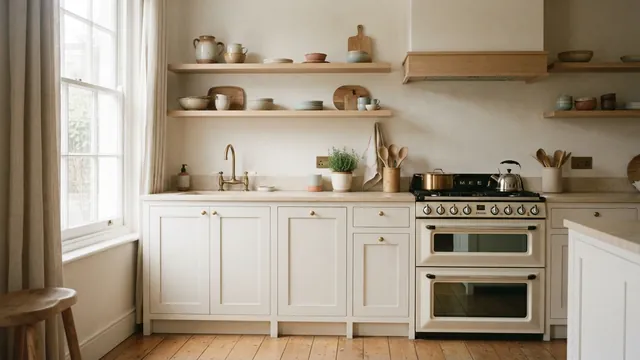
Kitchen Cabinet Color Trends: The Most Popular Choices for 2026
See which kitchen cabinet colors and styles are shaping 2026.
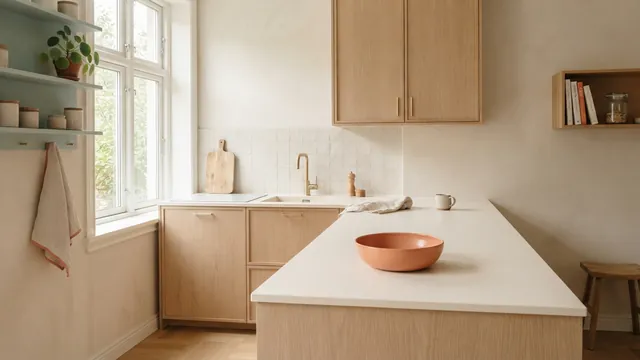
Kitchen Renovation Costs — Price Ranges and Budget Factors
See typical kitchen remodel prices, key cost drivers, and ways to keep your budget on track.