Long Walls — Ideas That Add Balance and Character
Make a long wall feel balanced with color, art, shelves, and warm light.
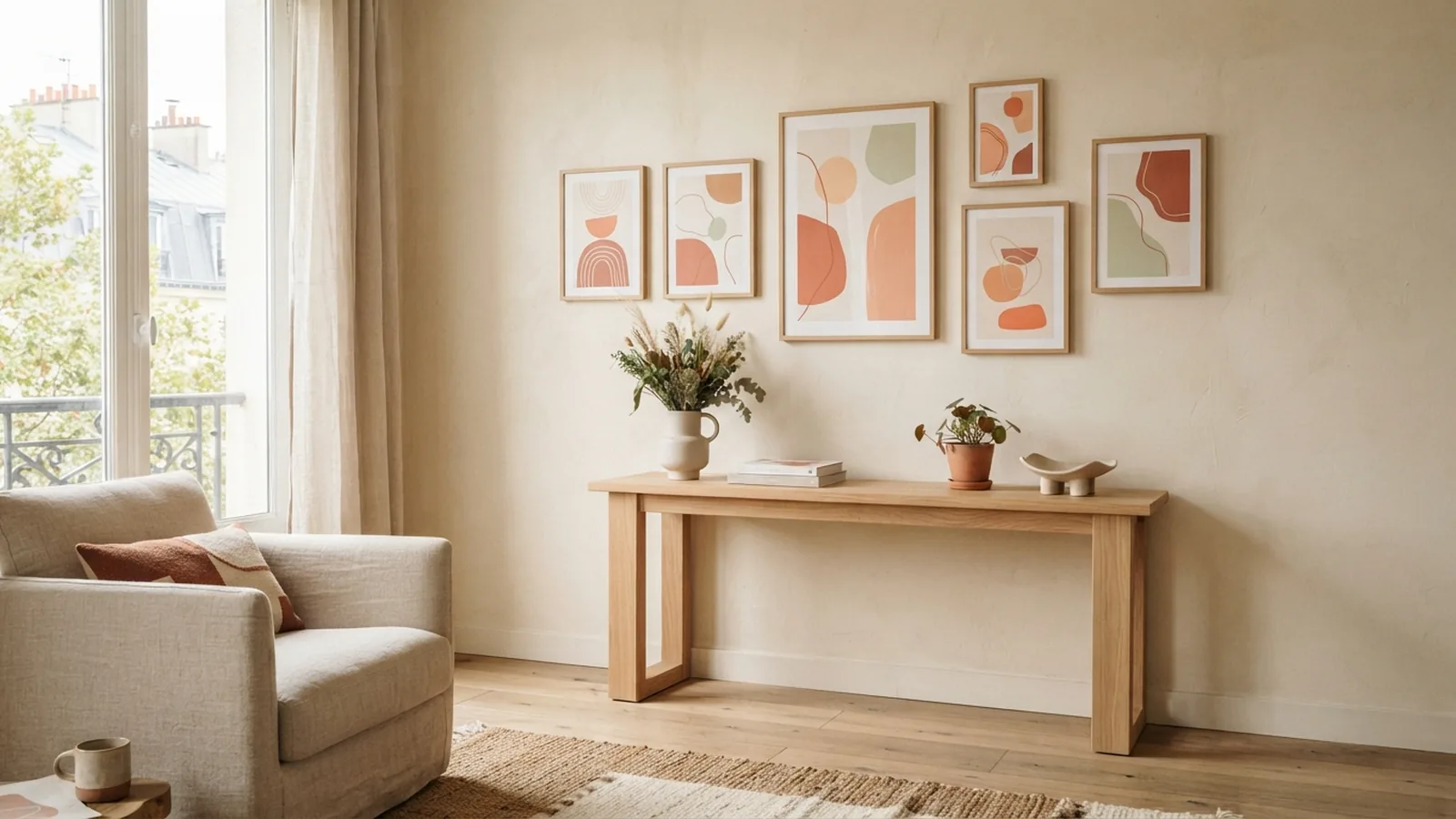
Why long walls can feel hard to decorate
A long wall can make a room feel stretched, bare, or out of balance. To decorate it well, divide the space into useful zones and give each zone a clear purpose. Art, paint, shelves, and lighting can link those zones without making the wall feel crowded.
First, look at how people move through the room. In a long living room, a sofa and rug can mark the main seating area. In a family room, a reading chair or game table may define a second zone. A long bedroom often needs a calm bed wall, with storage or a small sitting spot farther along.
Measure the wall and note nearby doors, windows, and furniture. A simple sketch can help you spot empty stretches and tight paths before you buy anything. Keep walkways clear, especially in a skinny living room where large pieces can make movement awkward.
Choose colors that bring the wall closer
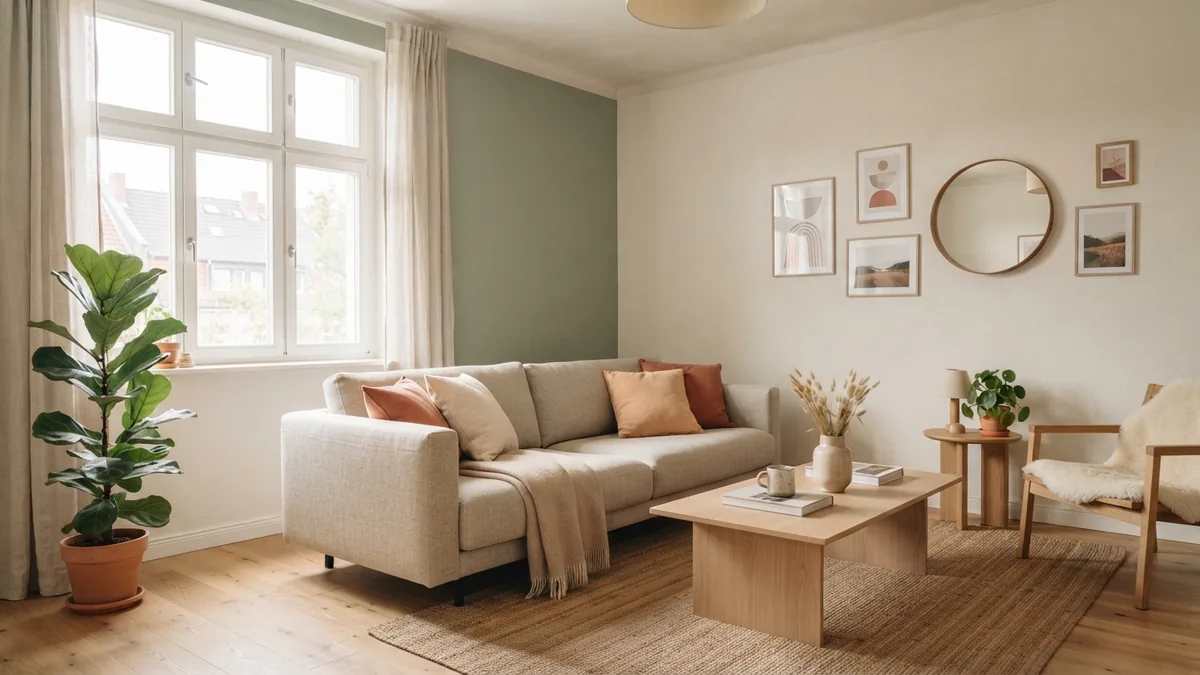
Color can change how long a wall feels. Warm cream, soft beige, and pale sage make a broad wall feel calm and welcoming. A muted terracotta or warm peach accent adds depth without the sharp contrast of a bright, bold shade.
Paint the full wall one color for a quiet backdrop, or use color to mark a zone. For example, paint a wide block behind a sofa or bed. Keep its edges aligned with the furniture, not with a random point on the wall. This gives the room a sense of order.
A darker shade can help a far wall feel closer, but use it with care in a narrow room. Try a muted tone on the short end wall rather than along the full length. Repeat that color in a cushion, vase, or throw to tie the room together.
- Use warm whites and oat tones for an airy, soft look.
- Add one muted accent color to define a seating or sleep zone.
- Test paint samples at different times of day before choosing.
Arrange art and decor to break up the stretch
A single small frame can look lost on a long wall. Instead, group art in a balanced cluster or choose one large piece that suits the furniture below it. For a gallery wall, mix frame sizes but keep a shared detail, such as pale wood frames or a calm color palette.
Lay out the group on the floor first. Leave about two to three inches between frames, then hang the center of the whole group near eye level. Above a sofa, keep the art close enough to feel connected. A gap of roughly six to ten inches usually works well.
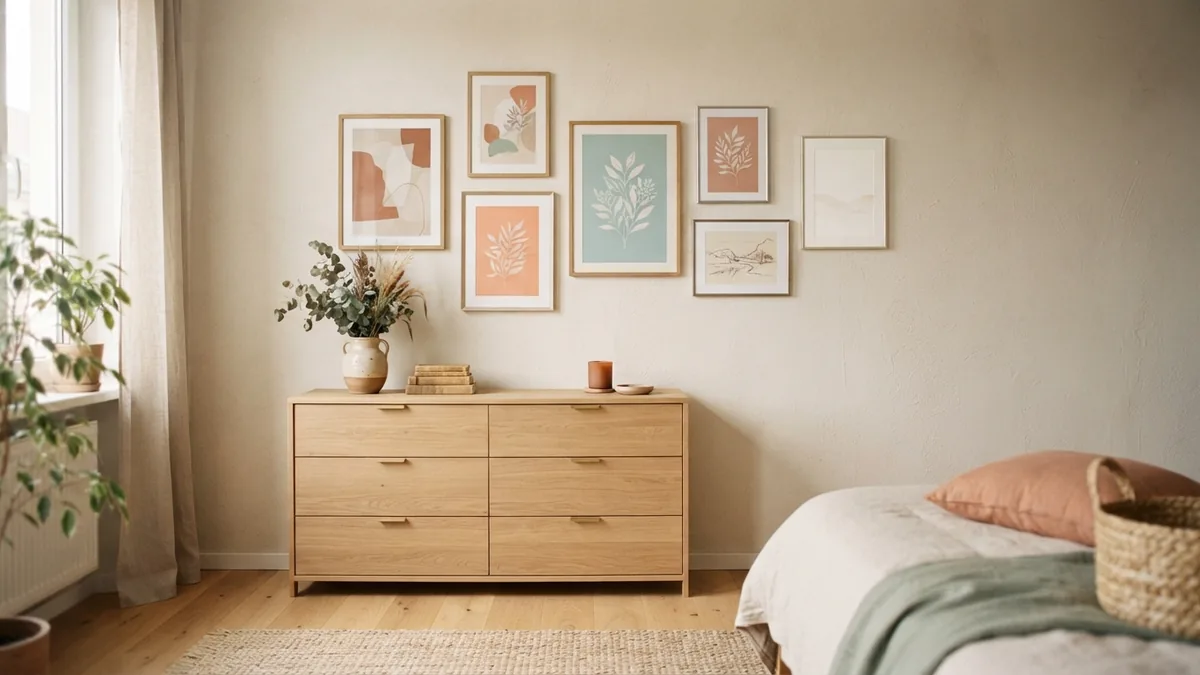
Art does not need to mean framed prints. A woven wall piece, ceramic plates, or a textile can add touch and shape. On a long bedroom wall, a pair of related pieces above a low dresser can feel restful without crowding the bed.
Use a mix of scale and spacing to avoid a row of objects that feels stiff. A large frame can anchor one end, while smaller pieces lead the eye toward a plant or lamp. Keep a few open spaces so the wall can breathe.
Use shelves and furniture with care
Shelves add storage and give a blank wall more depth. A long, low shelf works well in a living room or family room, while two or three short shelves can add rhythm above a desk. Leave open wall around each shelf so the whole length does not become a storage strip.
Mix books with a few ceramics, small plants, and framed pieces. Vary their heights, but leave some shelf space empty. In a small room, wall-mounted shelves can free floor space, while a slim console provides a place for keys, lamps, or baskets.
Furniture can also divide a long room into zones. Set a sofa across part of the space, then place a narrow console behind it. Keep furniture low if you want the room to feel open, and leave a clear path between each area.
For a bedroom, a low dresser or bench can balance a long wall without taking over. Check the depth before buying. A piece that projects too far may make a narrow route feel cramped.
Layer light along the wall
Good lighting helps a long wall feel warm after daylight fades. A single ceiling light can leave the ends of a room dim. Add two or three light sources at different points, such as a floor lamp near a chair and a table lamp beside the sofa.
Wall lights can draw attention to art or add a soft glow above a console. Space them in line with furniture or artwork, rather than at equal gaps across the whole wall. Choose warm bulbs for a relaxed feel, and check that the light does not glare from glass frames.
Natural light matters, too. Keep window areas clear and use light curtains that soften the sun. If one end of the room stays dim, a mirror can bounce daylight deeper into the space.
Create one clear focal point
A focal point gives the eye somewhere to land. It might be a large mirror, a mural, a striking artwork, or a tight cluster of objects above a console. Choose one main feature, then let smaller pieces support it.
A mirror works well across from a window or beside a seating area. It can reflect light and make a room feel more open. Pick a size that relates to the furniture below it, and avoid placing it where it reflects a cluttered corner.
A mural or painted shape can make a long wall feel designed rather than empty. Keep the pattern broad and simple in a small room. If you prefer movable decor, group a mirror, art, and a small wall shelf around one shared center point.
- Anchor the feature with a sofa, bed, console, or low cabinet.
- Keep nearby objects smaller and quieter than the main feature.
- Stand back from the doorway to check the view and room flow.
Make the wall feel personal
Personal touches keep a room from looking like a showroom. Display a few travel finds, family keepsakes, or objects made by hand. Pair them with simple pieces so the wall feels collected, not crowded.
Small DIY projects can fill an awkward gap without a big spend. Paint a simple arch behind a reading chair, make a fabric wall hanging, or build a slim picture ledge from pale wood. Test the size with paper cutouts before you paint or drill.
Let the wall change over time. Swap prints with the seasons, rotate objects on a shelf, or add one new piece after you live with the layout. The best answer to how to decorate a long wall in a living room, family room, or bedroom is a plan that suits how you use the space.
Start with one zone and build from there. A clear focal point, warm color, and a few useful pieces can make even a long, narrow room feel settled.
Frequently asked questions
- How do you decorate a long wall in a living room?
- Mark the main seating zone with art, paint, or a low console. Use more than one light source and leave clear space for walking.
- How can I make a long, narrow living room feel balanced?
- Use furniture to create two useful zones, such as seating and reading. Choose slim pieces and keep a clear path through the room.
- What art works best on a long wall?
- A large piece or a well-spaced group often suits a long wall better than one small frame. Repeat a color or frame finish to make the arrangement feel connected.
- Should I paint a long wall a dark color?
- A muted dark shade can add depth, especially on a short end wall. Test a sample in daylight and at night before painting the full surface.
- How do you decorate a long bedroom wall?
- Use calm art above the bed or dresser, then add a low piece of furniture if storage is needed. Keep the layout restful and leave enough room to move.
- How can I make a long wall feel less empty?
- Create a focal point with a mirror, mural, art cluster, or shelf. Add a second element only when it supports the main feature.
Related reading
Modern Kitchen Design: Form and Function
Plan a modern kitchen that balances clean style with everyday ease.
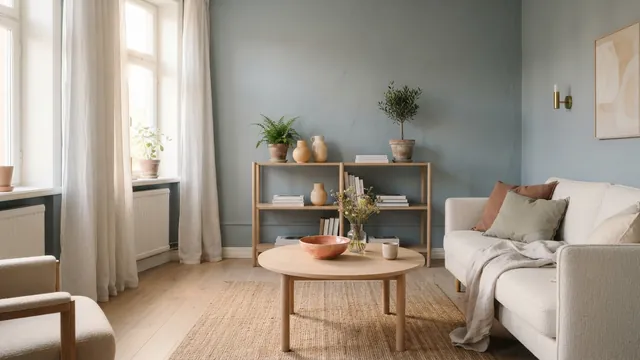
Curtains for a Blue Room — Color, Texture and Scale
Pair blue walls with curtains that suit your light, style, and room size.
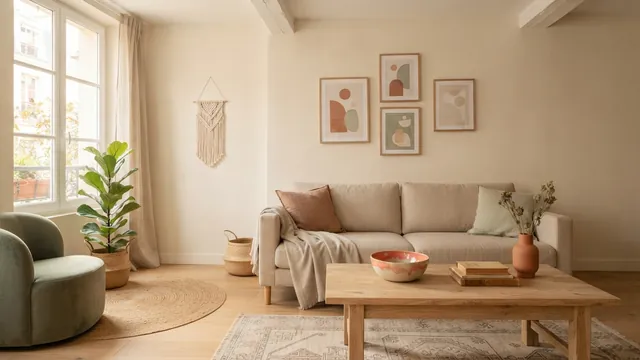
Furnishing a New House — Spend Wisely, Settle In
Plan your budget, buy the essentials first, and make each room feel like home.