Interior Design Styles—Character and Choice
Compare major interior design styles and find the right fit for your space.
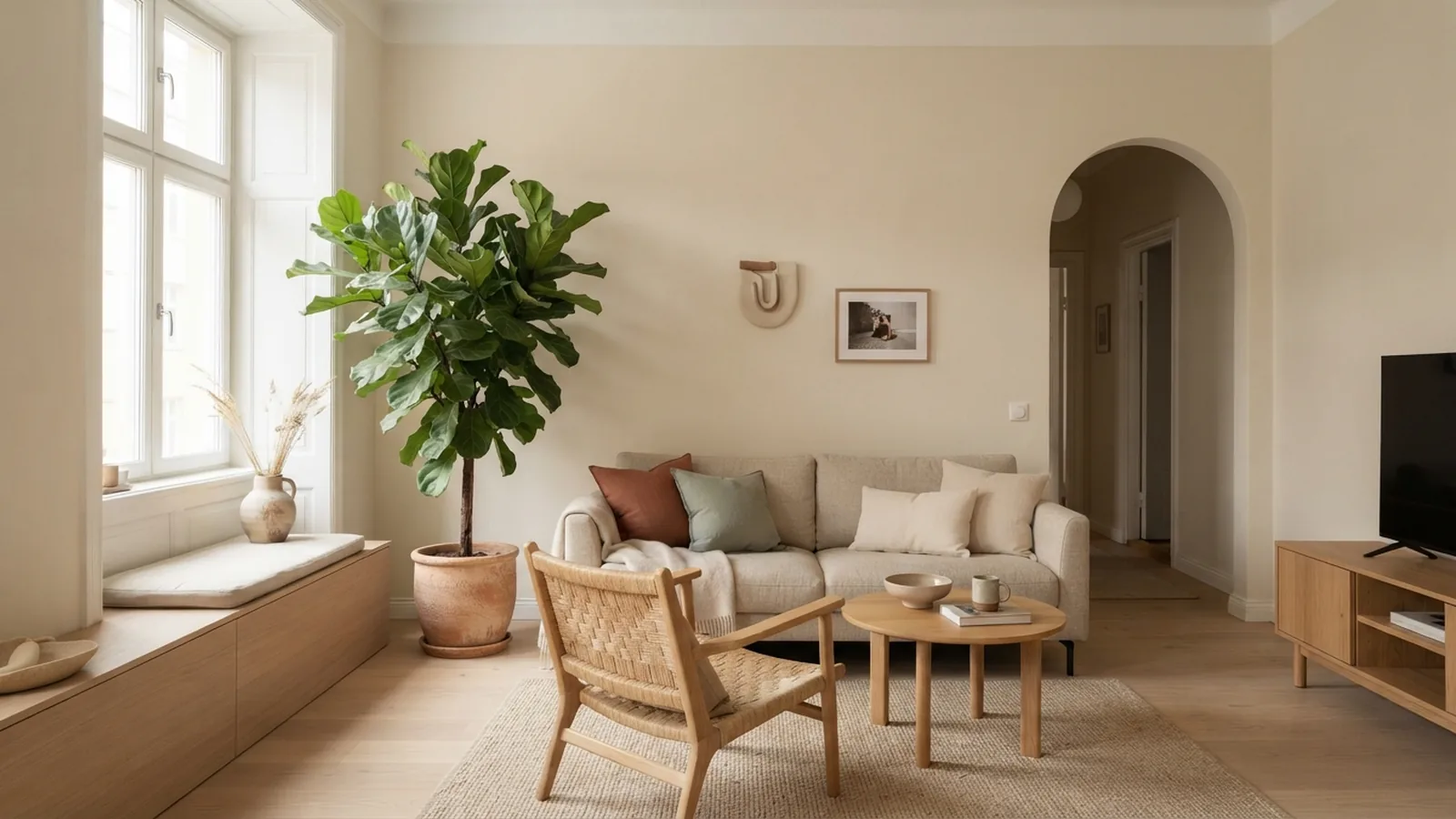
What Interior Design Styles Really Mean
Interior design styles are frameworks for shaping a room’s look, feel, and use. They guide choices such as color, furniture, light, materials, and layout. The main types of interior design reflect history, culture, place, and personal taste.
So, what are the different types of interior design styles? Common examples include Traditional, Modern, Contemporary, Minimalist, Bohemian, Industrial, Scandinavian, Rustic, and Mid-Century Modern design. Each style has clear signs, but none is a strict rulebook. You can adapt a style to suit your home, budget, and daily life.
Style works best as a design tool. It should help you make better choices, not limit your creativity. A small flat may need fewer pieces, while a large family home may need stronger storage and hard-wearing finishes.
History often explains why a style looks the way it does. Traditional rooms draw from older forms and craft. Modern rooms value clean lines and useful shapes. Coastal rooms borrow calm colors and light textures from seaside settings.
The Main Characteristics of Interior Design Styles
The characteristics of interior design styles show up through a group of linked choices. Look at the whole room, rather than one chair or paint color. A style feels clear when its parts support one another.
Start with the room’s structure. Notice the shape of the furniture, the amount of open space, and the flow between areas. Then study surface details, such as wood grain, woven cloth, stone, metal, or plaster.
- Color: Check the base tones, accent colors, and contrast level.
- Shape: Look for soft curves, sharp lines, or balanced forms.
- Material: Note wood, stone, glass, metal, linen, wool, and ceramic.
- Pattern: See whether prints feel plain, bold, aged, or hand-made.
- Light: Study window light, lamps, shade, and the room’s mood.
- Function: Ask how the room supports rest, work, meals, or storage.
These clues help you identify a room with more care. They also help you make intentional choices when designing from scratch. For example, pale oak, soft textiles, and simple forms point toward Scandinavian Design. Rich wood, symmetry, and classic trim suggest Traditional Design.
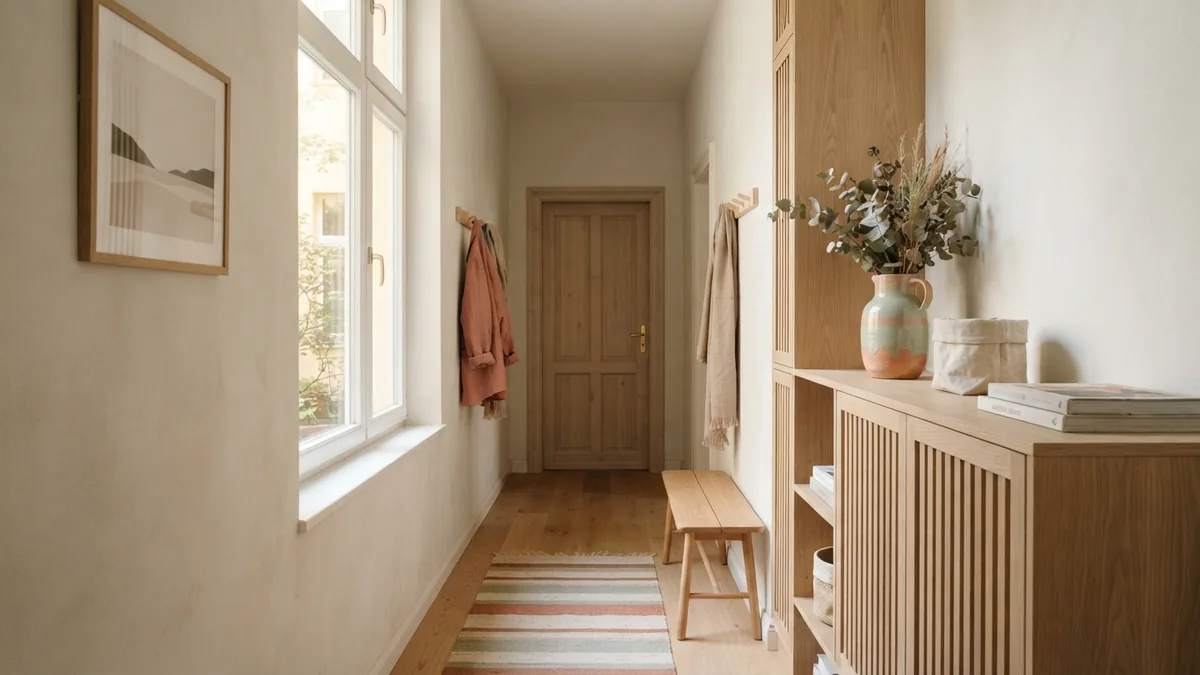
Popular Interior Design Styles at a Glance
The following styles cover many of the most popular interior design styles today. Their features may overlap. That overlap gives you room to create a home that feels fresh rather than staged.
| Style | Defining features | Useful for |
|---|---|---|
| Traditional | Symmetry, classic shapes, rich wood, layered fabrics | Warm rooms with a sense of history |
| Modern | Clean lines, simple forms, open space, useful materials | Orderly homes with little visual noise |
| Contemporary | Current shapes, calm color, curved details, fresh finishes | Flexible rooms that can change over time |
| Minimalist | Few objects, clear surfaces, quiet colors, strong function | Small spaces and calm daily routines |
| Bohemian | Layered textiles, art, plants, varied color, collected pieces | Relaxed rooms with personal character |
| Industrial | Exposed structure, metal, aged wood, strong utility | Lofts and rooms with bold raw features |
| Scandinavian | Light wood, pale tones, soft texture, simple comfort | Bright, warm, practical homes |
| Mid-Century Modern | Tapered legs, low forms, wood, simple graphic detail | Rooms with vintage shape and modern ease |
Modern Design and Contemporary Design are often confused. Modern Design refers to a design movement with roots in the early and mid twentieth century. Contemporary Design means what feels current now. It can borrow from many periods.
Minimalism removes excess, but it does not mean a room must feel bare. Good storage, warm materials, and a few useful objects can make a minimalist room feel inviting. Eclectic Design takes the opposite path. It joins different periods and styles through color, scale, or repeated materials.
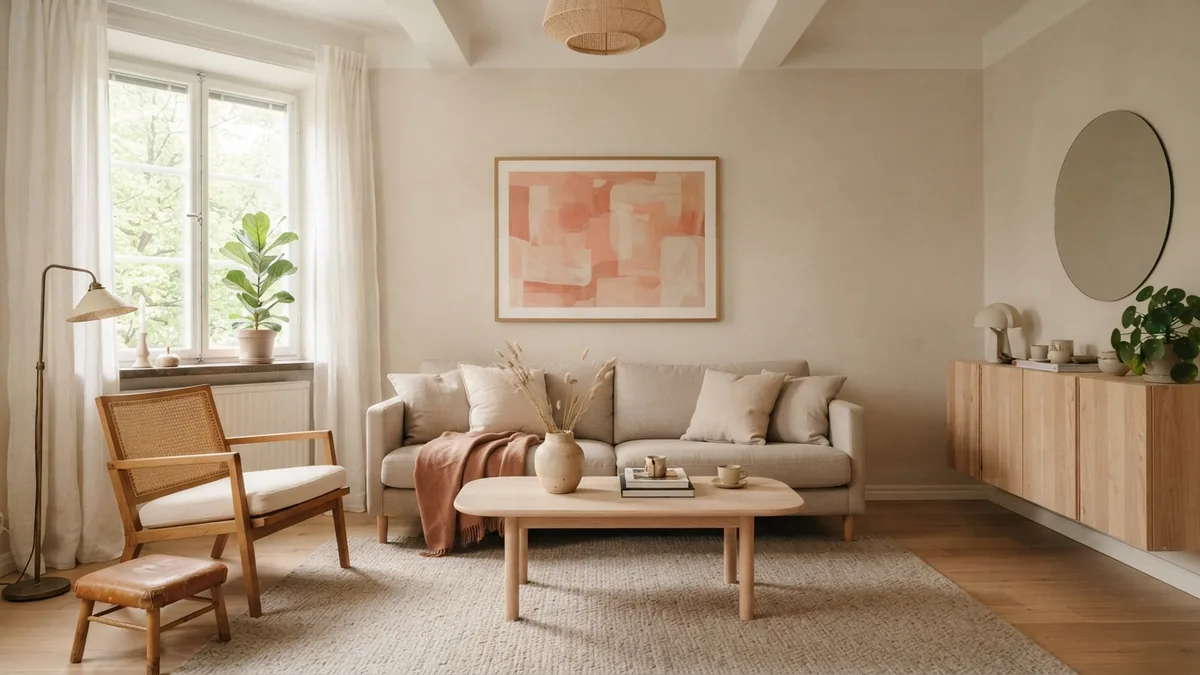
How to Choose an Interior Design Style
Choosing an interior design style starts with your real habits. Do not begin with a label alone. Begin with how you move, rest, work, host, and store items in the space.
Save room images that attract you. Gather at least 15 examples before looking for patterns. You may notice the same wood tone, color family, furniture shape, or level of detail across many rooms.
- List your needs. Note storage, seating, light, upkeep, and room use.
- Build a visual set. Save rooms, objects, colors, and materials you like.
- Find repeated clues. Mark the colors, shapes, and textures that appear often.
- Check the building. Work with ceiling height, windows, floors, and fixed details.
- Set a simple palette. Pick one base color, two supporting tones, and one accent.
- Test small pieces first. Try paint cards, fabric samples, or one side table.
Scale matters as much as style. A large sofa can crowd a narrow room, even if its shape suits your taste. Measure key walls and paths before buying major furniture. Leave about 75 centimetres for a main walkway when the room allows it.
Also think about upkeep. A white boucle chair may suit a calm room, but it may not suit a busy home. Choose washable covers, strong rugs, and closed storage when daily use demands them.
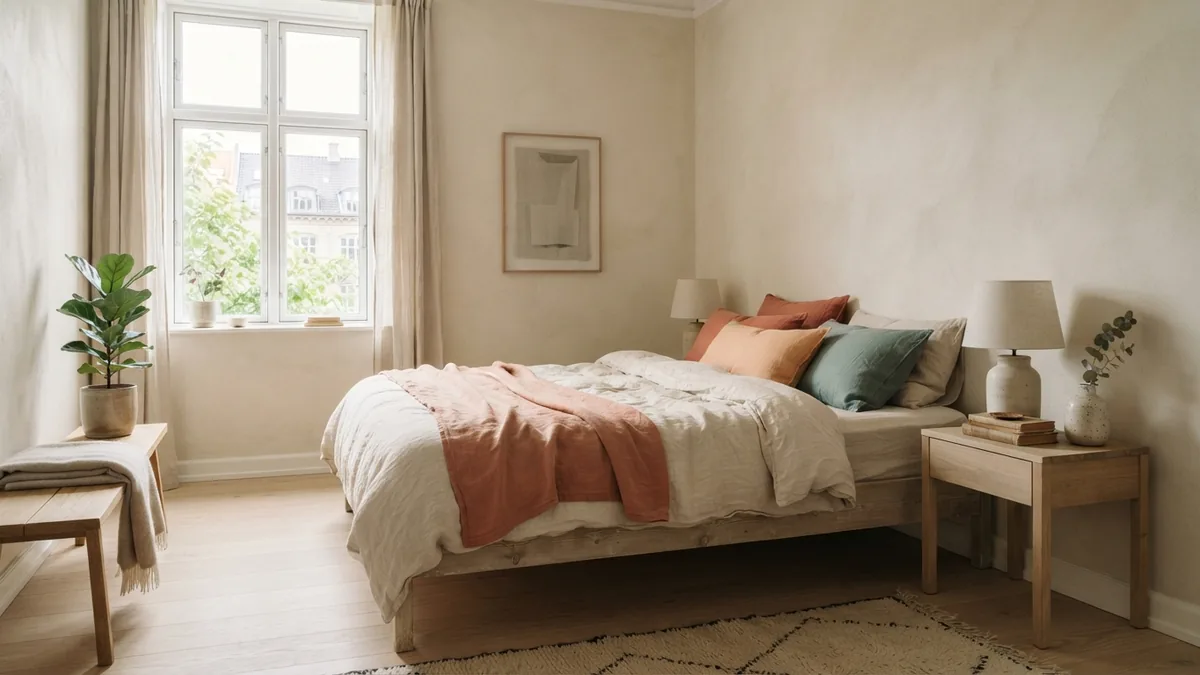
Mixing Interior Design Styles Without Losing Focus
Mixing design styles is common. It can create a home that feels personal and collected. The goal is not to make every item match. The goal is to create links between different pieces.
Choose one main style for the room. Let it guide about 70 percent of the furniture and finishes. Add a second style through the remaining 30 percent. This ratio is not a rule, but it helps the room keep a clear point of view.
- Repeat one color across furniture, art, and soft goods.
- Use one wood tone to connect pieces from different periods.
- Balance a bold shape with quieter forms nearby.
- Mix old and new pieces at a similar scale.
- Keep the floor and wall base calm when furniture feels varied.
Transitional Design offers a useful middle ground. It joins classic forms with clean, current lines. A traditional wood table can work beside a plain sofa when both share a warm finish and similar size.
Try the same approach with Rustic Style and Scandinavian Design. Add aged wood to a light room, then keep the rest simple. The mix feels warm without becoming heavy.
Finding Your Personal Design Style
Your personal style comes from repeated choices, not one shopping trip. It may change as your home, work, or family needs change. A useful style should support your life as well as express your taste.
Ask yourself which rooms feel most comfortable. Notice what you keep, repair, and display. Those choices often reveal more than trend boards do. You may prefer the calm of Minimalism but still need the texture of Bohemian Style.
Make a short style brief for each room. Write down the mood, key materials, must-have items, and things to avoid. For example, a bedroom brief might say: warm, quiet, pale wood, linen, low clutter, and no glossy finishes.
Then make changes in layers. Start with fixed elements, such as floors, walls, and large storage. Add large furniture next. Finish with lamps, textiles, art, ceramics, and plants. This order reduces costly mistakes.
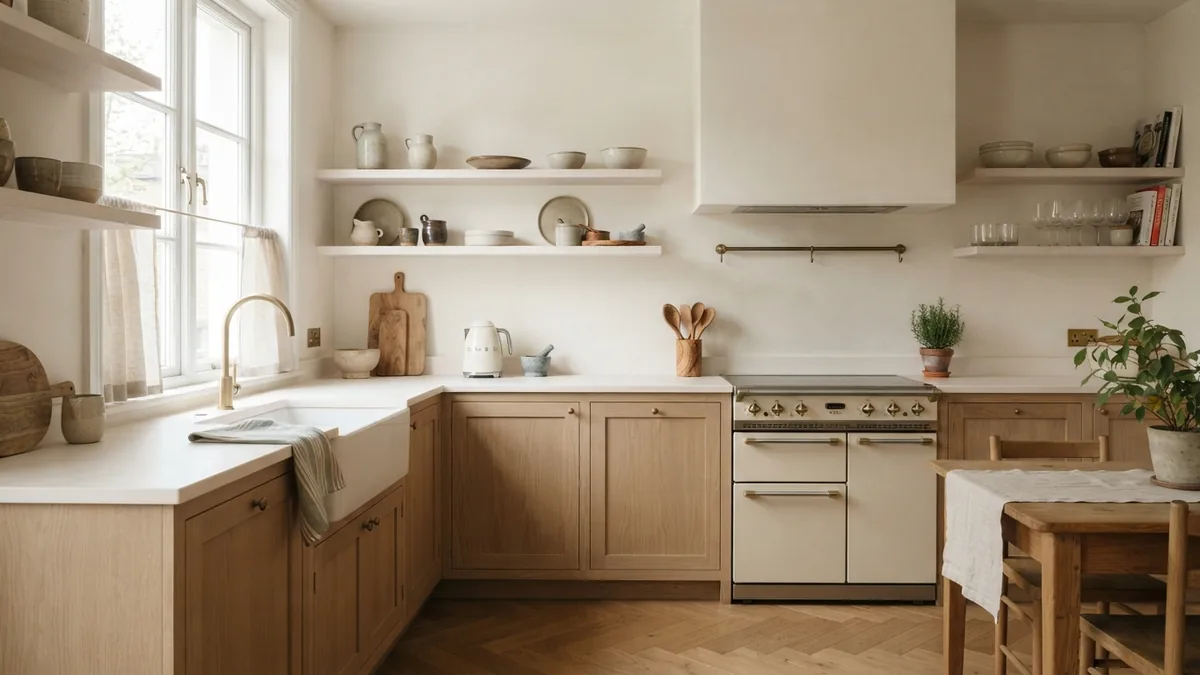
Putting Interior Design Choices Into Practice
A strong room does not need a large budget. It needs a clear plan and careful editing. Spend first on items that affect comfort, use, and scale.
Use paint and textiles to test a direction before making major changes. A linen curtain, wool rug, or painted wall can shift a room’s mood fast. Live with the change for several days before adding more layers.
- Measure the room and mark furniture footprints on the floor.
- Choose one anchor item, such as a sofa, table, or bed.
- Build the palette around that item.
- Add lighting at more than one height.
- Keep empty space around the room’s main focal point.
- Remove items that repeat a function or add visual noise.
Review the room from the doorway and from each main seat. Check sight lines, movement, and balance. A room can look attractive in a picture yet feel awkward in daily use.
The best types of interior design give you a helpful starting point. Your final room can borrow from several styles. What matters most is a clear mood, useful planning, and choices that feel like yours.
Frequently asked questions
- What are the different types of interior design styles?
- Common types include Traditional, Modern, Contemporary, Minimalist, Bohemian, Industrial, Scandinavian, Rustic, and Mid-Century Modern. Many homes combine two or more styles.
- How do I identify my interior design style?
- Collect room images you like and look for repeated colors, shapes, materials, and moods. Your favorite objects and daily habits also reveal your style.
- What is the difference between modern and contemporary design?
- Modern Design refers to a design movement linked to the twentieth century. Contemporary Design describes what feels current and may draw from many periods.
- Can I mix different interior design styles?
- Yes. Choose one main style, then add a smaller amount of a second style. Repeat colors, materials, or scale to keep the room connected.
- How do I choose an interior design style for a small room?
- Start with your room’s function and storage needs. Light colors, simple shapes, and open floor space can make a small room feel calmer and larger.
Related reading
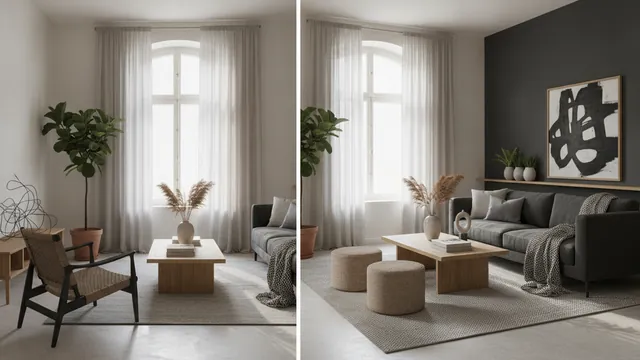
What Is My Interior Style? Find Yours and Apply It at Home
Find your interior style fast, then apply it to your home decor.
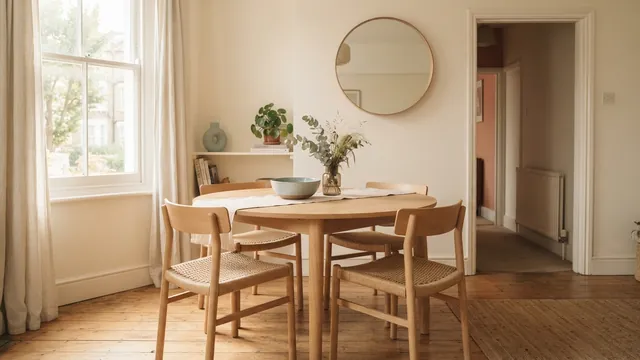
Dining Table Clearance — Space for Chairs and Walkways
Plan table and chair clearances for a dining area that feels comfortable.
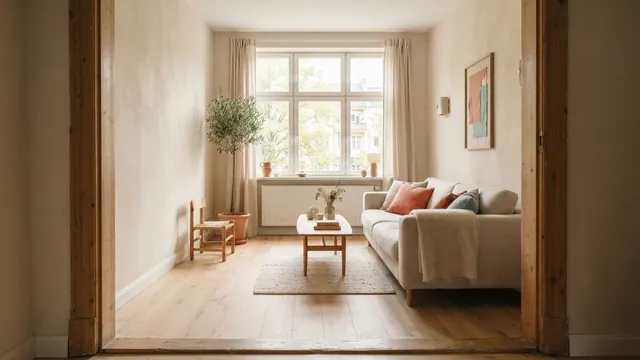
Narrow Rooms — Paint, Light and Space
Use paint, light and smart furniture placement to open up a narrow room.