How Much Does It Cost to Hire a Painter for a Room?
Paint a room for about $400–$1,600. Learn the price drivers and estimate ranges.
Understanding Painting Costs
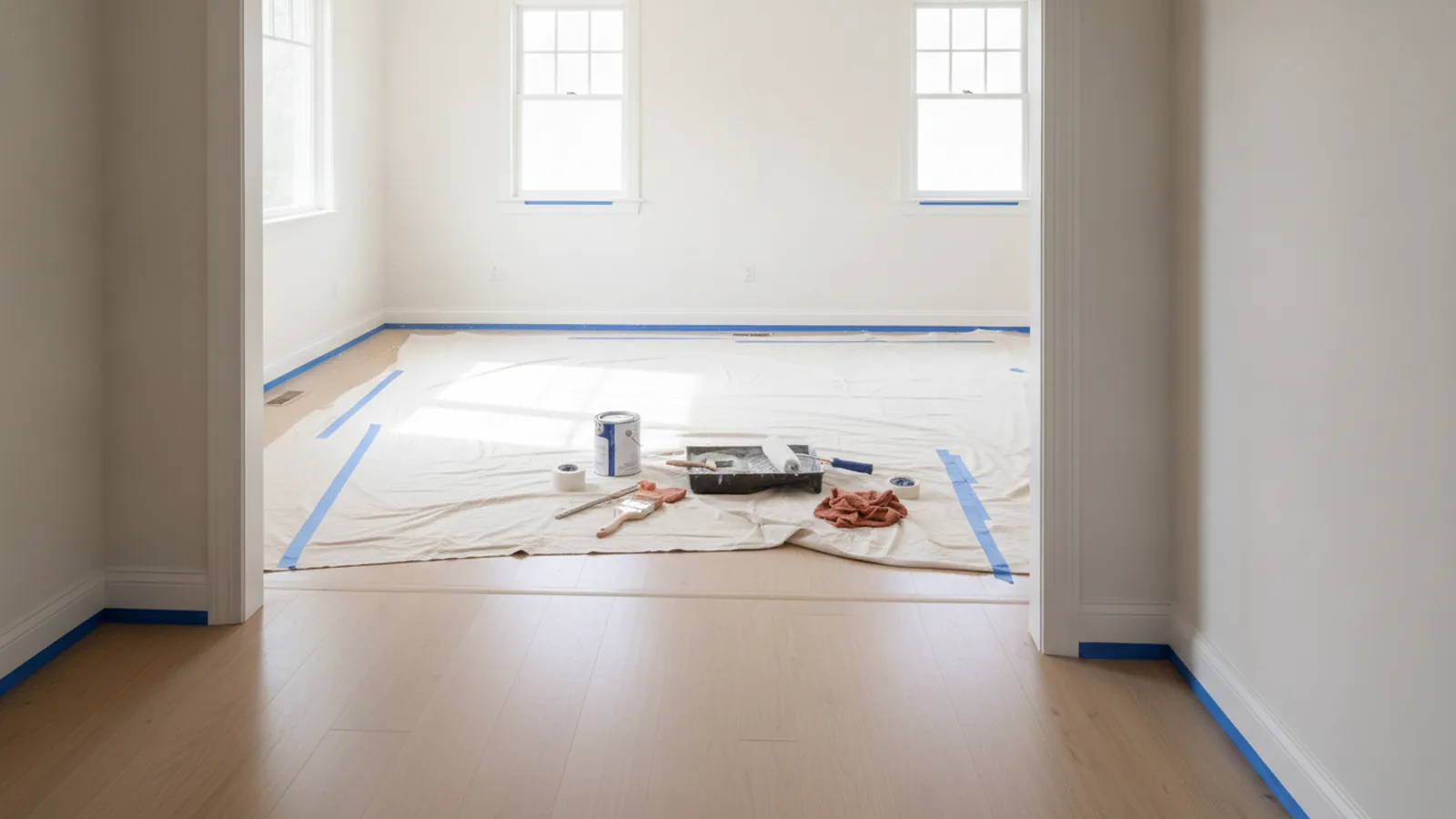
If you’re wondering how much for a painter to paint a room, the common range is $400 to $1,600. The typical or average cost lands around $1,100, assuming a standard room with normal wall condition. That total often surprises people because painting is not just rolling color on walls. Most of the time goes into prep work, protection, and careful finishing.
When you ask how much does a painter charge for a room, you’re really asking how a pro priced three things together. It includes labor costs for prep and brushwork. It includes materials like paint, primer, caulk, and supplies. It can also include added time for moving items, masking edges, and working around trim.
What Drives Painter Pricing Up or Down
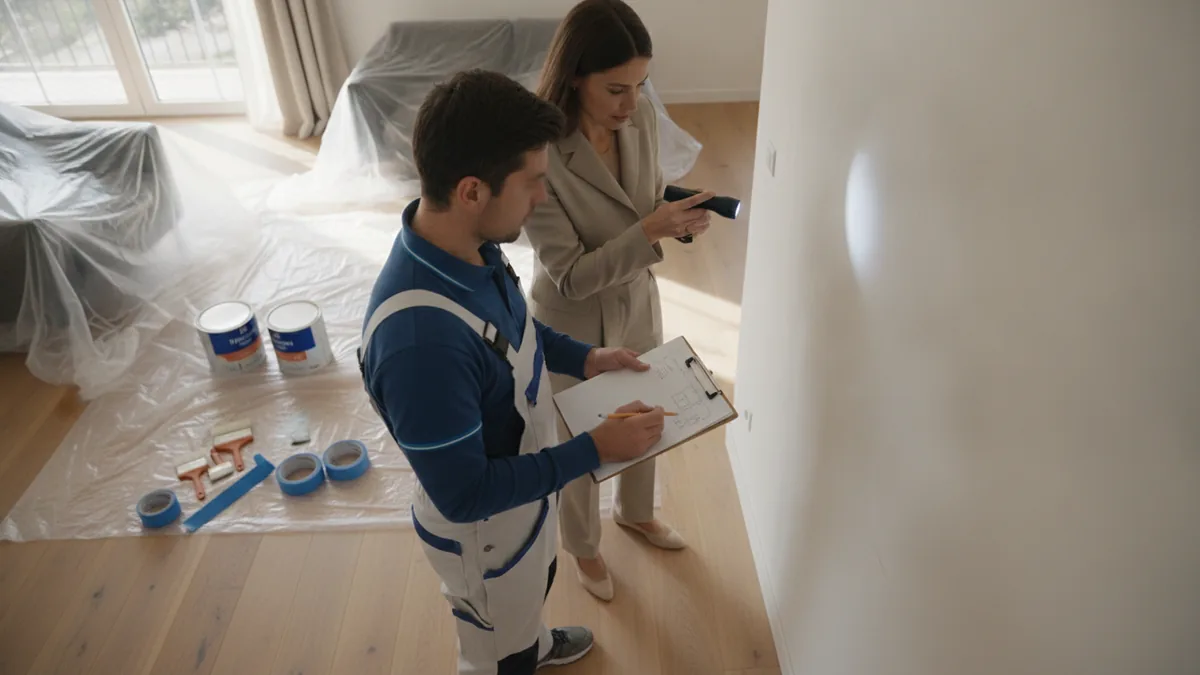
Painter pricing varies by scope. So how much should a painter charge per room depends on what the job really includes. A simple repaint of previously painted walls costs far less than fixing cracks, sanding rough patches, and repainting after repairs.
Here are the biggest pricing drivers you’ll see in real quotes.
- Prep work and wall condition: Cracks, peeling paint, stains, and patchy drywall can add hours. Fixing those issues is part of labor costs.
- Room size and ceiling height: Larger rooms need more paint and more time for cutting edges. Taller ceilings raise the time for setup and careful edging.
- Architectural details: Trim, molding, wainscoting, and built-ins add masking and extra brushwork. Expect higher labor time for details.
- Paint quality and finish: Higher paint quality can cost more per gallon. It can also cover better, require fewer coats, and hold up longer.
- Local factors: Cost of living and seasonal demand can move rates. Busy seasons often increase quotes and reduce scheduling flexibility.
These factors also affect how long should a painter take to paint a room. For example, a clean, empty room with smooth walls can be faster than a room with texture, repair spots, and lots of corners. Even within the same house, each room can have a different duration of job.
Average Costs for Room Painting (So You Can Sanity-Check Quotes)
For a quick benchmark, the total cost to paint a room usually falls between $400 and $1,600. The average sits around $1,100. If your quote is far outside that band, ask what’s driving the difference. Often the answer is ceiling height, wall repairs, or added trim work.
Pricing can also change depending on whether you’re painting just walls, or walls plus ceilings. Ceilings usually add time for cutting-in and protection. They also increase how much paint the job needs, especially with deeper colors or imperfect surfaces.
To answer how much a painter charge per room, focus on the “why” behind the number. A quote that includes primer, repairs, and detailed edging usually prices prep as part of the job, not an extra. A lower quote may assume walls are already in good shape.
| Scope example | Typical total range |
|---|---|
| 1 room, walls only, good condition | $400–$900 |
| 1 room, walls + ceiling, normal wear | $800–$1,400 |
| 1 room, repairs + trim details | $1,200–$1,600+ |
Cost per Square Foot Explained (And How It Ties to Room Size)
Most professionals also think in terms of cost per square foot. The national average cost per square foot typically ranges from $2 to $10. The wide band comes from paint quality, wall condition, how many coats are needed, and how complex the room is.
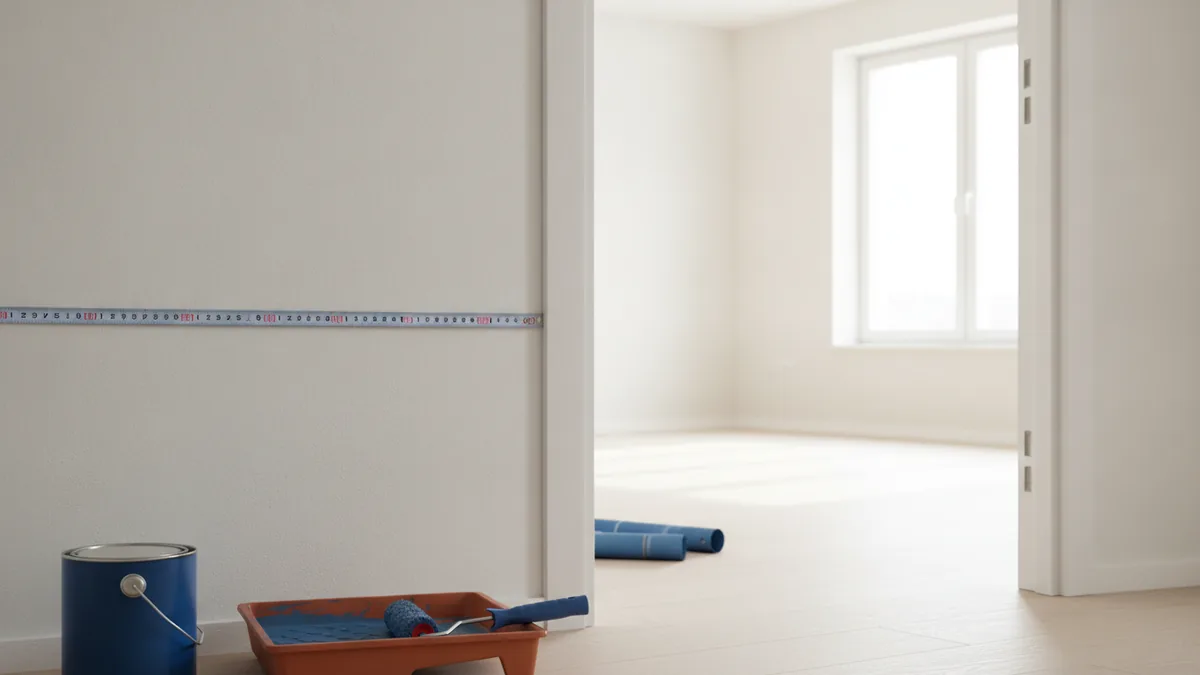
To estimate your own cost per square foot, start with room size and subtract what doesn’t need paint. For walls, multiply wall area by the number of coats. If the walls have stains or repairs, primer and additional coats can raise the effective cost.
Because room size and ceiling height matter so much, two rooms with the same floor area can price differently. A tall room has more wall area, more time for ladders, and more paint consumption. That’s why how much painter charge per room can swing even when the furniture layout looks similar.
A simple way to sanity-check a quote is to ask for their method. You can ask: “How did you calculate the square footage, and how many coats are included?” A strong quote will explain prep work, paint quality, and the expected duration of job.
Labor vs Materials: Why Prep Work Makes Labor Costs So High
Labor typically makes up about 60% to 90% of the total painting cost. That’s because prep work is usually the largest part of the job. It includes protecting floors and fixtures, patching holes, sanding rough areas, and spot-priming stains.
Materials are not cheap, but they’re often a smaller share than people expect. Paint itself, primer when needed, caulk, sandpaper, tape, rollers, brushes, and cleaning supplies all add up. Still, most homeowners feel the impact through labor because that time is tied to wall condition and finish quality goals.
When wall condition is poor, labor costs rise quickly. Peeling paint requires scraping and smoothing. Cracks can need patching and sometimes multiple prep steps. Stains may need a specific primer so the stain does not bleed through later coats.
- Labor costs commonly include: prep work, masking, sanding, patching, priming where needed, and careful brushwork at edges.
- Materials commonly include: paint, primer, patch products, caulk, and cleanup supplies.
- Time often rises with: trim, molding, texture, and ceiling height.
If you want to estimate how much should a painter charge to paint a room, you can also ask what’s included in labor. For example, do they move furniture, or does the homeowner handle it? Do they repair minor drywall damage, or is that billed separately?
Tips for Budgeting Your Project (And Getting a Fair Quote)
Budgeting for painting starts with choosing the scope and finish you truly want. Ask a professional painter for a clear plan. That plan should cover prep work, surface repairs, number of coats, and what’s included in their duration of job estimate.
Here are practical steps to keep costs predictable.
- Confirm what’s included: Ask if the quote covers primer, repairs, and ceiling painting. Make sure trim work is addressed.
- Measure room size and ceiling height: Provide approximate dimensions so the estimate matches reality. Taller rooms often need extra setup time.
- Inspect wall condition up front: Identify peeling spots, cracks, water marks, or patched areas. That lets the painter price the true prep work.
- Pick paint quality with intent: Decide between basic and higher quality paint based on coverage and durability. Better paint can reduce rework and improve long-term looks.
- Plan for seasonal pricing: Ask about scheduling windows. Quotes can be higher during busy seasons.
Finally, think about value, not just the lowest bid. If your goal is a clean finish that lasts, paint quality and proper prep work usually matter more than shaving a few hundred dollars off labor. When you compare quotes, compare the full scope, not only the final number.
If you’re trying to answer “how much would a painter charge to paint a room,” use the $400 to $1,600 range as your guide. Then adjust for room size, ceiling height, wall condition, and architectural details. That approach makes it much easier to spot unrealistic lowball quotes or overpriced assumptions.
FAQ: Quick Answers to Common Pricing Questions
How much is a painter per room? In most cases, room painting totals land between $400 and $1,600, with an average around $1,100. Your exact price depends on prep work and room complexity.
How much should a painter charge per room for a bedroom? Bedrooms are often similar to other rooms unless there’s heavy repair, lots of trim, or a high ceiling. A fair quote still reflects wall condition and paint plan.
How long should a painter take to paint a room? It depends on prep work, wall condition, and whether you include ceiling painting. A simple room can be faster, while repairs and details add time.
How much does a painter charge for a room by square foot? Many quotes land around $2 to $10 per square foot nationally. The final number depends on paint quality, number of coats, and the time needed for prep work.
How much painter charge per room if the walls have cracks or peeling paint? Expect higher labor costs because repairs take time and can require primer and smoothing steps. Use that as a clue that the quote is properly accounting for prep.
Frequently asked questions
- How much for a painter to paint a room in total?
- Most room painting jobs cost $400–$1,600, with an average around $1,100. Prep work and wall condition are common reasons for changes within that range.
- How much should a painter charge per room?
- A fair price depends on scope, wall condition, ceiling height, and whether primer and repairs are included. Many quotes also align with a cost per square foot between $2 and $10.
- How long should a painter take to paint a room?
- The timeline depends on prep work, number of coats, and architectural details. Rooms with cracks, peeling paint, or trim usually take longer than simple repaints.
- How much does a painter charge for a room by square foot?
- Nationally, room painting often prices around $2–$10 per square foot. Higher-end paint, more prep, and complex surfaces tend to push the rate upward.
- How much does a painter charge to paint a bedroom?
- Bedrooms are often priced like other rooms unless they need extra repairs or have lots of trim. Wall condition and ceiling height still drive most of the labor time.
Related reading

Room Painting Labor Costs — Rates and Budget Factors
See typical room-painting labor rates and learn what drives the final price.
Kitchen Renovation Costs — Price Ranges and Budget Factors
See typical kitchen remodel prices, key cost drivers, and ways to keep your budget on track.
Large Living Room Walls — Scale, Style, and Warmth
Use scale, art, texture, shelves, and light to make a large wall feel balanced.