How to Price Painting a Room and Estimate Interior Costs
Estimate room painting costs with clear steps for labor, paint, prep, and cleanup.
Understanding the Factors That Affect Price
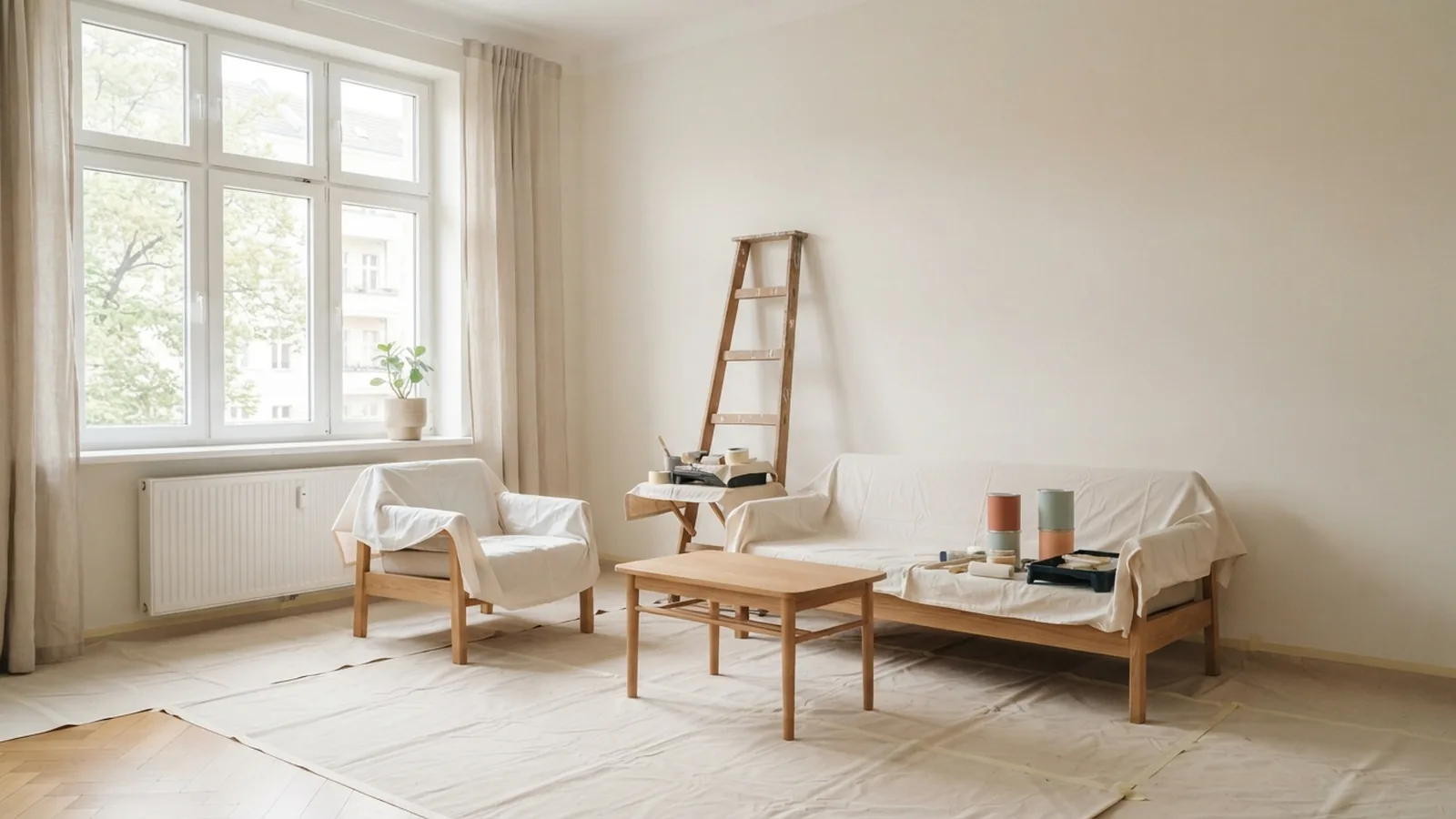
The cost to paint a room usually falls between $400 and $1,600. Most jobs cost $2 to $10 per paintable square foot. That range often includes labor and materials.
Labor may make up 60% to 90% of the final bill. Prep work and cleanup can take more time than the paint work. Wall repairs, tall ceilings, trim, and paint type can raise the price.
If you ask, “what is the going rate for painting a room,” expect a wide range. A small, plain bedroom may cost less than a large living room. Detailed trim can change the quote fast.
- Basic room with sound walls: about $400 to $800
- Average room with repairs and two coats: about $800 to $1,200
- Large or detailed room: about $1,200 to $1,600 or more
Room design can affect the work plan, too. When designing a room what do you start with? Start with the room’s use, light, and wall condition.
How to Estimate Painting Costs by Square Foot
To learn how to estimate painting a room, measure each wall first. Multiply its width by its height. Add the wall areas before removing doors and windows.
Next, measure the ceiling if it will be painted. Multiply the room length by its width. Subtract large openings from the wall total.
A 12-by-14-foot room with eight-foot walls has 416 square feet of wall area. A ceiling adds 168 square feet. After subtracting 40 square feet, the total is 544 square feet.
At $2 to $10 per square foot, that total gives $1,088 to $5,440. This range may look high for one room. Some painters price walls, ceilings, and trim as separate surfaces.
- Measure every wall width and height.
- Add the wall areas together.
- Subtract doors and windows.
- Add the ceiling when included.
- Ask if trim and doors use a separate rate.
- Multiply the area by the quoted rate.
This process shows how to price painting a room before requesting bids. It also helps spot vague flat-rate quotes. Keep your measurements with each estimate.
Preparation and Materials Needed
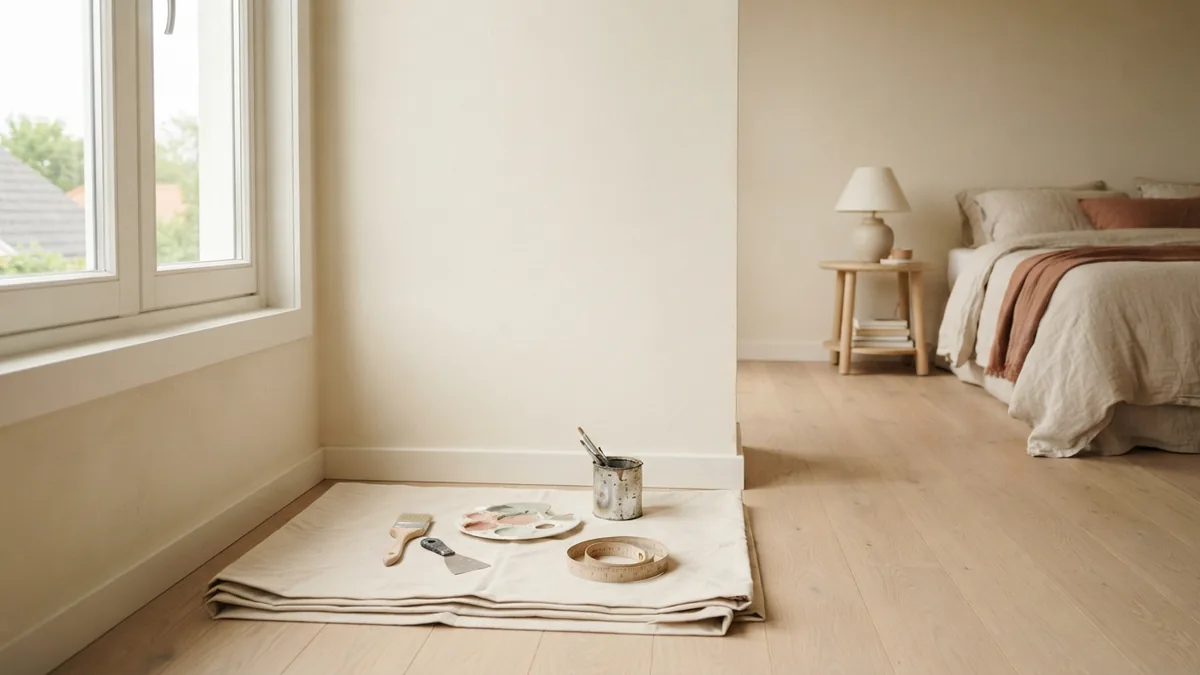
Good prep protects the finish and keeps the job on track. If you ask what to do before painting a room, begin by clearing the walls. Remove art, curtains, switch plates, and small furniture.
Clean dusty or greasy walls before sanding or painting. Fill nail holes and small cracks with patching compound. Sand rough spots after the filler dries.
What is needed for painting a room? Most jobs need rollers, brushes, trays, tape, drop cloths, filler, sandpaper, and a ladder.
- Primer for stains, bare patches, or bold color changes
- Drop cloths for floors and nearby furniture
- Fine sandpaper for smooth wall repairs
- Closed shoes and old clothes for safe work
- Eye protection when sanding or working overhead
For what to wear when painting a room, choose old clothes and closed shoes. Wear eye protection during sanding. Use a mask when dust builds up.
Paint labels list coverage per gallon. Rough walls often use more paint. Buy enough for every planned coat, but avoid large leftovers.
Where to Start and What to Paint First
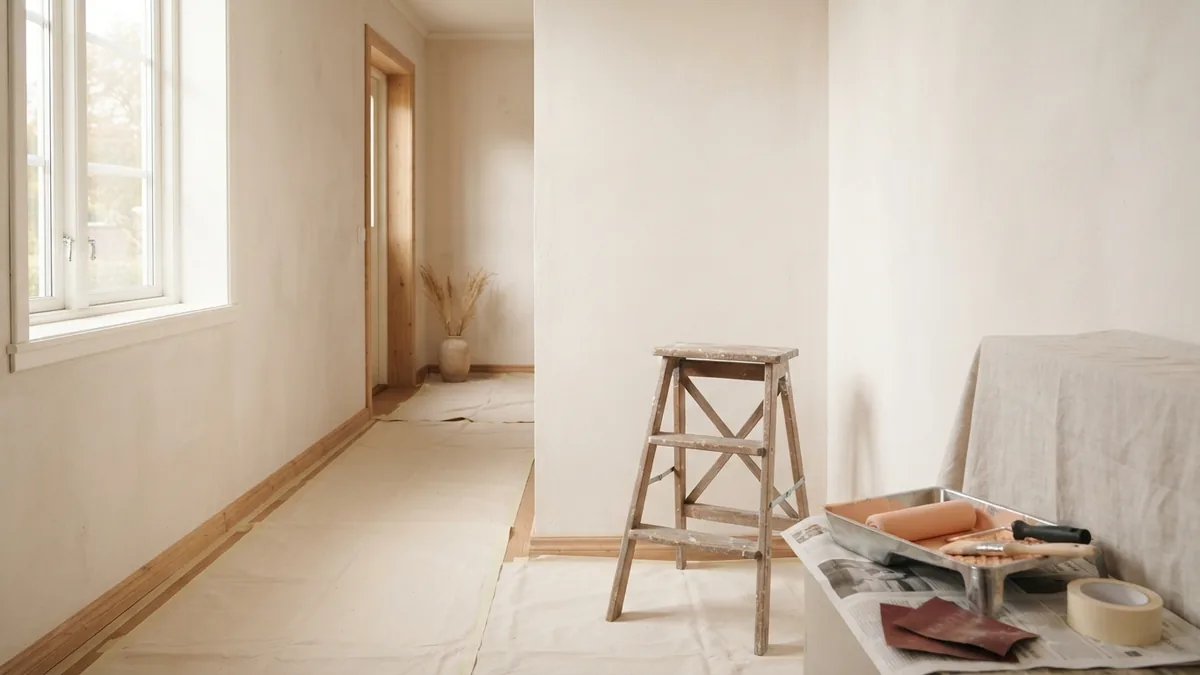
When painting a room where do you start? Begin with repairs and surface prep. Then cover the floor before opening the paint.
Many painters follow this order: ceiling, walls, trim, and doors. This answers when painting a room what gets painted first. It also keeps drips away from finished surfaces.
When painting a room, do you paint the ceiling? Paint it first when the ceiling is part of the job. Use a small brush around the edge, then roll across the main area.
When painting a room, what order should you follow? Work from the highest surface to the lowest. Let each coat dry before adding the next coat.
- Repair holes, cracks, stains, and peeling areas.
- Cover floors, fixtures, and fixed furniture.
- Paint the ceiling if the quote includes it.
- Cut in the wall edges with a brush.
- Roll the walls in small sections.
- Finish trim and doors after the walls dry.
When painting a room what should be painted first? The ceiling is the usual answer. When painting a room what to paint first may change if the ceiling stays untouched.
When painting a room where do I start if I paint two colors? Start with the lighter color. Let it dry fully before marking the next edge.
Color Choices and Two-Tone Walls
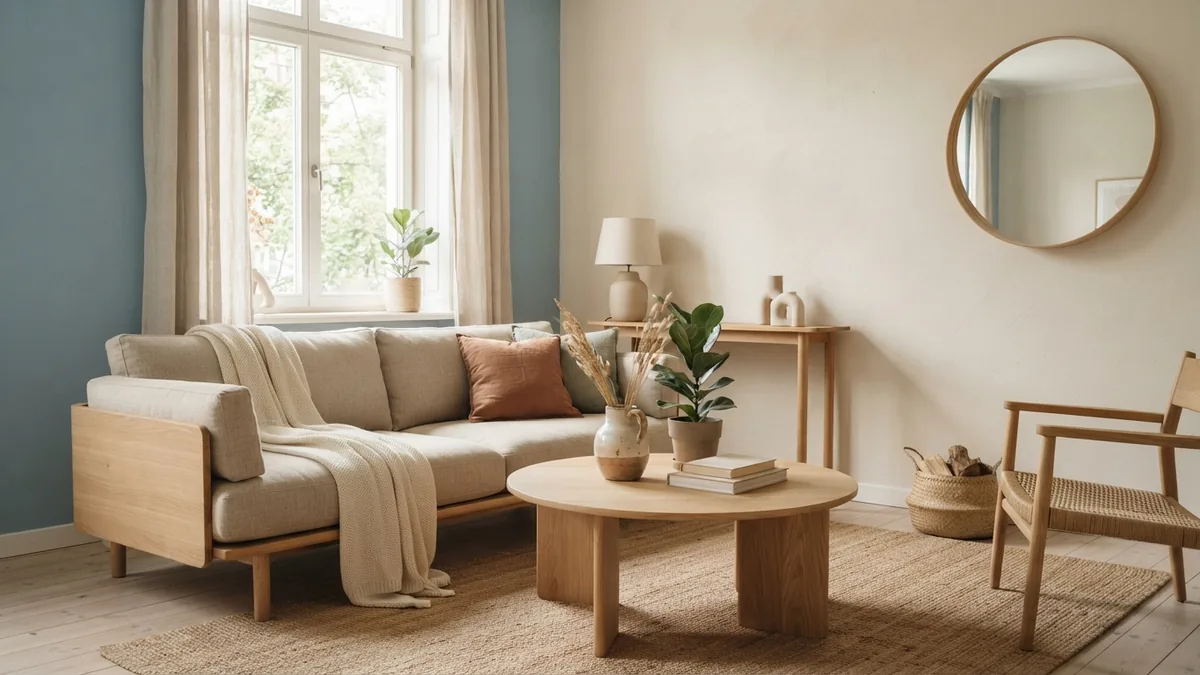
When painting a room with two colors, use a clean plan for the edge. Paint the lighter shade first. Then tape the dry wall before adding the darker shade.
When painting a room two colors which walls should change? Use the wall you want to feature. A short end wall can make a long room feel more balanced.
Will painting a room blue make it seem brighter? Pale blue can feel airy in strong daylight. A dark blue may make the room feel smaller.
Light matters more than color alone. Test a sample near each window. Check it in morning, afternoon, and evening light.
Paint quality can lower long-term costs. Better paint may cover well with fewer coats. It may also resist marks and washing.
Labor Considerations and Room Pricing
Labor costs cover setup, protection, repairs, painting, drying time, and cleanup. The paint work may take only part of the day. Prep often shapes the final look.
A painter may charge by the hour, room, or full job. Hourly pricing suits small repairs and unclear wall conditions. Flat quotes work well when the room scope is clear.
Ask what the labor price includes before accepting a bid. One quote may include ceilings and trim. Another may cover walls only.
| Question to ask | Why it matters |
|---|---|
| How many coats are included? | Extra coats can raise labor and paint costs |
| Are repairs included? | Patch work may add several hours |
| Are ceilings and trim included? | These surfaces need extra care |
| Who buys paint and supplies? | The answer changes the final bill |
Smaller rooms may cost less, but size is not the only factor. High ceilings, poor access, and detailed trim can add more work.
Cost-Saving Tips for Interior Painting
You can lower the bill by doing simple prep work yourself. Remove wall items and move small furniture before the painter arrives. Ask which repairs you may handle safely.
Keep the color change modest when possible. Strong shifts may need primer and extra coats. A fresh coat in a close shade often costs less.
- Get at least three clear quotes.
- Give each painter the same room details.
- Confirm the number of coats in writing.
- Ask about walls, ceiling, trim, doors, and repairs.
- Buy paint during a sale if the painter allows it.
Do not choose a low quote without checking its scope. A cheap bid may exclude repairs or cleanup. Compare the full work plan, not just the total.
How to Clean Up After Painting a Room
Knowing how to clean up after painting a room protects the new finish. Remove tape while the last coat still feels slightly soft. Pull it back slowly at a low angle.
Wash brushes and rollers based on the paint type. Water-based paint needs soap and water. Oil-based paint needs the cleaner listed on its label.
Seal leftover paint in a marked, closed container. Keep it away from heat and children. Follow local rules for disposal of unwanted paint.
Painting can also count as light activity. People often ask how many calories are burned painting a room. The answer depends on body size, pace, tools, and time.
Searchers also ask how many calories burned painting a room or how many calories do you burn painting a room. There is no single safe number. Treat painting as a task, not a workout plan.
Finally, let the paint cure before heavy washing or moving furniture. Dry time and cure time are different. Follow the product label for the best result.
Common Questions Before You Begin
How to start painting a room?
Clear the room, repair the walls, protect the floor, and plan the paint order. Start high and work down.
When painting a room it is best to start with what?
Start with wall repairs and prep. Paint the ceiling next when it is included.
When painting a room, what do you paint first?
Paint the ceiling first, then the walls. Finish with trim and doors.
When are we painting the living room in Spanish?
The Spanish phrase is “¿Cuándo pintamos la sala?” This means “When are we painting the living room?”
What to know before painting a room?
Know the wall condition, paint coverage, coat count, room size, and full quote scope. These details shape the final cost.
Frequently asked questions
- How much does it cost to paint a room?
- Most rooms cost $400 to $1,600. Size, wall condition, paint type, trim, and labor shape the final bill.
- What is the going rate for painting a room?
- Many jobs cost $2 to $10 per paintable square foot. Ask what surfaces and coats the rate includes.
- When painting a room, what do you paint first?
- Paint the ceiling first when included. Then paint the walls, trim, and doors.
- How do you estimate painting a room?
- Measure each wall, subtract doors and windows, then add the ceiling. Multiply the paintable area by the quoted rate.
- How do you clean up after painting a room?
- Remove tape with care, wash tools by paint type, seal leftover paint, and follow local disposal rules.
- How many calories do you burn painting a room?
- The amount varies by body size, pace, tools, and time. Painting should not replace planned exercise.
Related reading
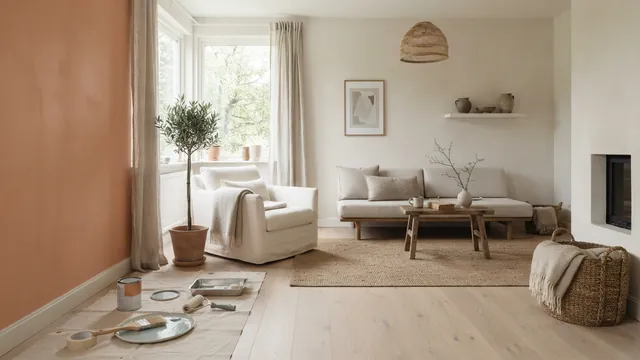
Room Painting Labor Costs — Rates and Budget Factors
See typical room-painting labor rates and learn what drives the final price.
Room Squaring — Set the Floor Lines Right
Set accurate floor lines before you start laying planks or boards.
Interior Designer Qualifications — Education, Skills and Career Paths
Explore the education, skills, experience, and state rules needed for an interior design career.