How to Charge for Painting a Room: Costs, Factors, and Pricing
Fair interior painting pricing: labor, materials, and prep costs—plus average cost per square foot.
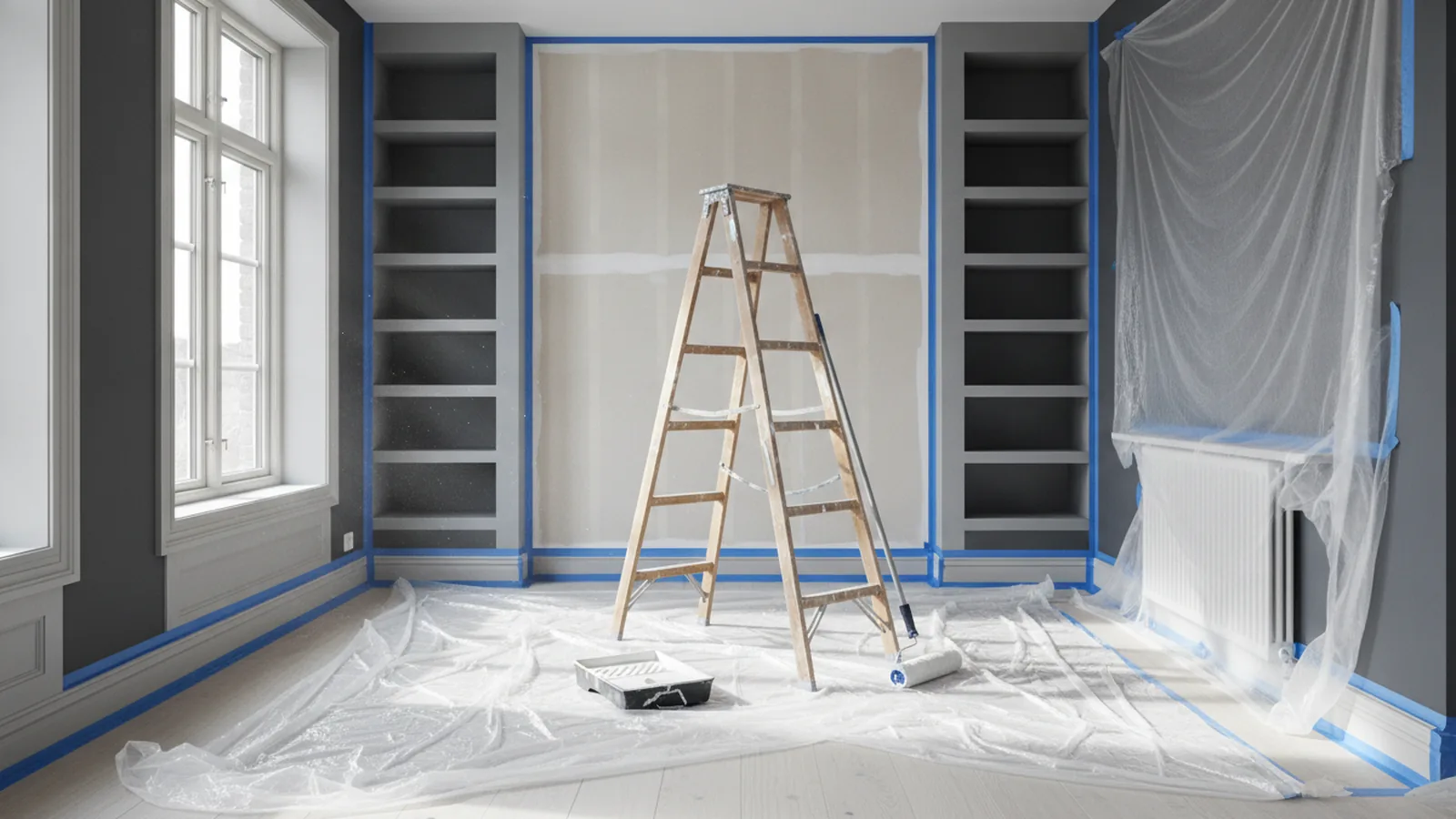
How to price interior painting that feels fair
If you are wondering how to charge for painting a room, start with square footage and then adjust for ceiling height, wall condition, and prep needs. In most markets, interior painting pricing lands around $4.22 to $8.19 per square foot for a typical coat on average walls. Your final quote should also reflect how long prep takes, because prep work often drives the labor hours.
A good quote is not just paint and roller time. You are selling a finished surface quality, plus protection for floors and trim. So your estimate needs to cover cleaning, scraping, patching, priming, and careful cut-in work.
When you build your quote this way, you can explain your numbers clearly to homeowners. They see that the price ties to measurable scope, not vague guesswork. That also makes it easier to charge for the harder jobs without losing trust.
Factors that push painting costs up or down
Several variables can swing your cost per project by a lot. The biggest ones are room size, ceiling height, and how ready the walls are to paint. If the surface needs repairs or heavy prep, your labor time rises fast.
Use these factors to guide your estimate and your pricing strategies for painters. You can quote a baseline, then price each adjustment line-item. That keeps you consistent while still flexible.
- Room size: More wall area means more paint, more tape, and more time.
- Ceiling height: Tall ceilings add wall area and slow your work.
- Wall condition: Cracks, stains, holes, and peeling paint increase prep and primer needs.
- Number of coats: New drywall or stained areas may need extra coats.
- Paint type and finish: Premium paints and special finishes can raise material costs.
- Trim and doors: Crown molding, baseboards, and doors add cut-in time.
- Access and layout: Tight spaces and lots of obstacles slow labor.
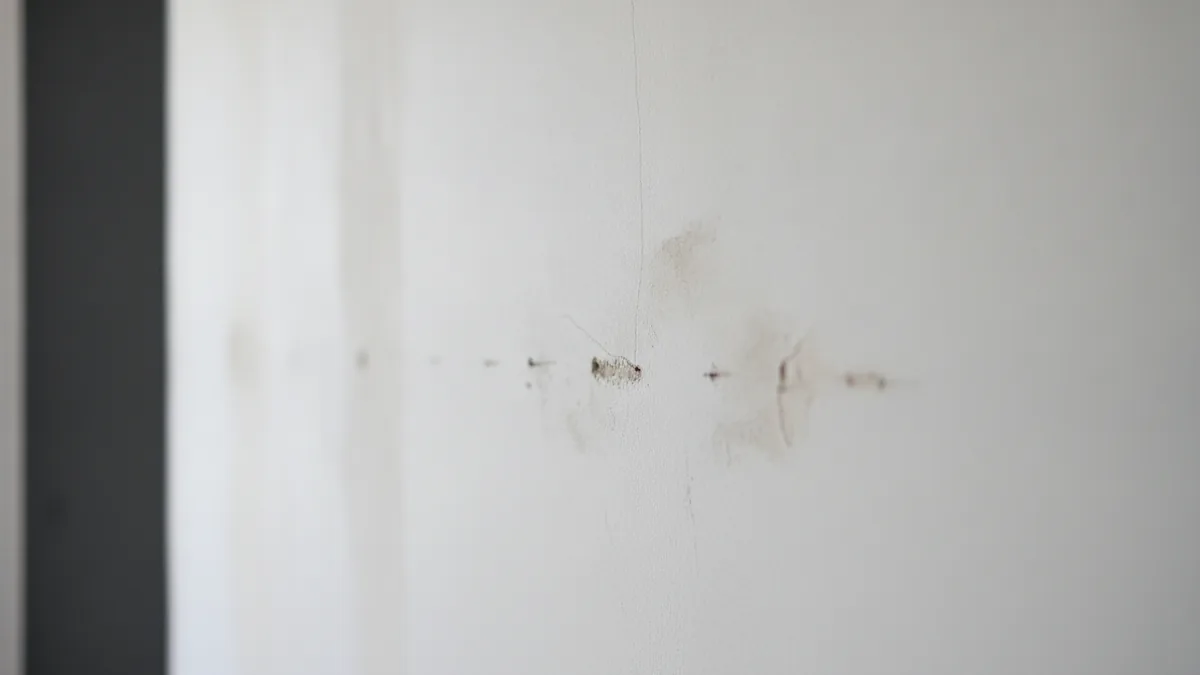
Wall condition is where many quotes break. A room that looks “fine” may still hide patching, sanding, or stain-blocking primer needs. If you price only for paint application, prep turns into a surprise cost.
Average cost per square foot (what homeowners expect)
When you look up how much to charge painting a room, the best starting point is a cost per square foot range. Nationally, interior painting pricing often falls between $4.22 and $8.19 per square foot for typical residential work. Your actual number depends on prep intensity, coat count, and finish level.
It helps to know what that range usually represents. Lower pricing often assumes light prep and a straightforward paint schedule. Higher pricing often matches heavier prep, more trimming, and more coats or priming.
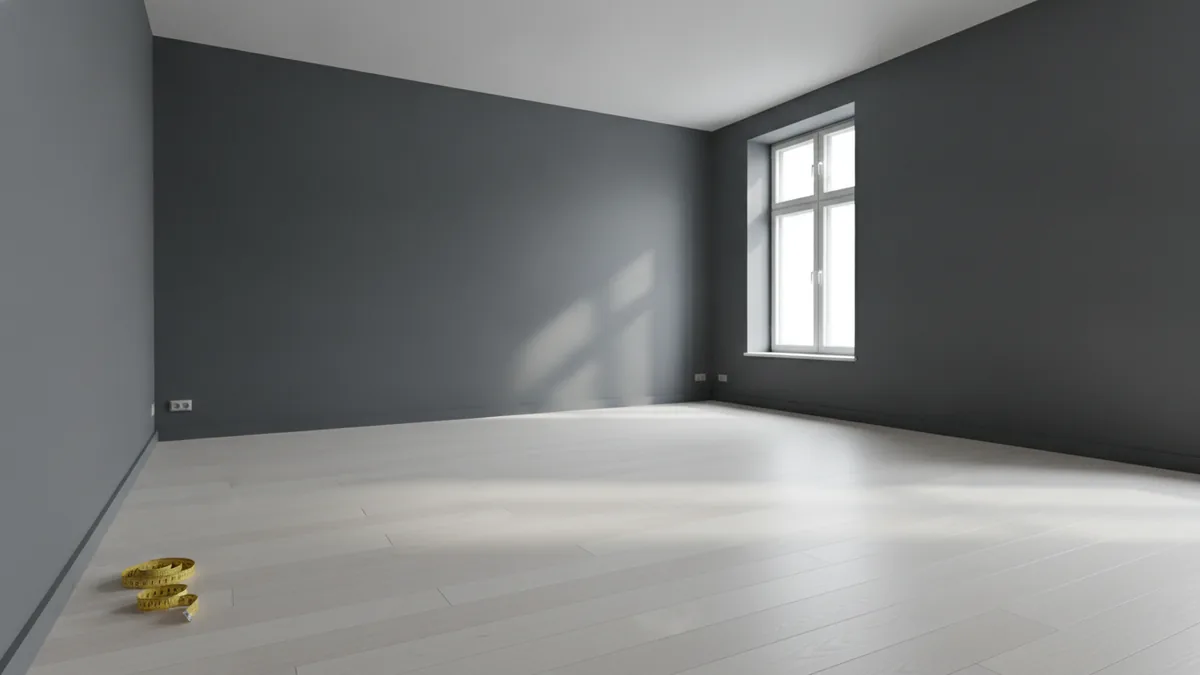
To estimate fast, calculate your paintable wall area. Then multiply by your planned unit rate. If you are including ceilings, add ceiling area too, since you are working upward and masking more surface.
| Scope assumption | Typical implication for your $/sq ft |
|---|---|
| Light prep | Closer to the low end of the range |
| Moderate prep and patching | Middle of the range |
| Heavy prep or stained walls | Closer to the high end of the range |
You can also sanity-check your rate against job timing. If your labor hours do not match the unit economics, adjust before you lock the quote. That simple step prevents undercharging.
Labor and material breakdown you can itemize
Your pricing should explain both painting labor costs and painting materials. Homeowners usually understand a quote better when it separates labor time from the supplies you must buy. It also makes changes easier if the customer adds rooms or upgrades finish.
Prep is a major labor component. One practical planning benchmark is that prep work and painting may take up to 3 hours per 100 square feet when you include common tasks like cleaning, scraping, patching, and applying coats. Your team speed will vary by skill level and wall condition, but this gives you a starting yardstick.
Below is a simple breakdown you can adapt for your pricing model. Use it to build your base bid, then adjust with the factors from the previous section.
- Preparation costs: Cleaning, light sanding, scraping loose paint, caulking gaps, and patching holes.
- Priming: Needed for repairs, stains, and new or bare surfaces.
- Paint: Base coat plus any extra coats for coverage goals.
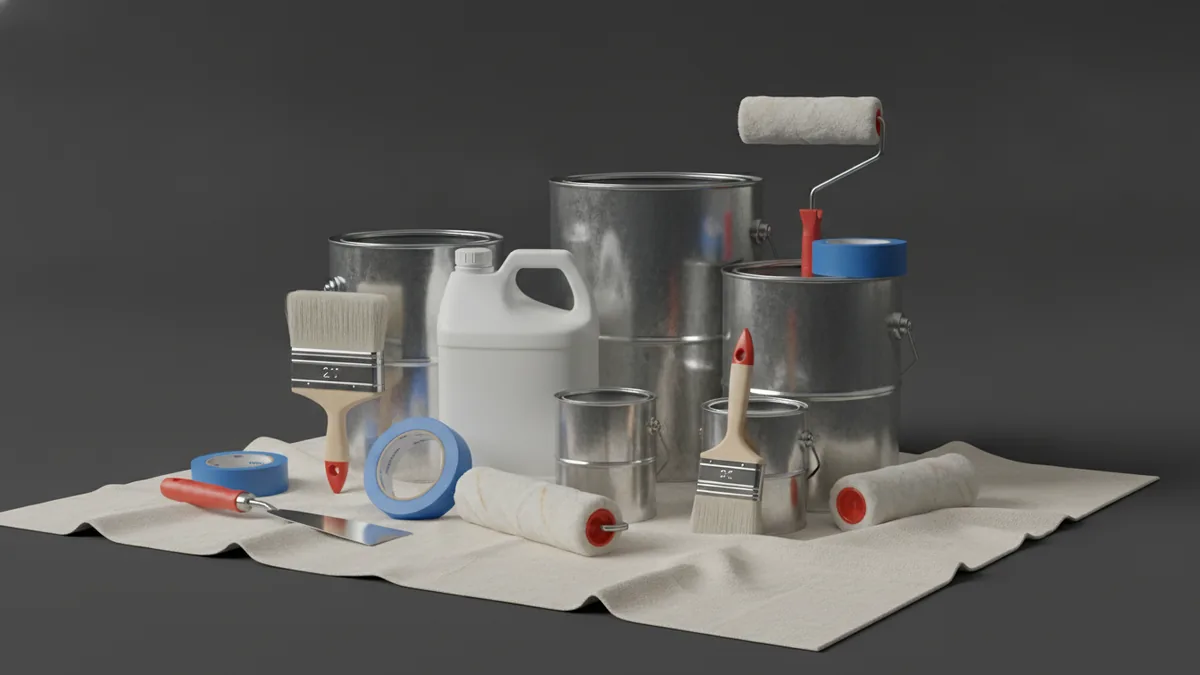
- Supplies: Tape, drop cloths, rollers, brushes, sandpaper, and plastic for masking.
- Repair materials: Spackle or patch compound, drywall repair products, and stain-blocking products.
When you calculate paint volume, treat it as a material decision with labor impacts. More paint usually means more application time and more cleanup time. So your “paint budget” affects your labor budget too.
Here is a concrete example workflow for one room. Measure wall area and add an allowance for masking around trim and doors. Estimate prep needs from your site walk. Then price labor hours using your production target, and price paint and supplies using your supplier math.
Pricing strategies for interior painting (and how to justify them)
There are three common ways to price painting jobs: cost per square foot, hourly-plus-materials, or a fixed bid with line-item scope. Each can work well, but you need to match the method to the kind of work you typically do.
If you want something easy for customers to compare, a cost per square foot quote is a strong option. If your jobs vary wildly in prep complexity, a fixed bid with clear exclusions may protect you better. For remodels and repeat projects, hourly can keep billing accurate.
Your “how to charge for painting interior of house” approach should also include how you handle changes. Unknowns usually show up during prep, not after paint starts.
- Quote a baseline: One coat plan on “ready” walls, with standard trim coverage.
- Add prep tiers: Light prep, moderate patching, or heavy scraping and repairs.
- Use unit upgrades: Price additional coats, priming types, and stain-blocking as add-ons.
- Set change rules: Define what happens if you uncover damage behind old paint.
To keep your bids fair, tie every upgrade to a measurable reason. For example, “stain-blocking primer due to water marks” is clearer than “extra primer.” The more specific your explanation, the easier it is to maintain your price.
Also consider risk. If you expect hidden defects, add a prep contingency or include “condition-dependent prep” language. That way, you are not stuck eating time when walls surprise you.
Tips for estimating project costs without underpricing
Estimating gets easier when you build a repeatable site-walk process. You do not need a complicated spreadsheet, but you do need consistent inputs. Start by measuring and documenting the wall and ceiling conditions before you price.
Next, prepare to factor in additional costs for prep work. Cleaning, scraping, and patching defects can easily take as much time as painting itself. If you skip prep during estimating, your schedule will get tight and your margin will shrink.
- Measure twice: Use the room’s width, length, and ceiling height to estimate wall area.
- Inspect for prep needs: Look for peeling paint, cracks, stains, and damaged caulk.
- Plan for masking: Doors, trim, and floors add setup time even when paint work is fast.
- Estimate coats realistically: Coverage varies by color change and wall material.
- Budget supplies: Tape, brushes, rollers, and repair products are not “free.”
When you price, translate hours into dollars before you choose a final quote. A useful method is to set a production rate for your crew. Then compare it to your target profit so you can adjust your unit pricing early.
If you are trying to decide how much to charge painting a room, do a quick compare of two scenarios. First, price the room as “ready walls” with minimal prep. Second, price it as “needs patching and primer.” If the difference is huge, you need a prep tier system or a clearer range.
Finally, make your quote easy to follow. Include a short scope summary, your assumptions about coats and prep, and your materials plan. Homeowners pay faster when they understand what they get and why the price is fair.
Frequently asked questions
- What is the typical cost per square foot to paint a room?
- Many interior painting jobs price around $4.22 to $8.19 per square foot. Your final number depends on prep, coats, and wall condition.
- How do I calculate how much to charge painting a room?
- Estimate paintable wall and ceiling area first. Then apply a $/sq ft rate and adjust for prep intensity, number of coats, and trim details.
- How to charge for painting a room when walls need repairs?
- Use prep tiers for cleaning, scraping, and patching. Add primer and extra coats as specific line items tied to defects.
- How long does painting labor usually take for a residential room?
- A useful planning benchmark is up to 3 hours per 100 square feet including prep and painting. Heavy defects can push you beyond that, so inspect carefully.
- What materials should I include in my painting quote?
- Include paint and primer, painter’s tape, drop cloths, brushes, rollers, and repair supplies. Charging for supplies prevents margin loss on small jobs.
- Should I quote a fixed price or charge by the hour?
- Fixed bids work best when you clearly define prep scope and assumptions. Hourly can fit projects with changing conditions, but still estimate expected material use.
Related reading
Interior Painting Costs and Best Practices (Per Room, DIY vs Pros)
Interior paint costs, timelines, and best practices for lasting rooms.
Kitchen Cabinet Tops — Style, Texture and Seasonal Charm
Style cabinet tops with balanced layers, useful texture, and decor that suits your kitchen.
Couch Placement—Flow, Focus and Comfort
Place your couch to frame a focal point, keep paths clear, and make the room feel balanced.