How to Pick Curtains That Suit Your Living Room
Choose living room curtains by size, fabric, color, length, and hanging style.

How to Pick Curtains for Your Living Room
To pick curtains for a living room, start with window size, room style, and light needs. Choose a rod wider than the window, then plan enough fabric for full folds. Floor-length panels usually give the room a clean, finished look.
Think of curtains as both decor and a useful room feature. They can soften hard lines, filter sunlight, add privacy, and reduce drafts. The best choice fits your windows and supports how you use the room.
Measure the Windows Before You Shop
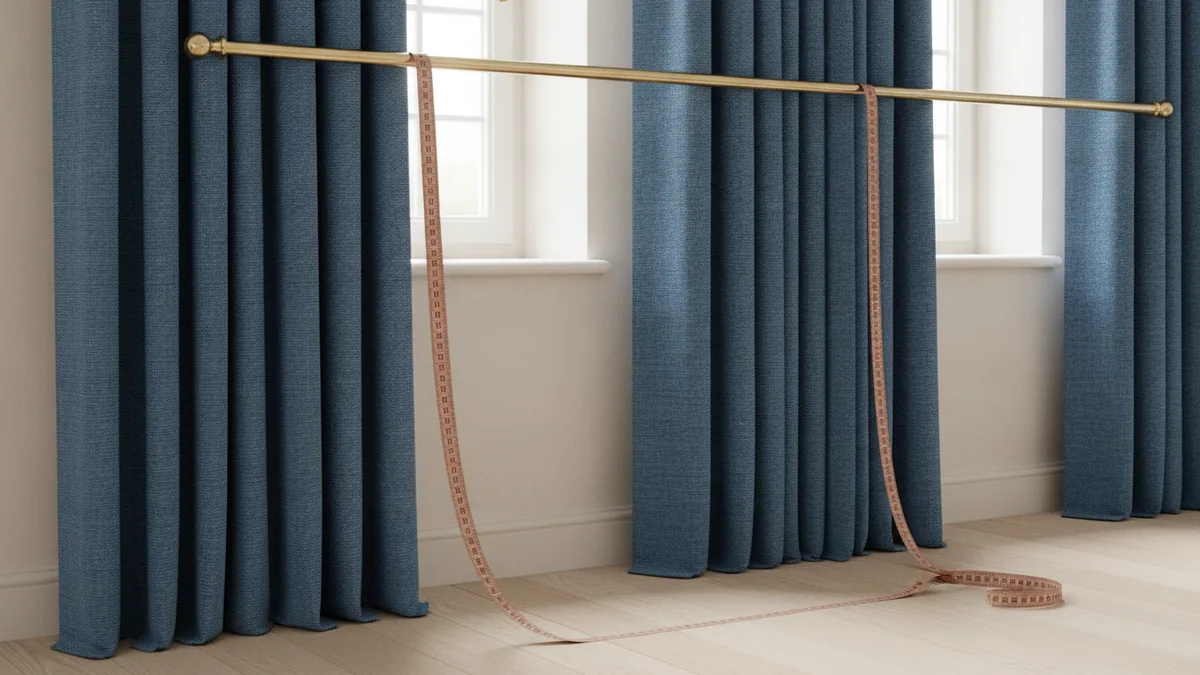
Measure each window before you look at curtain sizes. Windows can vary, even when they sit on the same wall. Use a steel tape for more exact results.
Measure the rod width, not only the glass. The rod should extend 6 to 12 inches past each side of the window. This lets the panels stack beside the glass when open.
Plan for two to three times the window width in curtain fabric. This extra width creates fullness and prevents flat, weak-looking panels. For a 60-inch window, aim for 120 to 180 inches of total fabric.
Measure from the spot where the rod will hang down to the floor. Make small adjustments so the fabric lightly touches the floor. Add a little length for a rod with wide rings or a low-hanging track.
- Measure the full rod width.
- Measure from the rod to the floor.
- Allow two to three times the window width.
- Check both windows and floor levels.
Choose Fabric for Light, Privacy, and Comfort
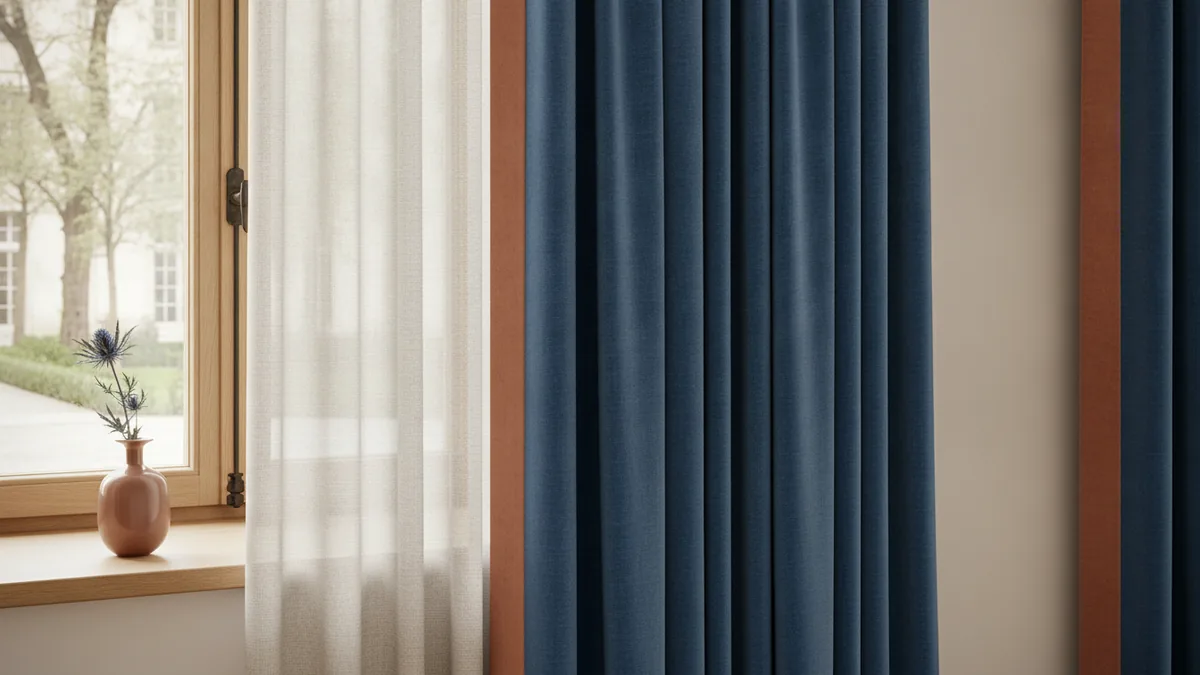
Curtain fabric affects light filtering, privacy, and the room's mood. It also changes how the panels hang. Light fabrics make a room feel airy, while thick fabrics feel warm and formal.
Sheer curtains soften bright daylight without blocking the view. They work well in rooms that need light and some daytime privacy. At night, sheers alone offer little privacy when indoor lights are on.
Blackout curtains block most outside light. They suit rooms with glare from street lamps, bright screens, or direct sun. A blackout lining can also protect rugs and furniture from fading.
Insulating curtains use thick fabric, foam, or a thermal lining. They can slow heat loss near cold glass. They may also limit heat gain during hot, sunny hours.
Can curtains keep a room warm? They can help, but they cannot replace good windows or sealed gaps. Close thick panels at night, and keep them clear of heaters.
| Fabric choice | Best for | What to expect |
|---|---|---|
| Sheer | Soft daylight | Little night privacy |
| Blackout | Sleep, glare control, and privacy | Less daylight and a heavier look |
| Insulating | Cold or sunny windows | More comfort and thicker folds |
Match Color and Pattern to the Room

To match curtains in a living room, study the wall, sofa, rug, and wood tones first. Pick one color already found in the room. This creates a link without making every item look the same.
Matching curtains to the wall gives a calm, larger feel. Choose a shade two tones lighter or darker for gentle contrast. This approach works well in small rooms or rooms with busy furniture.
Contrast adds more visual interest. Try deep blue beside warm white walls, or rust beside soft green. Repeat the curtain color in a cushion, vase, or small artwork.
Patterns need more care. A small pattern suits rooms with bold rugs or art. A large pattern can work when the rest of the room has simple shapes.
Use patterned curtains as the main accent. Keep nearby fabrics quieter. This prevents the window from competing with the sofa and other focal points.
Pick a Curtain Length That Looks Intentional
Should living room curtains touch the floor? Usually, yes. Floor-length curtains create a polished line from the ceiling to the floor. They also make windows seem taller.
Let the fabric lightly kiss the floor for a neat finish. A one-inch break creates a slight bend above the floor. A puddled hem adds drama, but it gathers dust and needs more care.
Avoid panels that stop several inches above the floor. They can make the room feel unfinished. Short curtains work better when a radiator, cabinet, or safety need blocks a full drop.
- Hover: Stop the hem about half an inch above the floor.
- Kiss: Let the hem lightly touch the floor.
- Break: Add about one inch for a soft bend.
- Puddle: Add extra fabric for a gathered, formal look.
Hang the rod near the ceiling when possible. Place it 4 to 6 inches above the window frame. This can make a low ceiling feel taller.
Choose a Hanging Style That Fits the Room
How to hang curtains in a living room depends on the panel top and rod. Each hanging style changes the folds, movement, and overall mood. Check the panel label before buying a rod.
Grommet panels have metal rings set into the fabric. They slide easily and create broad, even folds. Their clean shape suits modern and casual rooms.
Pleated panels use sewn folds at the top. Pinch pleats look tailored and formal. Ripple-fold panels create smooth waves and work well on a track.
Rod pockets hide the rod inside a fabric sleeve. They look soft, but they can be harder to open each day. Back tabs give a relaxed look with less visible hardware.
Use curtain rings when you want easy movement and flexible length. Rings also make it simple to remove panels for washing. Pick hardware that repeats a finish already used in the room.
Avoid These Common Curtain Mistakes
The most common mistake is buying panels that are too short. Short hems draw attention to the gap below them. Measure from the planned rod position instead of guessing from the window.
Another mistake is using too little fabric. One narrow panel may cover the glass, but it will look flat when closed. Follow the two-to-three-times fullness rule for a richer look.
Do not place the rod only inside the window frame unless space demands it. An inside mount can reduce light and make the window seem smaller. An outside mount often gives a better living room finish.
Also check the care label before you buy. Some fabrics shrink, fade, or need dry cleaning. A washable panel may suit a busy home better than a delicate fabric.
- Do not guess the curtain length.
- Do not ignore rod width and stack space.
- Do not mix several bold patterns near one window.
- Do not block a heater with thick panels.
Consider Helpful Curtain Features
Extra features can make curtains easier to use. Look for a liner, weighted hem, or stitched side seams. These details help panels hang straight and keep their shape.
A split-draw pair works well for wide windows or glass doors. One-way panels suit narrow windows and corner spaces. Tiebacks keep fabric away from the glass when you want more daylight.
Layering gives you more control. Place a sheer panel near the glass, then add a thicker outer curtain. This setup softens daylight by day and adds privacy at night.
Choose a double rod for this living room curtain setup. Make sure both layers can move freely. Test the panels before final mounting, especially near a door or walkway.
When buying, compare finished sizes rather than pack counts. A pair may list each panel's width, not the total width. Read the return policy if color or fabric texture matters.
A Simple Final Check
Before you order, view your choices beside the main furniture. Hold a fabric sample near the wall in morning and evening light. Colors can shift when sunlight changes.
Check the rod height, total width, curtain length, and care needs. Then confirm the panels provide the privacy and light control you want. Good curtains should look right when open and closed.
The strongest choice balances fit, fabric, color, and daily use. Start with exact measurements. Then select a style that supports the room instead of fighting it.
Frequently asked questions
- Should living room curtains touch the floor?
- Most living room curtains should lightly touch the floor or hover about half an inch above it. This gives the room a polished look.
- How do I measure curtains for a living room?
- Measure from the planned rod position to the floor. Add enough length for the curtain to lightly touch the floor.
- How much curtain fullness does a living room window need?
- Use two to three times the window width in total curtain fabric. This creates full folds instead of a flat look.
- What type of curtains are best for a living room?
- Sheers suit soft daylight, blackout curtains suit glare and privacy, and insulating curtains suit cold or sunny windows.
- How do I match curtains to my living room?
- Match curtains to a color already in the room, or use contrast for more visual interest. Repeat the curtain shade in a small accent.
- What curtain hanging style should I choose?
- Grommets offer easy movement and a modern look. Pleats look more tailored, while rod pockets create a softer style.
Related reading

Wood Flooring Direction — Light, Space, and Flow
Choose board direction with light, room shape, and nearby spaces in mind.
Bathroom Paint — When It’s Safe to Shower
Wait 24 to 36 hours before showering, then keep bathroom air moving.
Console Tables — Placement, Styling and Smart Storage
Choose the right spot, size, and styling for a console table that works.