Handmade Room Decor — Ideas with Heart and Purpose
Make your room feel personal with handmade art, textiles, and thoughtful styling.
What Handmade Decor Brings to a Room
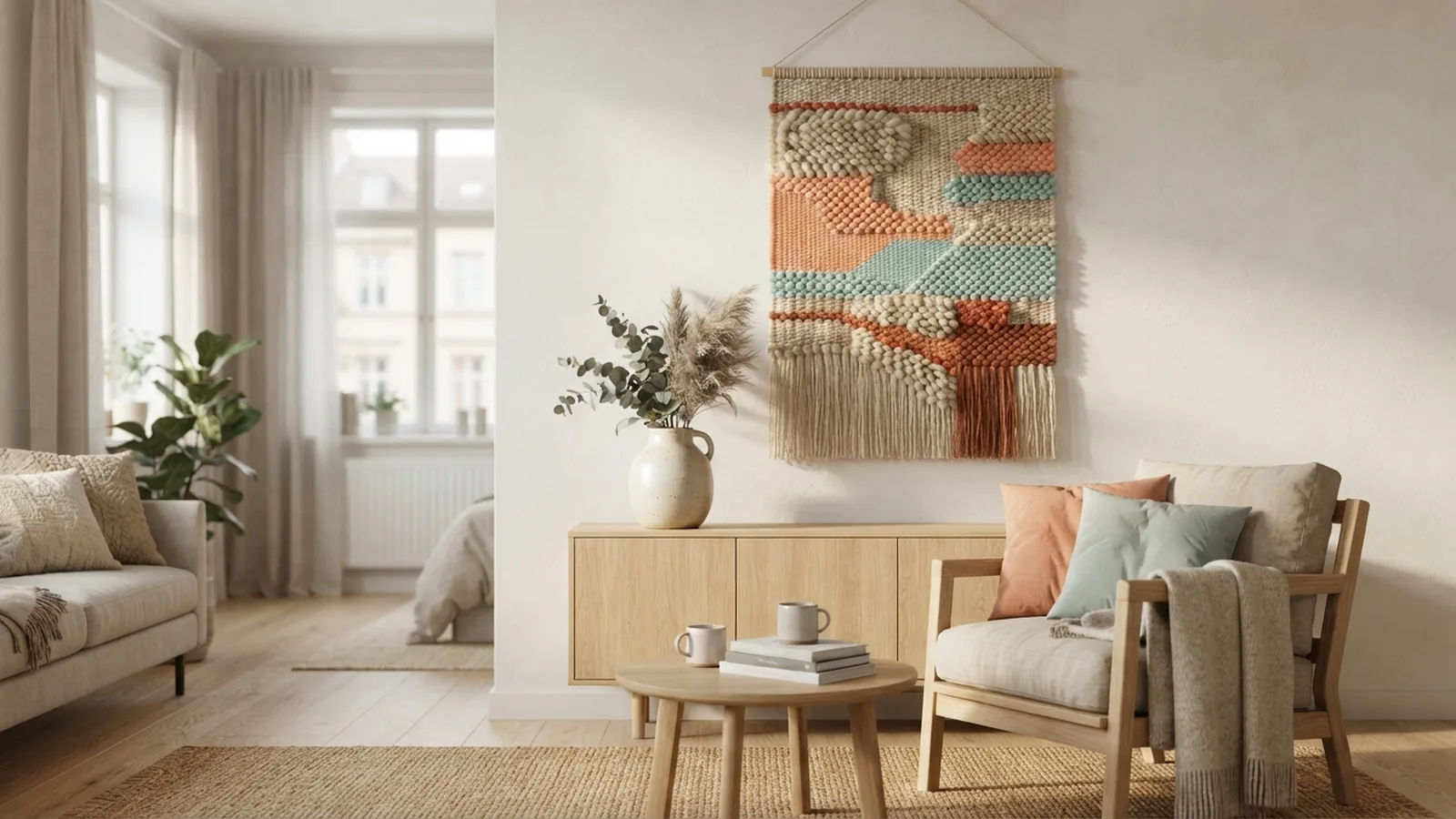
To decorate a room with handmade things, start with a few pieces that reflect your taste. Choose a color palette, then add art, textiles, or useful objects made by hand. Mix them with what you already own, rather than replacing everything at once. This keeps the room personal and calm.
Handmade decor includes objects shaped, sewn, painted, woven, or built by a person. It might be a small clay bowl, a quilt, a carved stool, or a print made by a local artist. Each piece can show small marks of its making. Those details help a room feel lived in, not copied from a catalog.
Begin by noticing what you like in your room now. Name three words that fit the mood you want, such as warm, simple, and bright. Then pick two or three main colors and one accent shade. This gives your handmade finds a shared thread, even when their shapes and textures differ.
Why Choose Handmade Pieces
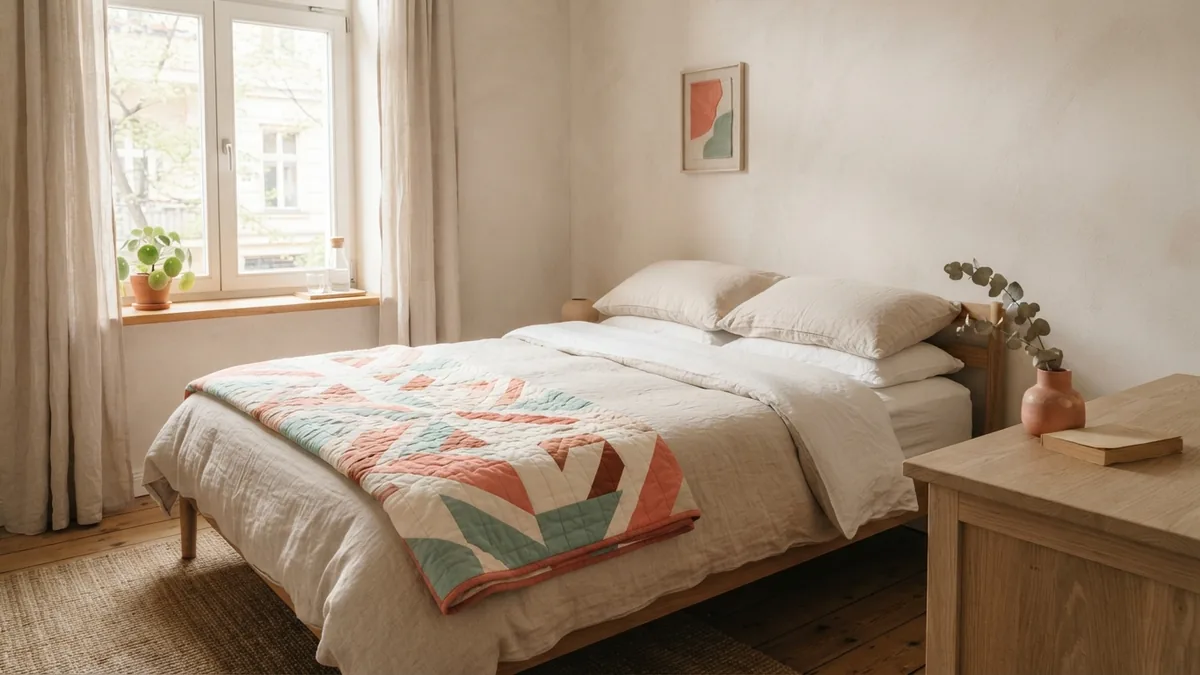
Handmade decorations add a personal touch because they carry a maker's choices and skill. A woven wall hanging can soften a plain wall, while a hand-thrown cup can make an open shelf feel more like yours. One special object may say more than a shelf full of trend-led buys. Let the piece have room to stand out.
Handmade goods can also support local makers and small workshops. Ask who made an item, what materials they used, and how they made it. These questions help you judge its care and fit. They can also lead you to work with a story you are glad to share.
Sustainable decor starts with using what you have and buying with care. Look for natural fibers, reclaimed wood, reused cloth, or clay from local makers. A repairable item can stay useful for years. Still, handmade does not always mean low impact, so ask about the source and finish when it matters.
Ways to Work Handmade Decor Into Your Space
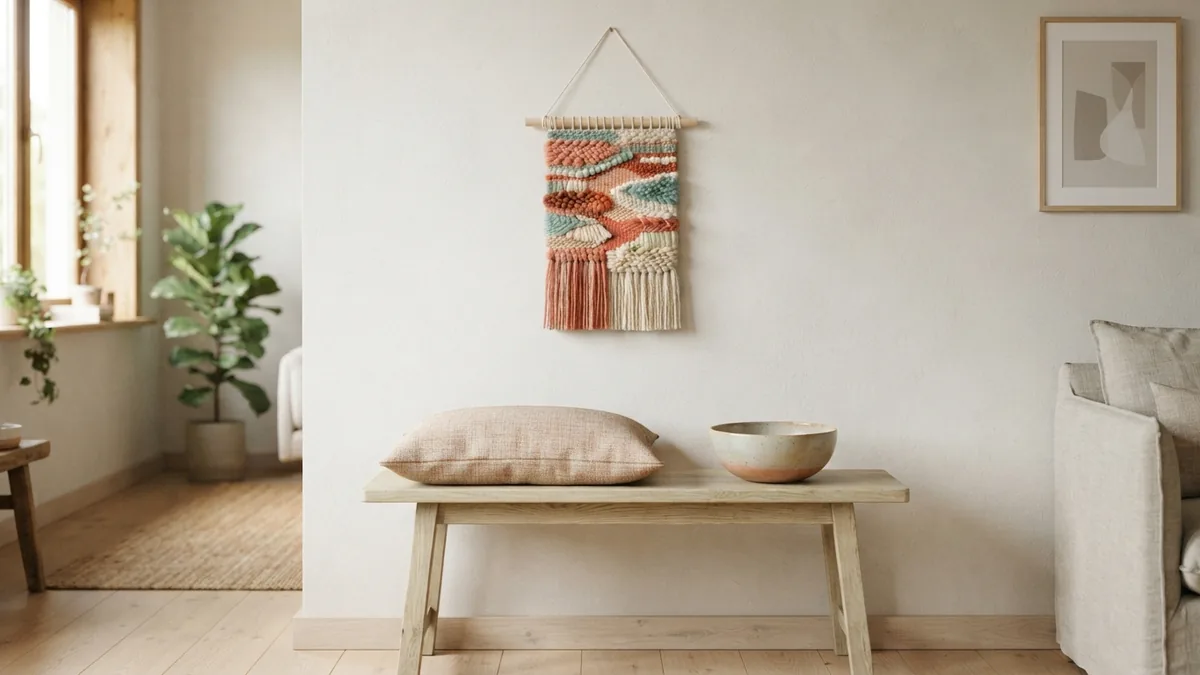
Wall art is an easy place to begin. Hang one textile, print, or small woven piece where it can be seen from the doorway. For a group, lay the pieces on the floor first and test their spacing. Keep a clear edge or shared color to make the display feel linked.
Textiles bring warmth and useful color. Try a hand-stitched cushion, woven blanket, or fabric shade in a room with plain walls. In a bedroom, handmade bedding accents can add character without making the whole space feel busy. Repeat one color in a rug or curtain to tie the look together.
Furniture can be handmade too, from a small bench to a bedside table. A single piece with a clear shape can anchor a room. Keep nearby objects simple, so its grain or craft stays visible. For a small room, choose items that serve more than one purpose, such as a stool that also works as a side table.
- Use one large handmade piece as the room's main focus.
- Pair rough textures with smooth ones, such as woven cloth and matte ceramics.
- Repeat a handmade item's color in two other small details.
- Leave open space around unusual shapes and bold patterns.
DIY Handmade Decor Ideas to Try
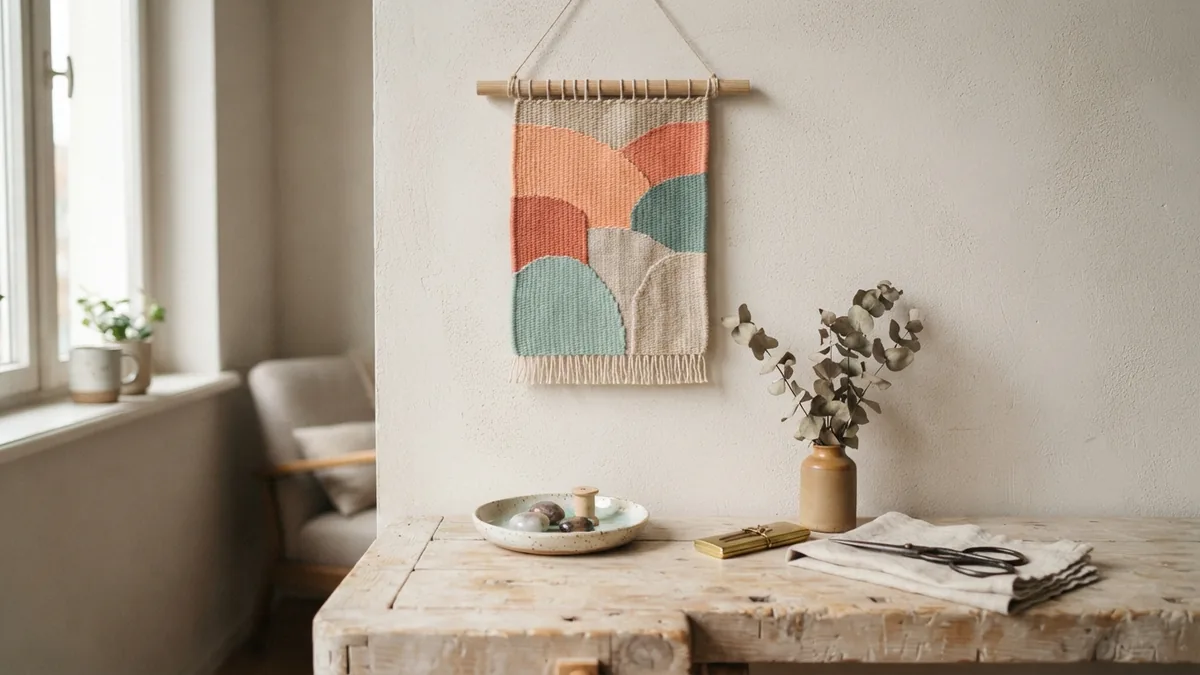
DIY decorations can be low-cost and rewarding when you start with a project that suits your skills. A fabric wall hanging needs only a dowel, cord, and fabric strips. Cut the strips to a few lengths, knot them onto the dowel, and trim the bottom into a soft curve. Use leftover cloth for a one-of-a-kind piece.
Try a simple painted panel if you want color without a large commitment. Use a small wood board, leftover paint, and a broad brush. Test the colors on scrap first, then paint two or three loose shapes. Let each coat dry before hanging the panel.
Other easy projects include a cushion cover, a clay dish, or a shelf made from reclaimed wood. Choose materials that suit the room and follow care guidance for paint, glue, or clay. For a first project, set a modest budget and allow time for drying or mending. A small success makes it easier to try a more involved piece later.
Make the project useful where possible. A sewn basket can hold blankets, while a painted tray can gather small items on a dresser. Keep the finish simple if the material has its own texture. The goal is not a perfect result; it is an object you enjoy using.
Where to Find or Make Handmade Items
Local craft fairs, studio open days, and maker markets let you see work up close. You can ask about materials, care, and how an item was made. Some towns also have craft groups, repair cafés, or workshops where beginners can learn a skill. These spaces can help you find both goods and ideas.
Online marketplaces make it easy to find work from local artisans, but read each listing with care. Check the maker's process, size details, materials, and delivery terms. Look for clear photos of the item from more than one angle. If the details are vague, ask before you buy.
Secondhand shops and community swaps are useful sources of handmade goods. You may find a quilt, carved object, or pottery piece that needs a small repair. Check seams, joints, and surface wear before bringing it home. A little care can give an older item a place in a new room.
Style Handmade Pieces So They Tell a Story
Arrange handmade pieces in a way that shows why you chose them. Group objects by color, material, or the people and places behind them. A shelf might hold a family quilt folded beside a bowl from a nearby potter. Leave gaps between objects, so each piece remains easy to see.
Vary height and shape to make a display feel natural. Set a tall vase beside a low dish, then add a small stack of plain books for a middle height. Keep heavy items low and secure wall pieces well. In a bedroom, keep the bedside area clear enough for everyday use.
Balance handmade finds with quiet surfaces and familiar objects. Too many standout pieces can compete for attention. Step back from the room and notice where your eye lands first. If several spots pull at once, remove or move one item.
Let the collection grow over time. You do not need to fill every wall or shelf in one weekend. Add pieces when they suit your colors, needs, and budget. The best handmade room decor feels collected, useful, and unmistakably yours.
Frequently asked questions
- How do I decorate a room with handmade things?
- Choose a few pieces that suit your style and colors, such as wall art, textiles, or pottery. Mix them with your existing furniture and leave space around standout items.
- How can I decorate my bedroom with handmade things?
- Add a handmade quilt, cushion, wall hanging, or bedside object. Keep the palette calm and choose pieces that will not crowd the bed or walking space.
- What handmade decor is easiest to make?
- A fabric wall hanging or painted wood panel is a good first project. Both need few supplies and can bring color to a blank wall.
- Where can I find handmade home decor?
- Try local craft fairs, studio events, maker markets, and community swaps. Online maker shops can help too; check materials, size, and how each item was made.
- Is handmade decor more sustainable?
- It can be, especially when it uses reclaimed wood, reused cloth, or natural fibers. Ask about materials and finishes, since handmade goods can still have a large footprint.
Related reading
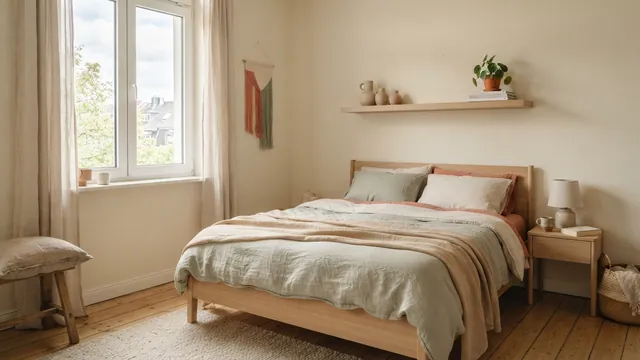
Bedroom Wall Colors — Mood, Light, and Style
Choose a bedroom wall color that fits your light, mood, and furnishings.
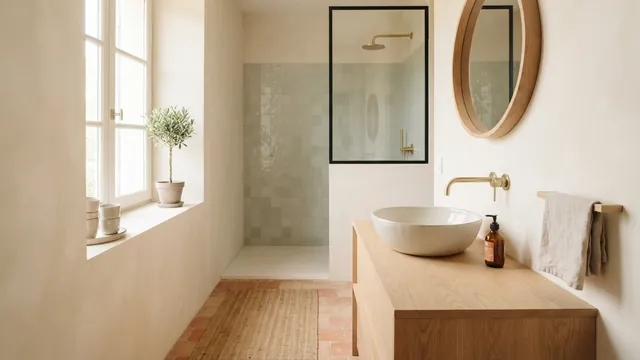
Paint Sheen: Room Choices and Care
Choose paint sheen by room, surface, moisture, and cleaning needs.
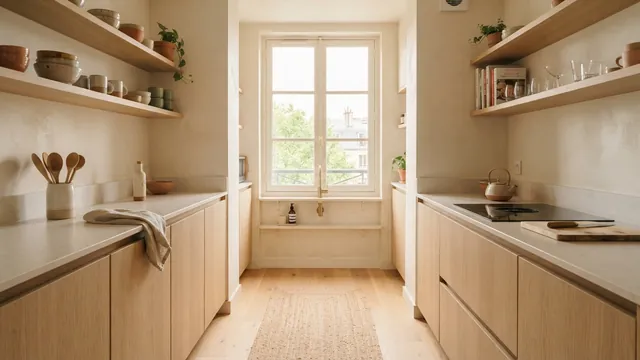
Galley Kitchens — Smart Design and Remodeling
Plan a more open, efficient galley kitchen with smart storage and lighting.