How to Remove Small Flies From Your Kitchen (Guide)
Learn how to remove small flies from kitchen, identify fruit and drain flies, and prevent them with practical cleaning and food storage habits.

Understanding small flies
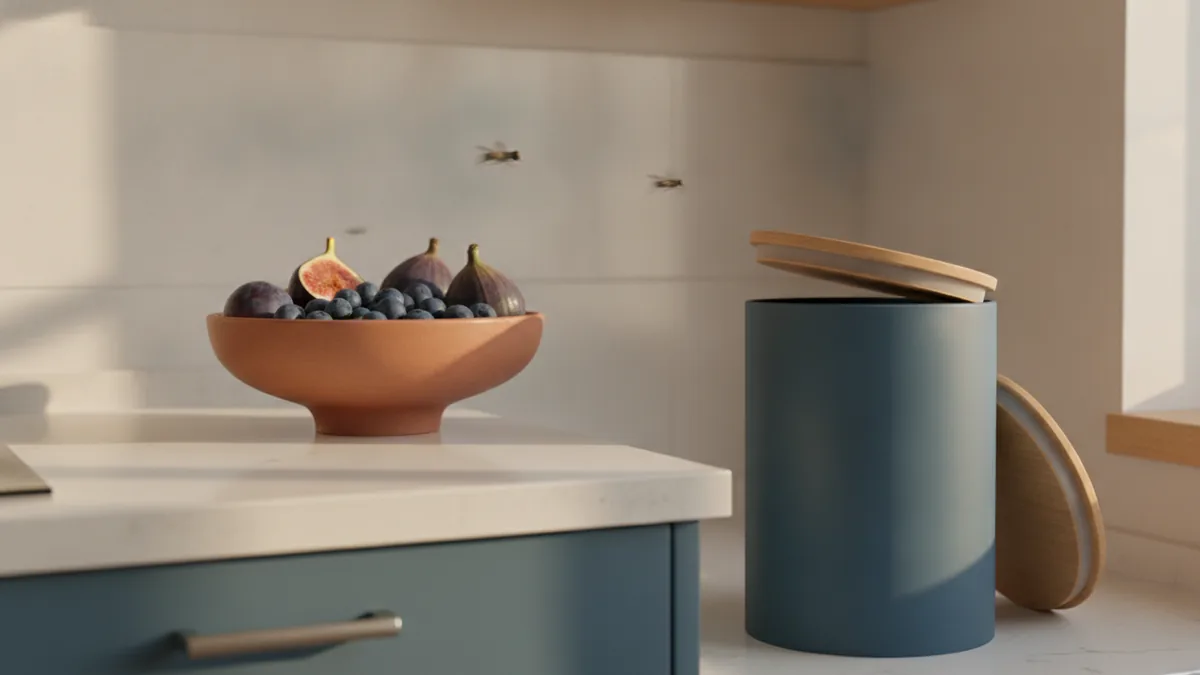
To remove small flies from kitchen, start by figuring out where they breed. Most infestations come from either ripe fruit and produce or damp drains and wet piping. You then target that source with cleaning, removal, and short-term traps.
Small flies are also easy to miss at first. You might see a few near the counter, then notice more around the sink. A key clue is whether they appear when you open the trash or when you run the faucet.
Because different types breed in different places, one fix rarely solves everything. If you only set traps, adults may drop while larvae keep developing. If you only clean food areas, drain-breeding flies can return quickly.
- Look for patterns. They cluster near drains, trash, or fruit bowls.
- Check moisture. Wet sponges, leaks, and slow drains are often the cause.
- Track timing. Do they increase after cooking, cleaning, or water use?
Common types of small flies in kitchens
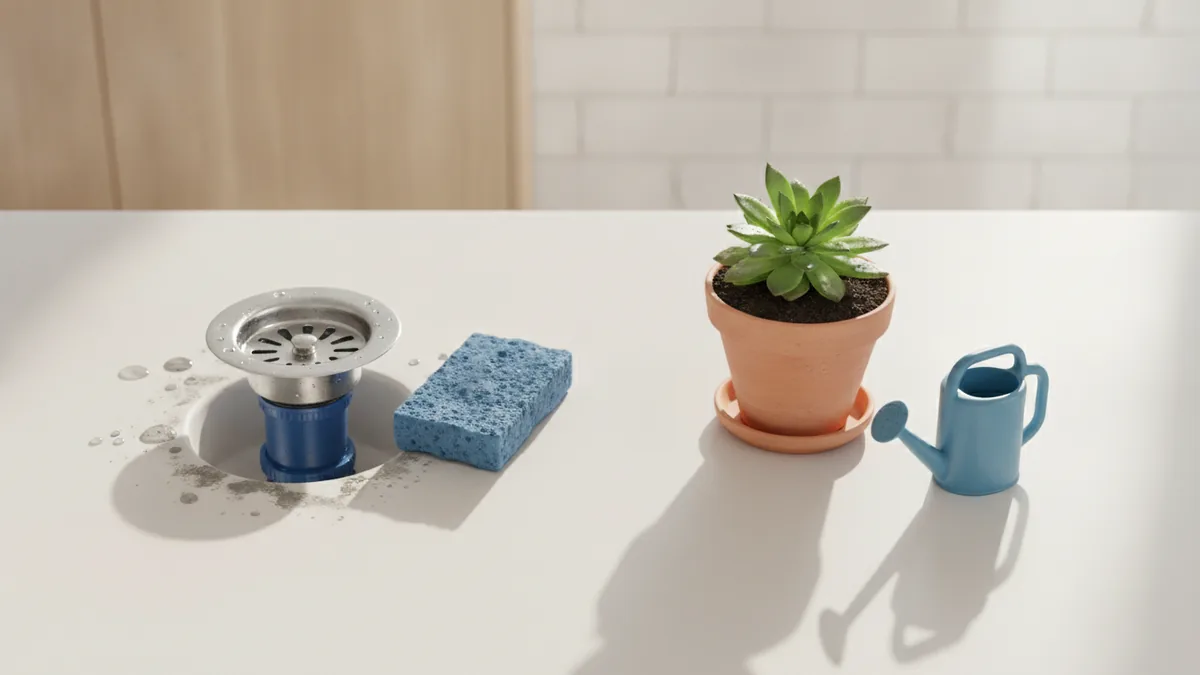
The two most common kitchen pests are fruit flies and drain flies. Fruit flies are tiny, often tan or reddish-brown, and hover near produce, trash, and recycling. They can seem to “appear overnight” because their life cycle can be short.
Drain flies are usually darker, more moth-like, and tend to gather around sinks and tubs. You might also see them near floor drains or basement utility drains. Their larvae feed on organic film in drains, which is why they return if the gunk stays behind.
Some people also spot “gnat-like” flies that may come from overwatered plants. Those can enter through open windows, but they still thrive when the soil stays wet. If you have potted herbs or houseplants near your kitchen, add them to your inspection list.
| Fly type | Where you see them | Typical clue |
|---|---|---|
| Fruit flies | Near fruit, trash, sink cleanup areas | More activity around ripe food or garbage |
| Drain flies | Near sink drains, tub drains, wet corners | Moth-like shape, lingering near plumbing |
| Plant fungus gnats | Near houseplants and windowsills | Adults rise when soil is disturbed |
Why small flies invade kitchens
Small flies are drawn to two things: food sources and moisture. Fruit flies target fermenting sugars, so food scraps in the bin and leftover residue on counters are enough. Even a small amount of spilled juice under a dish mat can be a breeding site.
Drain flies need damp conditions and an organic film. That film forms from grease, soap scum, hair, and tiny bits of food that wash down over time. If your sink drains slowly or has a strong odor, that’s often a sign of buildup.
You can also create the perfect setup without realizing it. A constantly wet sponge, a leaky faucet, or condensation near a drain can keep the environment suitable for larvae. This is also why the problem can start after a busy week of cooking.
If you’ve noticed similar flies in other rooms, you may be seeing the same attractors. Many people ask “why do i have small flies in my bathroom” or “what are the small flies in my bathroom” because damp drains there can mirror kitchen conditions. The fix is still about moisture control and thorough cleaning.
- Food scraps left in trash or recycling
- Wet mops, sponges, and dish racks
- Leaky pipes or standing water in sink traps
- Slow drains with a buildup layer
- Overwatered plants near windows or counters
Effective removal methods
Your goal is to remove adults fast and remove the breeding source so they stop returning. Use a two-lane approach: clean the attractor, then use natural traps to reduce the remaining adults. Work from the area with the most activity to avoid spreading eggs and larvae.
Start with quick evidence-based steps. Remove all open food, empty the trash, and take out recycling. Wipe counters with cleaning techniques that include the underside of small items like fruit baskets and the rim of the sink.
Then use targeted methods based on the type you suspect.
For fruit flies: trap plus surface cleaning
- Empty trash and rinse bins with hot water.
- Cover or refrigerate fruit and cut produce.
- Clean sticky spots near sinks and countertops.
- Use natural traps near the hotspots.
Natural traps work best when you place them where the flies already gather. A simple method is a cup with apple cider vinegar and a drop of dish soap. The vinegar attracts, and the soap breaks the surface so flies fall in and can’t escape.
If you prefer non-liquid options, place sticky paper traps near the counter edge, not in open food areas. Replace them every few days while you clean. Traps reduce adults, but they do not eliminate the hidden residue that keeps the cycle going.
For drain flies: deep drain cleaning
- Check drain speed. If water pools, address buildup first.
- Scrub the drain opening and visible gunk with a brush.
- Clean the trap area if your sink has one.
- Repeat cleaning for several days to break the cycle.
Drain flies often hide in the organic layer inside the drain. You may need to remove the stopper and scrub around the mouth of the drain. Many people also find that cleaning the overflow and nearby grout helps.
For an extra push, use boiling water only if your plumbing tolerates it. Follow your household safety rules and avoid pouring boiling water on plastic parts that can deform. Combine hot flushes with physical brushing to remove the film.
Be patient here. Even after good cleaning, a few adults can emerge for about a week if eggs and larvae were already present.
For plant-related flies: fix watering and soil conditions
If flies appear around houseplants, let the top layer of soil dry more between waterings. Also remove any standing water from saucers. You can place yellow sticky cards near the plants to catch adults while you adjust care.
A simple repotting step can help if the soil stays wet for days. Use a well-draining mix and ensure pots have drainage holes. This dries the breeding environment and stops the next hatch.
Prevention tips for small flies
After removal, prevention is easier when you remove the two drivers: food and moisture. Think “weekly hygiene,” not one big clean. Small fly prevention improves when you make it harder for residue to build up.
For kitchen hygiene, make it a habit to clean small spills right away. Wipe sink rims and under dishware. Also take a moment to check behind and under items that collect dampness.
Food storage is just as important. Use sealed containers for leftovers and keep fruit either refrigerated or in a cleaned fruit bowl. Trash management matters too, especially in warm weather.
- Seal food in containers, especially fruit and leftovers
- Empty bins often and rinse them when needed
- Run a brief rinse on recycling bins after sticky food
- Dry sponges and dish racks between uses
- Check for leaks under sinks and around pipe joints
- Flush drains with hot water weekly, then scrub the rim
What to do if the problem persists
If flies come back after several days of targeted cleaning and trapping, assume the source is still active. For fruit flies, check for hidden breeding areas like a clogged garbage disposal, a wet sponge stash, or residue in a drain. For drain flies, focus on deeper plumbing buildup and any damp spots beyond the sink.
Do a “room-to-room sweep” to find other wet areas. If you also get questions like “why are there small flies in my room” or “why is there small bugs in my room,” the cause is often nearby moisture. Look at vents, bathrooms, and floor drains if you have them.
If DIY methods fail, professional pest control can speed up resolution. A pro can inspect likely breeding sites you missed and advise on safe treatments for your home. This is especially worth it if you have multiple sinks, a crawl space drain, or a persistent drain odor.
Before booking a visit, gather simple notes. Record where you see the flies, when they show up, and what you cleaned. That helps the technician target the right source quickly.
| Situation | Likely source | Next action |
|---|---|---|
| Flies cluster near trash | Food residue and bin area | Deep clean bins and wipe surrounding surfaces |
| Flies cluster near drains | Organic film in plumbing | Scrub drains and clean trap areas repeatedly |
| Flies cluster near plants | Wet soil and saucers | Adjust watering and use sticky cards |
Frequently asked questions
- How do I remove small flies from kitchen fast?
- Empty trash, cover food, and clean counters and the sink rim. Place natural traps near the hotspot to catch adults while you remove the source.
- What are the small flies in my kitchen, fruit flies or drain flies?
- Fruit flies cluster near fruit, trash, and recycling. Drain flies gather near sinks and bathtubs, often with a moth-like look.
- Why do I have small flies in my bathroom?
- Bathroom drains and damp surfaces can breed drain flies. If you also have them in the kitchen, the shared cause may be moisture and organic buildup.
- What are the small flies in my bathroom?
- Look for drain flies near sinks, tubs, and floor drains. If you see them near a window plant, fungus gnats may be the cause instead.
- How to avoid small flies in kitchen long term?
- Store food in sealed containers and clean sticky residues quickly. Keep sponges and dish racks dry, and scrub drains regularly.
- Why are there small flies in my room?
- They often come from moisture sources like drains, leaks, or overwatered plants. Check nearby bathrooms, vents, and sink areas for damp spots.
Related reading

Small Kitchen Demolition Costs, Time, and Safety Tips
Plan your small kitchen demo with clear costs, time ranges, and safety steps.

Should Your Closet Match the Room? A Practical Color Guide
Choose a closet color that fits your room, light, and style.

How to Make Unique Room Decor with Easy DIY Ideas
Make personal room decor with simple projects, warm colors, and low-cost finds.