How to Fix Peeling Bathroom Ceiling Paint (and Pick the Right Finish)
Fix peeling bathroom ceiling paint with moisture-proof repair steps and the right paint.
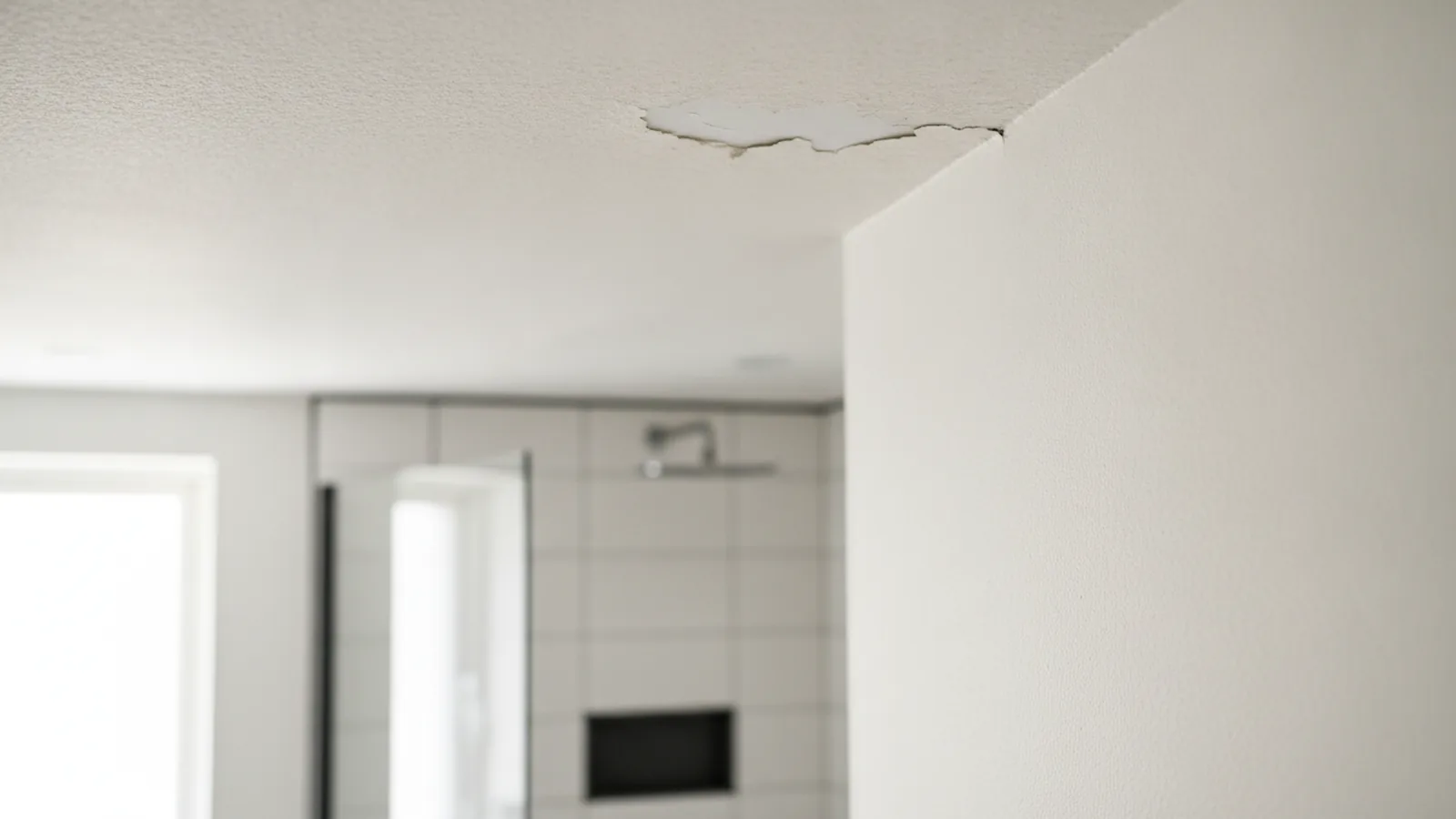
If your bathroom ceiling paint is peeling, fix the problem at the source. First handle moisture and humidity. Then scrape loose paint, prime correctly, and repaint with mildew-resistant bathroom ceiling paint. This approach stops most repeat peeling and saves you from repainting every few months.
Below you will find practical repair steps, plus guidance on what ceiling paint for bathroom ceilings actually performs in damp conditions. You will also see the warning signs that mean you should bring in a contractor.
Understanding peeling ceiling paint
Peeling paint happens when the top paint layer loses its bond to the surface below. On a ceiling, the failure is often driven by water vapor, not just surface dirt. Even small moisture issues can weaken adhesion over time.
In many bathrooms, peeling looks worse near the shower, vent grille, or outer walls. That pattern usually points to moisture migration and poor bathroom ventilation. When paint peels in cloudy patches, you may also be dealing with condensation behind the drywall paper.
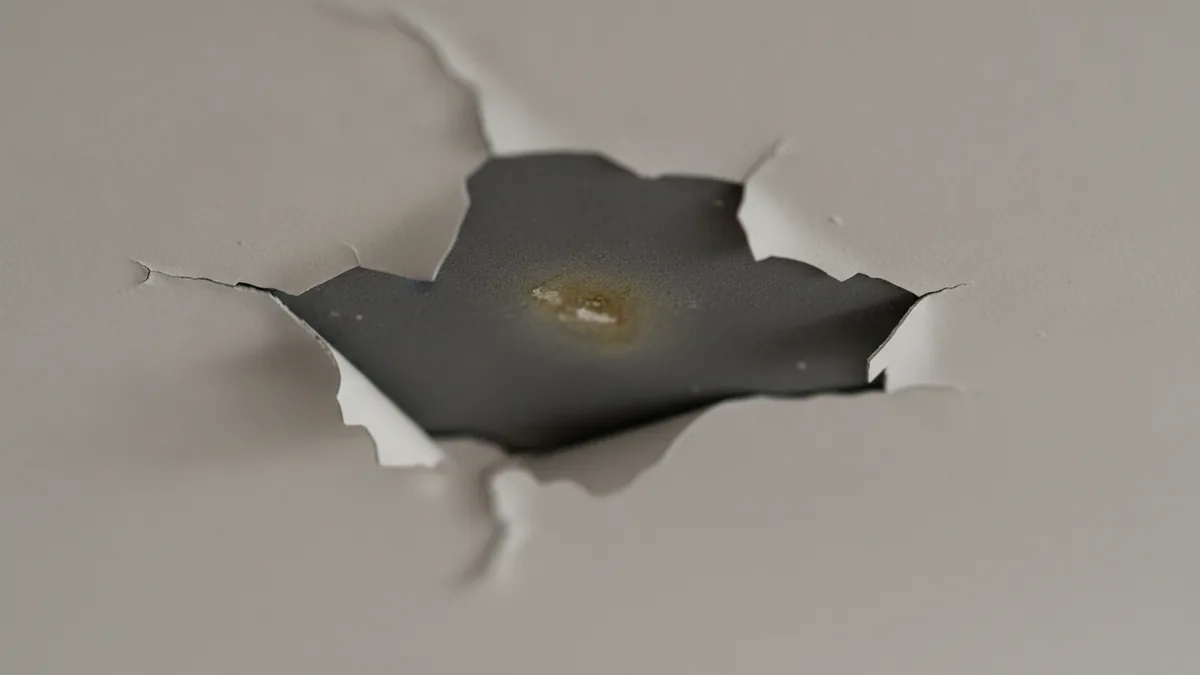
- Blistering or bubbling often signals moisture getting trapped under layers.
- Flaking in strips can come from old paint failing to grip the substrate.
- Dark spots or musty smells suggest mildew growth in the ceiling layer.
Common causes of peeling paint
Moisture is the top cause. Bathroom ceiling conditions are made for vapor movement from warm, steamy air into cooler ceiling surfaces. If that moisture has nowhere to go, it builds up and affects both drywall and paint bonds.
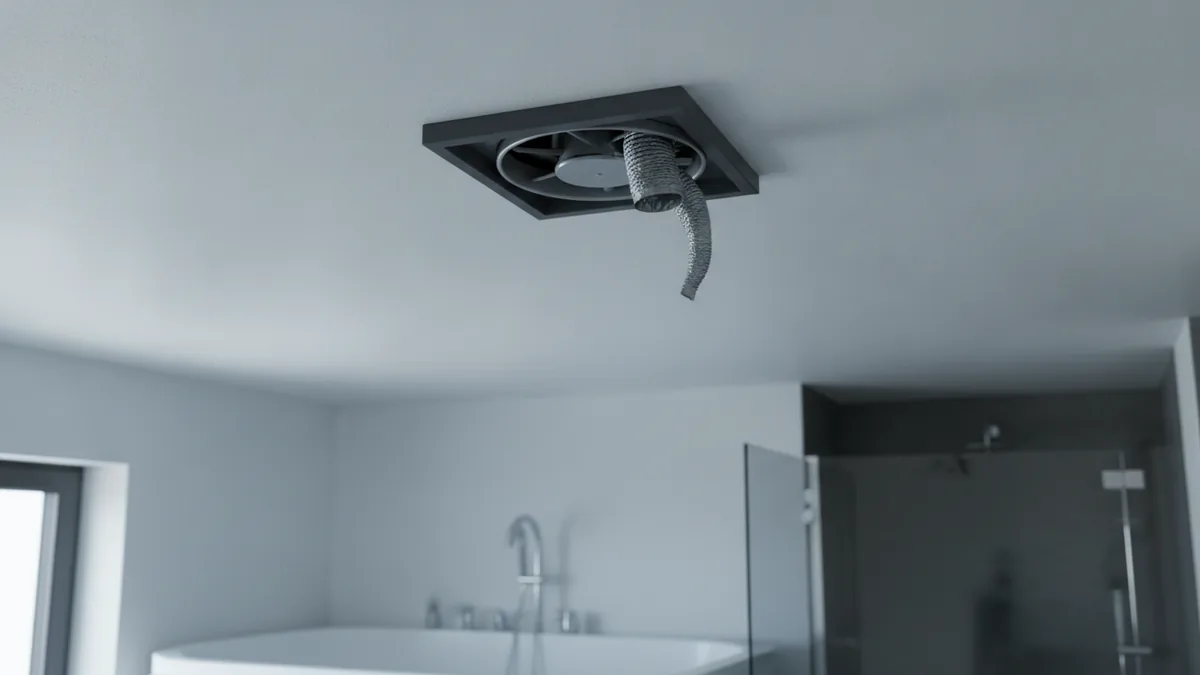
Humidity and poor ventilation are closely linked. A bathroom fan that runs too short, is underpowered, or is clogged can leave the room damp for hours. Without good exhaust, your ceiling sees more condensation after showers.
Other common causes include roof or plumbing leaks, faulty exhaust ducting, and unsealed gaps around penetrations like light fixtures. Sometimes the original painting job also matters, especially if the ceiling was never properly primed or if glossy paint was overcoated without sanding.
| Likely cause | What you may notice | How it leads to peeling |
|---|---|---|
| Moisture from steam | Peeling near shower or exterior walls | Adhesion weakens as water vapor condenses |
| Low ventilation | Fan is noisy, slow, or rarely used | Humidity stays high after baths |
| Ventilation duct issues | Fan runs, but attic smells damp | Moist air recirculates instead of exhausting |
| Small leaks | Cracks, stains, or widening wet marks | Water reaches the ceiling and lifts paint |
Step-by-step repair guide
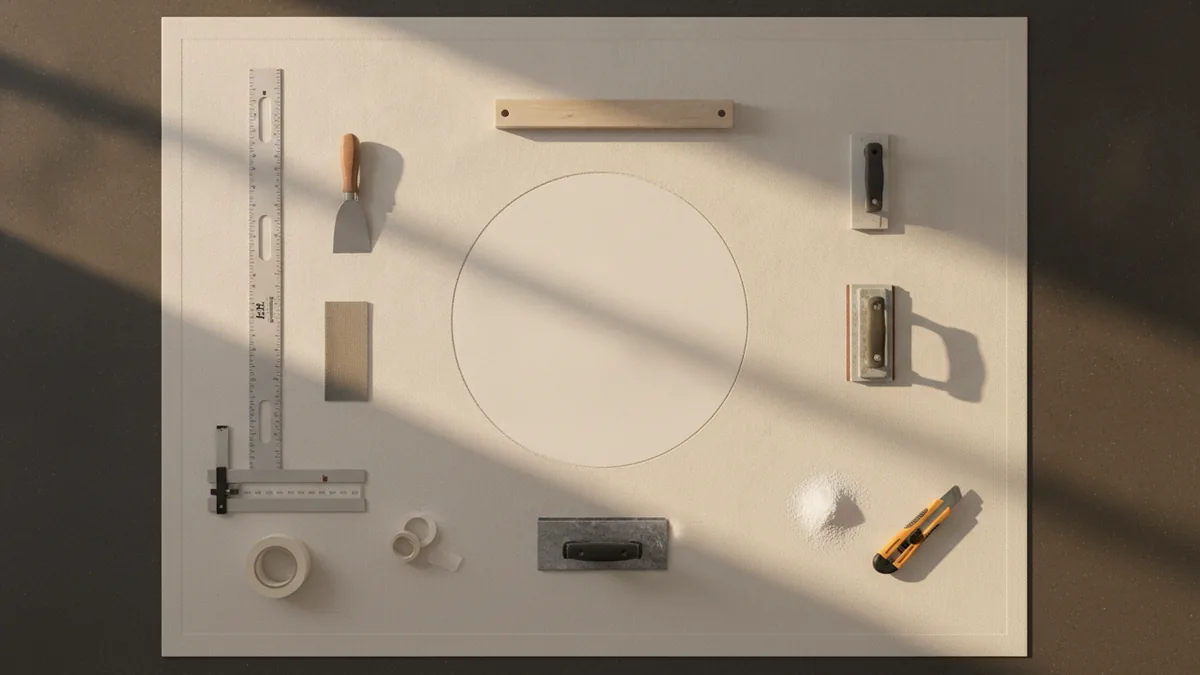
Here is how to fix peeling paint in bathroom ceilings in a way that targets the failure. Start by fixing or reducing moisture exposure. Then remove loose paint and build a strong bond with the right primer before repainting.
- Diagnose the area. Look for active leaks, dark staining, soft drywall, and peeling extent. If the ceiling feels spongy or you see fresh water marks, stop and address the leak first.
- Protect the space. Remove towels and keep the floor covered. Ventilate the room with the bathroom fan or a portable fan during prep and painting.
- Clean the ceiling. Wash off grease, soap film, and dust with a mild cleaner. Rinse and let it dry fully. Paint won’t bond well to residue.
- How to remove ceiling paint in bathroom. Scrape off all loose and flaking paint with a scraper. Sand edges until they are feathered and firm. Vacuum dust and wipe with a damp cloth, then let it dry.
- Repair damaged drywall. If paper is torn, use a suitable drywall patch or compound to smooth the area. Feather the edges so the repair blends into the surrounding ceiling.
- Prime for adhesion and mildew resistance. Apply a stain-blocking primer, especially if you see water stains. Use a mildew-resistant primer if available for damp areas. Let the primer dry per the label.
- Repaint with the right ceiling finish. Use ceiling paint designed for bathrooms. Apply two coats, keeping a steady direction and avoiding heavy loading that can trap moisture.
- Dry and check for recurrence. After the final coat, monitor the area for new bubbling or staining over the next 2 to 4 weeks.
While scraping, you are aiming for a tight surface. If you can pull flakes off with your fingers, you have not removed enough. Paint over unstable layers will peel again.
If you suspect mildew, focus on thorough cleaning before priming. Mildew-resistant coatings help reduce regrowth, but they do not replace proper prep and drying.
Choosing the right ceiling paint for a bathroom
Choosing paint is not just about color. You need the right finish type for moisture-prone environments and ceiling conditions.
When deciding what type of ceiling paint for bathroom use, look for mildew-resistant formulas and a ceiling-friendly sheen. Flat paint can hide imperfections, but it may need more careful cleaning in wet rooms. Eggshell or satin often cleans better, but ceiling-specific labels matter for glare control.
For most bathroom ceilings, use a mildew-resistant ceiling paint made for high-moisture areas. If there are visible stains, select a primer that blocks stains first, then apply the finish coat. In very humid bathrooms, consider a paint system that is specifically rated for bathrooms and steam exposure.
- Mildew-resistant paint helps slow odor-causing growth in damp spots.
- Stain-blocking primer prevents old water marks from bleeding through.
- Ceiling-specific formulation helps limit drips and supports smooth coverage overhead.
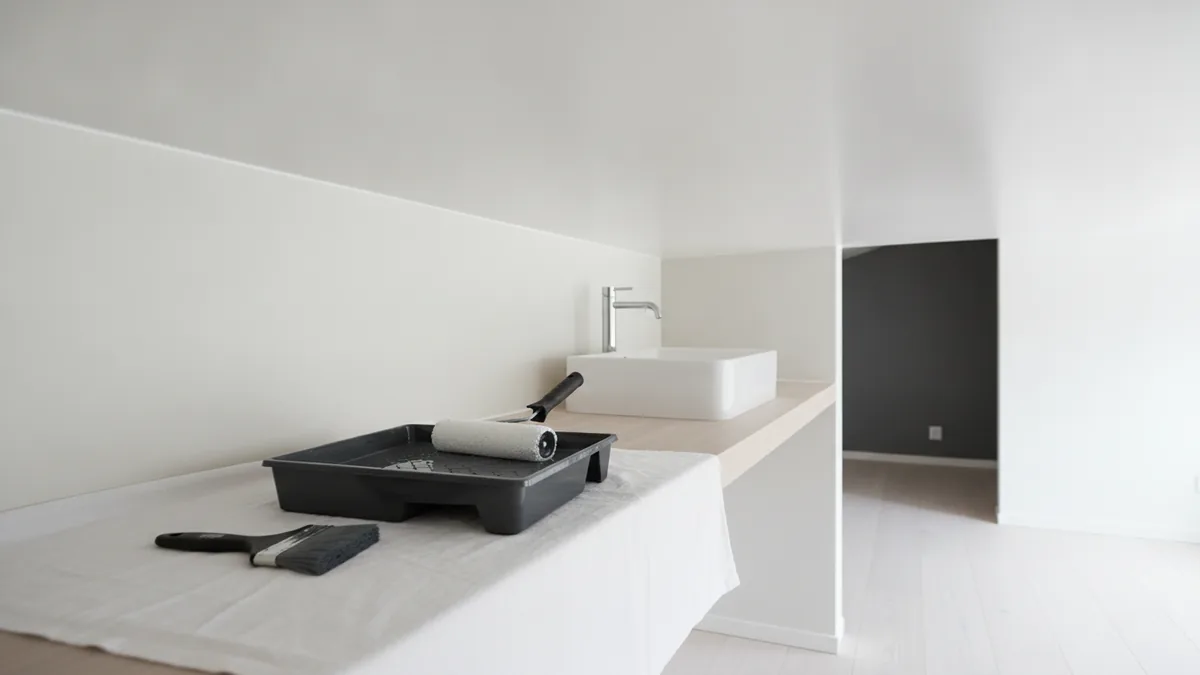
Practical painting techniques also affect results. Use a quality roller cover for a consistent film thickness. Cut in carefully around light fixtures with a small brush, then roll the field without overworking the wet paint.
Preventive measures to avoid peeling
Repairing peeling paint is only half the job. To avoid repeat peeling, you must reduce moisture issues and improve bathroom ventilation. This means controlling humidity after showers and drying the room quickly.
Start with your exhaust fan. Run it during showers and keep it going for 20 to 30 minutes after you finish. If the fan vented outdoors is clogged, the ceiling still sees moisture even if the fan is “on.”
Next, check for steam leaks and condensation sources. Keep shower water contained, and repair grout or caulk that is pulling away. For preventive maintenance in bathrooms, inspect around plumbing penetrations and light fixtures where warm air can leak into the ceiling cavity.
- Use the exhaust fan every shower, not just sometimes.
- Keep bathroom doors closed only if the fan truly exhausts outdoors.
- Fix caulk cracks around tub edges and where fixtures meet the wall.
- Wipe condensation from walls and the ceiling after heavy steam days.
- Check that the ceiling is dry before repainting.
If your bathroom has no exterior venting, you may need a ventilation upgrade. A dehumidifier can help in extreme cases, but fixing ventilation design is the more durable fix.
When to seek professional help
Sometimes peeling paint is the symptom of a bigger issue. If peeling keeps returning within weeks, that is a sign you have unresolved moisture intrusion. In that case, it is usually smarter to bring in a contractor to locate the source.
Call a professional if you find water stains that expand, ceiling sections that feel soft, or bubbling that spreads after normal shower use. You should also seek help if you suspect active leaks from plumbing above or roof issues. Professionals have tools to check moisture inside walls and ceilings without guesswork.
Look for signs that repairing drywall alone will not hold. If you see mold-like growth that returns quickly even after cleaning, or if multiple rooms show peeling around the same time, the system-level cause likely needs attention.
- Ceiling feels spongy or drywall is soft
- Stains spread after repairs
- Peeling returns repeatedly in the same spot
- You hear dripping or see plumbing near the ceiling
- You suspect roof leaks or failed ducting
Getting the moisture source right prevents the endless cycle of scrape, prime, paint, then peel again.
Quick recap: what to do next
To answer how to fix peeling ceiling paint in bathroom, focus on moisture first. Then remove loose paint, prime the right surfaces, and use mildew-resistant paint built for bathrooms. With good ventilation and proper prep, the ceiling can look stable for years.
If you want, measure how much paint is failing and decide whether drywall repair is needed. In most cases, a careful scrape-and-prime process plus moisture control is enough to stop the peeling.
Frequently asked questions
- How to fix peeling ceiling paint in bathroom when it keeps coming back?
- If peeling returns quickly, the moisture source is still active. Check the exhaust fan, ducting, and any plumbing or roof leaks above the ceiling. Then repeat the repair with proper drying, primer, and mildew-resistant paint.
- What causes peeling paint on a bathroom ceiling?
- Most cases come from moisture, humidity, and poor ventilation. Steam condenses on cooler ceiling surfaces, then weakens paint adhesion. Leaks and hidden condensation behind drywall can also play a role.
- How to remove ceiling paint in bathroom without making a bigger mess?
- Scrape off all loose and flaking paint, then sand until the remaining edges are smooth and firm. Vacuum dust and wipe the area so primer can bond. If drywall paper is damaged, repair it before priming.
- What type of ceiling paint for bathroom ceilings works in high moisture?
- Use a mildew-resistant ceiling paint made for bathrooms. Choose a stain-blocking primer first if you see water marks. Apply two coats for a consistent film on ceilings.
- Do I need a mildew-resistant primer or only mildew-resistant paint?
- Primers help with adhesion and stain blocking. If you have visible discoloration, a stain-blocking primer is important. Mildew-resistant paint adds extra protection for damp environments.
- When should I seek professional help for peeling ceiling paint?
- Get help if the ceiling feels soft, stains expand, or peeling returns after correct repairs. Also call a contractor if you suspect active leaks or repeated moisture across multiple rooms.
Related reading
Dining Table Clearance — Space for Chairs and Walkways
Plan table and chair clearances for a dining area that feels comfortable.
Narrow Rooms — Paint, Light and Space
Use paint, light and smart furniture placement to open up a narrow room.
Room Painting Costs — What Shapes Your Quote
Room painting often costs $200–$1,000. See what drives the price and how to compare quotes.