How to Decorate a Narrow Room: Space-Smart Styling Ideas
Make a narrow room feel wider with the right palette, layout, storage, and lighting.
Understanding narrow room challenges
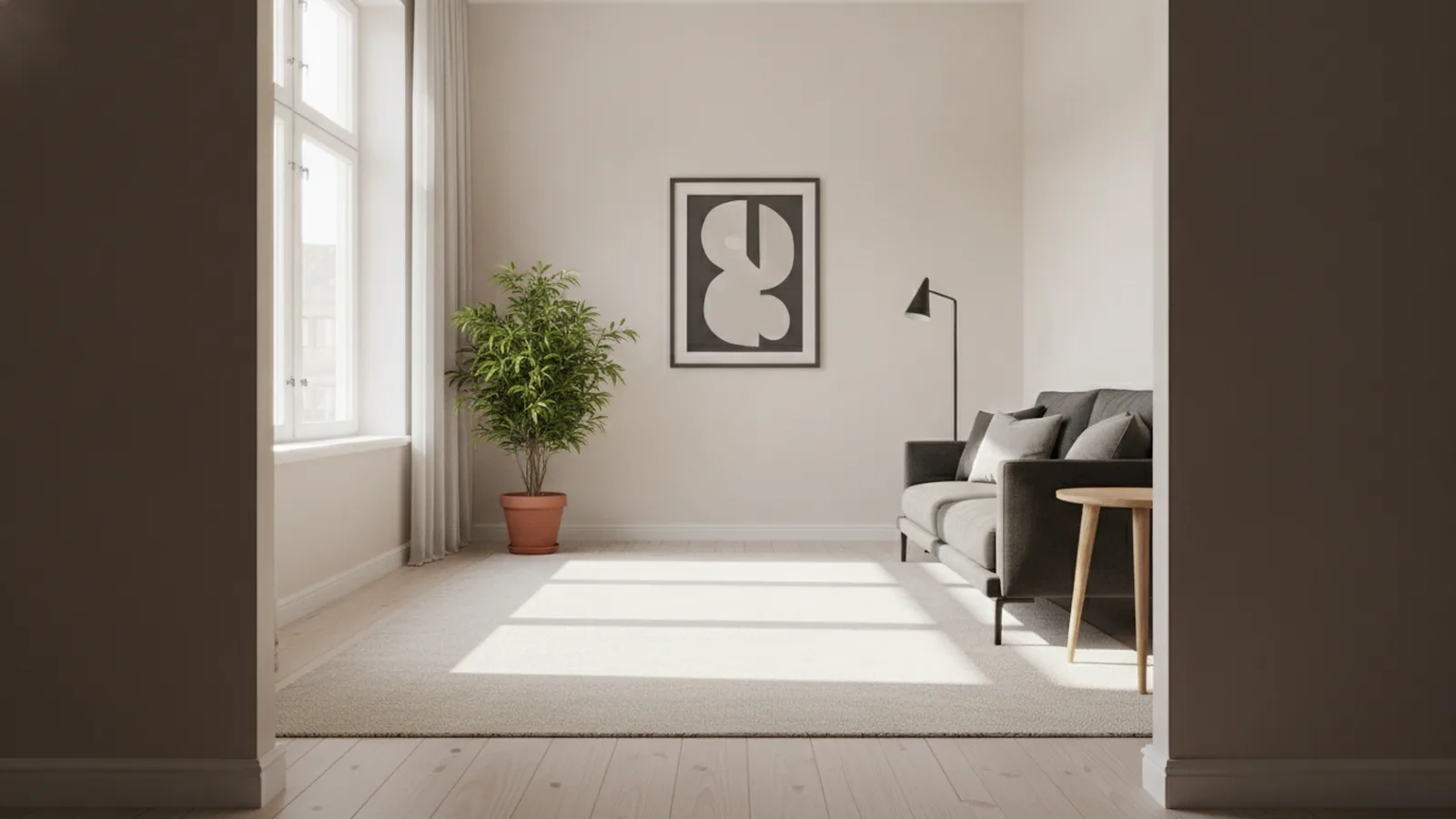
If you want a narrow room to feel welcoming, start with flow. In tight spaces, a single wrong choice can block sight lines and walking paths. The fix is not “more stuff.” It is a plan that guides the eye and keeps movement easy.
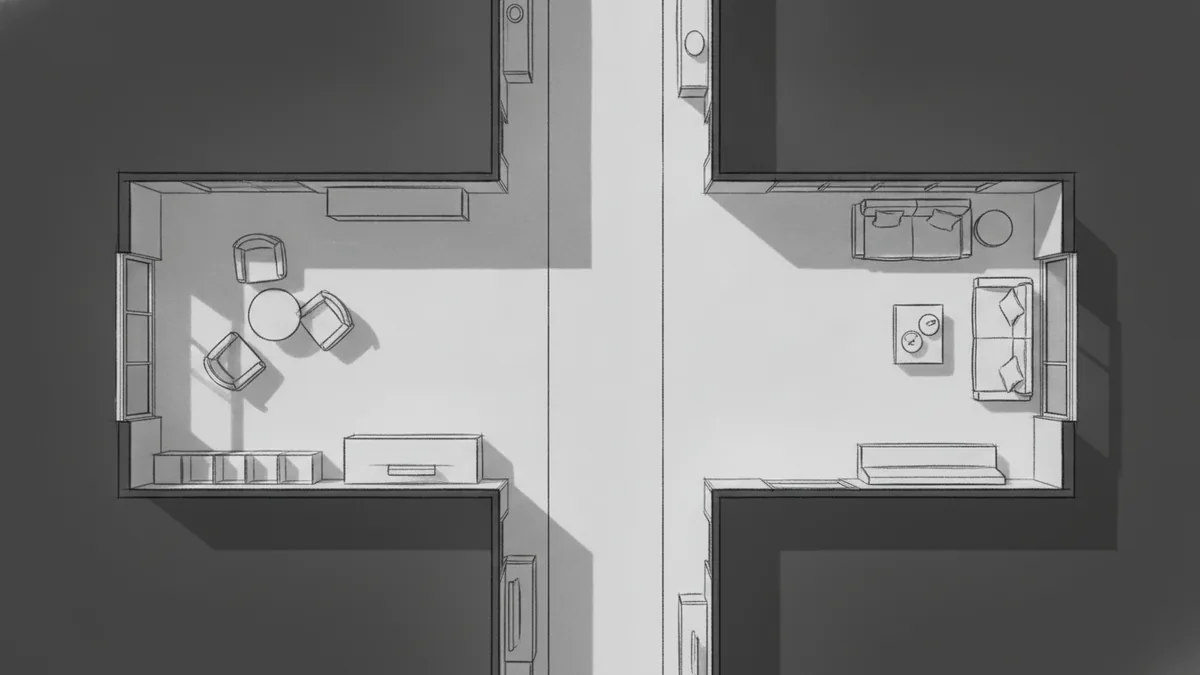
Narrow rooms also exaggerate mistakes in proportion. A bulky dresser, a long sofa, or a rug that runs the wrong way can make the room look thinner. Instead, think in zones. Create a clear entry path, a focal area, and a storage side without squeezing everything into one wall.
Finally, narrow spaces are sensitive to light and contrast. Even small shadows can make the far end feel farther away. Your goal is light and space. You can get there with light colors, intentional placement, and layers of illumination.
- Keep one main walkway clear, from door to the most used seating spot.
- Use furniture sizes that match your width, not your style alone.
- Plan sight lines so the room “opens” as you move through it.
Choosing the right color palette for light and space
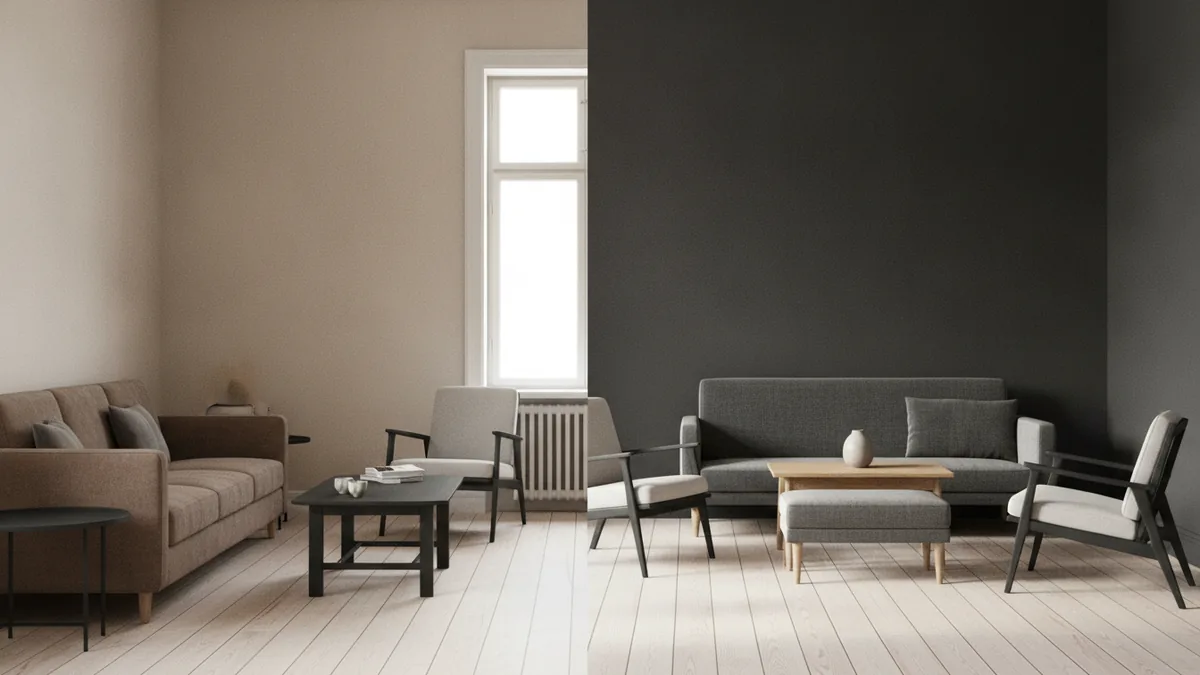
Color theory can do most of the work in narrow rooms. Light colors reflect more daylight and reduce harsh contrast. That effect makes walls feel farther apart. If you want a calm base, try warm off-white, soft greige, or very pale beige on the main walls.
Dark colors have a place too. They can create a cozy mood, especially in a narrow bedroom. Use dark tones as an accent, not the full wrap. For example, paint the headboard wall or choose a darker curtain panel while keeping the other walls light.
To avoid a “tunnel” feel, use value control. Keep the same color family across walls and trim, then vary the finishes. Matte walls with satin trim look smoother to the eye. A glossy ceiling can also bounce light upward.
| Goal | Palette approach | Example |
|---|---|---|
| Feel wider | Light walls, soft accents | Off-white + sand + pale wood |
| More cozy | Dark accent, light surround | Drape black-brown + warm cream walls |
| Fresh and airy | Cool neutrals + crisp whites | Soft gray + bright white trim |
Smart furniture arrangement tips for visual flow
Start with measurement, then decide what “small” means. In a narrow living room, a sofa that is too deep can steal width from the room’s only walkway. Before you buy, measure the clear path you need. A comfortable corridor is often about 30 to 36 inches wide for everyday movement.
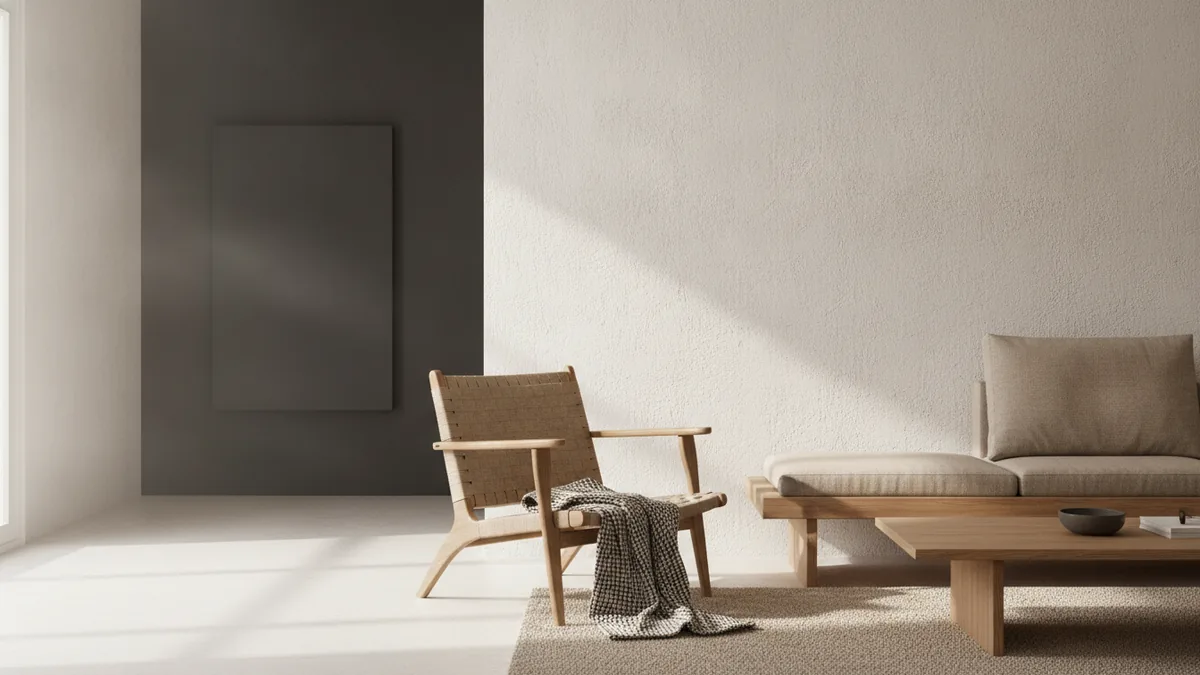
Next, choose furniture that supports space optimization. Multi-functional pieces work because they store and serve at once. Think ottomans with hidden storage, nesting tables, or a bench that also holds blankets. In a narrow bedroom, a bed with drawers can replace extra side tables. That keeps the visual line cleaner.
Then place the biggest items to help the room “read” wider. Float seating slightly off the far wall to create depth. If you use a long console or dresser, keep it near one end, not centered. Use the rug to unify zones, and align it so it does not act like a roadblock.
- Mark your main walkway first, then arrange everything around it.
- Place the largest piece parallel to the room’s length, if it supports flow.
- Use smaller pieces to “step around” the walkway, not cross it.
- Anchor seating with a rug that fits the zone, not the whole room.
If you are wondering how to decorate a narrow living room, here is a common win. Use a slimmer sofa, or place a loveseat along the shorter wall. Pair it with a chair that sits at an angle, so the eye sees corners instead of straight lines. Add a low coffee table or ottoman to keep surfaces open. The room feels less like a corridor and more like a lounge.
Incorporating vertical storage solutions
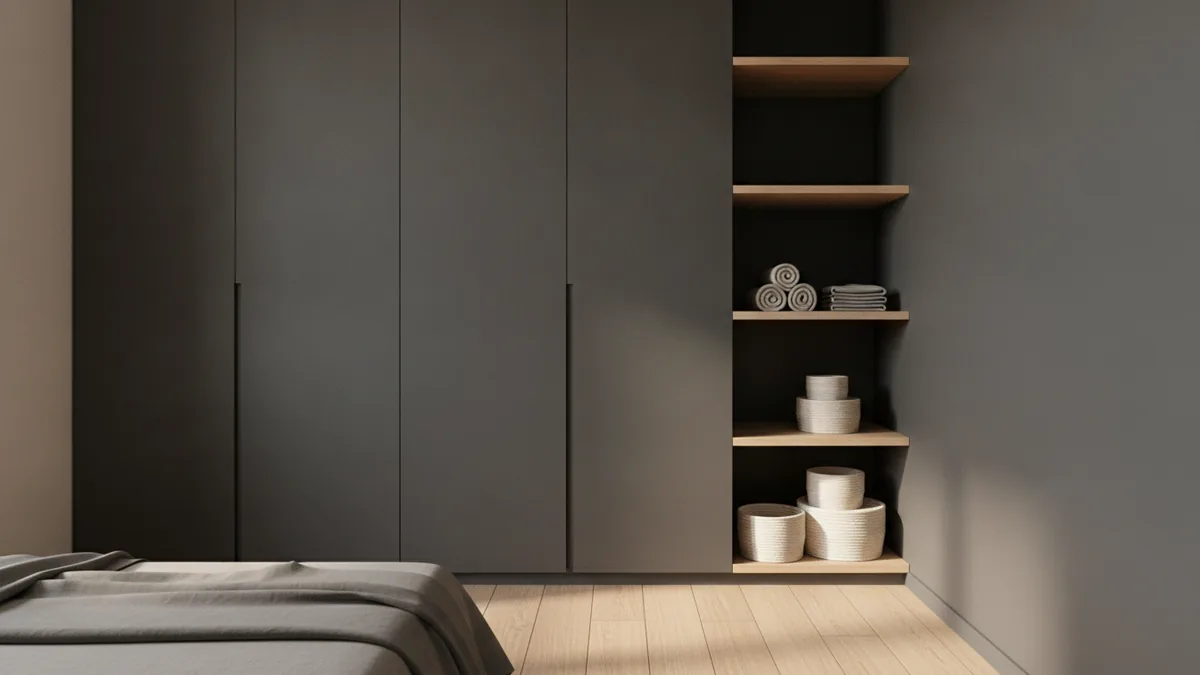
Floor space is the narrow room’s most expensive resource. Vertical storage solutions fix that by keeping items off the ground. Tall cabinets, shelves, and wall-mounted units add capacity without shrinking walkways.
Choose storage that matches your sight lines. If you place tall units on the same wall, the room can feel calmer. It also helps visual flow because your eyes track one continuous vertical rhythm. For a narrow bedroom, a tall wardrobe or bookcase can replace a bulky dresser and reduce clutter on surfaces.
Be smart about shelf depth. Deep shelves can look heavy and steal light from sight lines. For most narrow rooms, shallow shelves are easier on the eye. You can also use open shelving for decorative accents, then close the lower sections with baskets.
- Use a tall cabinet near the room end to reduce “floating” items.
- Mount shelves above eye level to keep them out of your walking zone.
- Prefer doors on lower storage to hide daily mess.
- Group items by height, not by category, for a clean look.
When you learn how to decorate a narrow bedroom, storage is where style and function meet. A wall shelf above the bed can hold reading lights and small decor. A slim wardrobe can handle clothes while leaving the floor open for a light rug. Even one well-chosen cabinet can make the room feel intentional.
Using lighting to enhance space and depth
Lighting is not just brightness. It is light and space you can shape. In narrow rooms, you want both overhead light and “side” light to reduce long shadows. Long shadows make walls feel closer and the far end feel farther.
Start with overhead, but pick the right type. A flush mount or low-profile fixture works better than a hanging pendant in tight quarters. Then add floor lamps or wall lights to wash light across walls. If you can, use warm bulbs around 2700K to 3000K for a cozy feel in bedrooms.
Layering matters for depth. Place one light near seating, like a floor lamp beside a sofa or reading chair. Add a second light near the opposite wall, like a table lamp or wall sconce. This forms a visual triangle that helps the room feel wider than it is.
- Use wall-wash lighting to soften edges and expand perceived depth.
- Choose multiple small sources over one harsh overhead glare.
- In bedrooms, dimmers help you keep the mood without losing clarity.
- Consider LED strips inside cabinets or under shelving for subtle glow.
Overhead fixtures guide the whole room, but your “secondary lights” shape mood. In a narrow living room, side lamps can make the far wall less stark. In a narrow bedroom, they can make nighttime feel calm and not cramped.
Decorative elements that work in narrow spaces
Decorative accents should support the room’s geometry. In narrow rooms, the best decor usually follows a simple rule: reduce visual interruptions. Too many small items across the same wall can create clutter and eye fatigue. Instead, use fewer, larger pieces with intentional placement.
Wall art is a great example. A single large framed piece can anchor the wall without breaking the line. If you use multiple frames, keep them aligned and spaced evenly. For narrower widths, consider vertical art to emphasize height, especially in a narrow bedroom.
Textiles also change how “wide” a room feels. Use curtains that extend closer to the ceiling and wider than the window. That pushes the eye up and out. Rugs help too. If you need to style how to decorate a narrow room, look for rugs that do not cut the walkway. A runner can work, but only if it sits within a defined path and does not collide with furniture legs.
Finally, use mirrors with care. A mirror can bounce light and widen the view, but it can also multiply clutter. Place a mirror opposite a light source or window. Keep the reflection tidy by clearing surfaces near the mirror.
- Choose one large art piece instead of many small ones.
- Hang curtains high to gain vertical space.
- Use a rug to define a zone, not to fill the whole floor.
- Place mirrors to reflect light, not mess.
Frequently asked questions
- How do I decorate a narrow room to make it feel wider?
- Start with a light color palette and keep trim tones close to wall color. Use a rug to define a zone and leave a clear main walkway. Add side lighting to reduce long shadows.
- What is the best furniture layout for a narrow living room?
- Place seating so it supports a clear corridor through the room. Use slimmer pieces, and angle a chair to add depth. Keep the coffee table low or use an ottoman for easier movement.
- How do I decorate a narrow bedroom without making it look cramped?
- Choose storage that goes upward, like a tall wardrobe or wall shelves. Use a bed with drawers to replace extra furniture. Hang curtains high and use vertical art to emphasize height.
- Should I use a dark color in a narrow room?
- Yes, but use it as an accent, not across every wall. Dark headboard walls and deep curtain panels can look cozy while light walls keep the room open.
- What vertical storage solutions work best in narrow spaces?
- Tall cabinets, wall-mounted shelves, and shallow shelving help you store more without eating floor space. Use closed bins or baskets lower on shelves to keep surfaces tidy.
- How many lights should I use in a narrow room?
- Aim for at least two layers: overhead plus one or two side lights. Use dimmers in bedrooms to keep the mood without losing visibility.
Related reading
Couch Placement—Flow, Focus and Comfort
Place your couch to frame a focal point, keep paths clear, and make the room feel balanced.
Master Bedroom — Color, Comfort and Personal Style
Build a calm, personal bedroom with smart choices and a budget that works.
Room Painting Labor Costs — Rates and Budget Factors
See typical room-painting labor rates and learn what drives the final price.