How to Decorate Space Above Kitchen Cabinets (Practical Ideas)
Creative kitchen cabinet decor ideas plus smart ways to fill empty living spaces.
Understanding kitchen cabinet heights
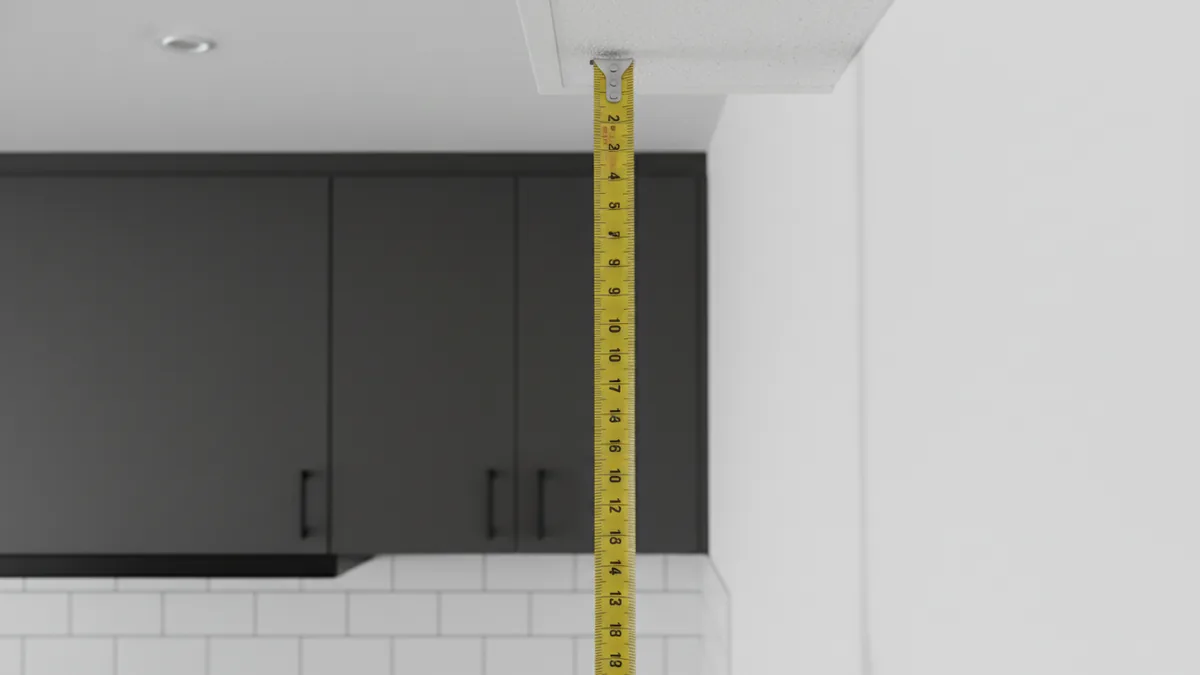
Start by measuring the wall space above your cabinets, not just the cabinet height. Most kitchen cabinets land around 30 to 36 inches tall, while the top of standard uppers often sits near 54 to 60 inches from the floor. That means the “empty band” above them is usually only about 12 to 22 inches high.
Those numbers matter for space planning in interior design. A tall, open gap can handle shelves, larger art, or a mix of decor accessories. A shorter gap works best with slim styling and clean lines, so you do not fight the geometry of the wall.
Use one quick check to guide your choices. Measure three things: cabinet height, the distance from the cabinet top to the ceiling, and the visual width of the run. Then pick a plan that fits that height without making the top feel cramped.
- 12 to 16 inches: flat art, narrow shelf, or a single row of decor.
- 16 to 22 inches: two small shelves or a taller art block with accents.
- 22+ inches: layered shelving, framed gallery, or a plant plus art mix.
Ideas for decorating above kitchen cabinets
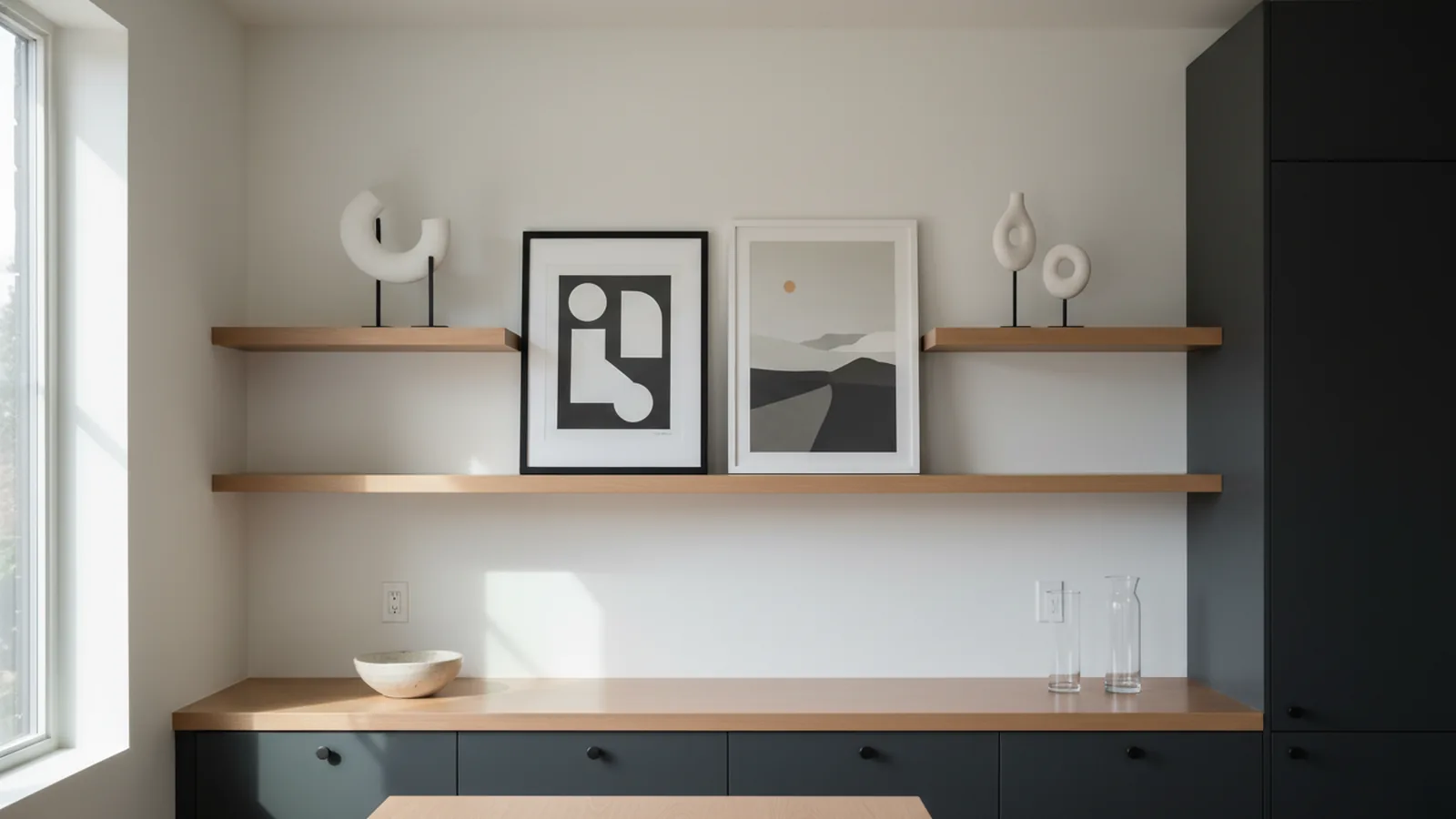
When decorating above kitchen cabinets, treat the space like a mini focal zone. Many people go too small and it disappears, or they go too busy and it looks cluttered. A simple anchor item makes everything else easier.
Shelves are the most flexible kitchen cabinet decor ideas, but keep the scale right. For a slim gap, choose one ledge or a narrow floating shelf. For taller space, use two levels with consistent spacing so shelf styling looks intentional.
Art is another strong option, especially if you want a low-maintort routine. Pick one large piece, or go for a tight horizontal row of smaller frames. Choose matte frames or wood tones that echo your cabinet finish for aesthetic balance.
- Shelves: use matching shelf brackets and vary object height slightly.
- Art: hang at a consistent center height so it reads as one composition.
- Mirrors: great for bright kitchens, especially near windows.
- Textured panels: add warmth without adding visual clutter.
Using accessories for stylish, functional decor
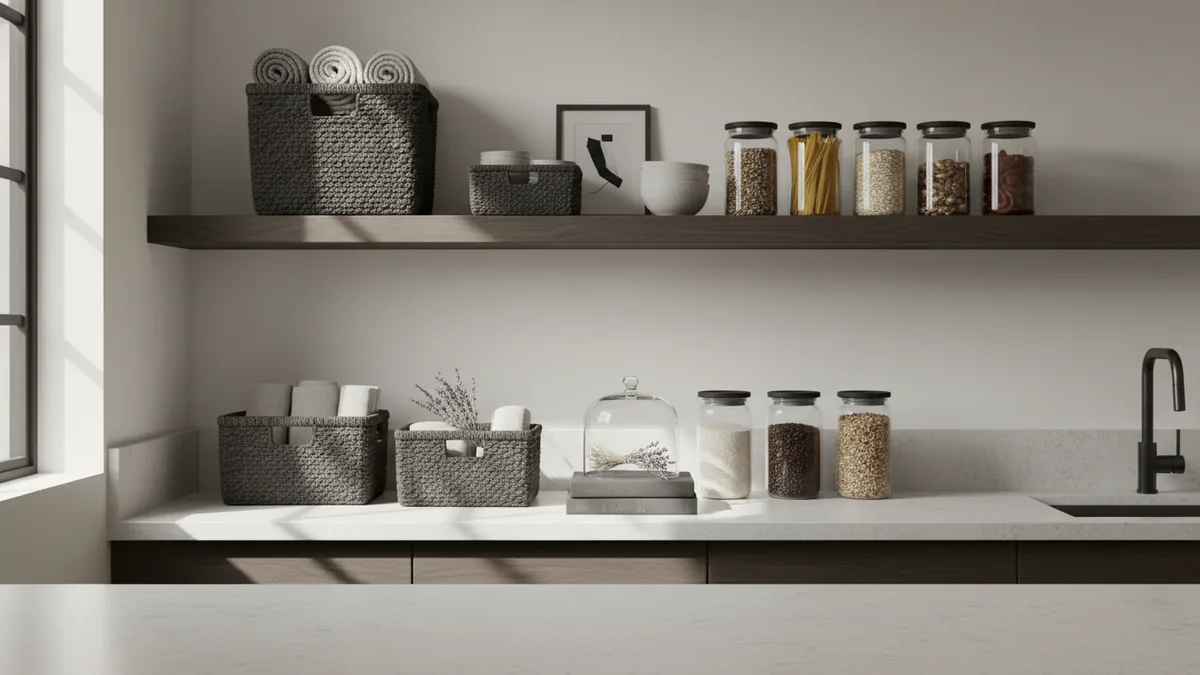
Decor accessories do more than look good. They can also hide practical items, protect surfaces from dust, and help you avoid visual mess. A basket on top of cabinets, for example, can store backup items while still looking curated.
Jars and canisters add shape, and they work especially well in kitchens. Use clear glass for a light look, or matte ceramic if you want a calmer vibe. Keep labels minimal, and group sizes so the row feels planned, not accidental.
Books are underrated for space utilization. Stack a few short books horizontally or vertically, then add a tray to tie the display together. This also helps you control clutter, because you can limit the number of items you show at once.
| Accessory | Best for | Styling tip |
|---|---|---|
| Woven baskets | Warm, casual kitchens | Match one texture in the room, like rattan or wicker. |
| Glass jars | Modern or farmhouse kitchens | Choose one color tone for the contents, like dried herbs. |
| Decor books | Layered shelf styling | Use a tray to define the “collection” boundary. |
| Small figurines | Personal touches | Cluster three items by height for a neat rhythm. |
Plants and greenery in high spaces
Plant decor is one of the easiest ways to bring life to an otherwise blank wall band. Green breaks up the uniform line of cabinets and softens hard surfaces. It also makes the space feel lived-in, not staged.
Choose greenery that fits the height and light. If you have strong kitchen light near the cabinets, a small potted plant or a decorative planter works well. If the space is dim, consider a hardy faux plant with realistic texture, and place it in a planter that matches your palette.
For taller gaps, try a cascading plant style in a tall container. It gives movement without needing lots of items. If you prefer a cleaner look, use a single sculptural plant plus a simple tray or art piece to balance the composition.
- High shelf: use a tall planter with a plant that stays tidy.
- Short gap: use a compact pot with one strong leaf shape.
- Maintenance: rotate plants monthly for even growth.
Personalizing with unique items
Your kitchen cabinets should reflect how you live. That is the best way to avoid generic decorating above cabinets. Think about what you already have that feels meaningful: travel pieces, family ceramics, cooking books, or a favorite art print.
Use personal items as a “collection,” not random scatter. Pick one theme, like pottery, coastal finds, or vintage kitchen tools made into decor. Then group items in odd numbers so the display looks intentional from across the room.
If you collect things, space planning helps you display without clutter. Keep the display tight and store the rest. When you swap seasonal items, the wall stays fresh without turning into a constant dust trap.
- Choose one theme for the top band.
- Select 3 to 6 main objects based on your available width.
- Use one grounding base, like a tray or basket, to unify the items.
- Add one “tall” element to create a clear visual hierarchy.
Maintaining functionality and style (without looking cluttered)
Even if the space looks empty, it often collects dust quickly. Functional decoration means you design for real cleaning, not just initial wow. Keep surfaces wipeable, and avoid displays that force you to move fragile items every time you clean.
Try the “one anchor, two layers” rule. One anchor can be art, a mirror, or a tall plant. The two layers are a mix of medium pieces and smaller accents, like jars, books, or small sculptures. This keeps the look balanced and prevents a top-heavy wall.
Also pay attention to sight lines. If you frequently look at the cabinets from the couch or dining area, choose decor that looks tidy from below. If the space is mostly seen from standing height, you can add a slightly more detailed shelf styling approach.
- Limit items to what you can dust in under 10 minutes.
- Use matching colors or materials for calm cohesion.
- Keep gaps between objects so the display can breathe.
- Store overflow items off top surfaces, even if they match.
Creative solutions for living rooms
These same principles work for similar empty spaces in living areas. People often wonder how to fill a corner space in living room or what to do with extra space in living room. The answer is usually the same: define the space, then choose decor that fits the scale.
Start with the wall above a console, a blank mantel, or the top band near a doorway. Use shelf styling or a gallery wall if the height supports it. If the area is narrow, go for a single framed piece plus one small accessory for contrast.
For broader questions like filling empty space in living rooms, think in “zones.” A living room layout works better when each wall and surface has a job, like holding lighting, creating a conversation backdrop, or adding storage. If you have open space in living room near a window, consider a tall plant, a narrow bookshelf, or an art-led display.
- Empty wall behind a sofa: pick one large artwork or a tight gallery.
- Dead space near a corner: add a tall shelf or slim display unit.
- Open space above a console: mirror plus decor accessories for depth.
- Extra space in dining room: use a runner shelf style with curated objects.
If you are also thinking about how to create an office space in living room, use the same space utilization logic. A small desk and floating shelf can work if the wall band supports storage and visuals. Keep the office zone contained, and let your decor accessories support the workflow instead of competing with it.
Finally, address the “what to put in empty space in living room” question with one practical tactic. Place a large anchor first, like art or shelving, then add smaller items on trays. Trays act like mini boundaries, which reduces the chance of looking cluttered while still feeling personal.
Frequently asked questions
- How to decorate space above kitchen cabinets without clutter?
- Choose one anchor like a large art piece or tall plant. Then add a small number of accessories on a tray or within a defined cluster.
- What is space planning in interior design for this kind of wall area?
- It is planning how the cabinet height, wall gap, and viewing angles shape your decor layout. Measure the space and pick items that fit the gap and sight lines.
- What to do with empty space in living room next to a corner?
- Fill the area with a tall shelf, a slim console, or a stacked display of framed art. Keep the layout narrow and use one vertical anchor to guide the eye.
- What to put in empty space in living room above a console?
- A large mirror, a single framed artwork, or a small plant with a simple tray works well. Limit extra items so it stays balanced and easy to maintain.
- How to fill dead space in living room without adding more furniture?
- Use vertical wall decor like art, shelves, or a mantel-style display. Add one functional item such as a basket or slim book stack for storage.
- How to create an office space in living room when space is limited?
- Use a small desk and one nearby shelf to keep supplies contained. Keep the decor minimal and let the storage support your workflow.
Related reading
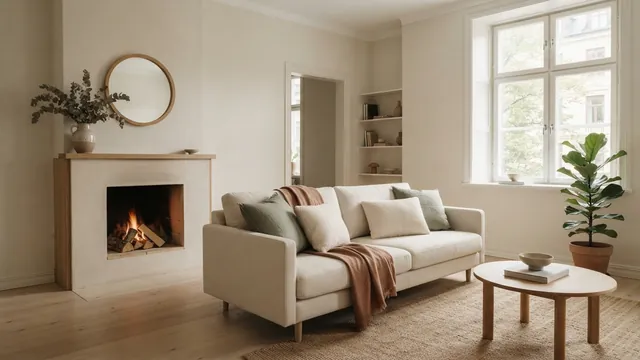
Couch Placement — Comfort, Flow, and Style
Arrange couches for easy movement, good conversation, and a balanced room.
Small Kitchen Design — Light, Space and Smart Storage
Use light, smart storage, and slim furnishings to make a small kitchen feel more open.
Living Room Paint — Measurements and Buying Tips
Measure your walls, count coats, and buy the right amount of living room paint.