How to Clean and Protect a Wood Dining Room Table
Clean your wood table safely and keep its finish looking fresh.
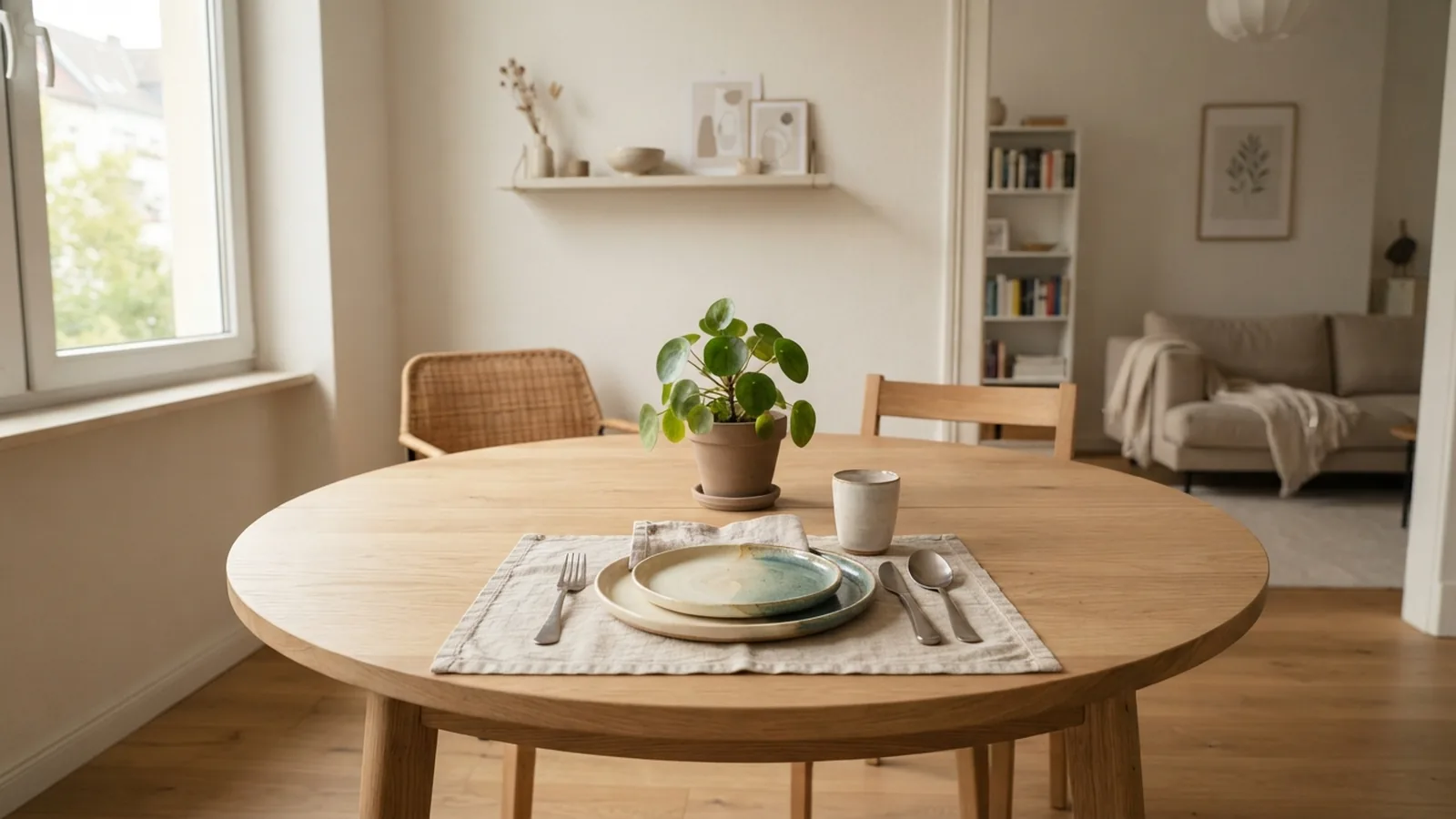
Start With the Right Way to Clean a Wood Table
To clean a wood dining room table, remove dust first. Then wipe it with a damp cloth and mild soap. Dry the surface at once. This simple method lifts food, grease, and dust without soaking the wood.
Regular cleaning helps stop grit from wearing down the finish. It also keeps spills from drying into hard marks. Clean the table after meals when needed. Give it a deeper clean once each week.
Wood reacts badly to standing water and strong cleaners. Never flood the top or leave a wet cloth on it. Test any new product under the table first. A small test can prevent a large repair.
Know Your Table’s Wood Finish
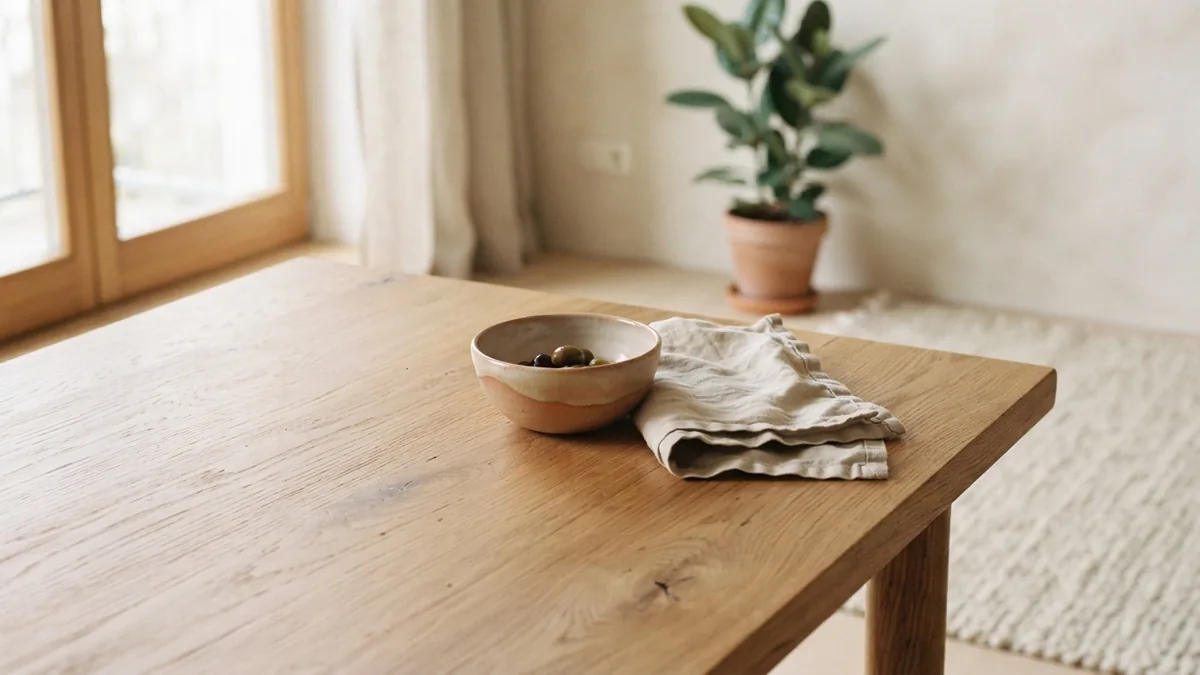
Your finish changes the safest cleaning method. Varnish forms a tough layer over the wood. Lacquer also creates a sealed coat, but some lacquer can react to harsh chemicals.
Oil finishes soak into the grain instead of forming a thick coat. They often look soft and natural. Wax finishes feel smooth and warm. They can show water rings more easily than sealed finishes.
| Finish | What to use | What to avoid |
|---|---|---|
| Varnish | Damp cloth and mild soap | Long contact with water |
| Lacquer | Dry dusting and a lightly damp cloth | Ammonia and strong solvent cleaners |
| Oil | Soft cloth and a maker-approved oil | Soaking and abrasive pads |
| Wax | Dry dusting and gentle buffing | Hot water and spray polish buildup |
If you are unsure, use the gentlest method first. Look for cloudy spots, peeling areas, or a tacky feel. These signs may point to a weak or worn finish. Ask the maker before using oil or wax.
Gather Safe Cleaning Supplies
You need only a few supplies for most wood dining tables. Choose soft cotton or microfiber cloths. Keep one cloth dry for dusting and one for washing.
- Soft microfiber or cotton cloths
- A bowl of warm water
- A small amount of mild dish soap
- A soft toothbrush for grooves
- A dry towel for fast drying
- Wood cleaner made for your finish
Skip paper towels with rough fibers. Do not use steel wool, scouring powder, or rough sponges. Glass cleaner can dull some finishes. Bleach and ammonia may leave pale marks or damage the top coat.
Spray cleaner onto the cloth, not the table. This gives you better control over moisture. It also keeps liquid away from seams and table edges. Less product is usually safer.
Follow This Step-by-Step Cleaning Method
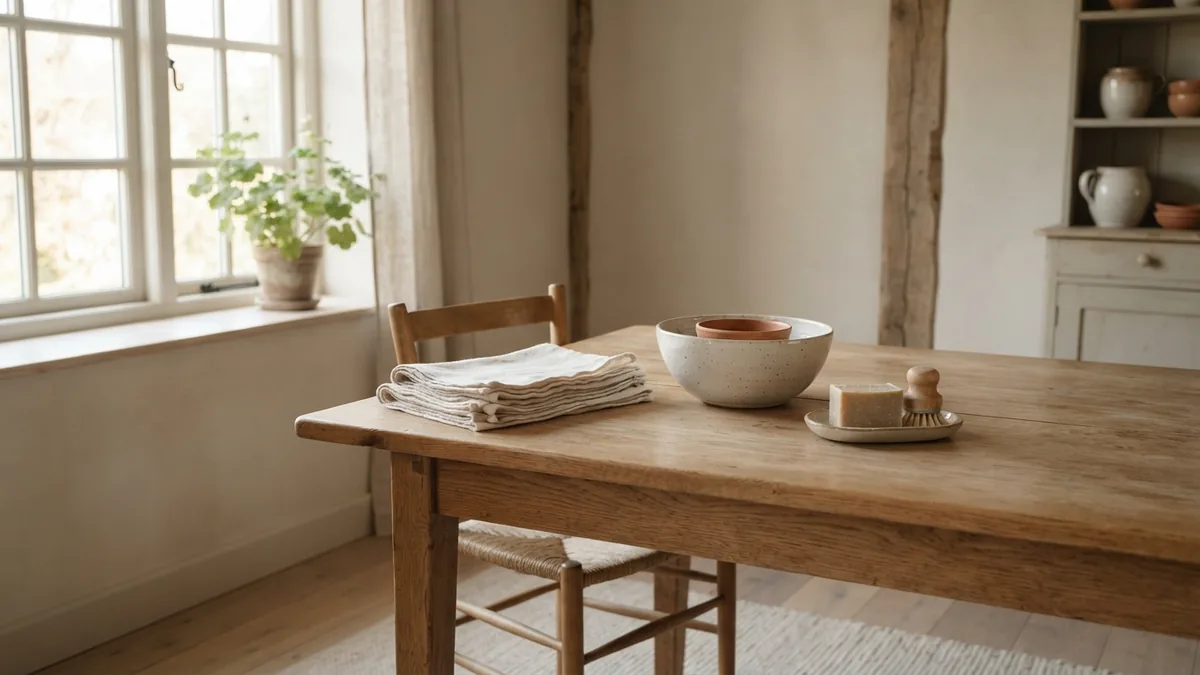
Start by clearing the whole table. Remove dishes, mats, bowls, and decorative items. Dust the top, legs, and apron with a dry cloth. Work with the grain when the wood pattern is clear.
- Mix a mild wash. Add two or three drops of dish soap to one quart of warm water.
- Wring the cloth well. It should feel damp, not wet.
- Wipe small areas. Clean one section at a time with gentle strokes.
- Lift sticky spots. Hold the damp cloth over the mark for 10 to 20 seconds.
- Dry right away. Use a clean towel before moving to the next section.
- Check the edges. Wipe crumbs from joints, corners, and chair rails.
Do not scrub in circles with force. Hard rubbing can make one patch look shinier. Use several light passes instead. Clean chair backs, seats, and legs with the same method.
People often ask how to clean wood dining room chairs. Begin with dry dusting, then use a damp soapy cloth. Pay close attention to the front edge of each seat. Dry every chair before anyone sits down.
For dried food, use a plastic card with a rounded edge. Keep the card flat against the surface. Lift the mark rather than cutting into it. Never use a knife or razor blade.
Try Gentle Homemade Cleaning Solutions
Some clean wood furniture home remedies work well on sealed finishes. A weak soap mix is the safest homemade choice. Vinegar can help cut light grease, but it needs care.
Mix one part white vinegar with four parts water. Dampen a cloth, then wring it almost dry. Wipe a small area and dry it at once. Do not use this mix on bare, waxed, or damaged wood.
Oil-based remedies need even more caution. A tiny amount of mineral oil can refresh some dry-looking surfaces. It does not repair a worn finish. Do not use cooking oil, olive oil, or coconut oil.
Cooking oils can turn sticky and smell stale. They may also trap dust in the grain. Use only a product named for wood care. Follow the maker’s label and test it first.
For an unknown finish, avoid mixing vinegar and oil. The blend can leave a dull film. It can also make later refinishing harder. A mild soap wash is the better first choice.
Remove Stains and Sticky Residue Safely
Fresh spills need quick action. Blot wine, juice, and sauce with a dry cloth. Do not spread the liquid across the table. Follow with a barely damp cloth if needed.
For a greasy film, use warm water with two drops of dish soap. Wipe twice with a clean damp cloth. Dry the area fully. Repeat once rather than using a stronger cleaner.
Water rings can sit in the finish instead of the wood. Place a dry cotton cloth over the ring. Press a warm iron over the cloth for five seconds. Use low heat and check the mark after each pass.
Stop if the finish feels soft or looks cloudy. Wax or oil finishes may need a matching repair product. Deep black marks can reach the wood below the finish. A furniture repair expert may need to sand and refinish that area.
Sticky residue from tape needs slow work. Warm the spot with a hair dryer on its lowest setting. Hold it at least six inches away. Lift the softened residue with a plastic card.
Protect the Surface With Daily Care
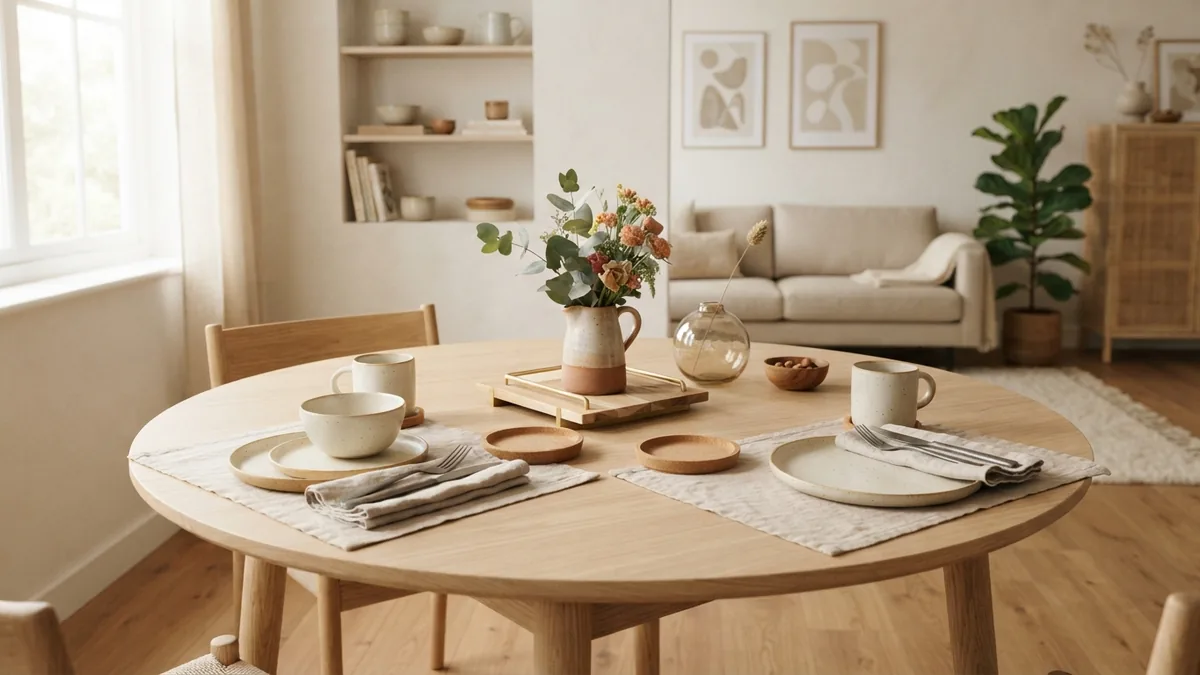
Good wood table care prevents most damage before it starts. Use coasters under every drink, including water glasses. Place hot dishes on heat-safe trivets. Put placemats under plates and serving bowls.
- Wipe spills within a few minutes.
- Keep plant pots on waterproof trays.
- Lift objects instead of dragging them.
- Use felt pads under lamps and bowls.
- Keep the table away from direct heat.
- Maintain steady indoor humidity when possible.
Coasters stop rings from forming under cold drinks. Placemats reduce scratches from grit and cutlery. They also shield the finish from small spills. Choose soft fabric or smooth cork without rough backing.
Sunlight can slowly change the color of wood. Rotate centerpieces and table decorations every few weeks. Keep the table away from radiators and heating vents. Fast changes in moisture can make boards swell or split.
Dust chairs and table legs during your weekly clean. Dirt gathers where the legs meet the floor. Check screws and joints twice each year. Tighten loose hardware before movement causes stress.
A Simple Long-Term Cleaning Plan
Use a dry cloth for light dust each day. Clean food marks after meals. Use the damp soap method once each week. This schedule suits most sealed tables in busy homes.
Inspect the finish every month. Look for dull patches, cracks, lifted edges, and pale rings. Note where damage starts. Early care costs less than a full refinish.
Follow the finish maker’s care guide when you have one. Products made for varnish may not suit wax or oil. Keep the cleaner bottle away from the table. A leak can leave a mark within minutes.
The best cleaning method is gentle, quick, and consistent. Use little water and dry every surface. Protect the top with coasters and placemats. Your table will stay cleaner and keep its finish longer.
Frequently asked questions
- How do you clean a wood dining room table safely?
- Dust it first. Then wipe it with a barely damp cloth and mild dish soap. Dry the surface right away.
- What is the best cleaner for a wood dining table?
- A small amount of mild dish soap in warm water works for most sealed finishes. Use a maker-approved wood cleaner when the finish needs special care.
- Can you clean wood furniture with vinegar?
- Yes, on some sealed finishes. Mix one part white vinegar with four parts water, test it first, and dry the surface quickly.
- How do you remove sticky residue from wood furniture?
- Warm the residue with a hair dryer on low heat. Lift it with a flat plastic card, then wipe the area with mild soapy water.
- How do you clean wood dining room chairs?
- Dust each chair first. Wipe it with a well-wrung damp cloth and mild soap, then dry the seat, back, legs, and joints.
- Do coasters and placemats protect a wood dining table?
- Yes. Coasters help prevent drink rings, while placemats reduce scratches, crumbs, heat, and small spills.
Related reading
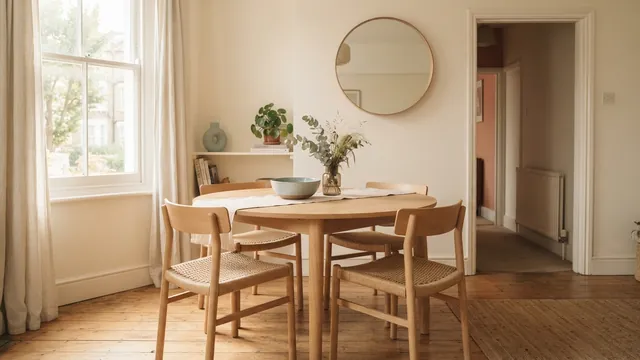
Dining Table Clearance — Space for Chairs and Walkways
Plan table and chair clearances for a dining area that feels comfortable.

Narrow Rooms — Paint, Light and Space
Use paint, light and smart furniture placement to open up a narrow room.
Room Painting Costs — What Shapes Your Quote
Room painting often costs $200–$1,000. See what drives the price and how to compare quotes.