How to Keep Cats Off Furniture: Effective Home Remedies
Use scent deterrents and DIY sprays to keep cats off furniture and reduce scratching damage.

Understanding cat behavior behind furniture visits
The fastest way to pick the right home remedy is to understand why your cat targets that spot. Cats often choose furniture for comfort, heat, and a good view of the room. They also treat familiar areas as territory, which makes repeated visits feel “normal” to them.
Scratching is not just about claws. Cats scratch to shed the dead outer layer of claw, stretch their bodies, and leave scent signals. If the furniture provides a rough texture, high height, or a stable landing point, it becomes an ideal scratch target.
That means “repel them” alone usually fails. You get better results when you combine scent deterrents with scratching alternatives. It is also important to remember that cats notice smells and patterns quickly, so consistency matters.
- Comfort and warm surfaces attract cats
- Territory cues make repeated visits likely
- Scratching supports claw care and stretching
- Texture and height shape where scratching happens

Common home remedies that act as scent deterrents
Many effective home remedies rely on scent deterrents. Cats often dislike citrus and certain herbal smells, including rosemary. You do not need to make the area “smell bad” all day. You need a scent contrast strong enough to make the furniture feel less appealing.
Start with low-risk options first. You can place scent-safe items near the edges of the furniture, like fresh rosemary sprigs or citrus peels in a vented container. Replace them every day or two because odors fade quickly in most homes.
If you want a more practical approach, use a light misting method on the problem surface. The goal is to keep the scent where the cat lands or scratches. Focus on the contact zones, such as the armrest corner or the seat seam.
- Rosemary: try fresh sprigs or diluted rosemary scent products
- Citrus: use orange or lemon scent sources carefully
- Strong herbal smells: use sparingly to avoid irritation
- Repeat consistently: cats learn routines fast
As a quick note, people sometimes ask about “home remedies” for dogs too. Dogs scratch and mark differently, so the scent choices and training feel different. If you also deal with dog damage, pair deterrents with behavior cues and a proper outdoor or indoor scratching setup.
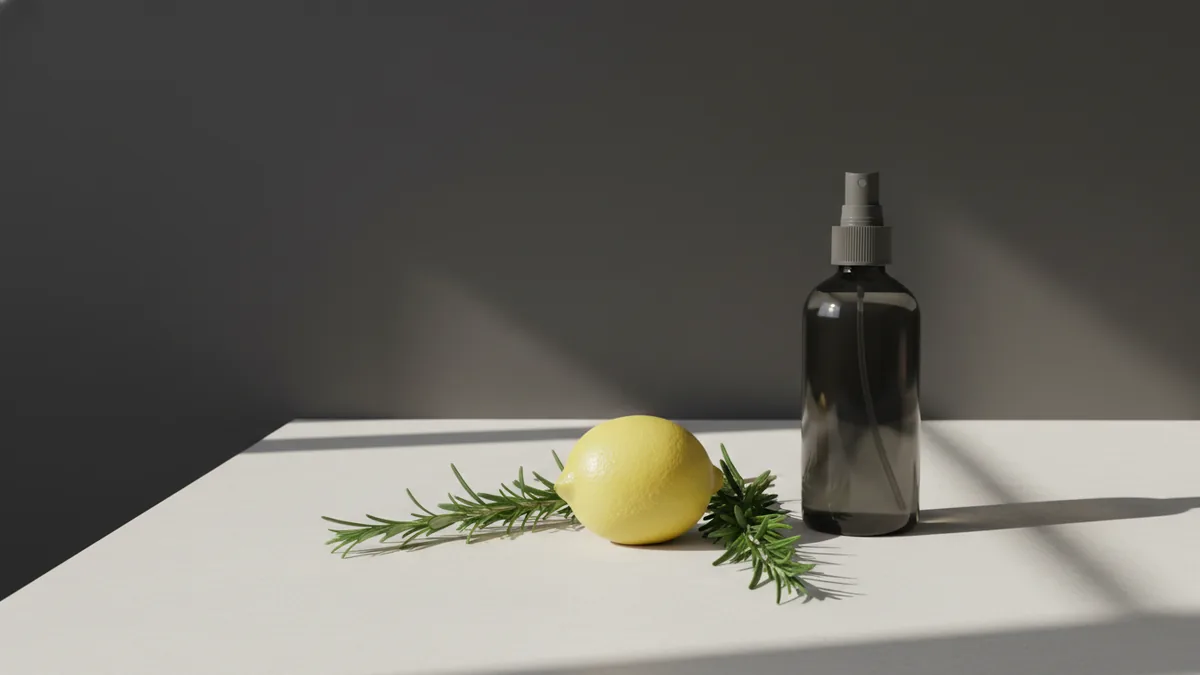
DIY repellent spray recipes using lemon and rosemary
If you are searching for how to keep cats off furniture home remedy options, a DIY spray is often the most controllable method. Many recipes use essential oils like lemon and rosemary mixed with water. You can also use lemon juice, but essential oils usually give a stronger and steadier scent.
Before you use any spray, test it on an inconspicuous spot. Check for color change, tackiness, or fabric breakdown after it dries. This step protects furniture protection and prevents costly stains.
Choose one of the recipes below and keep it simple. Also, make only small batches so the scent stays fresh. Cats can be sensitive, so avoid over-strong mixes.
Recipe A: Lemon and rosemary water mist
- 1 cup water
- 3 to 5 drops lemon essential oil
- 2 to 3 drops rosemary essential oil
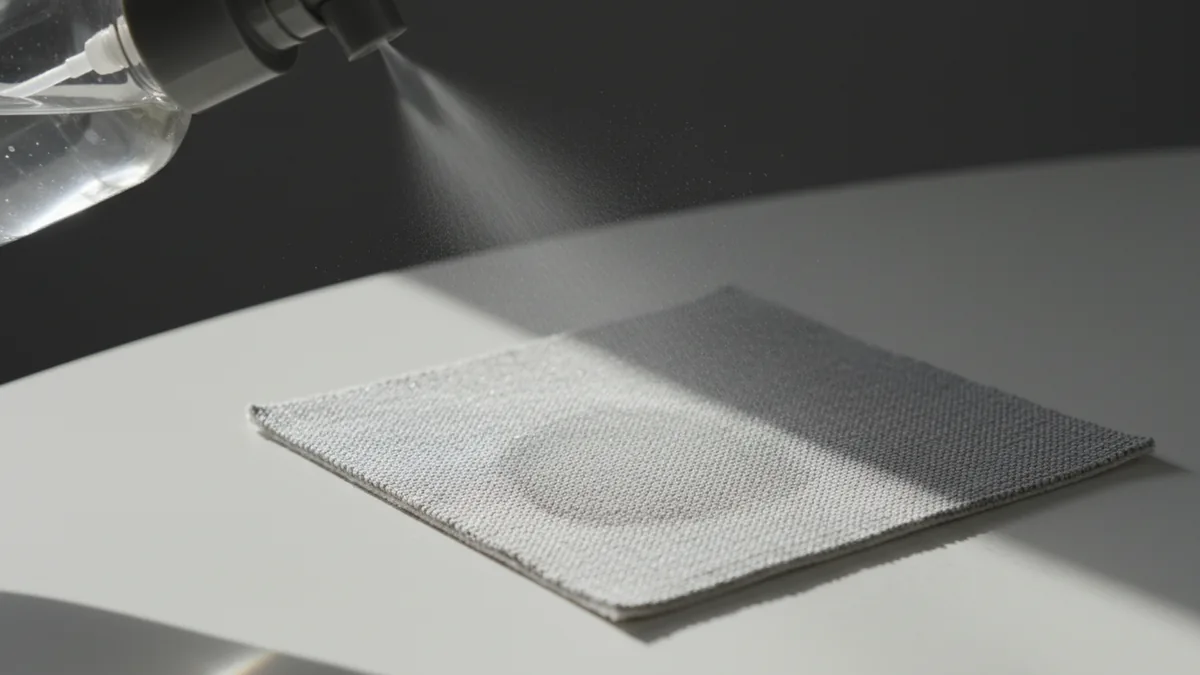
Mix in a spray bottle and shake gently. Spray a light mist on the contact areas only. Let it dry fully before your cat gets access.
Recipe B: Citrus herb deterrent with rubbing alcohol (for hard surfaces only)
- 1 cup water
- 1 to 2 tablespoons rubbing alcohol
- 3 drops lemon essential oil
- 2 drops rosemary essential oil
This tends to evaporate faster, which can help on hard wood or tile. Do not use it on delicate upholstery, suede, or unfinished surfaces.
How to apply the spray safely
- Test first on a hidden corner.
- Spray lightly and evenly at the scratch height.
- Reapply after cleaning or every 1 to 3 days.
- Stop if you notice breathing irritation in your cat.
If your main goal is how to stop cats from scratching furniture home remedies, apply the spray to the exact scratch zones. Cats often scratch the same vertical strip, so target the strip, not the whole couch.
Try pairing the spray with “catch and redirect” moments. When you see the cat approach, offer the scratching alternatives right away. That teaches the new routine faster than scent alone.
Additional tips for furniture protection and faster results
Home remedies work best when you reduce opportunities to practice the unwanted habit. That means blocking access to the highest-value furniture spots during peak times. Many cats prefer morning and evening routines, when households are awake and predictable.
You can also change the surface the cat likes. For instance, covering the armrest with a washable cover limits the scratch texture. If the cat cannot get traction, it often shifts attention to a new option.
Another practical approach is to reinforce bad experiences with bad timing. If you can do it safely, keep the spray application consistent right after cleaning sessions. Odor memories fade, so cleaning can reset the trigger.
| Situation | What to try | Why it helps |
|---|---|---|
| Cat scratches the corner of a couch | Light mist to the seam line | Scent deterrents target the exact landing spot |
| Cat climbs onto the back of a chair | Use a cover or barrier during evenings | Prevents repeated practice |
| Cat ignores spray after a few days | Replace fresh scent sources | Odors fade, so refresh the deterrent |
| Cat looks for “new” furniture areas | Spray any newly tried zones early | Stops the habit from spreading |
When asking what home remedy will keep cats from scratching furniture, it helps to think in “systems.” The system is scent deterrents plus access control plus scratching alternatives. If you only do one piece, the cat can still find a way.

Setting up scratching alternatives cats prefer
To stop scratching furniture home remedies from feeling like a constant battle, give your cat a better choice. Many cats scratch what feels good to stretch, grip, and claw. That is why scratching posts often work when they match your cat’s current furniture texture.
Start with placement. Put the scratching post within a few feet of the targeted furniture. If your cat sleeps on the couch, place a cat tree nearby so height and vantage stay consistent. Cats like “their” route through the room.
Next, choose the right material. If your couch fabric feels similar to rope or cardboard scratchers, your cat may switch faster. You can also try both. Offer one post at your cat’s favorite height and another closer to the ground.
- Place near the furniture cat already targets
- Match height: back scratching likes vertical posts
- Match grip: rope, sisal, or cardboard can help
- Reward early use with treats or play
DIY pet care works best with positive reinforcement. When your cat uses the post, reward it right away. Over time, your cat learns that scratching the post gives attention and satisfaction.
If the cat keeps returning despite alternatives, try temporary barriers. Close the room or limit access to the furniture during the first week. Then reintroduce access while keeping the spray routine on contact zones.
With consistent scent deterrents and scratching alternatives, many homes see clear improvement in 1 to 3 weeks. If your cat scratches to the point of injury, or you cannot deter it at all, ask a veterinarian or a certified behavior professional for a plan.
Frequently asked questions
- What home remedy will keep cats from scratching furniture?
- A safe home remedy is a diluted lemon and rosemary scent deterrent applied to the scratch seam. Pair it with a scratch post near the furniture for best results.
- How to keep cats off furniture home remedy without damaging fabric?
- Always spot-test first on an inconspicuous area once it is fully dry. Use a light mist, not a soaking spray, and avoid fragile upholstery.
- How to stop cats from scratching furniture home remedies if they keep returning?
- Refresh the scent every few days and block access during peak times. Redirect immediately to a nearby scratching post when you catch them approaching.
- Can I use citrus or rosemary scents directly on furniture?
- Yes, you can try fresh rosemary or citrus peels in a controlled container near the furniture. For direct surfaces, use a tested diluted spray instead.
- Are DIY repellent sprays safe for cats?
- They can be, if diluted well and used sparingly. Stop if your cat shows breathing irritation, and never use oils in stronger mixes.
- Do scratching alternatives work better than sprays?
- They usually work better long term. Sprays reduce the behavior while the cat learns to use the post instead.
Related reading

Couch Placement — Comfort, Flow, and Style
Arrange couches for easy movement, good conversation, and a balanced room.

Small Kitchen Design — Light, Space and Smart Storage
Use light, smart storage, and slim furnishings to make a small kitchen feel more open.

Living Room Paint — Measurements and Buying Tips
Measure your walls, count coats, and buy the right amount of living room paint.