Interior Painting Costs and Best Practices (Per Room, DIY vs Pros)
Interior paint costs, timelines, and best practices for lasting rooms.
Cost overview for interior painting
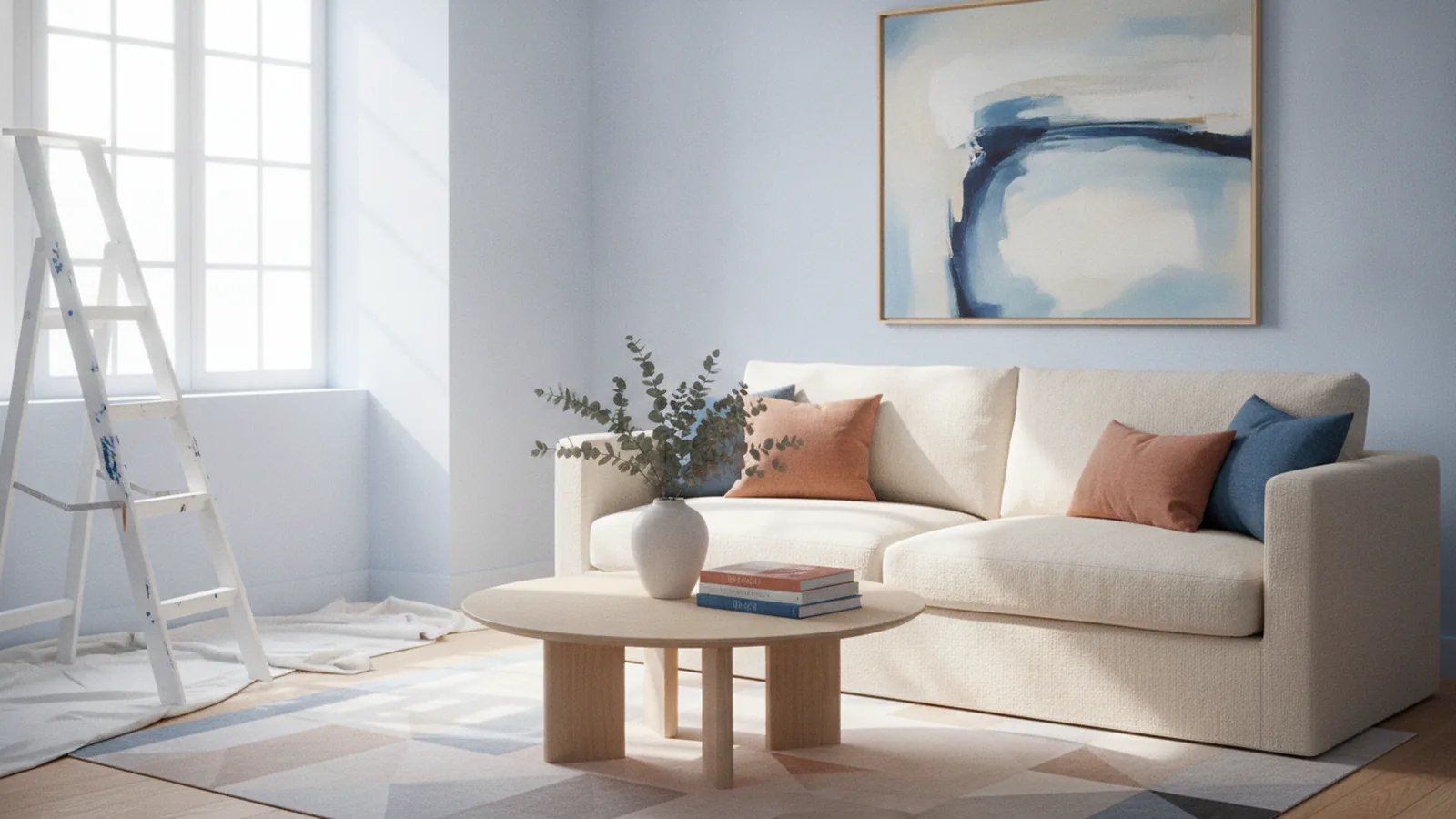
If you are wondering how much to paint a interior house, a good rule is $2 to $6 per square foot. That range covers typical materials and labor for most standard rooms. Whole-house repaint costs often land between $3,000 and $15,000, depending on home size and surface conditions. If you want a fast estimate, start with your total wall area and multiply by your expected per-square-foot rate.
To sanity-check your budget, compare a room-by-room plan to the full-house range. For many homes, bedrooms and living spaces drive most of the wall area. Bathrooms and kitchens can cost less in square footage, but they may need extra prep for moisture and grease. That is why interior painting cost estimates often vary even when the home sizes are similar.
Here is a quick reference for the most common pricing question: how much does it cost to paint an interior house? Most homeowners see a typical spend in the low-to-mid thousands, unless the home is large or needs major repair work. That said, trim-heavy homes and older plaster can push costs higher.
- Typical interior painting cost: $2 to $6 per square foot
- Whole house repaint: $3,000 to $15,000
- Most price swings come from prep work and surface repair
What drives painting costs up or down
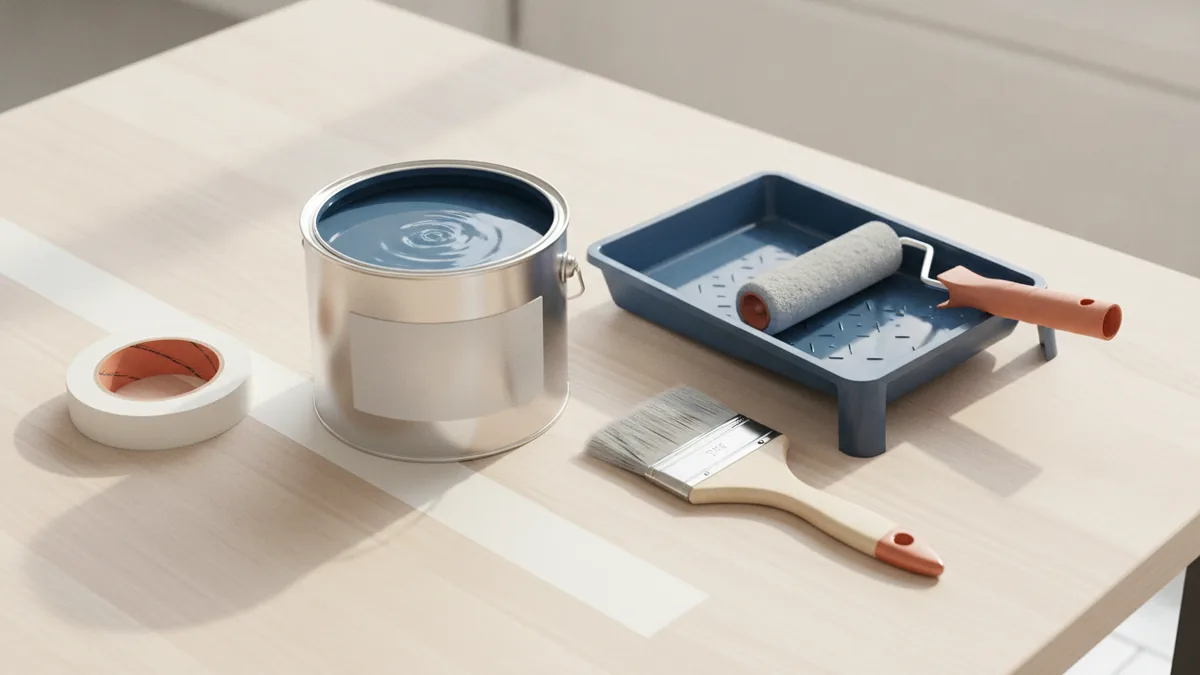
The biggest reason interior painting cost estimates differ is prep. Peeling paint, cracking drywall, stains, and patch work take time before a brush ever touches a wall. Prep work for painting also affects how long the new coat lasts, because good bonding starts at the surface. If a contractor budgets “fresh paint only,” you should ask what they assume for sanding, patching, and priming.
Several job details change labor hours and material amounts. Room size matters because it determines wall and ceiling area. Ceiling height increases coverage and makes rolling and cutting slower. Trim details matter too, because more doors, baseboards, and door frames usually means more cutting time and masking.
Even the wall condition can change the paint system you should use. Stained areas may need a stain-blocking primer before top coats. Kitchens may need degreasing and sealing around recurring moisture or cooking residue. These steps can raise the quote, but they prevent the common failure mode of early peeling and blotchy finish.
- Room size and total wall area
- Wall condition (patches, cracks, peeling paint)
- Ceiling height and whether ceilings are included
- Trim level (baseboards, doors, built-ins)
- Need for priming, stain-blocking, or moisture sealing
Average costs by room type
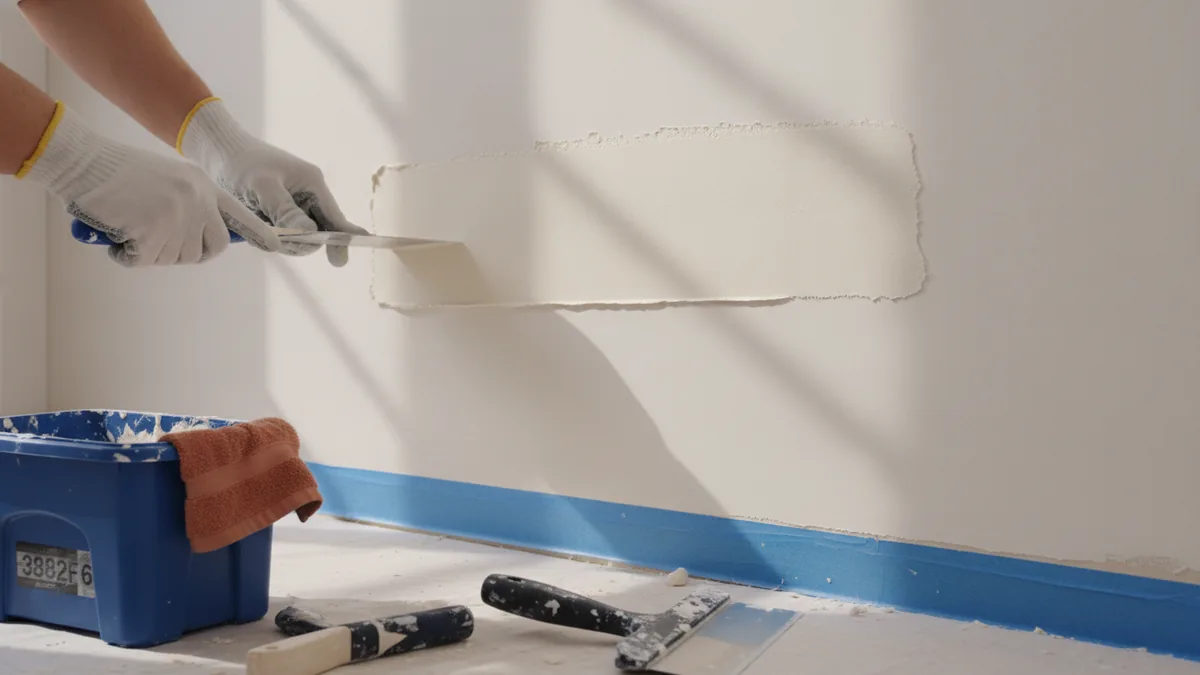
If you are planning room-specific painting prices, use the ranges below as starting points. These are common homeowner estimates for a typical paint scope, such as two coats plus standard prep. Your total for each room can shift when you add ceilings, lots of trim, or heavy repair work.
Bedrooms tend to be moderate because surfaces are mostly interior drywall and standard trim. Bathrooms often cost more per square foot even if they are smaller, because they require better moisture handling and tighter prep around edges. Kitchens usually sit at the higher end because grease and splatter need proper cleaning and sealing.
As a reference for how much is it to paint interior of house by room, plan around these typical totals. If you are seeing quotes below these ranges, ask what is excluded. Common exclusions include ceiling paint, priming, and drywall patching.
| Room type | Typical total cost | Why it varies |
|---|---|---|
| Bedrooms | $400 to $800 | More open wall area, fewer moisture issues |
| Bathrooms | $300 to $600 | Moisture sealing and stain-blocking prep |
| Kitchens | $600 to $1,200 | Degreasing, splatter cleanup, sealing |
DIY vs. professional painting
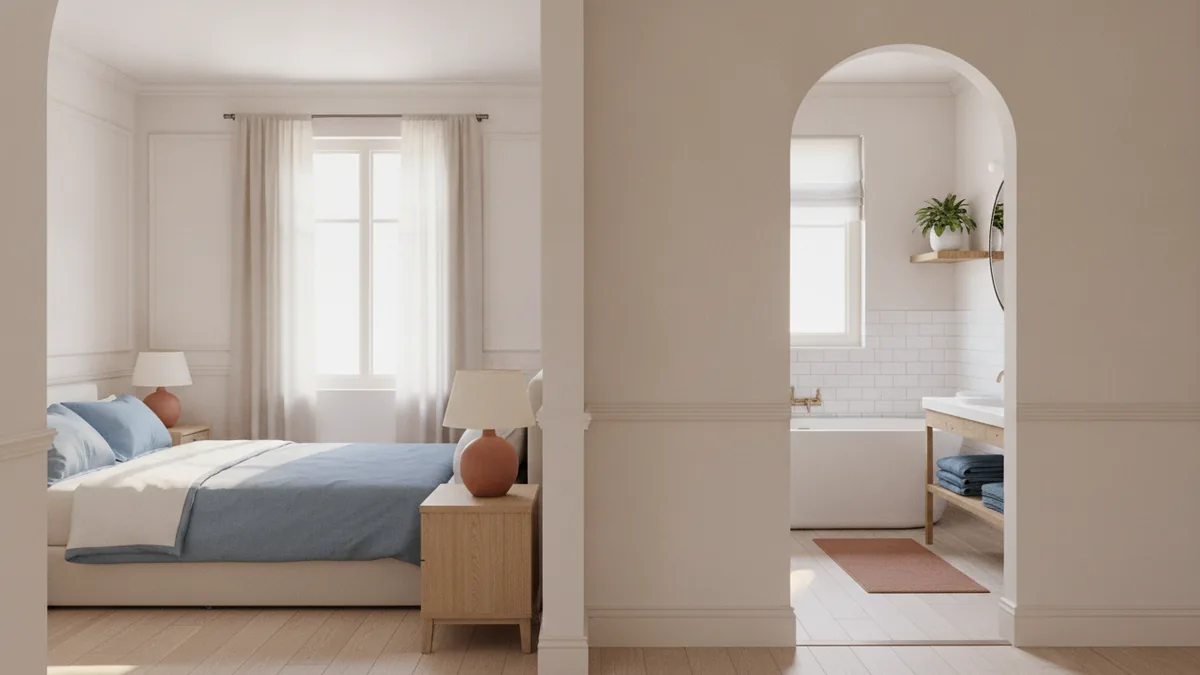
Choosing professional vs. DIY painting is mostly about time, risk, and finish quality. If you are looking at how to paint the interior of your house yourself, you can often control costs on paper. But you may still pay extra for materials when you discover you need more primer, caulk, or sanding than expected. A rushed DIY job also tends to hide flaws less well, which can make touch-ups more frequent.
Professional painters usually charge for labor and project management. A contractor’s advantage is steady workflow and faster coverage. They also bring systems for surface prep, edge cutting, and cleanup. That is why professional vs. DIY painting often comes down to whether you value predictable results and lower risk of rework.
DIY can be cheaper when the walls are in good shape and the job is straightforward. But how to paint interior of old house changes the equation quickly. Older plaster, stained ceilings, and uneven surfaces often need more prep and may require specialty primers for paint quality and longevity. In those cases, DIY can become a time sink with a higher chance of peeling or flashing.
- Ask what the quote includes (primer, patching, ceilings, trim coverage).
- Request a written scope that matches your walls’ condition.
- Get at least two bids and compare prep line items, not just totals.
- If DIY, plan extra time for drying and recoat windows.
Best practices for a clean, durable interior finish
Prep work for painting is the difference between a finish that looks great today and one that holds up next year. Start by cleaning walls to remove dust, residue, and oils. Then inspect for cracks, holes, and peeling paint. Any loose paint should be scraped back to solid edges, not just painted over.
Next, patch and sand until the surface is uniform. Caulk gaps around trim and between walls and molding to reduce drafts and improve edge sharpness. Prime as needed, especially for stained areas or bare patches. This step can raise your up-front spending, but it prevents uneven color and early failures.
For technique, keep a wet edge while rolling and back-brushing near cut lines. Use consistent pressure on roller nap so texture stays even across rooms. Cut in the perimeter neatly before rolling large areas. Finally, avoid overloading the roller, since it can create streaks and dry marks.
- Clean, scrape, patch, sand, and prime based on wall condition
- Use masking only where it helps, like tricky trim edges
- Plan coats and drying time so you do not trap moisture
- Use the same product line across rooms for color consistency
Recommended paint types and finishes
Picking what is the best house paint interior depends on the space and how it gets used. For walls in living areas and bedrooms, many homeowners choose matte or eggshell finishes. These finishes hide small imperfections better than high-gloss paint. They also feel more forgiving if your walls are not perfectly smooth.
For kitchens and bathrooms, consider scrubbable finishes. An eggshell or satin sheen often handles splatter and cleaning better. Walls near sinks and showers may need a more moisture-ready coating system. The key is matching the paint system to the specific surface conditions, not just the room name.
Sheen affects how light reflects, so test samples on your walls if possible. Lighting changes color perception quickly, especially with neutral tones. If you are aiming for what is the best house paint interior for longevity, focus on primer quality, proper curing time, and choosing a finish that matches your cleaning routine.
| Area | Common finish choice | Best for |
|---|---|---|
| Bedrooms and halls | Matte or eggshell | Hiding minor wall flaws |
| Living and dining | Eggshell | Balanced look and cleanability |
| Kitchens | Eggshell or satin | Grease and frequent wiping |
| Bathrooms | Eggshell or satin | Moisture-prone areas |
Painting timelines for a whole-house or room update
Your painting timelines depend on how much prep is needed and how many people work. A simple refresh of clean, repaired walls can move faster. But jobs with peeling paint, patching, or stain blocking often take longer because each step needs time to dry and cure. That is why paint quality and longevity often comes from giving materials the time they need.
When should you schedule the work? Recommendations for optimal painting times often point to cooler seasons or mild conditions, because adhesion can be better when humidity and temperature are stable. Extreme heat can make paint flash too fast, while very cold conditions slow drying. If you can control indoor climate, aim for comfortable temperatures and good airflow, especially for primer and bathroom top coats.
So how often should you paint the interior of your house? Many homeowners repaint every 5 to 10 years, then adjust based on wear and surface condition. High-touch areas may need earlier touch-ups, while well-prepped, quality coatings can last longer. If you see bubbling, peeling, or stubborn stains that are not responding to cleaning, it is usually time to repaint or at least spot-prime and recoat.
Tip: If you want to answer how often to paint interior of house for your home, start with the paint’s age and the biggest wear zone.
- Plan a “prep day” before the first coat for best results
- Allow time between coats as the label and primer require
- Expect longer timelines for kitchens, bathrooms, and older plaster
If you are calculating how much to paint entire house interior, break the job into rooms and include ceiling and trim decisions up front. That makes it easier to compare bids and reduce surprises. A clearer scope also helps you estimate how much to finish interior of a house, since prep and priming often decide the final total.
Quick budgeting examples to estimate your total
Sometimes you want a straightforward answer to how much it cost to paint interior house for your specific situation. Here is a practical way to think about it. If your total wall area is around 1,000 square feet and your rate is $2 to $6 per square foot, your rough paint job budget is $2,000 to $6,000. Then adjust for added ceilings, trim-heavy rooms, and any required priming.
For whole-house planning, use the typical total range of $3,000 to $15,000. Smaller homes or minimal trim often land near the lower end. Larger homes, many ceilings, and significant patching land near the upper end. This is one reason how much should it cost to paint interior of house can vary so widely across neighborhoods.
- Small home refresh: expect the low end of the per-square-foot range
- Mid-size home with prep: plan around the middle of the range
- Large home or older surfaces: plan nearer the high end
Frequently asked questions
- How much does it cost to paint an interior house?
- Most homeowners pay about $2 to $6 per square foot. Whole-house totals commonly fall between $3,000 and $15,000 depending on size and prep needs.
- How much to paint interior of house per square foot?
- A common interior painting cost range is $2 to $6 per square foot for typical projects. Your real rate depends on wall condition, ceilings, and trim amount.
- How often should you paint the interior of your house?
- Many homes are repainted every 5 to 10 years. High-touch areas or moisture-prone rooms may need earlier touch-ups or recoats.
- How to paint the interior of your house with good results?
- Clean surfaces, scrape loose paint, patch and sand, then prime as needed. Use two even top coats and follow the drying and recoat times on the labels.
- How much is it to paint interior of house room by room?
- Bedrooms often run $400 to $800. Bathrooms are commonly $300 to $600, and kitchens often run $600 to $1,200.
- How to paint interior of old house without peeling later?
- Treat old surfaces like a repair job first. Remove failing paint, prime properly for stains or bare spots, and address cracks before top coats.
Related reading
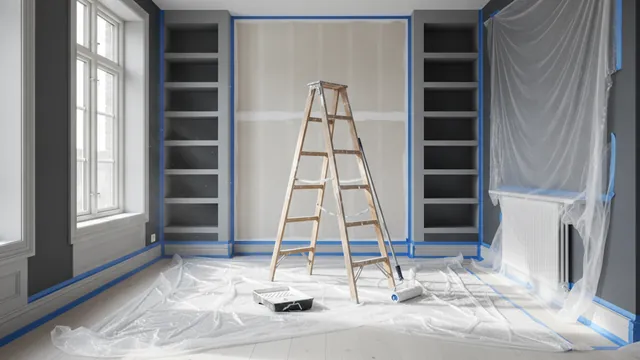
How to Charge for Painting a Room: Costs, Factors, and Pricing
Fair interior painting pricing: labor, materials, and prep costs—plus average cost per square foot.
Curtains for a Blue Room — Color, Texture and Scale
Pair blue walls with curtains that suit your light, style, and room size.
Furnishing a New House — Spend Wisely, Settle In
Plan your budget, buy the essentials first, and make each room feel like home.