Low Ceiling Rooms — Height, Light, and Style
Make low ceilings feel taller with smart light, color, furniture, and decor.
Understand the Challenge of a Low Ceiling
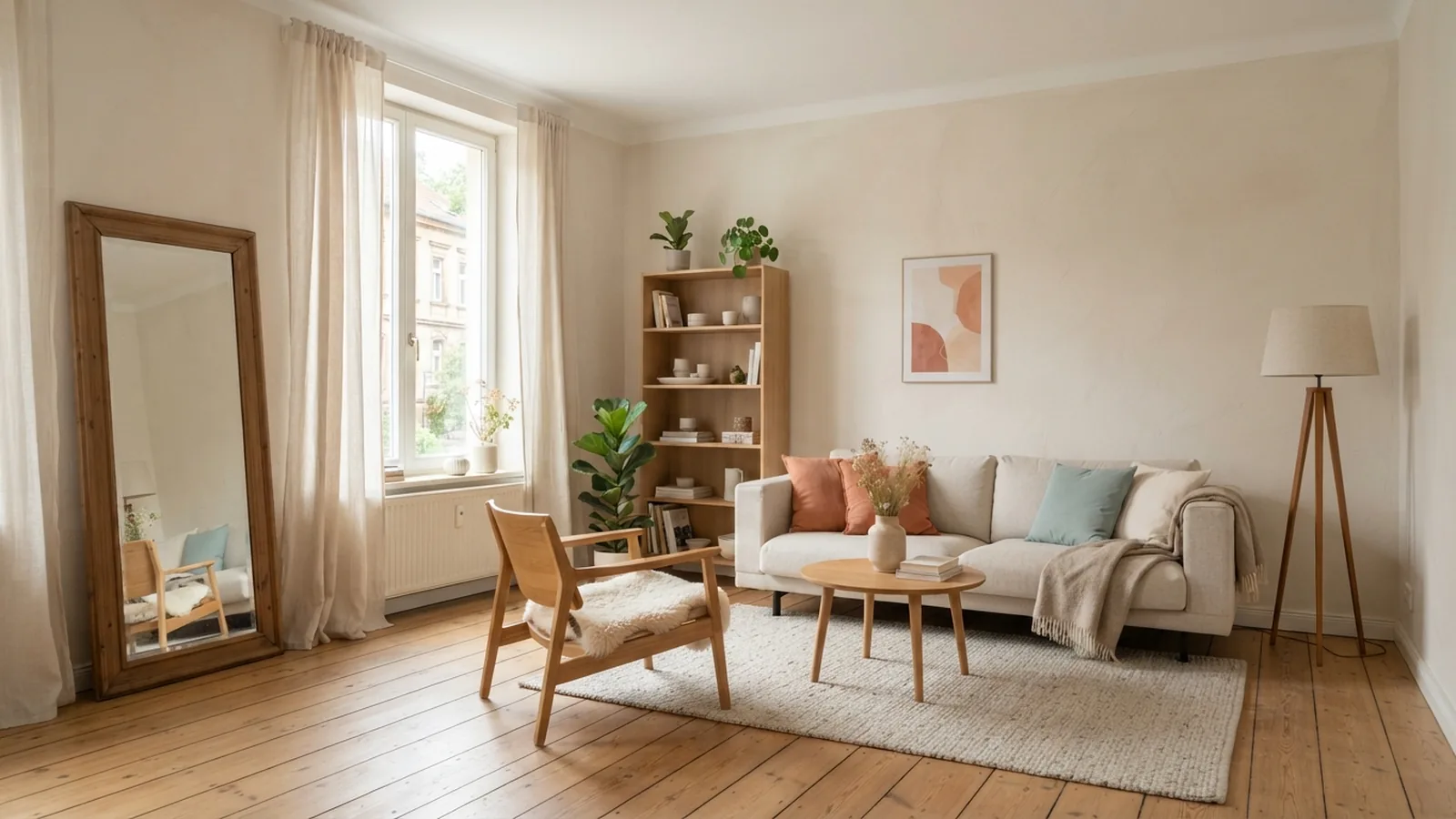
To decorate a low ceiling room, draw attention upward and keep the floor area open. Light colors, tall curtains, and layered lighting can make walls feel taller. The right furniture scale also keeps the room from feeling crowded.
Low ceilings can create a boxed-in feeling, especially in small apartments. Dark finishes and bulky furniture make that effect stronger. Your goal is not to hide the ceiling completely. Instead, create several strong vertical cues across the room.
Start by measuring the room before buying anything. Note the ceiling height, window width, door swing, and walking paths. Leave about 75 centimetres for a main walkway when possible. This small check prevents a stylish room from feeling cramped.
- Keep large furniture below the eye line.
- Use slim shapes instead of deep, heavy pieces.
- Repeat light tones across walls, floors, and fabrics.
- Place a few tall details around the room.
Use Layers of Light to Open the Space
Good lighting can visually expand a low room. Relying on one ceiling light creates a flat pool of light. It can also make the ceiling feel lower. Use light from several heights instead.
Place a floor lamp beside a sofa or reading chair. Add a wall lamp near a shelf, artwork, or bed. Table lamps can brighten dark corners without taking much floor space. Aim each light toward a wall when you want a soft glow.
Choose slim fixtures with small shades. Avoid large, low-hanging pendants over the main seating area. If you need a pendant, select a compact design with a short drop. Keep the lowest point well above eye level.
Warm white bulbs between 2700K and 3000K suit most living spaces. Use matching bulb tones throughout the room. This keeps the light calm and joined up. Dimmer switches give you more control at night.
Draw the Eye Up with Lines and Patterns
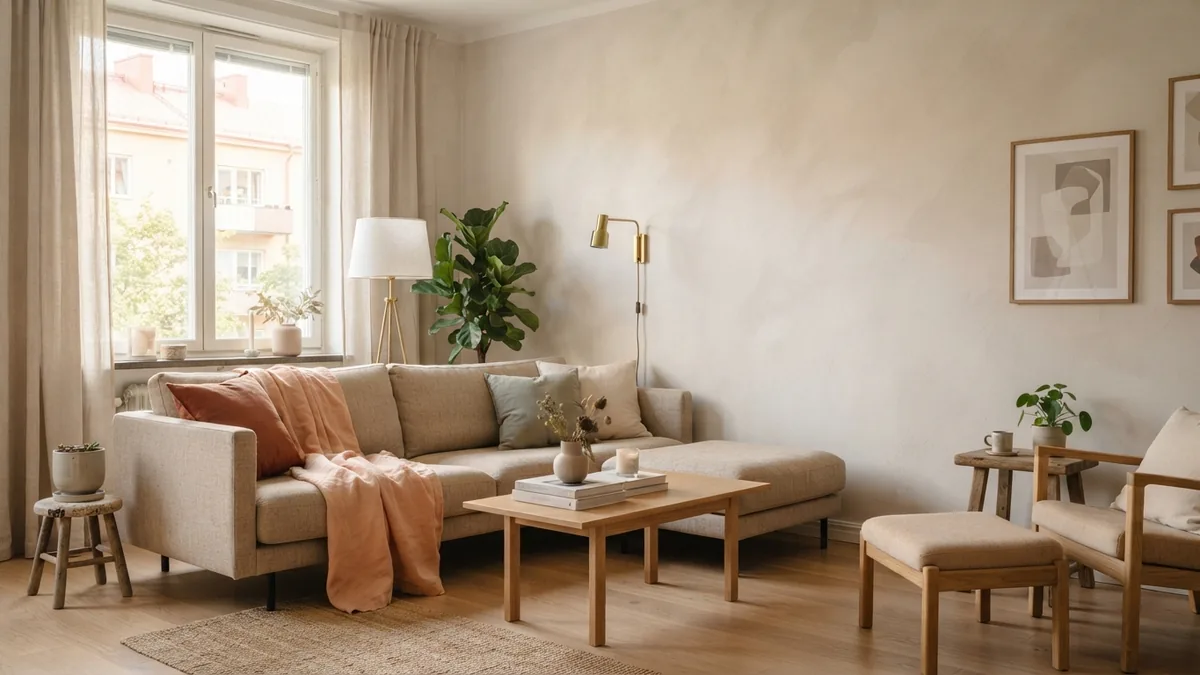
Vertical lines help the eye travel from floor to ceiling. This creates a simple illusion of greater height. You can use this trick through paint, fabric, shelving, or artwork.
Try narrow vertical stripes on one feature wall. Keep the stripes soft and low contrast. A difference of one or two shades feels calmer than bold bands. Wallpaper with fine lines can create the same effect.
Full-length curtains offer one of the easiest height tricks. Hang the curtain rod close to the ceiling, not just above the window. Let the fabric reach the floor with a small break. Choose linen or cotton in a light tone.
Tall plants can also add a vertical shape. Pick plants with open leaves and a narrow form. Place one near a corner, rather than blocking a window. A slim bookcase can create height without taking much floor space.
Choose a Light and Calm Color Palette
Color plays a major role in how spacious a room feels. Warm white, oat, pale beige, and soft sage reflect light well. They also make the room feel calm and connected. Paint the ceiling a similar shade to the walls for a smooth transition.
Strong contrast can split the room into shorter visual sections. Avoid a dark ceiling above pale walls. Skip a deep band around the top of the room too. These choices can make the ceiling line feel lower.
A limited palette does not need to feel plain. Add muted terracotta through cushions or ceramics. Use pale oak for warmth and soft coral for a small accent. Keep larger surfaces light, then add color in small groups.
Test paint on two walls before you commit. Check it in morning, afternoon, and evening light. A shade can look warmer or darker as daylight shifts. This test costs little and prevents an expensive repaint.
| Room element | Helpful choice | Why it works |
|---|---|---|
| Walls | Warm off-white or pale beige | Reflects light and reduces visual breaks |
| Ceiling | Wall color or one shade lighter | Creates a softer upper edge |
| Large furniture | Oat, cream, pale oak, or soft grey | Keeps heavy shapes from dominating |
| Accents | Muted terracotta or sage | Adds character without visual noise |
Arrange Furniture for Balance and Air
Furniture arrangement can distract from ceiling height when it feels balanced. Start with one main focal point, such as a sofa or bed. Place matching visual weight on both sides. This creates symmetry and makes the room feel settled.
Choose sofas with raised legs and a slim frame. They show more floor, which makes the room feel lighter. Avoid tall, chunky cabinets near the centre of the room. Store items in low units along the longest wall.
Keep furniture away from every wall when the room allows it. Even a small gap behind a sofa can add breathing room. Face chairs toward one another to create a clear social area. Keep the centre path open.
Use one large rug instead of several small mats. A rug that reaches beneath the front legs of seating joins the layout. This makes the room feel wider and less broken up. Check that doors can still open freely.
Use Mirrors and Art as Visual Distractions
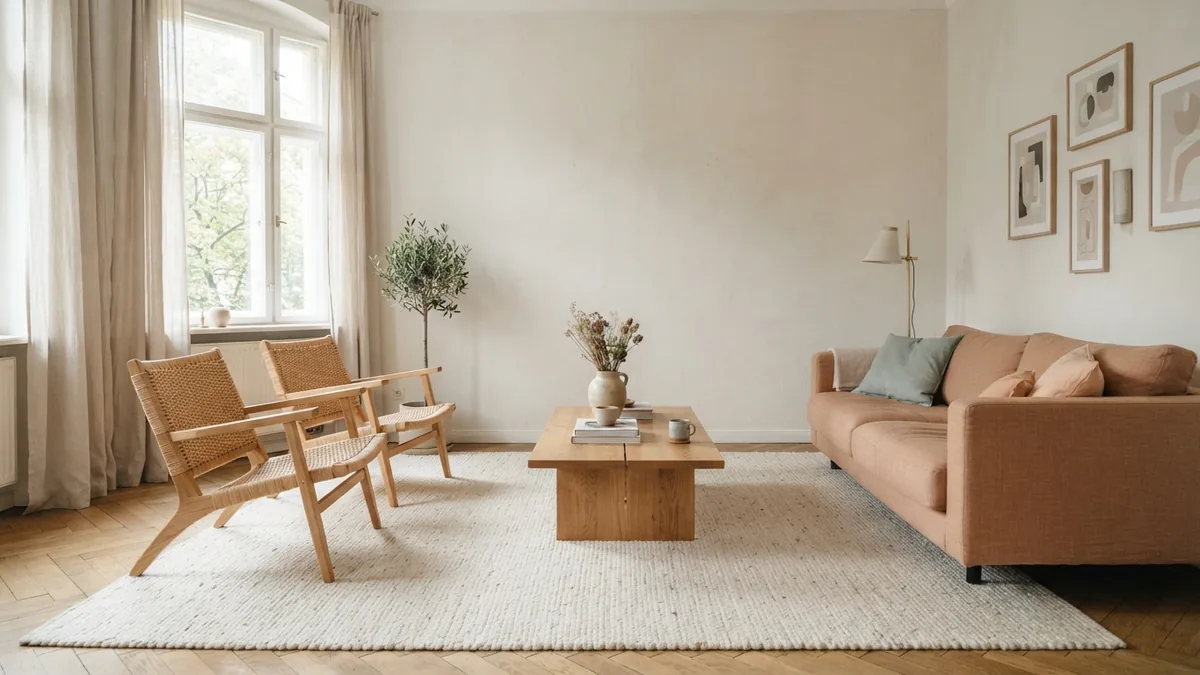
Mirrors can spread light and make a room feel deeper. Place one opposite a window or beside a lamp. A tall mirror creates a stronger upward line than a wide one. Leaning a mirror can work well in a rented home.
Check the reflection before fixing the mirror in place. Reflecting a blank wall adds little value. A window, plant, or warm lamp creates a more useful view. Avoid covering every wall with reflective surfaces.
Art can redirect attention from the ceiling. Hang one vertical print above a console or beside a doorway. A small group of related pieces can also work. Keep the top edge aligned to create a clean rhythm.
Choose art with open space and gentle colors. Busy images can make a small room feel crowded. A narrow textile wall hanging adds texture and height. Keep frames slim and close to the wall.
Decorate on a Small Budget
You do not need a full room makeover to change the sense of height. Start with curtains, bulbs, and a better furniture layout. These changes often create more impact than new decorative objects. Work in that order.
For a low-cost room update, move lamps before buying new ones. Swap dark lampshades for cream or linen shades. Paint a tired shelf in a pale matte finish. Add one tall plant from a local grower or garden centre.
Second-hand shops can provide mirrors, frames, and small tables. Look for solid shapes with clean lines. A fresh coat of paint can unite mismatched pieces. Replace dated handles with simple wood or brushed metal ones.
If you want to decorate a living room on a low budget, focus on three changes. Raise the curtain rod, add a floor lamp, and remove excess furniture. Then bring in one large rug or mirror when funds allow. Each step supports the same airy look.
- Use leftover paint on a narrow feature wall.
- Make a tall artwork group from thrifted frames.
- Use baskets under low furniture for hidden storage.
- Move books and objects into three height levels.
- Replace heavy cushions with pale linen covers.
Build the Look in the Right Order
When planning how to decorate a room with low ceilings, begin with structure. Clear the floor, set the furniture, and plan the light. Next, add curtains and large wall pieces. Finish with plants, cushions, and small objects.
Stand at the doorway after each change. Ask where your eye lands first. If it stops at a dark cabinet, move or soften that piece. If the ceiling feels prominent, add a taller vertical detail nearby.
Keep the final edit simple. Three strong height cues usually beat ten small decorations. Use light, line, and open floor space together. That combination makes a low room feel taller, warmer, and easier to live in.
Frequently asked questions
- How do you make a room with low ceilings look taller?
- Use full-length curtains, vertical patterns, light colors, and lamps at different heights. Keep furniture low and floors open.
- What lighting is best for a low ceiling room?
- Use floor lamps, wall lamps, and table lamps. Avoid large fixtures that hang low over the room.
- Should low ceiling rooms have dark or light walls?
- Light walls usually work best because they reflect more light. Warm white, pale beige, and soft sage create a spacious feel.
- Where should curtains sit in a low ceiling room?
- Hang the rod close to the ceiling. Let the curtains reach the floor to create one long vertical line.
- How can I decorate my living room on a low budget?
- Rearrange furniture, raise the curtain rod, change lampshades, and remove clutter first. Add second-hand mirrors or frames later.
- Do mirrors help rooms with low ceilings?
- Yes. A tall mirror can spread light and create a stronger vertical shape, especially near a window or lamp.
Related reading
High Ceilings — Warmth, Scale and Style
Use color, scale and soft textures to make tall rooms feel inviting.
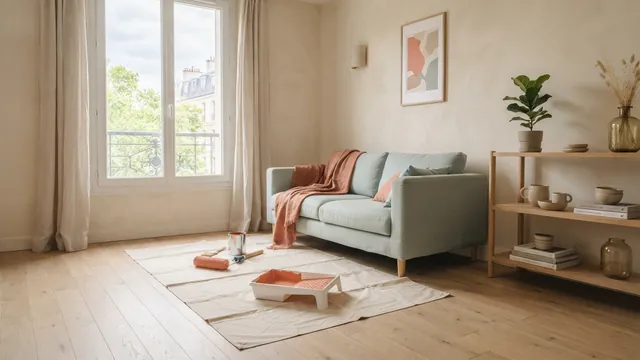
Room Painting Costs — What Shapes Your Quote
Room painting often costs $200–$1,000. See what drives the price and how to compare quotes.
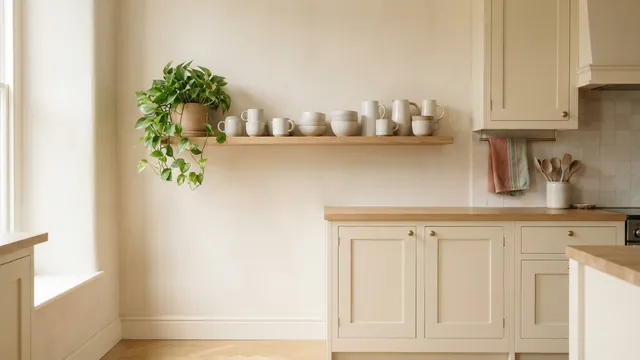
Kitchen Cabinet Tops — Style, Texture and Seasonal Charm
Style cabinet tops with balanced layers, useful texture, and decor that suits your kitchen.