How to design a master bedroom
Plan a restful, personal bedroom with smart choices for color, light, storage, and comfort.
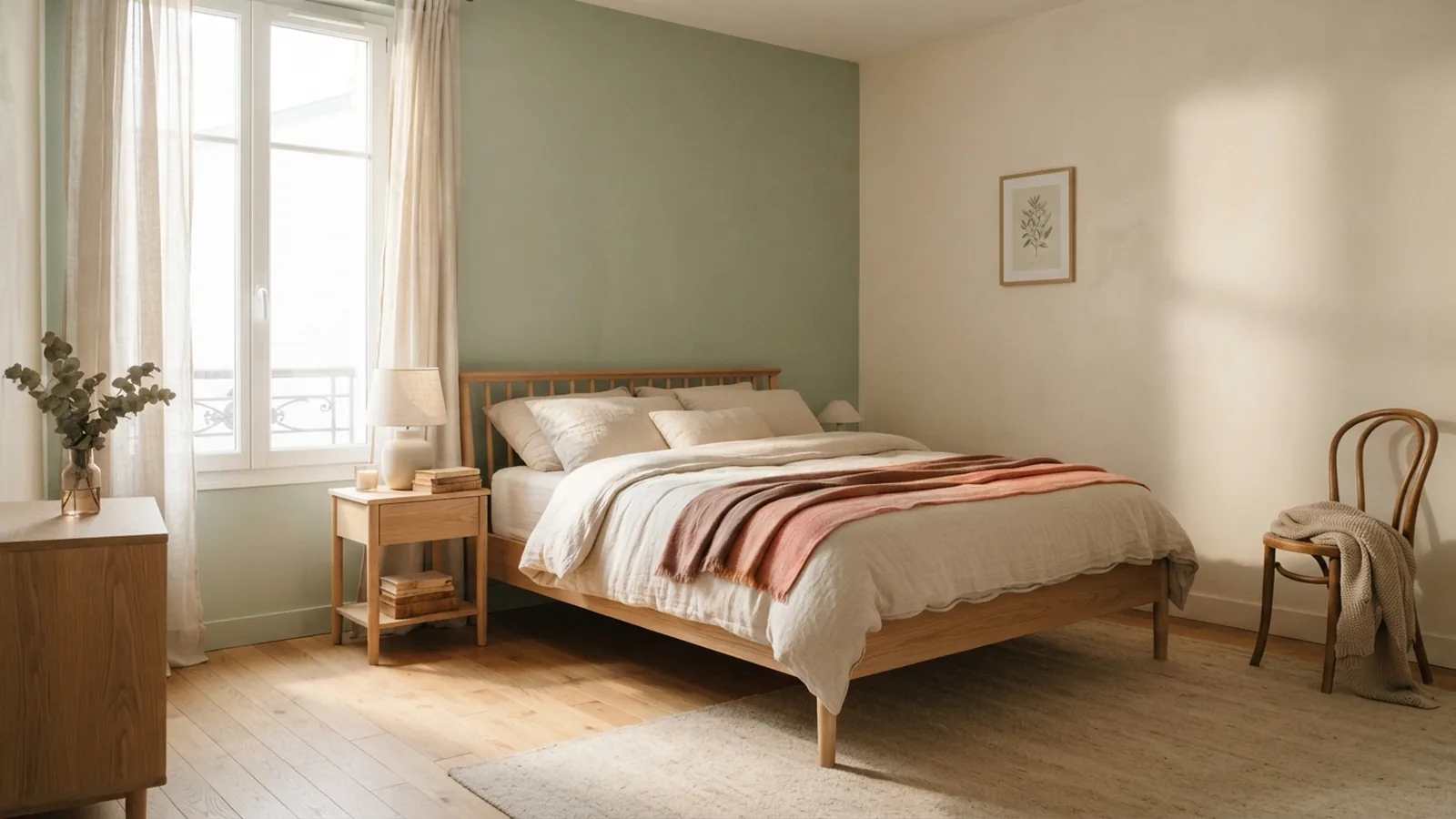
Start by defining what the room needs
To design a master bedroom well, start with how you use it each day. Note what feels cramped, what is hard to reach, and what makes it tough to rest. Then rank your needs, such as more storage, a reading spot, better light control, or a calmer look. A clear list keeps choices focused.
Measure the room, including door swings, windows, and built-in storage. Sketch the bed and large furniture to scale on paper. Leave about 75 to 90 cm of clear space beside the bed when the room allows. Keep a path of at least 75 cm through the main walking route.
Set a budget before you shop. Spend first on changes that solve daily problems, such as a better mattress or a wardrobe that fits. Paint and small accessories can refresh the room at lower cost. Take photos in daylight, then note what you want to keep and what you want to change.
- For a small room, choose bedside shelves instead of wide tables.
- For poor sleep, focus on light control, sound, and a supportive mattress.
- For clutter, add closed storage before buying more decor.
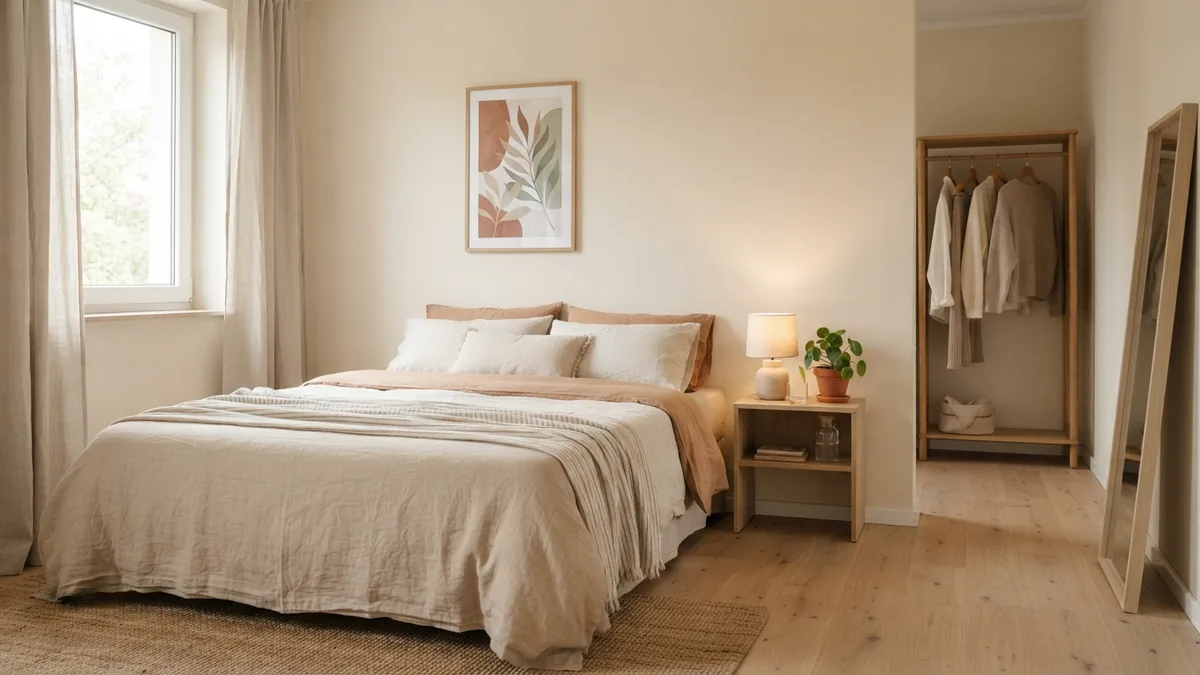
Choose colors that set the right mood
Color shapes the feel of a bedroom, so choose a mood before choosing paint. Soft cream, warm white, pale sage, and muted beige can make a room feel calm. A deeper olive or clay shade can add warmth on one wall. Sample a few colors before you commit.
Paint samples look different as daylight shifts. Put large sample cards on more than one wall, then check them in the morning and evening. Warm shades often suit rooms with pale oak, linen, or cream decor. If your furniture has a cool tone, test a neutral with a similar undertone.
Use the room's existing colors as a guide. Pull one shade from a rug, artwork, or bed cover, then use it in small details. Keep the ceiling and trim lighter if you want the room to feel open. A simple palette of two base colors and one accent is easy to update.
Color works best as part of a whole-room plan. Match paint with the floor, curtains, and bedding, rather than judging it alone. Small rooms do not need to be all white. A steady palette and clear sightlines matter more than pale walls.
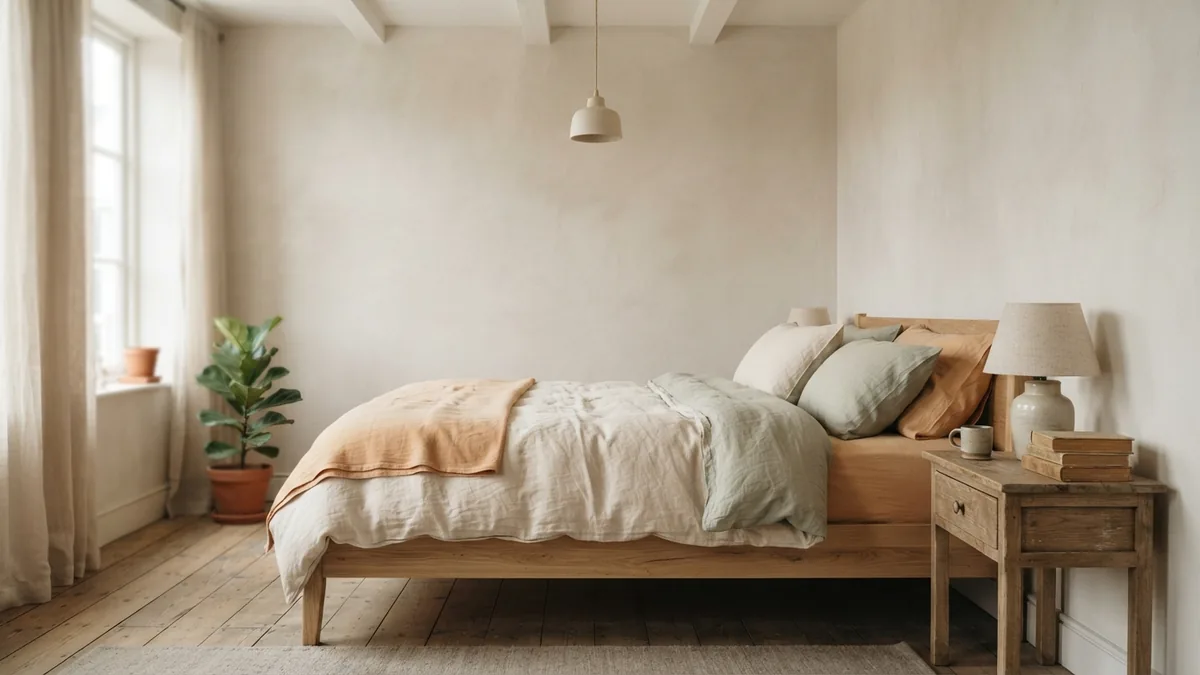
Pick window treatments for light and privacy
Good window treatments help you control daylight and protect privacy. First, note whether the window faces a street, a neighbor, or strong morning sun. Sheer curtains soften light but do little to block it. Lined curtains or a blind can give more privacy and help darken the room.
Layering is useful when one treatment cannot meet every need. Pair a simple blind with full curtains, or use a light-filtering shade under a heavier drape. Choose a track or rod that lets the fabric stack beyond the glass. That keeps more of the window clear when the curtains are open.
Measure the window before buying. For a fuller look, curtains often need a combined width about 1.5 to 2 times the span they cover. Hang the rod above the frame when space allows, and let the hem sit just above the floor. These small choices can make a window feel taller.
Match the fabric to the room's use. Washable cotton or linen blends suit busy homes, while lined fabric offers more light control. Check how the color looks beside your wall paint in daylight. Aim for a soft contrast, not a clash.
Choose bedding for daily comfort
Bedding should feel good every night and be simple to care for. Start with a mattress that fits your body and bed frame. Then choose sheets that feel pleasant against your skin. Cotton is a common choice because it is breathable and easy to wash.
Check the care label before buying. A set that needs special cleaning may not suit daily use. Keep one spare sheet set ready so laundry day does not become a rush. Use layers, such as a light quilt and a warmer blanket, to adjust to the season.
For a pulled-together bed, limit the number of pillows you must move each night. Two sleeping pillows and one or two accent pillows are enough for many beds. Repeat a color from the curtains or rug in the duvet cover. Texture can add interest without a busy print.
Good bedding is not just decorative. It should fit the bed snugly and stay comfortable through the night. Wash new sheets before use, and follow the care instructions to help them last. Replace worn pillows when they stop giving the support you need.
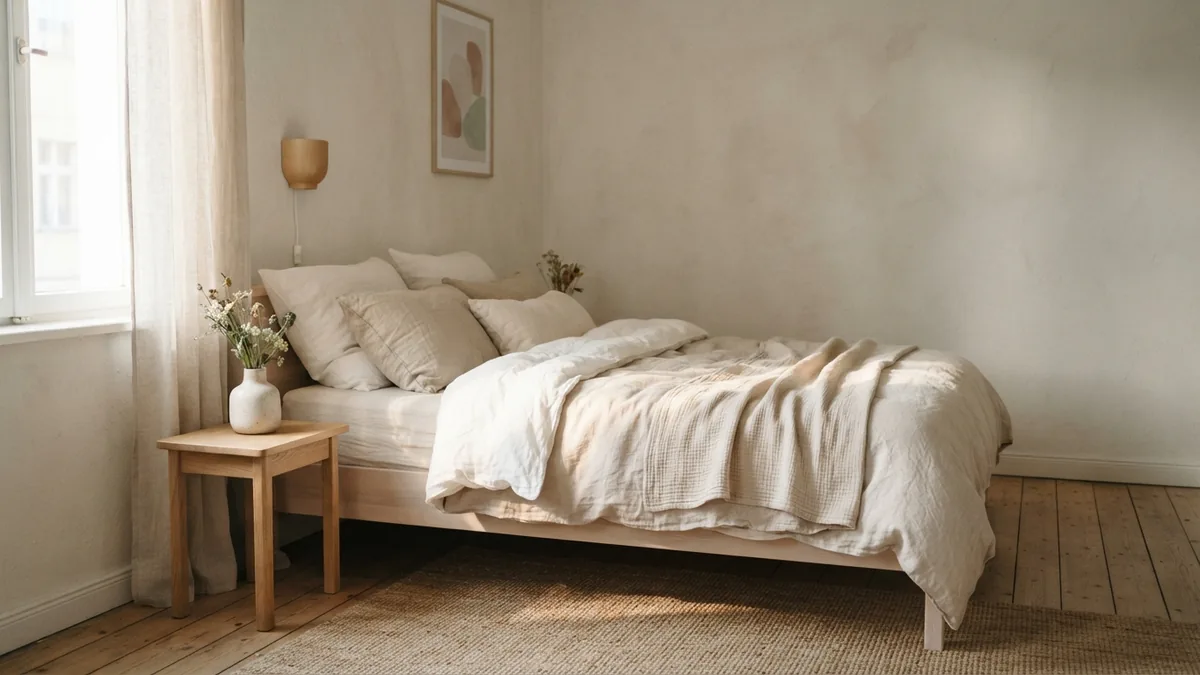
Add personal style with a light touch
Personal details make a bedroom feel like yours, but each item should earn its place. Choose art that matters to you, a few books, or a ceramic piece with a useful role. A small group of objects reads more clearly than many scattered items. Leave some surfaces open.
Use lighting to make the room work at different times of day. A ceiling light can serve general use, while bedside lamps make reading easier. If you can, add a dimmer so the light can shift from bright to soft. Place switches where you can reach them from bed.
Bring in texture with linen, a woven rug, or a wood stool. These materials add depth without loud color. Keep decorative items away from narrow paths and doors. A clear route through the room makes it feel calmer and easier to use.
Try your layout before buying new furniture. Move one item at a time, then spend a day using the room. Notice where you set down a book, where you get dressed, and where light falls. Small changes based on real habits often beat a full set of new decor.
Plan a master bedroom suite as one space
A master bedroom suite can include a bedroom, closet, and bathroom that work as one calm zone. Start by mapping how you move between them. Keep the route from bed to closet and bath direct, with doors that do not block each other. Use the same base colors across the spaces for a linked feel.
For a closet, sort what you own before you plan shelves or hanging rails. Place daily clothes at an easy reach, and store seasonal items higher or farther back. Use drawers or baskets for small items that tend to scatter. If space is tight, sliding doors can free up floor area.
For the bathroom, plan storage near the sink and keep towels within easy reach. Match hardware finishes and key colors with the bedroom, but let each room keep its own purpose. If you are changing walls or plumbing, get advice from a qualified builder before work starts. Check ventilation and privacy needs as part of that plan.
Not every suite needs a major remodel. A shared paint color, similar wood tones, and matching fabric can link separate rooms. Use rugs or a bench to mark the bedroom area without adding a wall. The best suite feels connected while still giving each space room to work.
- Keep the bed away from direct glare where possible.
- Plan closed storage for items you use often.
- Repeat one or two colors from the bedroom in the bath and closet.
Frequently asked questions
- How do I start designing a master bedroom?
- List the problems you want to solve, then measure the room and map the main furniture. Set a budget and plan around your daily habits.
- What colors work best in a master bedroom?
- Cream, warm white, beige, and soft sage can create a calm feel. Test paint samples in your room at different times of day before choosing.
- How can I make a master bedroom feel bigger?
- Keep walking paths clear, reduce bulky furniture, and use compact storage. Light colors can help, but a simple layout matters most.
- What window treatments are best for a bedroom?
- Choose based on privacy and light needs. A blind paired with curtains can offer flexible light control and a softer look.
- How do I create a cohesive master bedroom suite?
- Use a shared color palette and related materials across the bedroom, closet, and bathroom. Keep the path between each space clear and practical.
Related reading
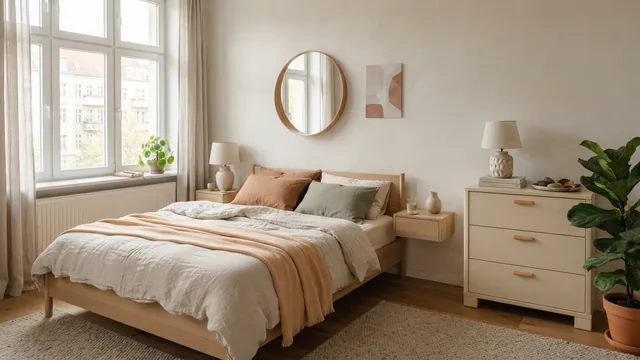
How to Furnish a Bedroom — Layout, Style, and Decor
Choose bedroom furniture that fits your space, style, and daily routine.
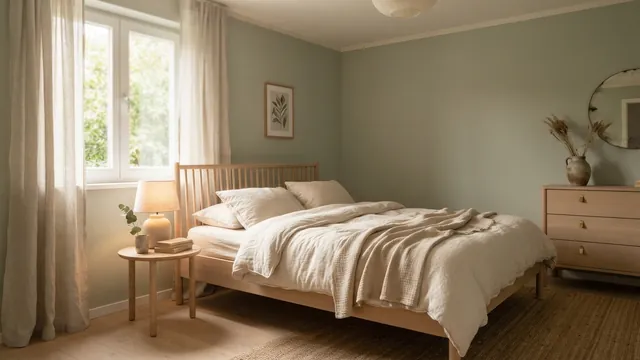
What Color Should I Paint My Bedroom? — Ideas for Every Mood
Find a bedroom paint color that suits your light, style, and mood.
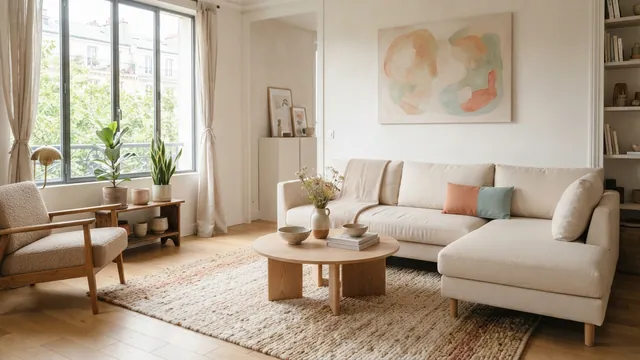
How to Place an L-Shaped Sofa in Your Living Room
Plan the fit, protect walkways, and style your L-shaped sofa with balance.