Can You Paint Kitchen Countertops? A Practical DIY Guide
Paint your counters with the right prep, paint, and protective coat.
Can You Paint Kitchen Countertops?
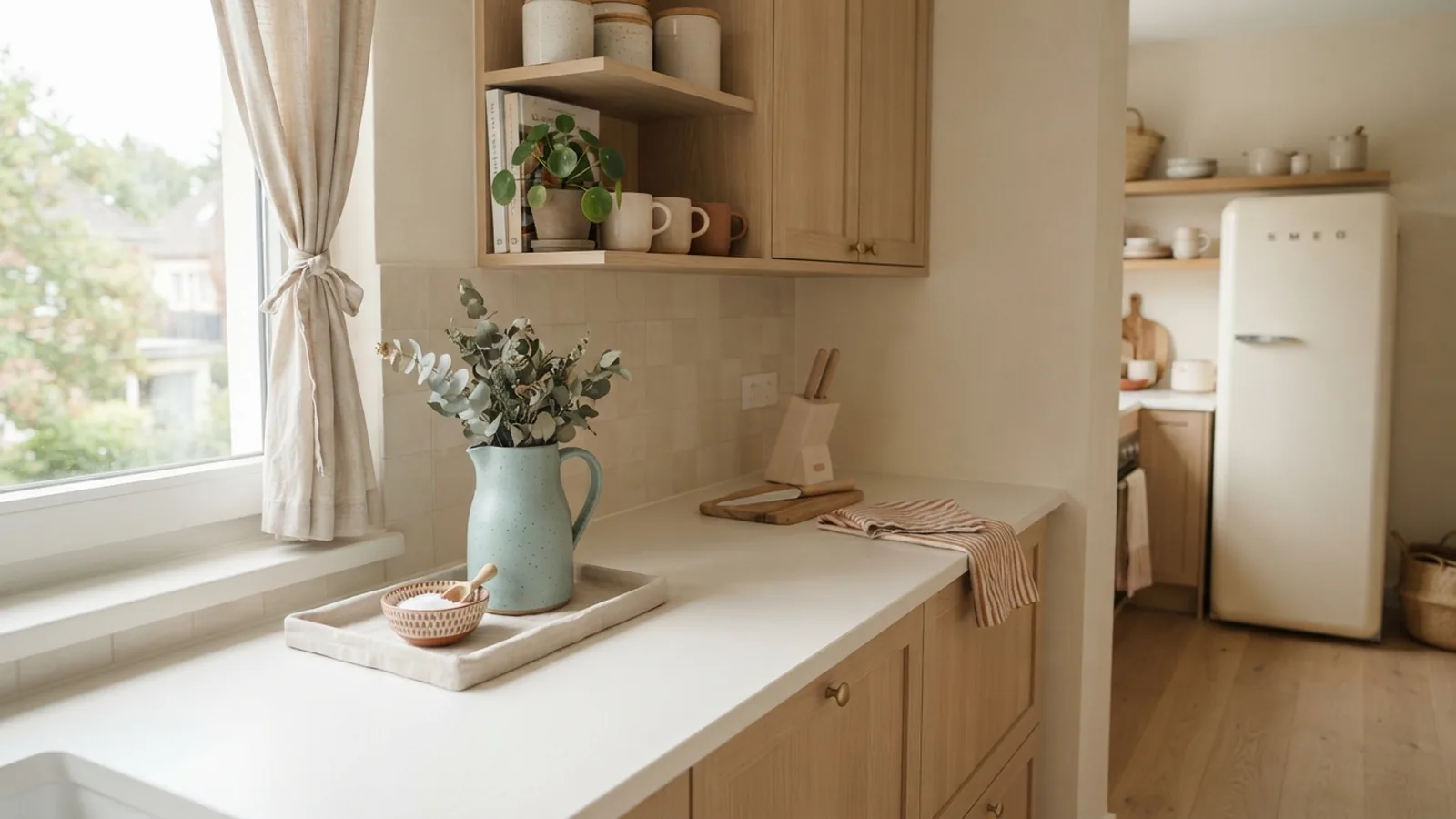
Yes, you can paint kitchen countertops when the surface is sound and clean. Laminate, melamine, and ceramic tile often work well. Countertop paint can handle daily wear better than wall paint.
Many people ask, “Can I paint my kitchen countertops?” The answer depends on the surface, damage, and finish you want. The same answer covers “can you paint countertops in kitchen” and “can kitchen countertops be painted.”
Painting costs less than replacing a whole counter in many homes. A small DIY project may cost $100 to $300. New counters can cost more after removal, fitting, sink work, and plumbing.
This method suits a short-term update or a low-cost kitchen remodel. It cannot fix deep cracks, swelling, or loose tiles. Test the full paint system in a hidden spot first.
Why Painting Kitchen Countertops Can Make Sense
Paint can change a worn counter without a full kitchen rebuild. You can keep the cabinets, sink, and backsplash in place. That means less mess and less waste.
Paint also lets you test a new look before buying new stone. White, warm gray, and soft beige can brighten a small room. A faux stone finish can add depth without the price of slab material.
- Spend less than a full counter replacement
- Refresh the room over a weekend or several short sessions
- Cover stains that normal cleaning cannot remove
- Try a new color before making a costly change
Still, paint needs care after the job. Use cutting boards and trivets. Wipe spills soon after they happen. Keep sharp tools and hot pans off the painted surface.
Which Countertops Can Be Painted?
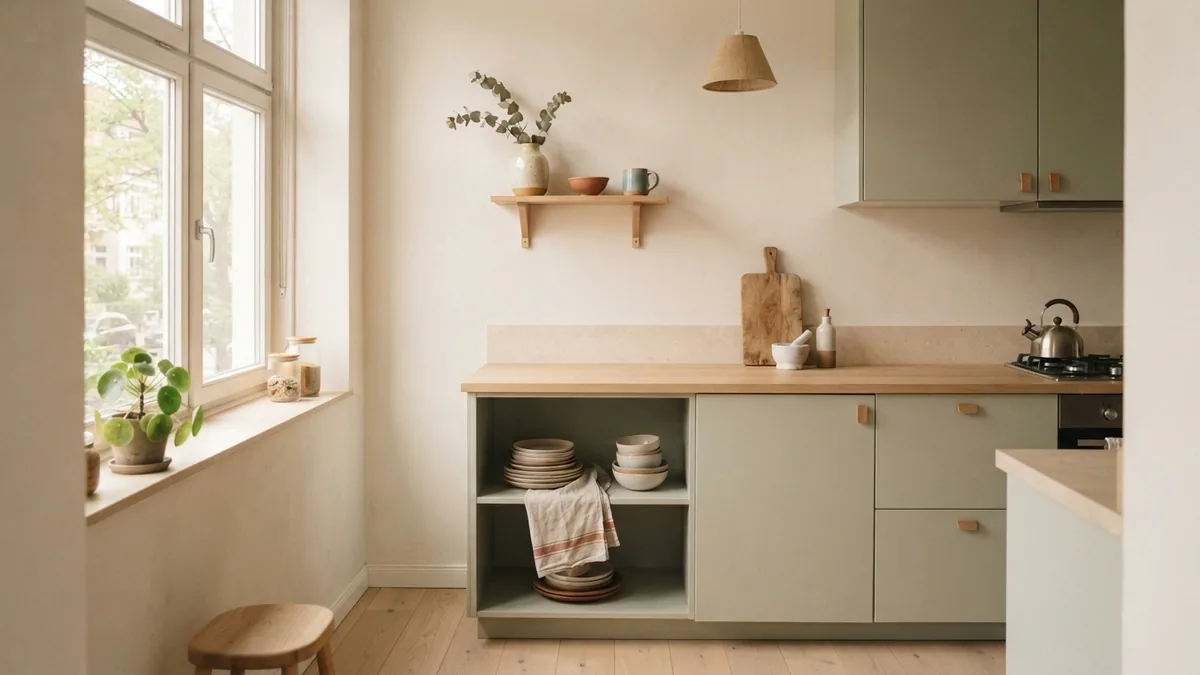
Laminate is one of the best surfaces for a paint project. Melamine can work after careful cleaning and light sanding. Ceramic tile may also accept paint, though grout lines stay visible.
People often ask, “Can you paint granite kitchen countertops?” You can, but it is rarely the best choice. Granite is dense and often polished. Paint may bond poorly without special prep.
Marble and other natural stone surfaces need the same caution. Their pores, sealers, and uneven texture may cause peeling. A stone refinisher may offer a safer answer.
Do not paint a counter with cracks, loose tiles, swelling, or deep water damage. Repair the base first. Paint cannot hide movement or moisture for long.
You can also ask, “Can you paint countertops in bathroom areas?” Yes, some bathroom counters can take paint. Choose a coating made for wet use. Keep water from sitting near sinks and seams.
Materials Needed for a Countertop Paint Project
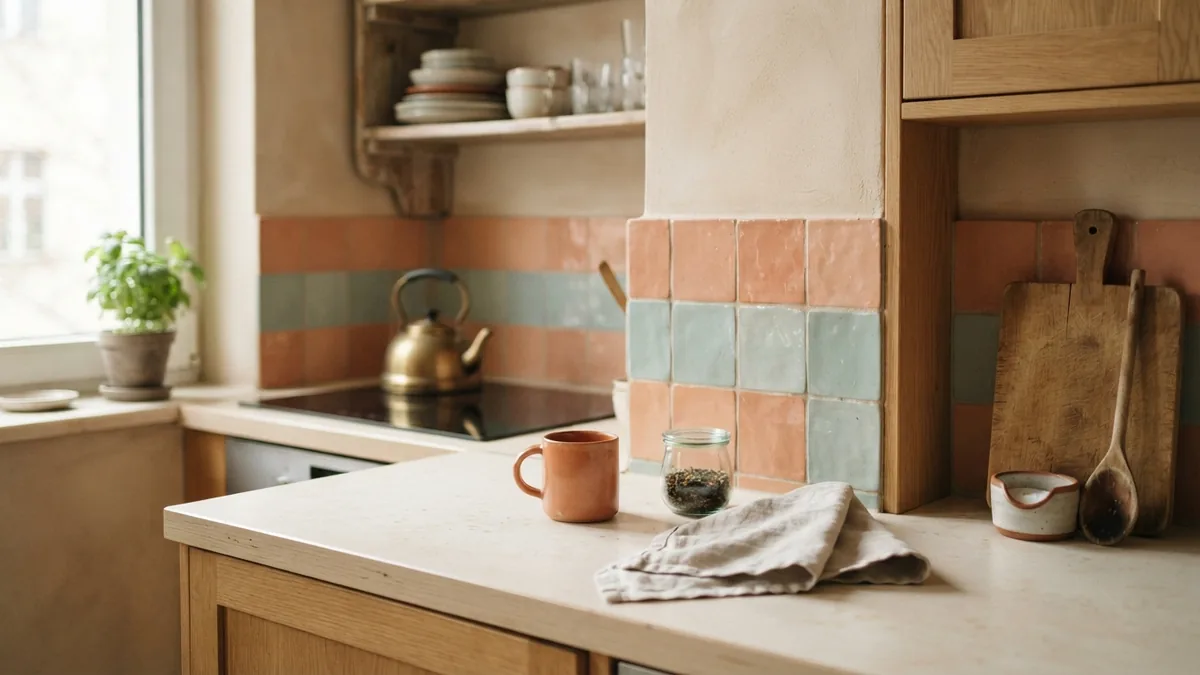
Special countertop kits make the work simpler. Many include a bonding basecoat, color layer, decorative flakes, and topcoat. Some kits also include sanding pads and a roller.
Read the kit guide before buying extra products. Different coatings need different primers and cure times. Do not mix random products unless the maker approves them.
- Degreasing cleaner and clean water
- Fine sanding pads or fine-grit sandpaper
- Painter's tape and floor covers
- Bonding primer or the kit basecoat
- Foam rollers and small angled brushes
- Countertop paint or a kit color coat
- Protective topcoat made for counters
- Gloves, a mask, and fresh room airflow
Measure the counter before shopping. Kits list the area they cover. Buy enough for two thin coats when the maker calls for them.
That avoids color shifts between coats. It also prevents a rushed final pass. Good tools help the finish stay smooth.
How to Paint Kitchen Countertops Step by Step
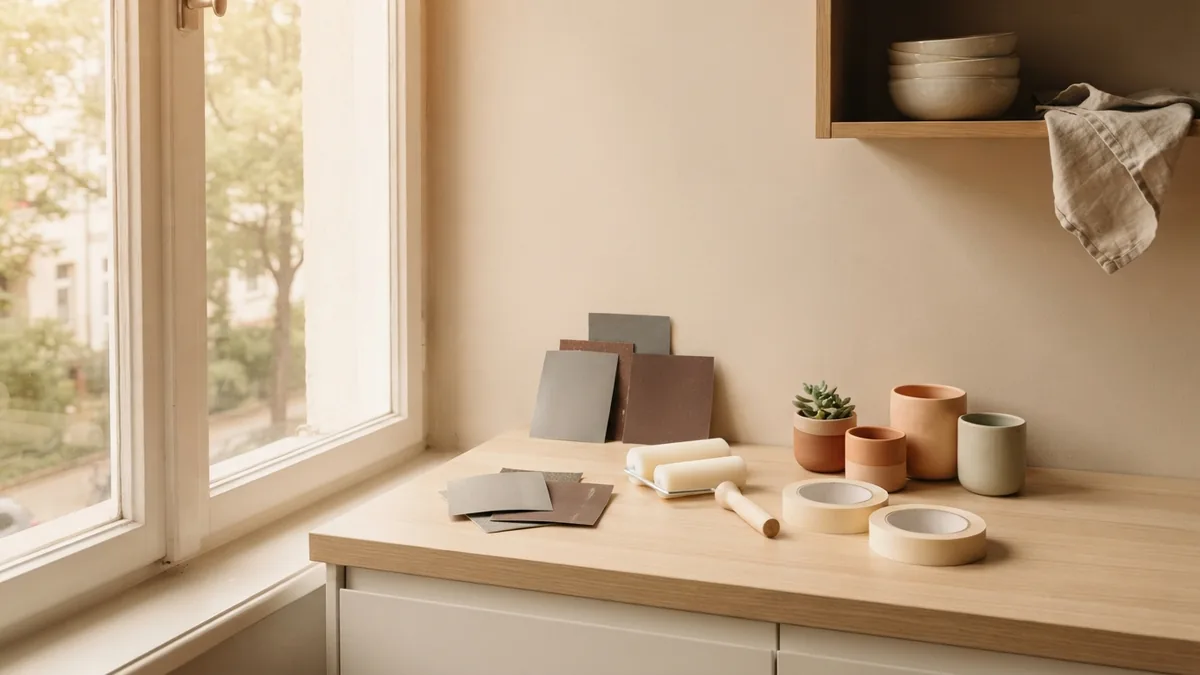
If you want to know how to paint kitchen countertops, plan for two to four days. Most of that time covers drying and cure time. Keep the counter clear during the whole project.
- Clean the surface. Remove grease, soap, wax, and old polish. Rinse away all cleaner residue. Let the counter dry fully.
- Repair small flaws. Fill chips and dents with a suitable filler. Sand the repair smooth after it dries.
- Scuff the finish. Sand lightly until the shine disappears. Do not sand through laminate edges. Remove dust with a clean, damp cloth.
- Protect nearby areas. Tape the sink rim, wall, cabinet faces, and appliances. Press tape edges down firmly.
- Apply the basecoat. Roll on a thin, even layer. Use a brush near corners and edges. Let it dry as directed.
- Add the color coats. Apply thin coats instead of one heavy coat. Let each coat dry before the next one.
- Seal the counter. Apply the recommended topcoat. Cover the whole surface with even passes.
- Let it cure. Follow the kit's full cure time. Do not place appliances or heavy items back too soon.
This process answers “how do you paint kitchen countertops?” It also works for searches such as “how to paint my kitchen countertops” and “how to paint your kitchen countertops.” The prep stage controls the final result.
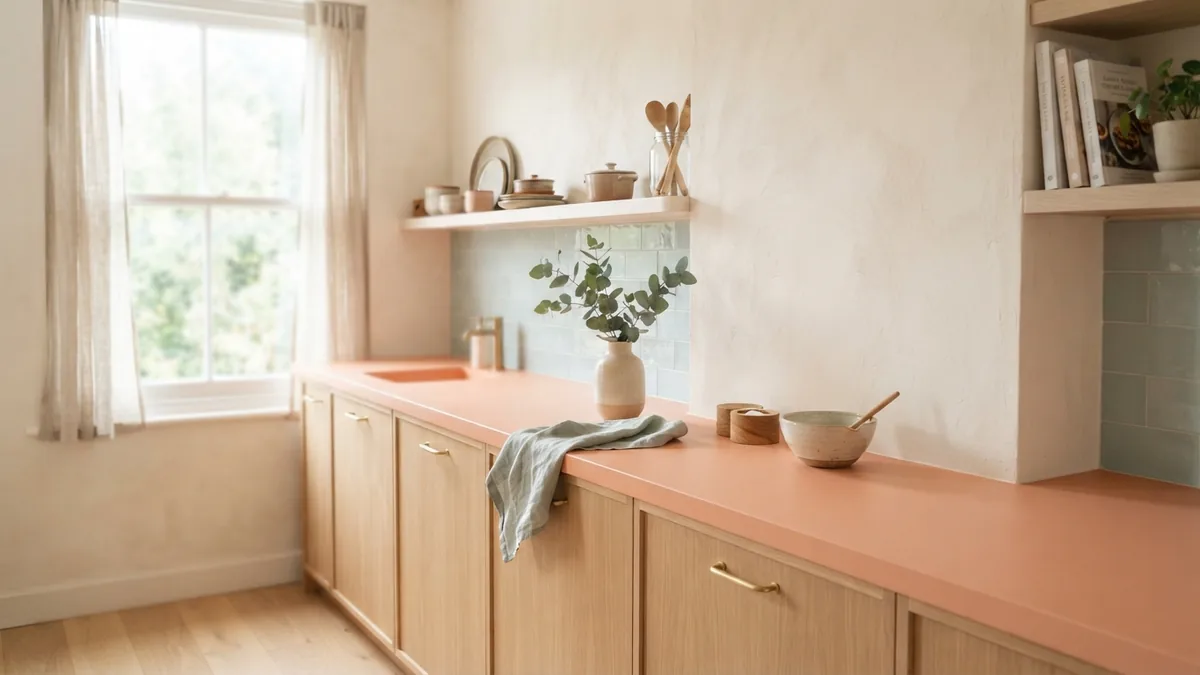
How to Paint Kitchen Countertops White or Like Marble
For a white counter, start with a light basecoat. Use two thin coats rather than one thick coat. A warm white often looks softer than a bright blue-white.
To learn how to paint kitchen countertops white, check the old color first. Dark colors may need extra coats. Let each layer dry before judging its coverage.
For a stone look, use a light base color first. Add thin, uneven veins with a small artist brush. Soften them with a damp sponge before the paint sets.
This method explains how to paint kitchen countertops to look like marble. Keep the veins sparse. Too many lines can make the surface look busy and false.
Seal the design with a clear topcoat made for counters. Test the sheen before covering the full surface. Matte or low-sheen finishes often look more like natural stone.
Cost, Color, and Kitchen Countertop Style
Cost is a key reason to paint. If you ask how much to replace countertops in a small kitchen, include more than the slab price. Removal, fitting, sink cuts, delivery, and plumbing can raise the bill.
| Project choice | Typical cost range | Best use |
|---|---|---|
| DIY countertop kit | $100–$300 | Small budget refresh |
| Professional painting | Often several hundred dollars | Less hands-on work |
| New countertop | Varies by material and labor | Long-term full replacement |
Are black kitchen countertops in style? They can look strong with light cabinets and warm wood. They also show dust, crumbs, and marks more clearly.
What kitchen countertops are in style depends on the room. Warm white, soft beige, muted green, and gentle stone looks remain easy to pair. Pick a color that works with the cabinets and floor.
Paint is a good choice when the counter is stable. Replacement makes more sense when the base has major damage. The right choice depends on cost, time, and expected lifespan.
Tips for Better Results and Common Mistakes
Work in a clean room with steady airflow. Keep dust away while the coating dries. Follow the maker's times, even when the surface feels dry.
- Do not skip degreasing or sanding
- Do not use regular wall paint
- Do not apply thick coats
- Do not remove tape before the finish firms up
- Do not use the counter before full cure
- Do not cut food directly on the surface
Use a foam roller for broad areas. Keep brush strokes light near edges. Check the counter under side light before adding the topcoat.
If you search “can u paint kitchen countertops,” the short answer is yes. The long answer is that good prep matters more than the brand. A sound base and strong topcoat give the finish its best chance.
Painted counters are not indestructible. Treat them as a renewed work surface, not as a stone slab. With care, they can make a dated kitchen look fresh for years.
Step-by-step
- 01 Clean the countertop
Remove grease, wax, soap, and polish. Rinse away residue, then let the surface dry.
- 02 Repair and sand
Fill chips and dents with a suitable filler. Sand repairs smooth, then scuff the whole surface.
- 03 Protect nearby areas
Tape the sink, walls, cabinets, and appliances. Cover floors and nearby surfaces.
- 04 Apply the basecoat
Roll on a thin bonding coat. Let it dry for the time listed by the maker.
- 05 Add color coats
Apply thin color coats with a foam roller. Let each coat dry before adding another.
- 06 Seal and cure
Add the recommended topcoat. Keep the counter clear until the full cure time ends.
Frequently asked questions
- Can you paint kitchen countertops?
- Yes. Laminate, melamine, and some tile counters can take paint after deep cleaning and light sanding. Use a countertop coating and a strong topcoat.
- Can you paint over kitchen countertops?
- Yes, if the counter is sound and stable. Remove grease, dull the shine, repair damage, and use products made for counters.
- Can you paint granite kitchen countertops?
- You can, but granite is a poor DIY candidate in many cases. Its hard, polished face may resist paint, and a specialist may give better results.
- How much does it cost to replace countertops in a small kitchen?
- The cost varies by material, size, labor, delivery, sink cuts, and plumbing. A DIY paint kit often costs far less than full replacement.
- How do you paint kitchen countertops white?
- Clean and sand the counter, then apply a bonding basecoat. Add two thin white coats, let them dry, and seal the surface with a countertop topcoat.
- How can I paint kitchen countertops to look like marble?
- Apply a light base color, then add sparse soft veins with a small brush. Blend the lines gently and protect the design with a clear topcoat.
Related reading

Room Painting Labor Costs — Rates and Budget Factors
See typical room-painting labor rates and learn what drives the final price.
Kitchen Renovation Costs — Price Ranges and Budget Factors
See typical kitchen remodel prices, key cost drivers, and ways to keep your budget on track.

Large Living Room Walls — Scale, Style, and Warmth
Use scale, art, texture, shelves, and light to make a large wall feel balanced.