Furniture for a Whole House (Choosing, Buying, Moving)
Plan your rooms, budget, move, and furniture choices with less guesswork.
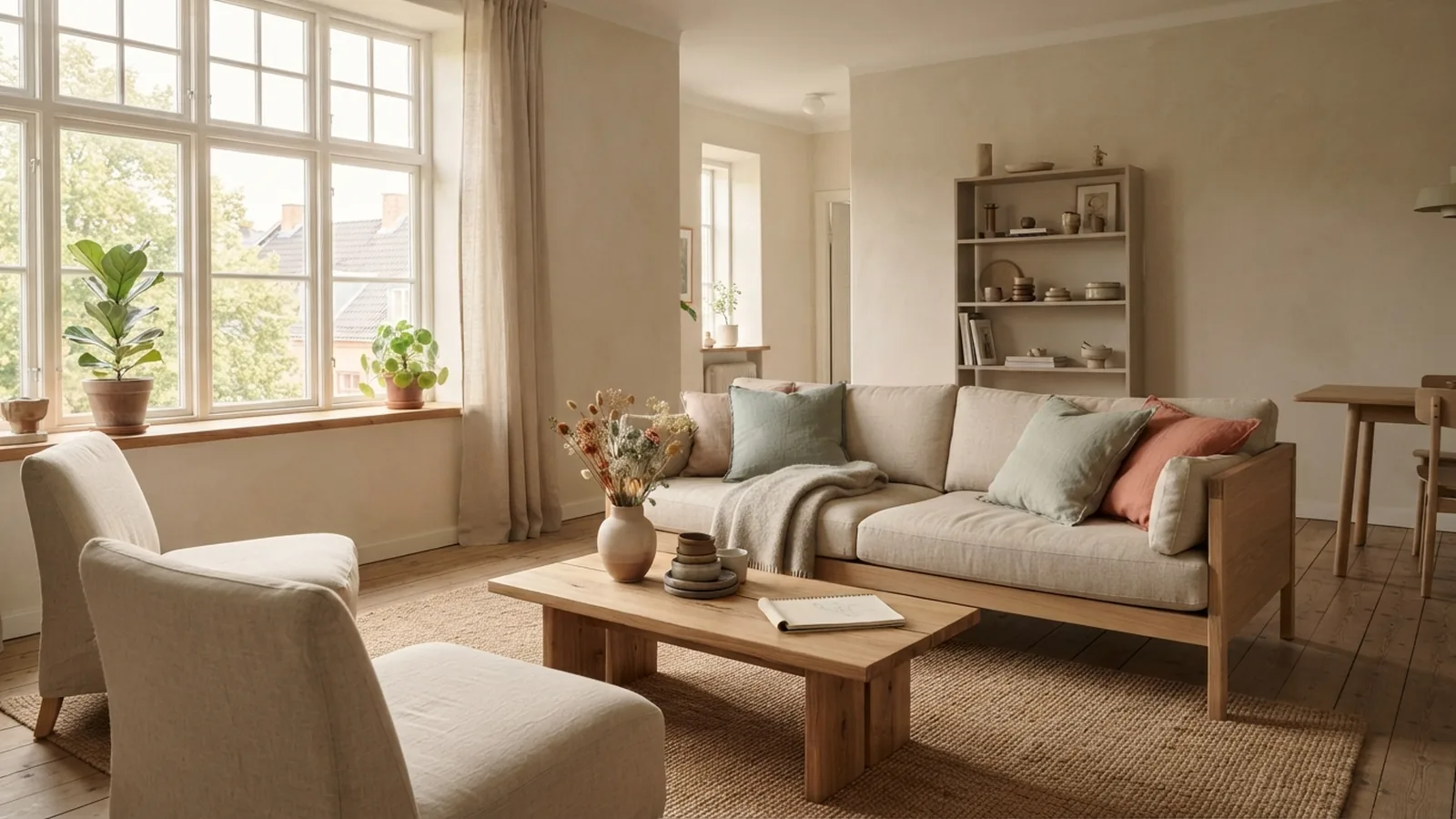
Types of Furniture for Every Room
The best furniture for a house balances comfort, scale, storage, and style. Start with the room's use. A family room needs durable seating, while a guest room may need only a bed, chest, and small table.
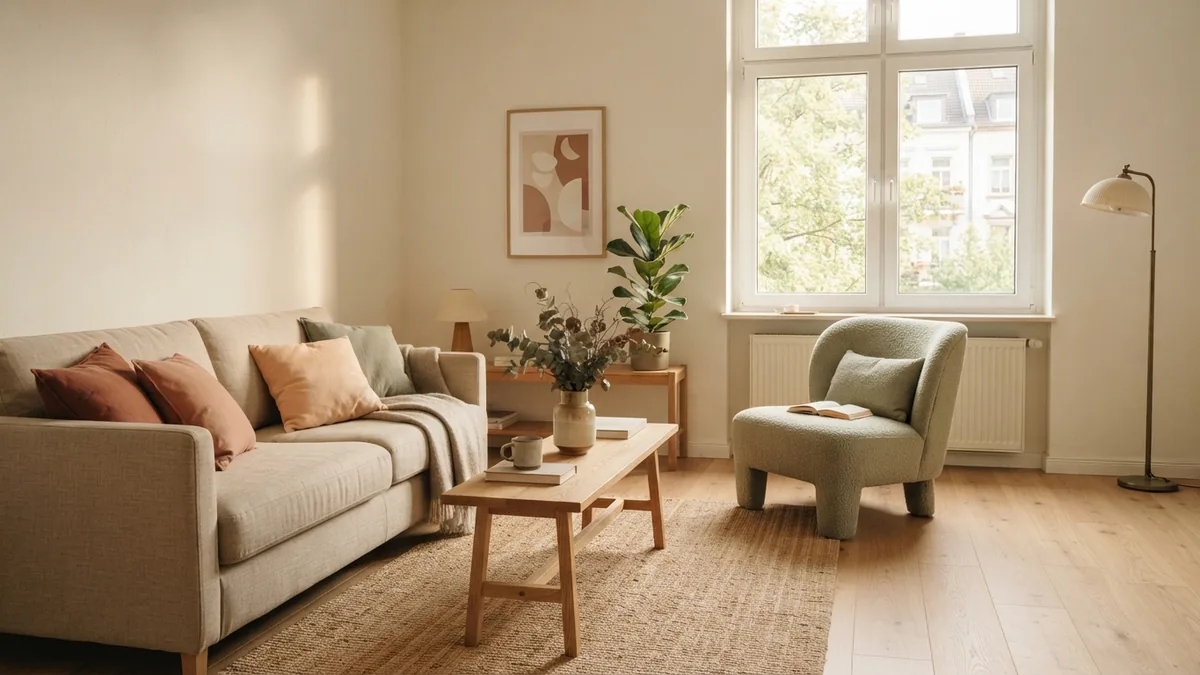
Living rooms often include a sofa, chairs, coffee table, side tables, and storage. Living room sets can save time, but separate pieces give you more control. Leave about 18 inches between a sofa and coffee table for easy movement.
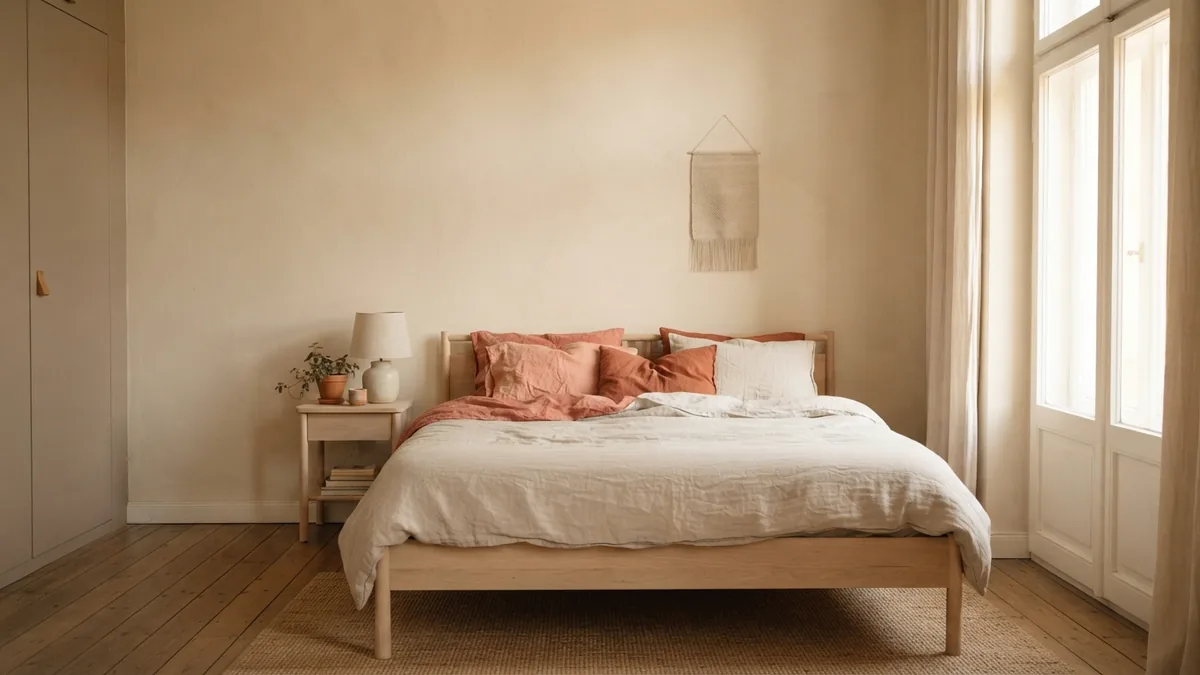
Bedrooms need a bed, mattress, bedside tables, clothing storage, and task lighting. A bedroom set creates a matched look. Mixing a wood bed with a painted chest can feel warmer and less staged.
Dining areas need a table, chairs, and useful light above the table. A sideboard can hold dishes and linens. Round tables suit tight rooms, while long tables work well in open plans.
- Living room: sofa, chairs, tables, rug, lighting, and storage
- Bedroom: bed, mattress, nightstands, dresser, and wardrobe
- Dining area: table, chairs, sideboard, and pendant light
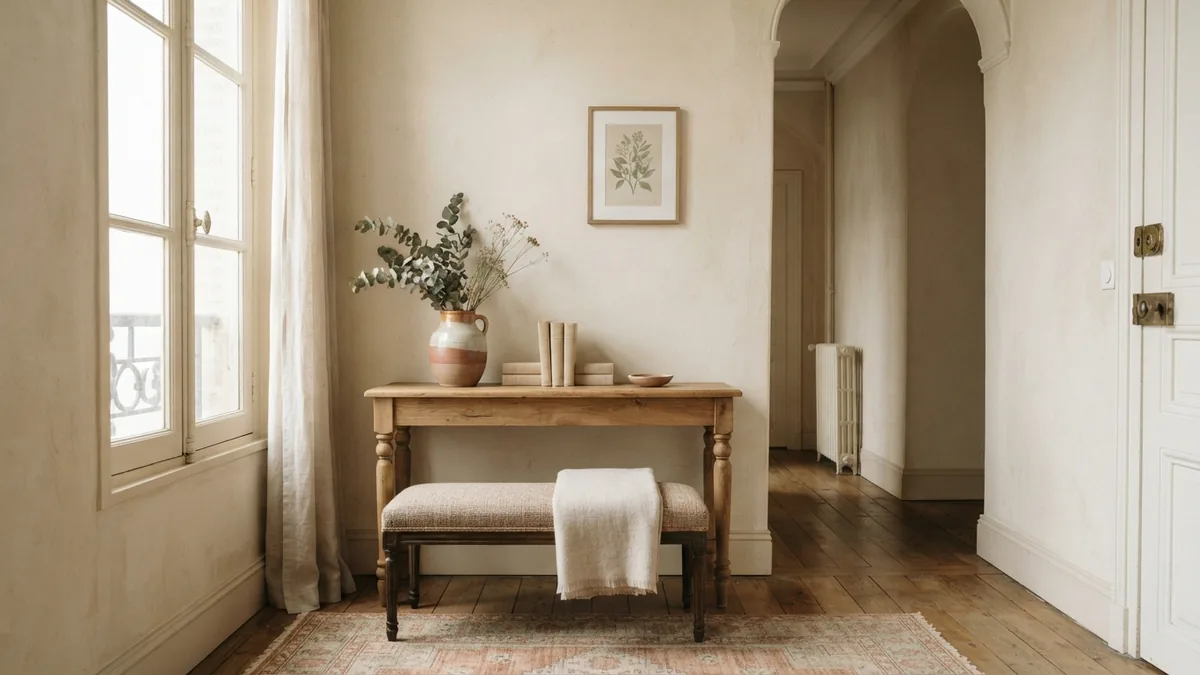
- Entryway: bench, coat hooks, mirror, and narrow storage
How to Choose Furniture That Fits Your House
Measure each room before you shop. Record wall lengths, door widths, stair turns, and radiator locations. Then mark the furniture footprint with painter's tape on the floor.
Scale matters more than a showroom impression. A deep sectional may overwhelm a small sitting room. Two compact chairs may offer better flow and more flexible seating.
Match each piece to your daily habits. Choose washable fabric for busy homes. Pick firm seats for dining and reading. Choose drawers when you need quick access to small items.
Your style can guide color, shape, and finish. Scandinavian rooms suit pale oak and simple lines. Japandi rooms suit low forms, linen, and calm tones. Farmhouse rooms often use painted wood and natural texture.
Buy furniture for a house in stages when funds are tight. Start with a bed, sofa, dining table, and needed storage. Add art, accent chairs, and spare tables after you learn how the rooms work.
- Measure the room and every route into it.
- List the pieces you need now and later.
- Set a size limit for each large item.
- Check fabric, frame, warranty, and return rules.
- Compare new, second-hand, and made-to-order options.
Options for Moving Furniture Safely
You can move small pieces with a friend, a dolly, and moving blankets. Protect floors with thick pads. Remove drawers and wrap hardware in a labeled bag.
For large sofas, wardrobes, and beds, furniture moving services reduce strain and damage risk. A local moving crew can carry, load, transport, and place each item. Ask whether the quote includes stairs, long carries, assembly, and insurance.
Who can I hire to move furniture in my house? Search for insured movers, labor-only crews, or a home delivery team. Labor-only help works well when you rent a van yourself. A full-service mover suits a whole-house change.
Can I hire someone to move furniture in my house without moving out? Yes. Many crews handle room changes, heavy lifting, and furniture assembly. Give them a clear list and photos before they quote.
- Measure the largest piece and the narrowest doorway.
- Clear rugs, lamps, plants, and loose items from the route.
- Use two or more workers for tall or heavy pieces.
- Ask for proof of cover before work begins.
- Inspect walls, floors, and furniture after placement.
Buying, Renting, or Staging Furniture
Buying gives you full control and long-term value. It works best when you know the home, room sizes, and style you want. Second-hand furniture can lower costs by 30% to 70% for many pieces.
Renting helps when you need furniture for a short stay. It can suit a temporary home, furnished rental, or delayed move. Check the full term, delivery fee, damage rules, and early return cost.
Staging serves a different goal. Staging furniture for a house makes rooms look useful and helps buyers picture daily life. A staged home often uses fewer pieces, clear paths, and neutral colors.
Can you buy a house with the staging furniture? Usually, the furniture is not part of the sale. It may stay only if the contract names each included item. Ask the agent to list those pieces in writing before you make an offer.
Renting for a sale can cost less than buying pieces you will not keep. Yet poor scale can make rooms feel small. Use a short staging plan for vacant homes, odd layouts, and high-value listings.
Furniture and the History of the White House
Questions about the Clinton family and White House furniture often come from news reports about personal items. The key point is simple. White House furnishings are not a departing family's private haul.
Many furnishings belong to the White House collection or the federal government. Some items come from earlier presidents. Others enter through gifts, loans, or historic preservation work.
Did the Clintons take furniture from the White House? Public records and later reviews did not show a simple theft story. The dispute centered on which gifts or household items the family could keep after leaving.
Did Hillary take furniture from the White House? That wording is too broad. Hillary Clinton served as first lady, but White House furnishings follow rules and records, not personal choice.
The White House Historical Association's collection guide explains why furniture has historic value beyond its use in a room. The guide also helps separate official furnishings from personal belongings.
For a home buyer, the lesson is practical. Ask what belongs to the property, what is rented, and what the seller will remove. Written lists prevent confusion during handover.
How Much Does Furniture Cost for a House?
Furniture costs for a house vary by size, quality, and room count. A careful plan can furnish a small two-bedroom home for about $8,000 to $15,000. A larger home with better-grade pieces may reach $25,000 to $60,000.
These figures cover furniture, not major appliances or building work. Delivery, assembly, rugs, lamps, and window coverings can add 10% to 25%. Custom pieces and premium mattresses can raise the total much more.
| Area | Budget range | Typical main pieces |
|---|---|---|
| Living room | $2,000–$8,000 | Sofa, chairs, table, rug, and storage |
| Primary bedroom | $1,500–$6,000 | Bed, mattress, tables, dresser, and lighting |
| Dining area | $800–$4,000 | Table, chairs, sideboard, and light |
| Entry and storage | $500–$3,000 | Bench, hooks, cabinets, and shelving |
Set a total limit before you browse. Divide that sum by room priority. Keep 10% aside for delivery, repairs, and pieces you forgot.
Use a three-level plan. Buy essential pieces first. Add useful upgrades next. Save decorative items for last.
- Price delivery and assembly before checkout.
- Compare frame quality, fabric grade, and warranty terms.
- Check local resale shops for solid wood and vintage pieces.
- Keep measurements and receipts in one file.
- Wait 48 hours before buying costly statement furniture.
The right answer to “how much is furniture for a house?” depends on your goals. A smaller set of durable pieces often beats a full set of cheap items. Good planning keeps the rooms useful and the budget steady.
Frequently asked questions
- What furniture does a house need first?
- Start with beds, a sofa, a dining surface, and storage. Add lighting and small tables next.
- How much furniture does a house cost?
- A small two-bedroom home may cost $8,000 to $15,000 to furnish. Larger homes can cost $25,000 or more.
- Who can I hire to move furniture in my house?
- Hire an insured moving crew, labor-only movers, or a furniture delivery team. Ask about stairs, assembly, and cover.
- Can you buy a house with the staging furniture?
- Yes, but only when the sales contract lists the furniture as included. Never rely on a verbal promise.
- Did the Clintons take furniture from the White House?
- White House furnishings follow government and collection rules. The claim is too broad to describe the records accurately.
- Is renting furniture cheaper than buying it?
- Renting may cost less for a short stay. Buying often costs less over several years.
Related reading
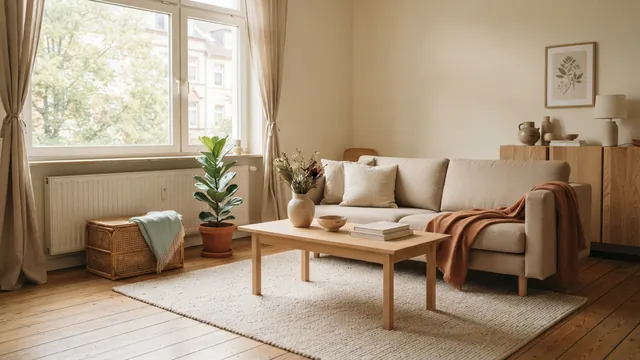
How to Furnish Your First Apartment Without Overspending
Furnish your first apartment well without draining your savings.
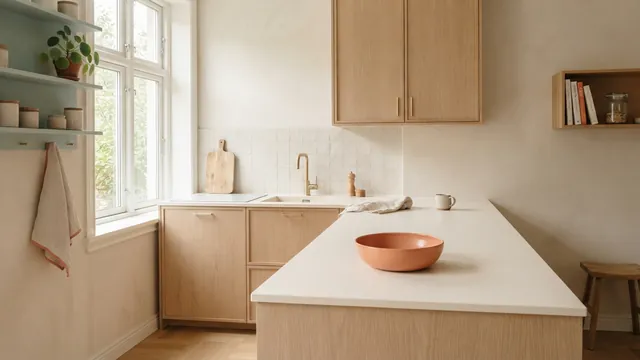
Kitchen Renovation Costs — Price Ranges and Budget Factors
See typical kitchen remodel prices, key cost drivers, and ways to keep your budget on track.

Large Living Room Walls — Scale, Style, and Warmth
Use scale, art, texture, shelves, and light to make a large wall feel balanced.